
Hair Care Products: Complete Guide to Choosing, Developing, and Launching Your Brand
How Do You Choose and Develop Hair Care Products for a New Brand?
Choosing and developing hair care products requires identifying a target customer, selecting the right product category, deciding between private label and custom formulation, developing the formula, choosing packaging, completing testing, manufacturing the product, and launching through the right sales channels. Successful hair care brands focus on solving specific consumer problems, creating differentiated products, maintaining quality, and building a scalable manufacturing strategy.
For beauty entrepreneurs, salon owners, Amazon sellers, and DTC founders, understanding the complete hair care product development process helps reduce risks and create stronger brands.
The global hair care industry continues to grow as consumers look for products that solve specific problems.
Modern hair care brands are no longer competing only with shampoo and conditioner.
Successful brands are developing targeted solutions such as:
- Hair growth treatments
- Scalp care products
- Repair systems
- Clean beauty formulas
- Personalized hair solutions
- Professional treatments
Building a successful hair care product line requires understanding:
- Product selection
- Formula development
- Manufacturing
- Packaging
- Testing
- Branding
- Market launch
This complete guide explains how brands choose, develop, and launch hair care products.
Understanding the Hair Care Product Market
Hair care is one of the most competitive categories in beauty.
Consumers purchase products based on:
- Hair concerns
- Results
- Ingredients
- Brand trust
- Product experience
Major Hair Care Categories
| Category | Consumer Need |
|---|---|
| Shampoo | Cleansing and maintenance |
| Conditioner | Hydration and softness |
| Hair Mask | Repair and treatment |
| Hair Oil | Nourishment and shine |
| Hair Serum | Targeted solutions |
| Scalp Care | Scalp health |
| Styling Products | Appearance and control |
How to Choose the Right Hair Care Product to Launch
The right product choice determines your brand’s potential.
Before developing a product, consider:
- Target customer
- Market demand
- Competition
- Pricing opportunity
- Repeat purchase potential
Product Opportunities
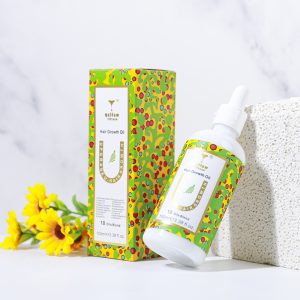
Hair Growth Oil
This hair growth oil supports growth and enhances scalp health with 18 natural plant oils for deep nourishment. Enriching hair roots with essential nutrients reduces breakage and hair loss, and regular use restores strength and shine for healthier, thicker locks.
- Size: 2.03 fl oz / 60 ml | 3.4 fl oz / 100 ml
- Key Ingredients: Sunflower Seed Oil, Castor Seed Oil, Argan Oil, Rosemary Oil, Peppermint Oil, Coconut Oil, Avocado Oil, Jojoba Oil, and other botanical oils
- Key Benefits: Deep Nourishment, Scalp Care, Hair Growth, Damage Repair, Natural Shine
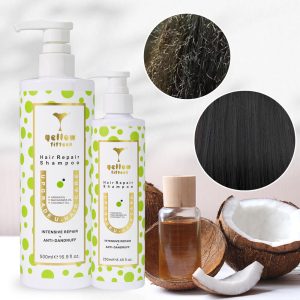
Hair Repair Shampoo
This hair repair shampoo gently cleanses, repairs, and strengthens lifeless hair while removing impurities and offering anti-dandruff benefits for a healthy scalp. Ideal for color-treated hair, it preserves vibrancy and locks in pigments.
- Size: 8.45 fl oz / 250 ml | 16.91 fl oz / 500 ml | 33.81 fl oz / 1000 ml
- Key Ingredients:Argan Oil, Macadamia Oil, Coconut Oil, Polyquaternium-7, Dimethiconol
- Key Benefits: Hair Repair, Scalp Cleansing, Damage Protection, Color Protection, Shine Enhancement
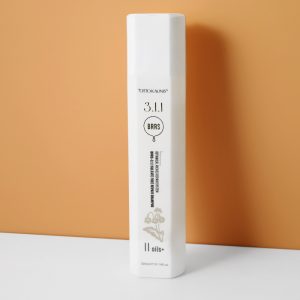
Sulfate Free Repair Shampoo
This sulfate free shampoo gently cleanses, nourishes, and strengthens hair with vegetable protein, plant extracts, and oils. Free of harsh chemicals, it protects color, maintaining vibrancy with a crystal gel texture and rich bubbles for a luxurious wash.
- Size: 10.14 fl oz / 300 ml
- Key Ingredients:Argan Oil, Macadamia Oil, Jojoba Oil, Avocado Oil, Coconut Oil
- Key Benefits: Gentle Cleansing, Deep Nourishment, Color Protection, Hair Strengthening, Smooth Finish
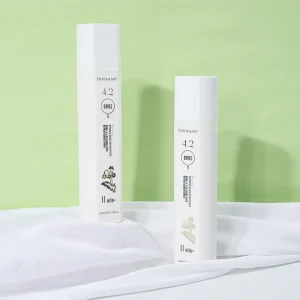
Silicone Free Repair Conditioner
This silicone free repair conditioner revitalizes damaged hair, offering silky perfection and radiant shine with its nutrient-rich formula that repairs, smooths, and softens while promoting strength and elasticity without harsh ingredients.
- Size: 10.14 fl oz / 300 ml
- Key Ingredients:Sweet Almond Oil, Shea Butter, Hydrolyzed Rice Protein, Argan Oil, Jojoba Oil
- Key Benefits: Deep Repair, Hair Softening, Shine Enhancement, Strength Boosting, Damage Protection
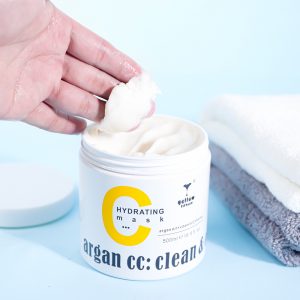
Hydrating Mask
This hydrating mask is a potent anti-aging treatment enriched with argan oil, vitamin C, and honey, providing repair, deep hydration, and oxidation protection; suitable for all hair types, it enhances suppleness and shine while promoting youthful-looking hair.
- Size: 8.45 fl oz / 250 ml | 16.91 fl oz / 500 ml | 33.81 fl oz / 1000 ml
- Key Ingredients: HELIANTHUS ANNUUS (SUNFLOWER) SEED OIL、ARGANIA SPINOSA KERNEL (ARGAN) OIL
- Key Benefits: Anti-Aging, Deep Hydration, Vitamin Rich, Fiber Repair, Shine Boost
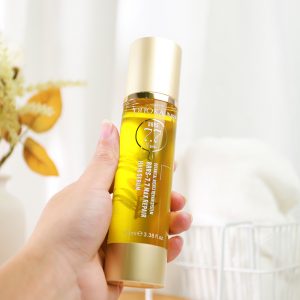
Max Repair Hair Serum
This max repair serum, enriched with jojoba, argan, sea buckthorn, and plant oils, restores and detangles over-processed hair; its ultra-light, residue-free formula delivers a silky, shiny finish with heat, UV, and color protection.
- Size: 3.4 fl oz / 100 ml
- Key Ingredients:Argan Oil, Jojoba Oil, Sea Buckthorn Oil, Macadamia Oil, Coconut Oil
- Key Benefits: Hair Repair, Frizz Control, Shine Enhancement, Heat Protection, Color Protection
Choosing Between Private Label and Custom Hair Care Products
Manufacturing strategy affects your investment, timeline, and differentiation.
Private Label Hair Care Products
Private label uses existing manufacturer formulas.
Advantages
- Faster launch
- Lower investment
- Lower development risk
Best for:
- New brands
- Amazon sellers
- Market testing
👉 Learn more in Private Label Hair Care: Complete Guide to Building a Profitable Brand
Custom Hair Care Products
Custom formulas are developed specifically for your brand.
Advantages
- Unique products
- Better differentiation
- Premium positioning
Best for:
- Luxury brands
- DTC companies
- Retail-focused brands
👉 Learn more in Custom Formula vs Private Label Hair Care: Which Should You Choose?
Hair Care Product Development Process
Creating a hair care product involves several stages.
Step 1: Market Research
Brands analyze:
- Consumer needs
- Competitors
- Trends
- Pricing
Step 2: Product Concept Development
Define:
- Product purpose
- Target audience
- Key benefits
- Positioning
Example:
“Professional scalp treatment for oily scalp concerns.”
Step 3: Formula Development
Manufacturers develop:
- Ingredients
- Texture
- Fragrance
- Performance characteristics
👉 Learn more in How Hair Care Factories Develop Custom Formulas: From Concept to Production
Step 4: Sample Testing
Brands evaluate:
- Texture
- Fragrance
- Performance
- User experience
Step 5: Final Formula Approval
After revisions:
- Formula is finalized
- Testing begins
- Production preparation starts
Hair Care Product Ingredients and Formulation Trends
Modern consumers pay attention to ingredients.
Popular Ingredient Trends
Natural Ingredients
Examples:
- Botanical extracts
- Plant oils
- Herbal ingredients
Active Ingredients
Examples:
- Peptides
- Proteins
- Scalp-support ingredients
Clean Beauty Ingredients
Consumers look for:
- Transparent formulas
- Safer ingredients
- Sustainable sourcing
👉 Learn more in Natural Hair Care vs Clean Beauty: What’s the Difference and Which Should You Choose?
Hair Care Product Packaging Strategy
Packaging affects:
- Brand perception
- Shelf appeal
- Customer experience
Packaging Options
- Bottles
- Tubes
- Jars
- Pumps
- Spray containers
Packaging Decisions Include:
- Material
- Size
- Design
- Labeling
- Sustainability
👉 Learn more in Hair Care Packaging Cost Guide: Bottles, Labels, and Custom Packaging Explained
Hair Care Product Testing and Quality Requirements
Testing ensures products are safe and stable.
Common Testing Includes:
- Stability testing
- Microbial testing
- Safety testing
- Packaging compatibility testing
Why Testing Matters
It helps brands avoid:
- Product failures
- Customer complaints
- Compliance issues
👉 Learn more in Hair Care Product Testing Requirements Explained: Safety, Stability, Microbial, and Compliance Testing
Manufacturing Hair Care Products at Scale
Once the product is approved, manufacturing begins.
Production Process
Raw Materials
↓
Formula Mixing
↓
Quality Inspection
↓
Filling
↓
Packaging
↓
Finished Product Testing
How Much Does It Cost to Develop Hair Care Products?
Costs depend on:
- Formula type
- Packaging
- Quantity
- Testing
- Manufacturing model
Main Cost Areas
| Cost Area | Purpose |
|---|---|
| Formula development | Product creation |
| Manufacturing | Production |
| Packaging | Brand presentation |
| Testing | Safety |
| Inventory | Initial stock |
| Marketing | Customer acquisition |
👉 Learn more in Custom Hair Care Product Cost Breakdown: Formula, Packaging, and Manufacturing Explained
How to Launch a Hair Care Product Brand
A successful launch requires more than manufacturing.
Launch Steps
Build Brand Positioning
Define:
- Target customer
- Brand message
- Competitive advantage
Select Sales Channels
Options:
- Shopify
- Amazon
- Retail
- Salons
👉 Learn more in How to Build a DTC Hair Care Brand: From Product Development to Online Sales
Create Marketing Strategy
Use:
- SEO
- Social media
- Influencers
- Email marketing
Hair Care Product Distribution Strategies
Brands can sell through:
Ecommerce
Advantages:
- Direct customer relationship
- Higher control
Retail
Advantages:
- Wider visibility
- Consumer trust
Salons
Advantages:
- Professional credibility
👉 Learn more in Wholesale Hair Care vs Direct-to-Consumer: Which Model Fits Your Brand?
Common Mistakes When Launching Hair Care Products
Mistake #1: Choosing Generic Products
Highly competitive categories require differentiation.
Mistake #2: Ignoring Customer Needs
Products should solve real problems.
Mistake #3: Underestimating Marketing Costs
Great products still need visibility.
Mistake #4: Choosing Manufacturers Only by Price
Quality and reliability matter.
How HODM Helps Brands Develop Hair Care Products
HODM supports brands through the entire product journey.
HODM Services
- Product strategy
- OEM manufacturing
- ODM development
- Private label products
- Custom formulas
- Packaging solutions
- Testing support
- Export assistance
From first idea to finished product, HODM helps brands build scalable hair care lines.
FAQ
What are the most profitable hair care products to launch?
High-potential categories include hair growth products, scalp care, hair serums, repair treatments, and premium hair systems because they solve specific consumer problems.
How do I create my own hair care products?
The process includes selecting a product concept, choosing a manufacturing model, developing formulas, testing samples, approving packaging, and starting production.
Is private label hair care a good option for beginners?
Yes. Private label allows beginners to launch faster with lower development costs and reduced risk.
How long does it take to develop a hair care product?
Timeline depends on customization. Private label products can launch faster, while custom formulas usually require more development and testing time.
What should I consider before choosing a hair care manufacturer?
Consider experience, quality systems, R&D capability, MOQ, testing, compliance support, and production capacity.
Can I sell hair care products internationally?
Yes. Brands can expand internationally, but they need to consider local regulations, labeling, compliance, and distribution strategies.
Conclusion
Building successful hair care products requires more than creating a formula. Brands need to understand consumer needs, choose the right product category, develop quality formulas, select reliable manufacturing partners, and create strong launch strategies.
The most successful hair care brands combine:
- Product innovation
- Market understanding
- Manufacturing expertise
- Strong branding
- Customer-focused strategies
Build Your Hair Care Product Line with HODM
HODM helps brands create:
- Private label hair care products
- Custom OEM formulas
- Professional salon products
- Scalable product lines
- Global market-ready solutions
Contact HODM to develop your next hair care product.