
How to Choose the Right Packaging for Private Label Hair Care Products
Packaging is an important part of developing a private label hair care brand. The right bottle, jar, tube, or dispensing system does more than hold a formula. It influences product usability, brand presentation, manufacturing costs, storage, and the overall customer experience.
Whether you are launching a shampoo collection, conditioner range, hair mask, hair oil, or professional styling products, packaging should be selected according to the formula, application method, target market, and brand positioning.
Brands developing their own collections can explore HODM's Private Label Hair Care Packaging services and OEM/ODM Manufacturing Process to understand available packaging customization and production options.
This guide explains how to choose packaging for private label hair care products, including bottle types, packaging materials, dispensing systems, formula compatibility, customization, cost considerations, and manufacturing preparation.
1. Why Packaging Matters for Private Label Hair Care Products
Packaging plays several roles throughout the life of a hair care product. It protects the formula, makes application convenient, communicates brand identity, and supports storage and transportation.
For private label brands, packaging decisions also influence product costs, minimum order quantities, customization options, and manufacturing timelines.
Product Protection
Suitable packaging helps protect the product from contamination, leakage, light exposure, and other external factors, depending on the formula and packaging design.
Convenience and Application
A shampoo bottle, hair mask jar, and leave-in spray require different dispensing methods. Packaging should make the product easy to use and appropriate for its intended texture.
Brand Identity
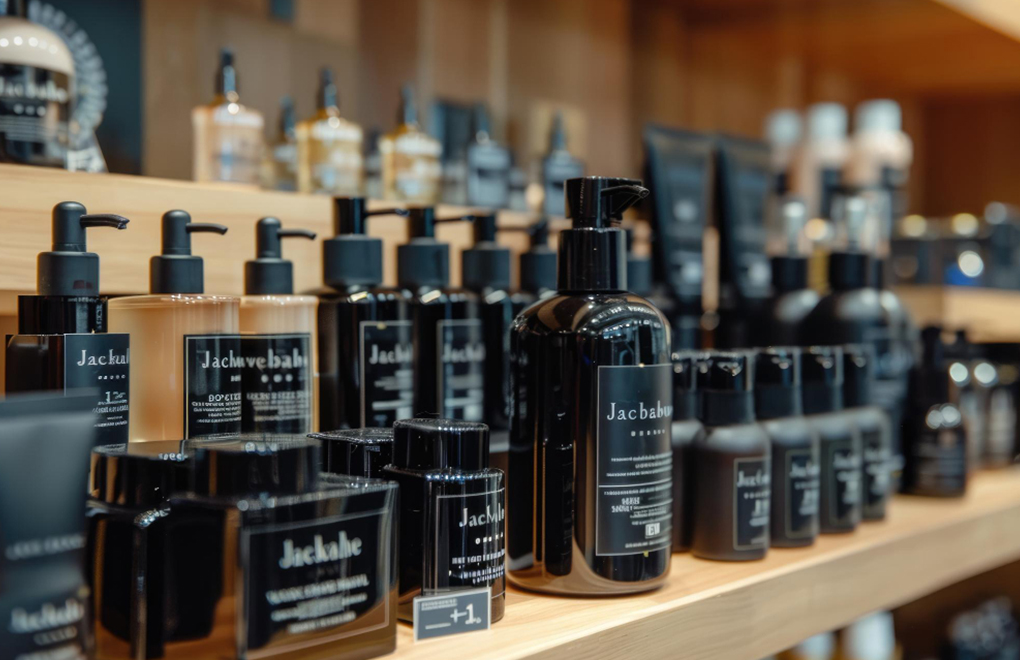
Bottle shapes, colors, labels, printing, finishes, and closures contribute to how customers recognize a product collection. Consistent packaging can help a brand create a more professional appearance across multiple SKUs.
Manufacturing and Commercial Costs
Packaging choices influence component costs, storage requirements, filling operations, shipping weight, and production planning. These factors should be considered before finalizing a product design.
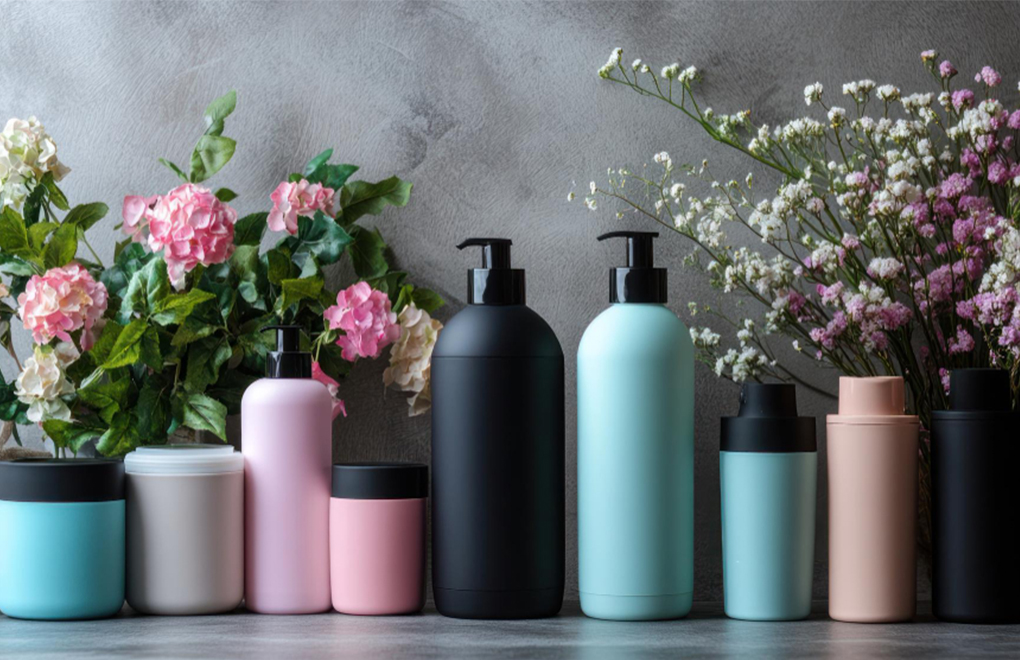
2. Different Types of Packaging for Hair Care Products
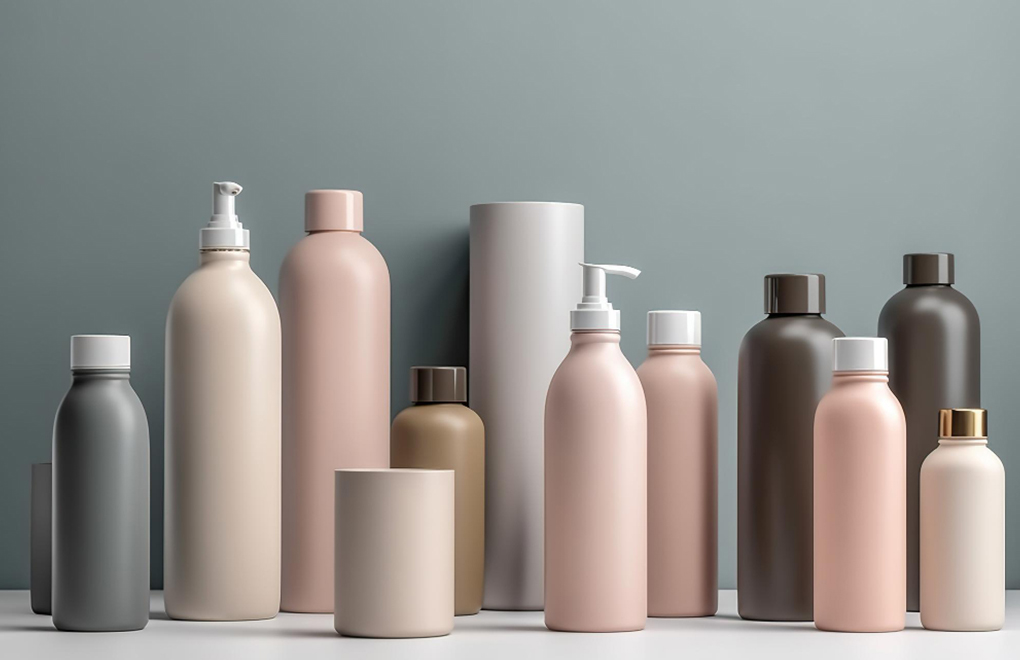
Different hair care categories require different packaging formats. The best option depends on formula viscosity, dispensing requirements, application habits, and the intended retail experience.
Shampoo and Conditioner Bottles
Bottles are widely used for shampoos and conditioners. They are available in different shapes, capacities, materials, and dispensing configurations.
Pump bottles can be convenient for larger products and professional salon formats, while flip-top and disc-top closures are common options for everyday consumer products.
Hair Mask Jars
Jars are suitable for many thicker hair masks and treatment products. Wide openings make it easier to access richer formulas, although closure design and product protection should be carefully considered.
Spray Bottles
Spray bottles are commonly used for leave-in conditioners, detangling sprays, heat protection products, and other lightweight liquid formulas.
The spray mechanism should match the formula viscosity and deliver a suitable distribution pattern.
Dropper and Serum Bottles
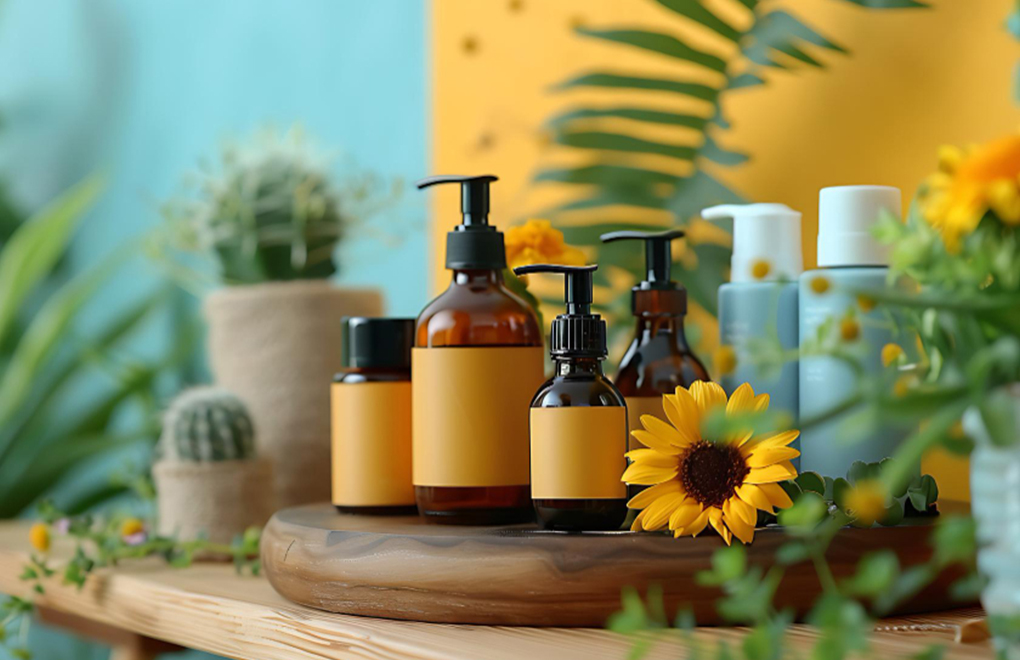
Dropper bottles and small pump bottles are suitable for selected hair serums, scalp treatments, and concentrated oil-based products.
Tubes
Tubes can be used for hair masks, curl creams, styling creams, and other products requiring controlled dispensing. They are also convenient for travel and retail collections.
| Packaging Type | Suitable Products | Main Consideration |
|---|---|---|
| Pump Bottles | Shampoo, Conditioner, Serum | Viscosity and pump compatibility |
| Flip-Top Bottles | Shampoo and Conditioner | Opening and dispensing |
| Disc-Top Bottles | Shampoo and Conditioner | Controlled product flow |
| Jars | Hair Masks and Treatments | Formula access and closure |
| Spray Bottles | Leave-In and Styling Sprays | Spray distribution |
| Dropper Bottles | Hair Oils and Scalp Serums | Controlled application |
| Tubes | Curl Creams and Hair Masks | Dispensing and flexibility |
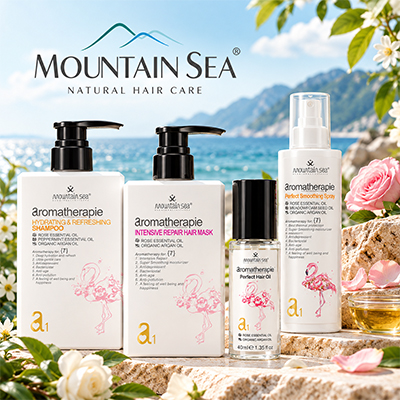
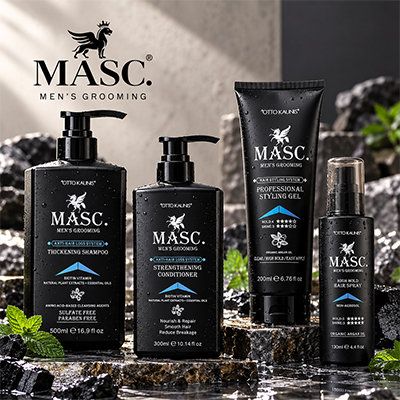
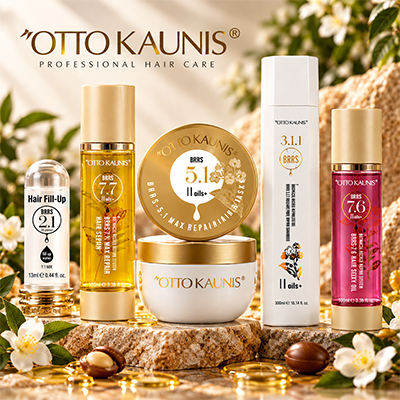
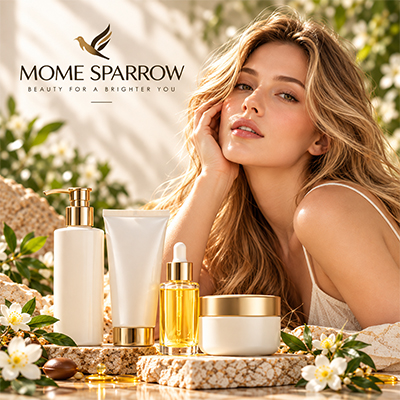
3. Hair Care Packaging Examples for Private Label Brands
Before selecting a packaging system, brands should compare different container formats and consider how each one fits the product category, formula, and target market.
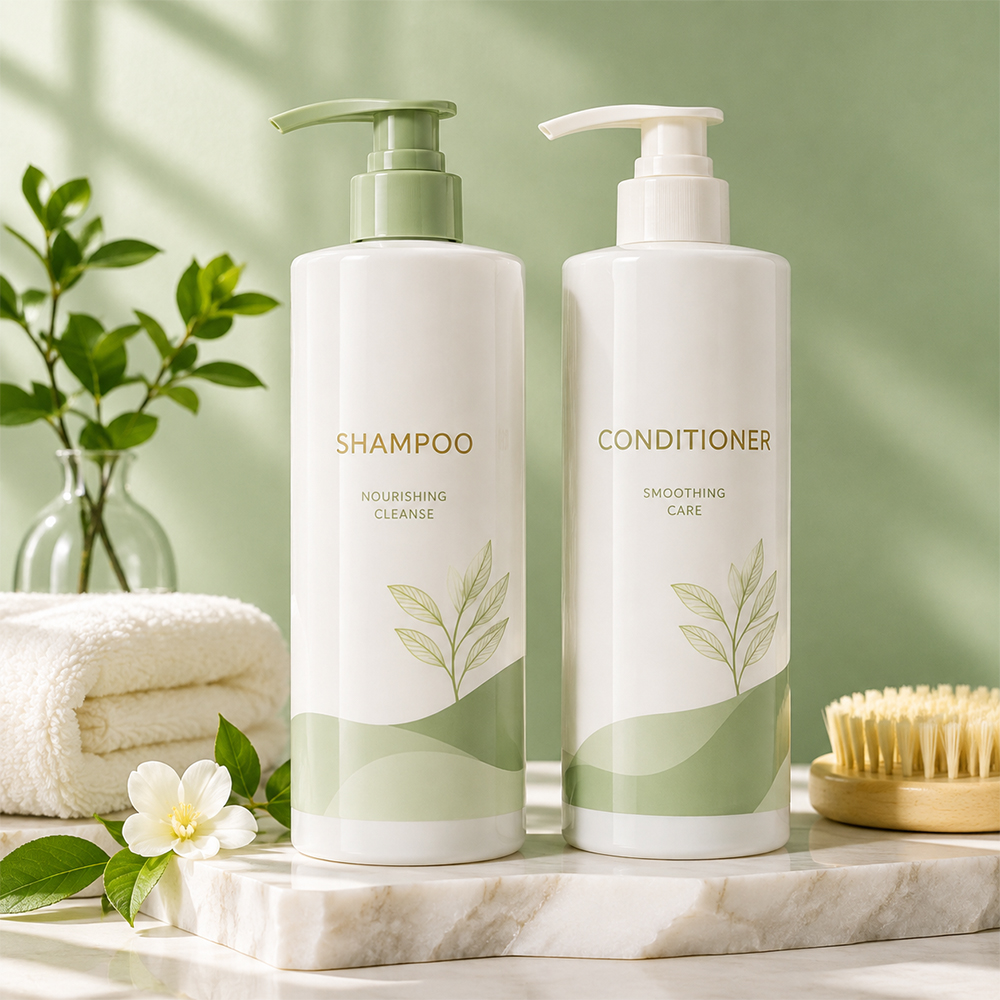
Shampoo and Conditioner Bottles
Common packaging for daily cleansing and conditioning products, with options including pump, flip-top, and disc-top closures.
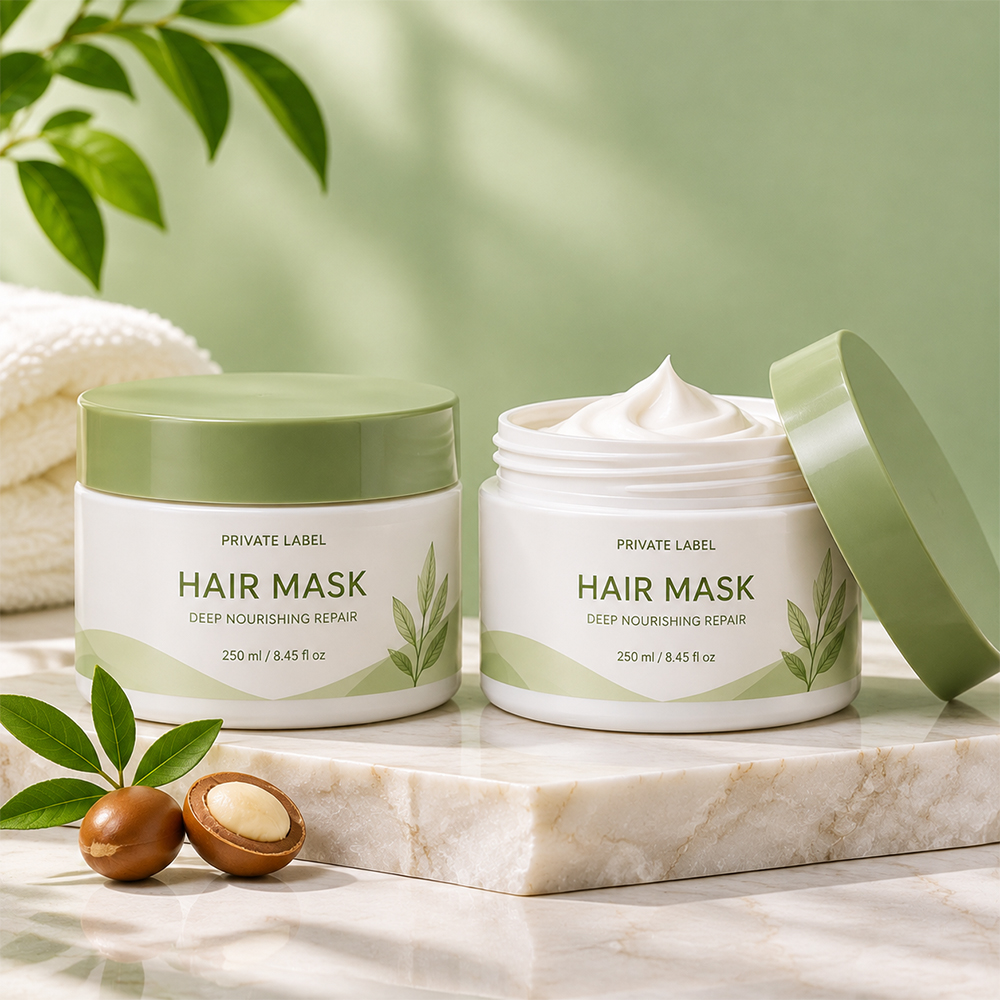
Hair Mask and Treatment Jars
Suitable for thicker conditioning products and intensive hair treatments, with different jar capacities and closure designs.
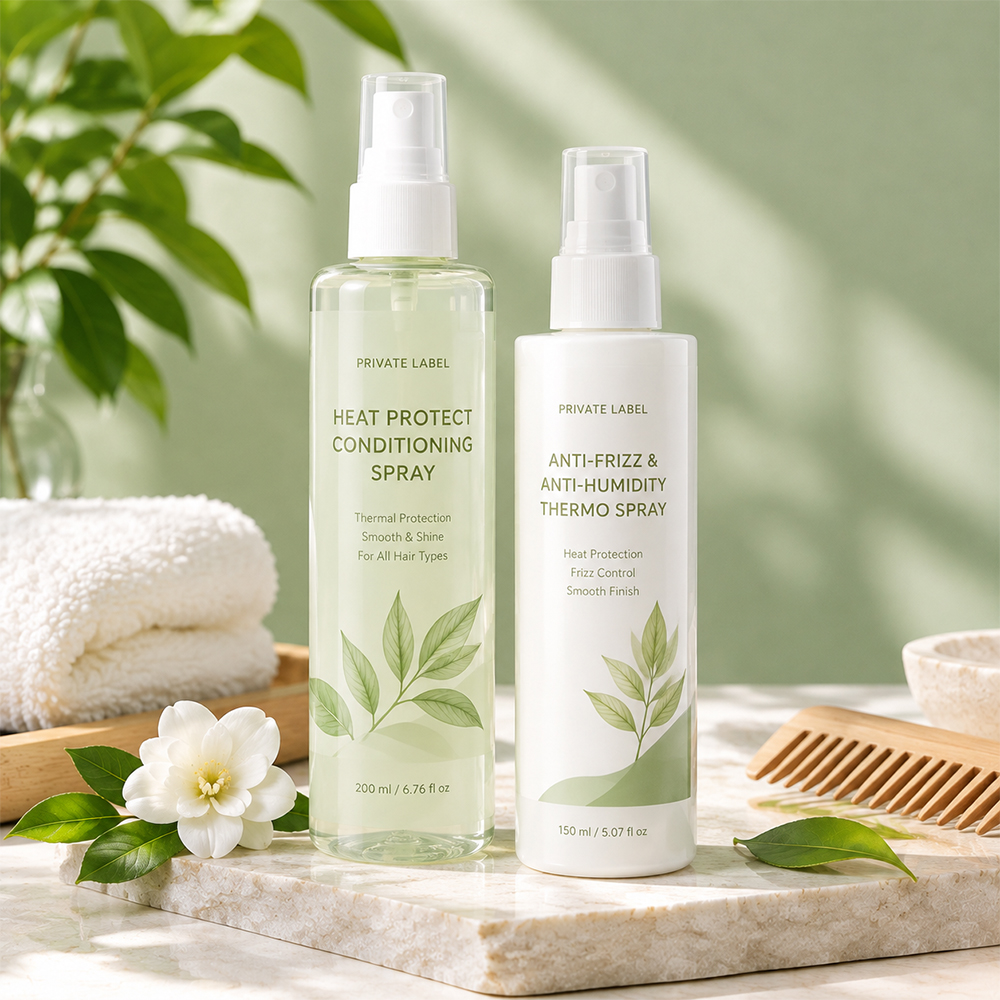
Leave-In and Styling Spray Bottles
Designed for lightweight liquid products that require convenient application and consistent spray distribution.
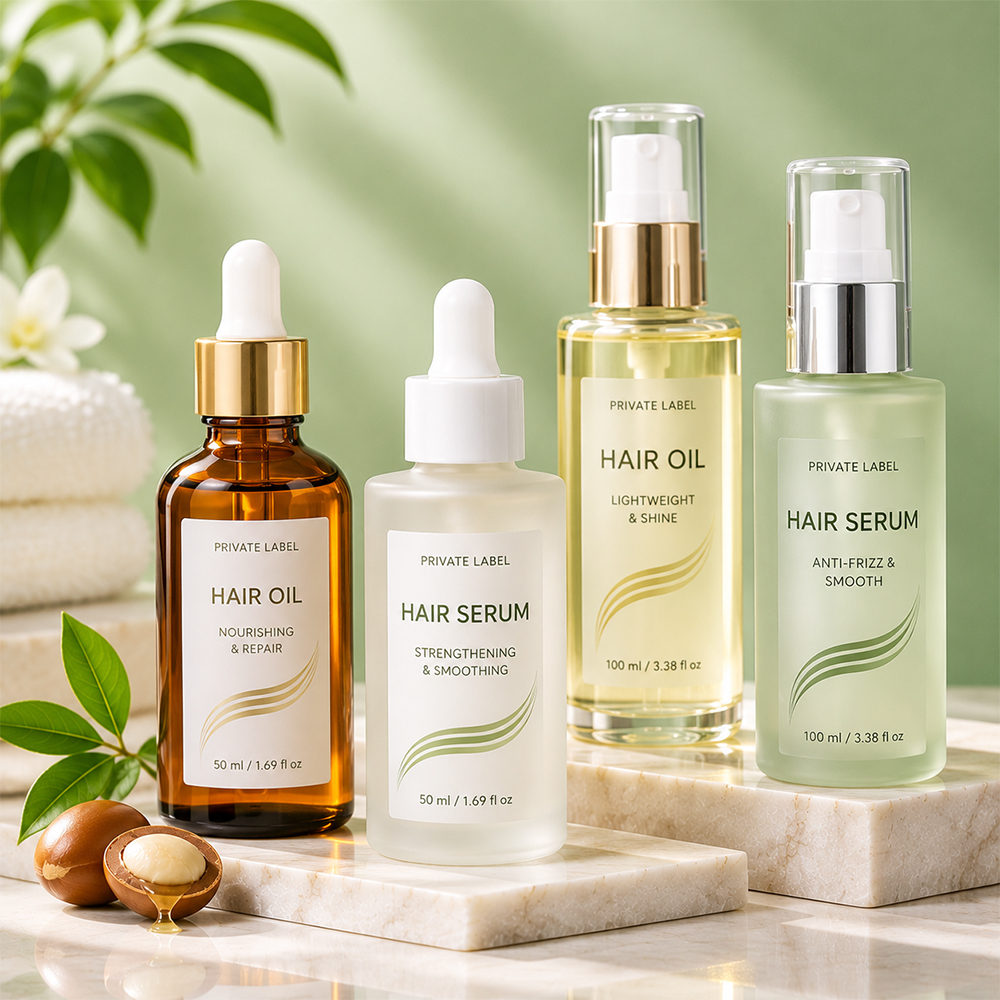
Hair Oil and Serum Bottles
Dropper and pump formats offer controlled application for selected hair oils, scalp treatments, and concentrated serums.
These are examples of common hair care packaging directions. Actual packaging availability, dimensions, materials, and customization options should be confirmed according to the specific project.
4. How to Choose the Right Hair Care Packaging Material
Packaging material affects product protection, weight, appearance, cost, transportation, and compatibility with the formula. Brands should compare material characteristics before selecting a container.
PET Plastic
PET is commonly used for cosmetic bottles because of its clarity, lightweight construction, and availability in different shapes and sizes. It can be suitable for selected shampoo, conditioner, and spray packaging applications.
HDPE Plastic
HDPE is commonly used for bottles requiring a more opaque appearance and practical handling. It is an option for selected shampoo, conditioner, and other hair care products.
PP Plastic
PP is used in various cosmetic packaging components, including closures, caps, jars, and selected containers. It offers flexibility in packaging design and component manufacturing.
Glass
Glass can provide a premium appearance and is used in selected hair oils and serum packaging. However, weight, breakage risk, transportation, and closure compatibility should be considered.
Other Packaging Materials
Depending on the project, brands may also explore aluminum, multilayer structures, and other packaging materials. Their suitability depends on formula compatibility, filling requirements, and market expectations.
| Material | Common Applications | Key Considerations |
|---|---|---|
| PET | Bottles and selected spray containers | Clarity, weight, compatibility |
| HDPE | Shampoo and Conditioner Bottles | Appearance and chemical compatibility |
| PP | Jars, Caps, and Closures | Component design and compatibility |
| Glass | Hair Oils and Serums | Weight and breakage protection |
| Aluminum | Selected Hair Care Containers | Internal coating and compatibility |
No packaging material is automatically suitable for every formula. Material selection should be confirmed through appropriate compatibility assessments using the actual product.
5. Choosing the Right Pump, Cap, and Dispensing System
The dispensing system should be selected according to the formula viscosity, application method, product size, and expected customer experience.
Pump Dispensers
Pumps are suitable for many liquid and medium-viscosity products. They can offer convenient dispensing for shampoos, conditioners, and selected treatments.
Flip-Top and Disc-Top Closures
These closures are commonly used for everyday hair care bottles. They provide straightforward opening and closing and can be suitable for different product viscosities.
Fine Mist Spray Pumps
Fine mist pumps are used for lightweight sprays and leave-in products. Spray distribution, output quantity, and formula compatibility should be evaluated together.
Trigger Sprayers
Trigger sprayers may be suitable for larger containers and products requiring controlled application over a wider area.
Droppers
Droppers can provide controlled application for selected oils and serum products. The dropper, pipette, closure, and formula should be checked for compatibility.
Airless Pumps
Airless packaging may be considered for selected formulas that benefit from a particular dispensing and product protection system. The complete packaging design should be evaluated for its intended use.
6. Formula and Packaging Compatibility: What Brands Must Check
One of the most important steps in private label hair care packaging selection is confirming that the container and formula work together.
A bottle may look attractive and have a suitable price, but it may not be appropriate for a specific formula or dispensing requirement.
Formula Viscosity
Thick conditioners and hair masks may require wider openings or suitable dispensing systems. Thin sprays and serums require packaging that can deliver the intended application.
Material Compatibility
Formula ingredients may interact differently with packaging materials, seals, liners, pumps, and other components. Compatibility should be assessed using the actual formulation and selected packaging.
Leakage and Closure Performance
Check whether the closure seals properly and whether the container can withstand expected handling, storage, and transportation conditions.
Light and Environmental Protection
Some formulas may require particular packaging characteristics to help protect them from light or other environmental factors. The appropriate level of protection depends on the formula and supporting stability assessments.
Dispensing Performance
Test the actual product through its intended pump, spray, dropper, or closure. Check dispensing consistency, ease of use, and whether the packaging can be used effectively throughout the product's intended life.
Packaging should not be approved based only on an empty bottle sample. Test it with the actual formula whenever possible.
Before selecting a container, it is also important to understand the available packaging options. Read our guide on How to Choose the Right Packaging for Private Label Hair Care Products to compare bottle types, materials, dispensing systems, and customization options.
7. Custom Packaging Design for Private Label Hair Care Brands
Custom packaging helps brands create a recognizable product identity and distinguish their collections in competitive retail and professional markets.
Bottle Shape and Size
Brands can consider different bottle shapes, heights, widths, capacities, and dispensing styles according to the product category and target price.
Custom Colors
Bottle colors can be selected to match the brand identity. Options may include transparent, opaque, solid, metallic, and other customized appearances depending on the packaging material and supplier capabilities.
Label Design and Printing
Packaging graphics communicate product names, brand identity, usage information, and required product details. Printing methods should be selected according to the container material, design, and production quantity.
Surface Finishes
Selected finishes may include matte, glossy, metallic, frosted, and other decorative treatments. The right finish depends on brand positioning and budget.
Coordinated Product Collections
Shampoo, conditioner, hair masks, and styling products can use matching visual elements while retaining different bottle shapes and dispensing systems.
Explore HODM Custom Packaging Services to discuss available packaging options for your brand.
8. Packaging Costs, MOQ, and Customization Considerations
Packaging costs can have a significant impact on the overall product budget. Brands should compare the complete packaging cost rather than looking only at the price of an empty bottle.
Standard Packaging vs. Custom Packaging
Standard packaging generally offers more readily available container options, while fully customized packaging may require additional design, tooling, production preparation, or component sourcing.
Understand Minimum Order Quantities
Packaging suppliers may set minimum quantities for bottles, closures, colors, printing, and other customized components. These quantities may differ from the finished product manufacturing MOQ.
Consider Decoration and Printing Costs
Labels, direct printing, hot stamping, special finishes, and customized colors can affect the final packaging cost.
Evaluate Total Packaging Cost
When comparing options, consider:
- Container and closure costs.
- Pump, spray, or dispensing component costs.
- Label and printing costs.
- Tooling and mold expenses where applicable.
- Packaging transportation and storage.
- Filling and assembly requirements.
- Packaging waste and production losses.
Balance Premium Appearance and Commercial Viability
A premium bottle design should support the product's retail positioning without making the total product cost unsuitable for the target market.
9. Sustainable Packaging Considerations for Hair Care Brands
Sustainability is another consideration when choosing packaging for private label hair care products. Brands may evaluate material use, recyclability, refill options, transportation weight, and packaging waste.
Recyclable Packaging Materials
Brands can investigate packaging materials that are suitable for recycling in their target markets. Actual recyclability depends on material composition, local recycling systems, closures, labels, and other components.
Refillable Packaging
Refill formats may be considered for selected shampoo and conditioner collections. Their commercial suitability depends on refill availability, consumer convenience, packaging compatibility, and product protection.
Reduce Unnecessary Packaging
Avoiding excessive secondary packaging and unnecessary components can help reduce material use and simplify product presentation.
Verify Sustainability Claims
Environmental claims should be supported by reliable material information and relevant evidence. Avoid making broad claims such as fully sustainable or completely eco-friendly without appropriate substantiation.
10. Packaging Sample Evaluation and Testing
Before approving packaging for commercial production, brands should evaluate the physical container, dispensing components, formula compatibility, and overall presentation.
Check Physical Appearance
- Container shape and dimensions.
- Color and surface finish.
- Visible defects and scratches.
- Printing and label alignment.
- Closure fit and assembly.
Test Dispensing Performance
Fill the selected packaging with the actual formula and evaluate pump output, spray distribution, opening, closing, and ease of use.
Evaluate Leakage and Compatibility
Appropriate testing may include leakage assessments, transportation simulation, storage evaluation, and material compatibility checks.
Confirm Final Packaging Specifications
Record the approved container, material, dimensions, capacity, closure, color, decoration, and other relevant specifications.
For a broader product development checklist, read Hair Care Product Sample Evaluation: What Brands Should Check Before Approval.
11. How to Prepare Hair Care Packaging for Mass Production
Once the packaging format has been selected and evaluated, brands need to prepare the necessary specifications and approvals before commercial manufacturing.
Step 1: Confirm the Product Formula
Finalize the product formula and identify its packaging requirements, including viscosity, dispensing method, and compatibility considerations.
Step 2: Select the Container and Closure
Confirm the bottle, jar, tube, pump, cap, spray mechanism, and other components.
Step 3: Approve Packaging Samples
Review physical samples and evaluate the packaging with the intended formula.
Step 4: Finalize Artwork
Confirm label design, printing specifications, product information, required market details, and packaging dimensions.
Step 5: Confirm MOQ and Costs
Review the minimum order quantities for individual packaging components, decoration, and finished products.
Step 6: Approve Pre-Production Samples
Check the final packaging appearance, assembly, dispensing, and product presentation before approving the commercial production arrangement.
Step 7: Coordinate Production and Quality Control
Confirm component availability, filling arrangements, quality checks, production scheduling, and delivery requirements.
12. Choosing a Hair Care Manufacturer with Packaging Support
Working with a manufacturer that can coordinate formula development, packaging selection, customization, and production can simplify the product development process.
Review Packaging Options
Ask which bottle, jar, tube, pump, and spray options are available for your product categories.
Check Customization Capabilities
Discuss bottle colors, printing, labels, surface finishes, customized components, and other available decoration options.
Evaluate Formula and Packaging Coordination
The manufacturer should understand how the selected packaging interacts with the actual formula and filling process.
Understand MOQ and Production Arrangements
Confirm component minimums, finished product quantities, procurement responsibilities, production lead times, and relevant additional costs.
Review Quality Management
Ask about incoming packaging inspections, filling controls, finished product checks, batch documentation, and relevant quality systems.
Explore HODM OEM/ODM Hair Care Manufacturing to learn more about manufacturing support.
13. Common Packaging Mistakes Private Label Brands Should Avoid
Choosing Packaging Before Understanding the Formula
Packaging should be selected according to the actual formula viscosity, ingredients, and application requirements. Choosing a bottle first may create unnecessary compatibility problems later.
Focusing Only on Appearance
Attractive packaging is important, but dispensing, leakage, product protection, and usability are equally important.
Ignoring Packaging MOQ
Custom colors, printing, closures, and molds may have separate minimum quantities. Confirm these requirements before committing to a design.
Overlooking the Pump or Spray Mechanism
A suitable container can still perform poorly if its dispensing component does not match the formula.
Ignoring Transportation and Storage
Consider weight, breakage risk, leakage, stacking, and protection during shipping.
Changing Packaging Without Re-Evaluation
Changes to materials, closures, suppliers, or dispensing components may require renewed compatibility and quality assessments.
Frequently Asked Questions
What packaging is best for private label hair care products?
The best packaging depends on the product formula and application. Bottles are common for shampoos and conditioners, jars for thicker hair masks, sprays for leave-in products, and dropper or pump bottles for selected hair oils and serums.
Which materials are commonly used for hair care bottles?
PET, HDPE, and other plastic materials are commonly used for hair care bottles. PP is also used in jars, closures, and other components. Glass and aluminum may be suitable for selected products depending on formula compatibility and packaging requirements.
What is the difference between PET and HDPE bottles?
PET bottles are often selected for their clarity and lightweight appearance, while HDPE is commonly used for more opaque and practical container designs. The right choice depends on formula compatibility, appearance, dispensing, and commercial requirements.
Can I customize the color and shape of shampoo bottles?
Customization options depend on the packaging supplier and order quantity. Available options may include bottle color, shape, size, printing, labels, surface finishes, and selected customized components.
What packaging is suitable for thick conditioners and hair masks?
Jars, tubes, and suitable pump bottles may be considered depending on formula viscosity and dispensing requirements. Packaging should be tested using the actual formula before approval.
How do I make sure packaging is compatible with my hair care formula?
Evaluate the actual formula with the selected container and closure. Assess material compatibility, dispensing, leakage, stability, and storage performance under appropriate testing conditions.
Does custom hair care packaging have an MOQ?
MOQ depends on the packaging material, container design, customization method, supplier, and component availability. Custom colors, printing, and molds may have separate minimum quantities.
Can HODM help with packaging customization and manufacturing?
HODM supports private label hair care projects with packaging selection, customization coordination, formula development, and OEM/ODM manufacturing options. Specific packaging availability depends on project requirements.
Explore HODM Custom Packaging Services.
Conclusion: Choose Packaging That Works for Your Hair Care Brand
Choosing the right packaging for private label hair care products requires more than selecting an attractive bottle or jar. Brands need to consider formula compatibility, dispensing performance, material selection, customization, costs, and manufacturing requirements.
Shampoo bottles, conditioner containers, hair mask jars, spray bottles, and serum packaging all serve different purposes. The right choice should match the formula and the customer's intended application experience.
Before approving packaging for commercial production, evaluate physical samples, test the actual formula, confirm component specifications, and review minimum order requirements.
With a clear packaging strategy and an experienced manufacturing partner, brands can develop consistent, practical, and recognizable hair care product collections.
Customize Your Hair Care Product Packaging with HODM
HODM Cosmetics supports private label brands with hair care packaging selection, customization coordination, formula development, and OEM/ODM manufacturing.
From shampoo and conditioner bottles to hair mask jars, spray bottles, and serum packaging, our team can discuss suitable packaging options for your product collection.
Share your product categories, preferred packaging styles, target quantities, and customization requirements to explore suitable options.
Discuss Your Packaging Project