Best Hair Care Products for Damaged Hair: What Brands Should Develop
Damaged hair is a common concern among consumers who frequently use heat styling tools, chemical treatments, hair coloring, and other processes that can affect hair condition. For hair care brands, this creates opportunities to develop specialized products focused on cleansing, conditioning, manageability, and improving the appearance of damaged hair.
A complete damaged hair care collection can include repair shampoos, conditioners, intensive hair masks, leave-in treatments, and finishing serums. Each product serves a different purpose within a hair care routine, making it important to consider formula compatibility and the intended customer experience.
Brands interested in developing their own collection can explore HODM's Custom Hair Care Formula Development and OEM/ODM Hair Care Manufacturing services to understand available formulation and production options.
This guide explores the best hair care products for damaged hair, including product categories, ingredient considerations, formulation strategies, packaging, and private label manufacturing opportunities for brands.
1. Understanding Damaged Hair and Customer Needs
Damaged hair can result from repeated chemical processing, heat styling, mechanical friction, environmental exposure, and unsuitable hair care practices. These factors can affect the hair's surface, strength, smoothness, and manageability.
Before developing a product, brands should understand the different concerns experienced by their target customers.
Common Damaged Hair Concerns
- Dryness: Hair may feel rough, lack softness, and become difficult to manage.
- Breakage: Hair may become more vulnerable to breakage during brushing, styling, and grooming.
- Frizz: Raised or damaged cuticle surfaces can contribute to an uneven appearance and increased frizz.
- Split Ends: Hair ends may become visibly split and require trimming and suitable conditioning care.
- Color and Chemical Processing: Repeated coloring, bleaching, and chemical treatments can affect hair condition.
- Heat-Related Damage: Frequent use of blow dryers, straighteners, and curling tools can affect hair appearance and manageability.
Identify Your Target Customers
Different customer groups may require different product collections.
- Consumers with bleached or color-treated hair.
- Customers who frequently use heat styling tools.
- People with dry, rough, or brittle-feeling hair.
- Salon customers receiving chemical treatments.
- Consumers seeking conditioning and anti-frizz routines.
Understanding these needs helps brands develop more focused products instead of creating a generic repair collection.
2. Best Hair Care Products for Damaged Hair
A well-planned damaged hair care collection should cover several stages of the hair care routine, from cleansing and conditioning to intensive treatment and finishing care.
Repair Shampoo
Repair shampoos are designed to cleanse the hair while providing suitable conditioning support. Their formulation may include mild or balanced surfactant systems, conditioning polymers, and selected functional ingredients.
Repair Conditioner
Conditioners play an important role in damaged hair care. They can help improve softness, combability, smoothness, and manageability, making them a natural companion to repair shampoos.
Intensive Hair Mask
Hair masks are treatment-oriented products developed with richer conditioning systems. They are suitable for brands targeting dry, damaged, or chemically treated hair care routines.
Leave-In Conditioner
Leave-in conditioners provide conditioning without a rinse-off step. Depending on the formula, they may support detangling, softness, manageability, and smoother-looking hair.
Hair Serum and Hair Oil
Serums and oils can complement repair collections by providing finishing care, smoothing, shine, and conditioning. Their texture and application method should match the target customer's preferences.
| Product Category | Main Product Role | Common Format |
|---|---|---|
| Repair Shampoo | Cleansing and conditioning support | Pump and flip-cap bottles |
| Repair Conditioner | Softness and manageability | Bottles and tubes |
| Hair Mask | Intensive conditioning | Jars and tubes |
| Leave-In Conditioner | Detangling and daily conditioning | Spray bottles and pumps |
| Hair Serum | Smoothing and finishing care | Dropper and pump bottles |
| Hair Oil | Conditioning and shine | Dropper and applicator bottles |
3. Damaged Hair Care Product Samples for Private Label Brands
HODM offers different hair care product concepts that can serve as starting points for brands developing a damaged hair care collection. Customers can request samples to evaluate formula texture, fragrance, conditioning feel, and other product characteristics before selecting suitable products for their own brands.
Sulfate Free Repair Shampoo

Sulfate Free Repair Shampoo
A repair-focused cleansing formula designed for specialized hair care collections.
Key Ingredients: Refer to the product formula specifications.
Explore Product →
Intensive Repair Hair Mask
A treatment-oriented conditioning product for dry, damaged, and chemically treated hair care routines.
Product Focus: Conditioning, softness, and manageability.
Explore Product →
Moroccan Argan Oil Leave-In Conditioner
An argan oil-inspired leave-in conditioning concept for softness, smoothness, and everyday manageability.
Product Focus: Detangling, conditioning, and smooth finish.
Explore Product →These products represent different stages of a damaged hair care routine. Brands can evaluate them individually or develop a coordinated collection according to their target customers and product requirements.
Interested in these products? Contact HODM to request samples and discuss suitable formulas for your brand.
4. Key Ingredients for Damaged Hair Care Formulation
Ingredient selection is one of the most important parts of developing damaged hair care products. Different ingredients serve different functions, and the final formula should balance cleansing, conditioning, stability, and sensory performance.
Hydrolyzed Proteins
Hydrolyzed proteins are used in selected hair care formulations for their film-forming and conditioning properties. Depending on the type and formula, they may help improve the feel and appearance of damaged hair.
Panthenol
Panthenol is commonly used in hair care products as a conditioning ingredient. It can contribute to softness and improved manageability.
Argan Oil
Argan oil is a popular emollient in hair care formulations. It can be used in conditioners, masks, leave-in products, and finishing oils to support softness and smoothness.
Dimethicone and Other Silicones
Selected silicones are used in hair care products to improve slip, smoothness, and conditioning feel. Their selection depends on the product category and desired sensory properties.
Conditioning Polymers
Conditioning polymers can help improve combability, manageability, and the overall feel of hair after washing or treatment.
Glycerin and Other Humectants
Humectants are used in selected water-based formulations to support moisture-related product characteristics. Their concentration and compatibility should be considered as part of the complete formula.
| Ingredient | Common Function | Potential Product |
|---|---|---|
| Hydrolyzed Keratin | Conditioning and film formation | Shampoo and Hair Mask |
| Panthenol | Conditioning | Shampoo and Conditioner |
| Argan Oil | Emollient and conditioning | Mask and Leave-In |
| Dimethicone | Smoothing and slip | Conditioner and Serum |
| Conditioning Polymers | Combability and manageability | Shampoo and Conditioner |
| Glycerin | Humectant | Water-Based Treatments |
Ingredient selection should be based on formula compatibility, concentration, stability, safety, and intended product performance rather than ingredient popularity alone.
5. Developing a Repair Shampoo Formula
A repair shampoo should provide suitable cleansing while considering the conditioning needs of damaged hair. The formula should not leave hair feeling excessively dry or difficult to manage.
Select an Appropriate Surfactant System
Surfactants determine much of the shampoo's cleansing and foaming characteristics. Depending on the product concept, formulators may consider sulfate-based or alternative cleansing systems.
Include Suitable Conditioning Components
Conditioning polymers, selected silicones, panthenol, and other compatible ingredients may be considered to improve the hair feel after washing.
Evaluate Cleansing and Conditioning Balance
A good repair shampoo should be evaluated for cleansing, foam, rinsability, softness, combability, viscosity, and overall sensory performance.
For more technical information, read Shampoo Products: Market Trends, Formulation, and Development Guide.
6. Developing a Conditioner for Damaged Hair
Conditioner is an essential part of many damaged hair care routines. Its main formulation objectives generally include improving softness, reducing friction, supporting detangling, and enhancing manageability.
Choose Suitable Conditioning Ingredients
Formulators may consider cationic conditioning agents, fatty alcohols, emollients, silicones, and other functional ingredients depending on the desired texture and performance.
Balance Texture and Conditioning Performance
Some customers prefer lightweight conditioners, while others want richer formulas for dry or heavily processed hair. The formula should reflect the target hair type and intended application.
Coordinate Shampoo and Conditioner Formulas
Matching shampoo and conditioner products can provide a more consistent brand experience. Their fragrances, packaging, product names, and formula characteristics can be developed as part of the same collection.
Explore Private Label Conditioner Line Development for additional formulation and manufacturing information.
7. Intensive Hair Masks for Damaged Hair
Hair masks provide a more treatment-oriented product format for brands targeting customers with dry, damaged, or chemically treated hair.
What Makes a Hair Mask Different?
Compared with ordinary conditioners, hair masks are often developed with richer conditioning systems and a different application routine. Their textures, ingredient systems, and usage instructions depend on the intended product.
Important Formulation Considerations
- Conditioning performance and hair feel.
- Texture, viscosity, and spreadability.
- Fragrance and sensory experience.
- Rinsability and application time.
- Packaging compatibility and preservation.
A well-developed hair mask can become an important product within a repair-focused collection, particularly when paired with a suitable shampoo and conditioner.
Explore Hair Mask Products: Formulation and Development Guide.
8. Leave-In Conditioners and Hair Serums for Daily Care
Rinse-off products are only one part of a damaged hair care routine. Leave-in conditioners and serums can provide additional conditioning and finishing options.
Leave-In Conditioner
Leave-in conditioners are designed to remain on the hair after application. Their formulations may focus on detangling, softness, manageability, and a lightweight finish.
Hair Serum
Hair serums are often used as finishing products. Depending on the formula, they may help improve smoothness, shine, and the appearance of frizz.
Hair Oil
Hair oils can complement leave-in products by providing conditioning and a finishing touch. Formulation should consider oil composition, application quantity, residue, and the target hair type.
Explore Hair Serum Product Development and Hair Oil Product Development.
9. Build a Complete Damaged Hair Care Product Line
Rather than developing individual products without a clear connection, brands can organize their collection around a complete hair care routine.
Example 1: Daily Repair Collection
- Sulfate-free repair shampoo.
- Matching repair conditioner.
- Leave-in conditioning product.
Example 2: Intensive Treatment Collection
- Repair shampoo.
- Conditioner.
- Intensive repair hair mask.
- Finishing serum.
Example 3: Color-Treated Hair Collection
- Color-care shampoo.
- Conditioner.
- Color-care hair mask.
- Leave-in treatment.
Example 4: Professional Salon Repair Collection
- Professional cleansing shampoo.
- Conditioning treatment.
- Salon-use repair mask.
- Retail maintenance products.
These product systems are examples rather than fixed formulas. Brands should select products according to their customers, salon services, target pricing, and manufacturing capabilities.
If you are developing your first hair care collection, read How to Choose the Best Hair Care Products for a New Brand.
10. Custom Formulation for Damaged Hair Care Products
Custom formulation allows brands to develop products according to specific hair types, ingredient preferences, textures, fragrances, and intended cosmetic benefits.
Prepare a Product Brief
- Product category and intended use.
- Target hair type and customer concerns.
- Preferred ingredients and restrictions.
- Desired texture and viscosity.
- Fragrance and sensory preferences.
- Packaging format and product size.
- Target manufacturing cost and MOQ.
Develop and Evaluate Samples
Sample evaluation helps determine whether the formula meets the original product brief. Brands should review texture, fragrance, application, rinsability, conditioning feel, and other relevant product characteristics.
Refine and Approve the Formula
Formula adjustments may be required to achieve the desired performance and sensory characteristics. Once the product meets the agreed specifications, appropriate stability, microbiological, and packaging compatibility assessments should be completed.
Explore HODM Custom Formula Development for more information.
11. Testing and Quality Control for Repair Products
Product quality should be evaluated throughout development and manufacturing. A formula that performs well in an initial sample must also remain suitable during storage and commercial use.
Stability Testing
Evaluate changes in color, odor, viscosity, appearance, pH, and other relevant characteristics under appropriate storage conditions.
Microbiological Testing
Water-based shampoos, conditioners, masks, and leave-in products require appropriate microbiological quality controls and suitable preservation systems.
Packaging Compatibility
Test the formula with its intended bottle, pump, jar, tube, or dispensing component. Check for leakage, material interactions, and dispensing performance.
Product Performance Evaluation
Depending on the product, performance assessments may include cleansing, conditioning, combability, detangling, softness, and hair feel.
12. Packaging Options for Damaged Hair Care Products
Packaging should reflect the formula, product application, target customer, and brand positioning.
| Product | Common Packaging | Key Consideration |
|---|---|---|
| Repair Shampoo | Pump and flip-cap bottles | Dispensing and compatibility |
| Conditioner | Bottles and tubes | Viscosity and dispensing |
| Hair Mask | Jars and tubes | Convenient application |
| Leave-In Conditioner | Spray and pump bottles | Application and texture |
| Hair Serum | Dropper and pump bottles | Controlled dispensing |
Create a Consistent Brand Identity
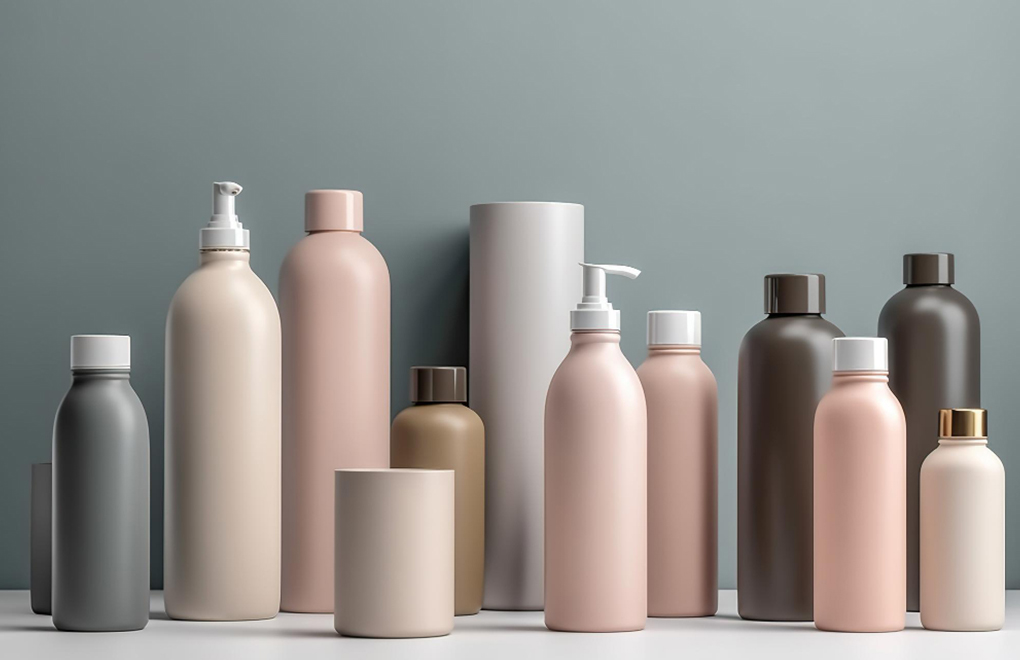
Matching packaging colors, typography, labels, and bottle styles can help create a recognizable product family while allowing each product to maintain its own identity.
Explore HODM Custom Packaging Options for packaging customization.
13. Choose the Right Hair Care Manufacturer
A reliable manufacturing partner is important for developing a consistent damaged hair care collection. Evaluate the manufacturer's formulation expertise, production capabilities, quality systems, and ability to support future product expansion.
Evaluate Formulation Experience
Look for experience with repair shampoos, conditioners, hair masks, leave-in treatments, and finishing products.
Review Manufacturing Capabilities
Ask about R&D facilities, mixing equipment, filling capabilities, packaging options, production capacity, and quality control procedures.
Understand MOQ and Production Costs
Confirm whether minimum order quantities apply per formula, SKU, fragrance, or packaging component. Request an itemized quotation that includes relevant development, manufacturing, packaging, and testing expenses.
Check Quality Systems and Communication
Review relevant certifications, batch documentation, quality procedures, testing responsibilities, lead times, and communication arrangements.
Continue reading How to Choose a Hair Care Manufacturer and explore OEM Hair Care Manufacturing.
14. Common Mistakes When Developing Damaged Hair Care Products
Using the Same Formula for Every Hair Type
Different hair types and concerns may require different cleansing and conditioning characteristics. Product development should begin with a clearly defined target customer.
Adding Too Many Ingredients
A longer ingredient list does not automatically create a better formula. Ingredients should have a clear purpose and be compatible with the complete formulation.
Ignoring Product Compatibility
Shampoos, conditioners, masks, and leave-in products should be evaluated individually and as part of the intended product routine.
Making Unsupported Repair Claims
Product claims should reflect demonstrated cosmetic performance. Avoid presenting ordinary cosmetic products as permanently repairing hair or restoring biological hair growth.
Choosing Packaging Before Formula Development
Packaging should be evaluated with the actual formula to ensure suitable dispensing, compatibility, and product protection.
Choosing a Manufacturer Based Only on Price
Consider formulation experience, testing, quality controls, communication, and long-term production support.
Frequently Asked Questions
What are the best hair care products for damaged hair?
Common product categories include repair shampoos, conditioners, intensive hair masks, leave-in conditioners, hair serums, and conditioning oils. The best combination depends on the target hair type and product positioning.
What ingredients are commonly used in damaged hair care products?
Common formulation ingredients include hydrolyzed proteins, panthenol, argan oil, conditioning polymers, selected silicones, glycerin, and other suitable conditioning agents. Their selection depends on the complete formula.
Is sulfate-free shampoo suitable for damaged hair?
Sulfate-free shampoos can be developed for damaged hair care routines. Their suitability depends on the complete surfactant system, cleansing performance, conditioning components, and intended frequency of use.
What is the difference between a conditioner and a hair mask?
Conditioners are commonly designed for regular conditioning and detangling, while hair masks are often developed with richer treatment-oriented formulas and different application routines.
Can I develop a private label damaged hair care collection?
Yes. Brands can develop private label repair shampoos, conditioners, hair masks, leave-in treatments, and serums using available or customized formulas, depending on the manufacturer's capabilities.
Can manufacturers provide product samples?
Sample availability depends on the product and project requirements. HODM can discuss sample arrangements so brands can evaluate formula characteristics, fragrance, texture, and application before making production decisions.
What is the MOQ for private label repair products?
MOQ varies by product category, formula, packaging, customization, and manufacturer. Confirm whether separate minimum quantities apply to formulas, SKUs, and packaging components.
How do I choose a manufacturer for damaged hair care products?
Compare formulation experience, R&D capabilities, quality control, testing, packaging options, MOQ, production capacity, and communication. Request samples and written quotations before selecting a partner.
Read our Hair Care Manufacturer Selection Guide.
Conclusion: Develop a Complete Damaged Hair Care Collection
Damaged hair care offers several product development opportunities for brands looking to build specialized hair care collections. Repair shampoos, conditioners, intensive masks, leave-in products, and serums can each serve a different role within a coordinated routine.
The most important step is to understand your target customers, select suitable ingredients, evaluate formula performance, and choose packaging that supports the intended product experience.
Rather than launching too many products immediately, begin with a focused collection that reflects your brand positioning and manufacturing capabilities.
With the right formulation strategy and manufacturing partner, brands can develop distinctive damaged hair care products for both professional and consumer markets.
Develop Your Own Hair Repair Product Line with HODM
HODM Cosmetics supports brands developing specialized hair repair products through OEM/ODM and private label manufacturing.
From repair shampoos and conditioners to intensive hair masks and leave-in treatments, our team can discuss formula options, ingredient requirements, packaging, samples, and production planning.
Whether you are launching a new repair collection or expanding an existing hair care brand, we can help you explore suitable manufacturing options.
Discuss Your Hair Repair Project