
Hair Mask Products: Market Trends, Formulation, and Development Guide for Brands
How Do Brands Develop Hair Mask Products?
Developing hair mask products requires identifying a target customer, selecting the right treatment benefits, choosing effective ingredients, creating and testing formulas, designing suitable packaging, and working with a reliable manufacturer for production. Successful hair mask brands focus on specific consumer needs such as damage repair, hydration, strengthening, curl care, and premium hair treatments rather than creating generic conditioning products.
For beauty entrepreneurs, private label brands, salon companies, and hair care manufacturers, hair masks offer strong opportunities because they are premium treatment products with high perceived value and strong bundling potential.
Hair masks have become one of the most attractive treatment categories in the modern hair care market.
Unlike daily-use shampoo and conditioner products, hair masks are positioned as intensive solutions designed to deliver visible improvements.
Consumers use hair masks for:
- Damage repair
- Deep hydration
- Hair strengthening
- Frizz control
- Curl definition
- Premium hair care routines
For brands, hair masks provide opportunities for:
- Higher product value perception
- Premium pricing
- Product bundling
- Strong marketing storytelling
This guide explains hair mask market trends, formulation strategies, development processes, and manufacturing considerations.
Why Hair Mask Products Are a Strong Opportunity for Brands
Hair masks are considered treatment-focused products, making them attractive for premium hair care positioning.
Business Advantages
| Advantage | Brand Opportunity |
|---|---|
| Premium perception | Higher pricing potential |
| Treatment positioning | Stronger differentiation |
| Routine integration | Repeat purchases |
| Easy bundling | Higher order value |
Consumer Problems Hair Masks Solve
- Dryness
- Hair damage
- Breakage
- Lack of softness
- Frizz
- Chemical treatment damage
Current Hair Mask Market Trends Brands Should Know
Consumers are moving from basic conditioning toward specialized treatments.
Major opportunities include:
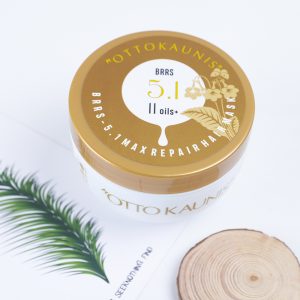
Max Repair Hair Mask
This max repair hair mask is a luxurious treatment that repairs and softens lifeless hair while promoting shine; its nutrient-rich, creamy formula offers intensive repair and a cashmere touch for all hair types.
- Size: 8.45 fl oz / 250 ml | 16.91 fl oz / 500 ml
- Key Ingredients: Argan Oil, Macadamia Oil, Jojoba Oil, Hydrolyzed Keratin, Ceramide NG
- Key Benefits: Intensive Repair, Hair Softening, Shine Enhancement, Strength Support, Smooth Finish
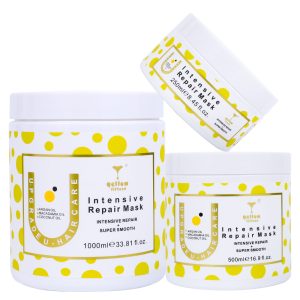
Intensive Repair Mask
This intensive repair mask is a smoothing, shine-boosting treatment for all hair types, promoting noticeable shine, smoothing for a cashmere touch, and conditioning to strengthen and protect damaged, brittle hair.
- Size: 8.45 fl oz / 250 ml | 16.91 fl oz / 500 ml | 33.81 fl oz / 1000 ml
- Key Ingredients: Argan Oil, Macadamia Oil, Coconut Oil, Hydrolyzed Keratin, Silk Extract
- Key Benefits: Intensive Repair, Shine Boosting, Hair Smoothing, Damage Protection, Strength Support
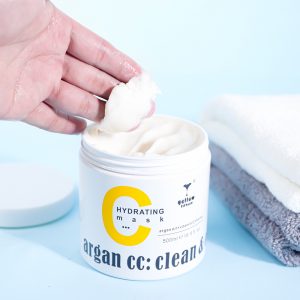
Hydrating Mask
This hydrating mask is a potent anti-aging treatment enriched with argan oil, vitamin C, and honey, providing repair, deep hydration, and oxidation protection; suitable for all hair types, it enhances suppleness and shine while promoting youthful-looking hair.
- Size: 8.45 fl oz / 250 ml | 16.91 fl oz / 500 ml | 33.81 fl oz / 1000 ml
- Key Ingredients: Argan Oil, Vitamin C, Honey Extract, Sunflower Oil, Propolis Extract
- Key Benefits: Deep Hydration, Hair Repair, Oxidation Protection, Shine Enhancement, Softness Boost
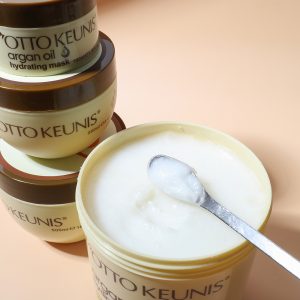
Argan Oil Hydrating Mask
This Argan oil hydrating mask provides lasting shine, smoothness, and softness while being 100% paraben-free; as a moisturizer, it prevents hair loss and delivers deep repair, leaving all hair types supple, shiny, and revitalized.
- Size: 8.45 fl oz / 250 ml | 16.91 fl oz / 500 ml | 33.81 fl oz / 1000 ml
- Key Ingredients: Argan Oil, Vitamin E, Hydrolyzed Conditioning Ingredients, Shea Butter, Coconut Oil
- Key Benefits: Deep Hydration, Hair Repair, Shine Enhancement, Smooth Finish, Softness Boost
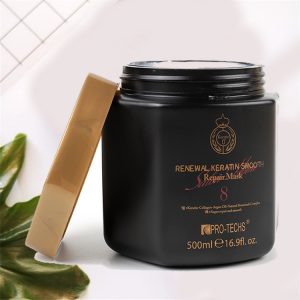
Renewal Keratin Smooth Repair Mask No.8
This keratin smooth repair mask is a luxurious treatment for damaged or brittle hair. Infused with a natural botanicals complex, it smooths the cuticle, locks in moisture, and helps hair reach optimal hydration.
- Size: 8.45 fl oz / 250 ml | 16.91 fl oz / 500 ml | 33.81 fl oz / 1000 ml
- Key Ingredients: Keratin, Argan Oil, Macadamia Oil, Lavender Oil, Rose Oil
- Key Benefits: Keratin Repair, Hair Smoothing, Deep Hydration, Damage Protection, Shine Enhancement
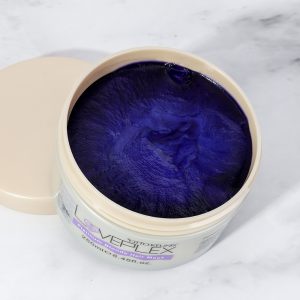
Platinum Blonde Hair Mask
This platinum blonde hair mask is an anti-aging formula rich in fatty acids and vitamins A and E, offering deep hydration and oxidation protection. Designed for blonde and brown hair, it maintains cool tones while reducing yellow for youthful hair.
- Size: 10.14 fl oz / 300 ml | 16.91 fl oz / 500 ml
- Key Ingredients: Argan Oil, Vitamin E, Fatty Acids, Conditioning Ingredients, Antioxidant Ingredients
- Key Benefits: Tone Correction, Yellow Reduction, Deep Hydration, Oxidation Protection, Shine Enhancement
Choosing Between Private Label and Custom Hair Mask Formulas
Manufacturing strategy affects investment, timeline, and differentiation.
Private Label Hair Mask
Uses existing manufacturer-developed formulas.
Advantages
- Faster launch
- Lower development costs
- Easier market testing
Best for:
- New brands
- Ecommerce businesses
- Startup companies
👉 Learn more in Private Label Hair Care: Complete Guide to Building a Profitable Hair Care Brand
Custom Hair Mask Formula
Developed specifically for your brand.
Advantages
- Unique product experience
- Better differentiation
- Premium positioning
Best for:
- Luxury brands
- Salon brands
- Retail-focused companies
👉 Learn more in Custom Formula vs Private Label Hair Care: Which Should You Choose?
Hair Mask Formulation Process Explained
Creating a successful hair mask requires careful formulation.
Step 1: Define Product Goals
Brands should determine:
- Target customer
- Hair concern
- Product benefits
- Market positioning
Example:
“Deep repair mask for chemically damaged hair.”
Step 2: Select Functional Ingredients
Formula developers evaluate:
Conditioning Ingredients
Support:
- Smoothness
- Detangling
- Hair feel
Oils and Emollients
Provide:
- Nourishment
- Shine
- Softness
Examples:
- Argan oil
- Coconut oil
- Jojoba oil
Repair Ingredients
Support:
- Strengthening positioning
- Damage care
Botanical Ingredients
Used for:
- Natural positioning
- Clean beauty products
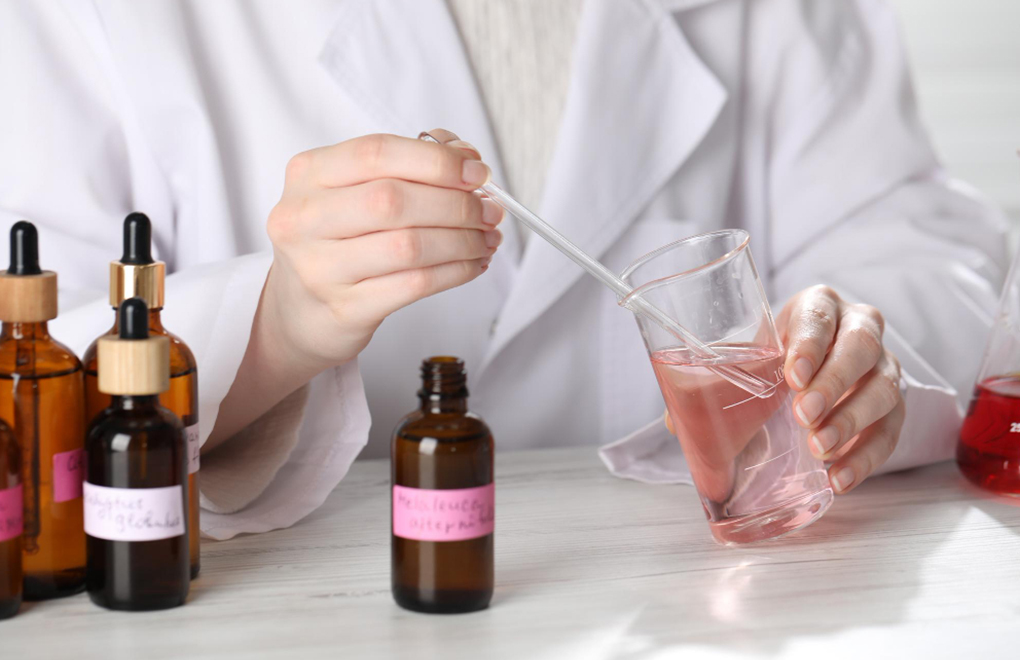
Step 3: Create Laboratory Samples
Samples are developed and evaluated.
Brands review:
- Texture
- Thickness
- Fragrance
- Application experience
- Hair feel after use
Step 4: Optimize Formula Performance
Adjustments may include:
- Moisture level
- Absorption
- Rinse feel
- Product texture
- Sensory experience
👉 Learn more in How Hair Care Factories Develop Custom Formulas: From Concept to Production
Hair Mask Product Testing Requirements
Before production, hair masks require quality testing.
Common Testing Includes:
- Stability testing
- Microbial testing
- Safety evaluation
- Packaging compatibility testing
Testing Helps Ensure:
- Product safety
- Shelf stability
- Consistent quality
👉 Learn more in Hair Care Product Testing Requirements Explained: Safety, Stability, Microbial, and Compliance Testing
Hair Mask Packaging Development
Packaging affects:
- Premium perception
- Customer experience
- Retail appearance
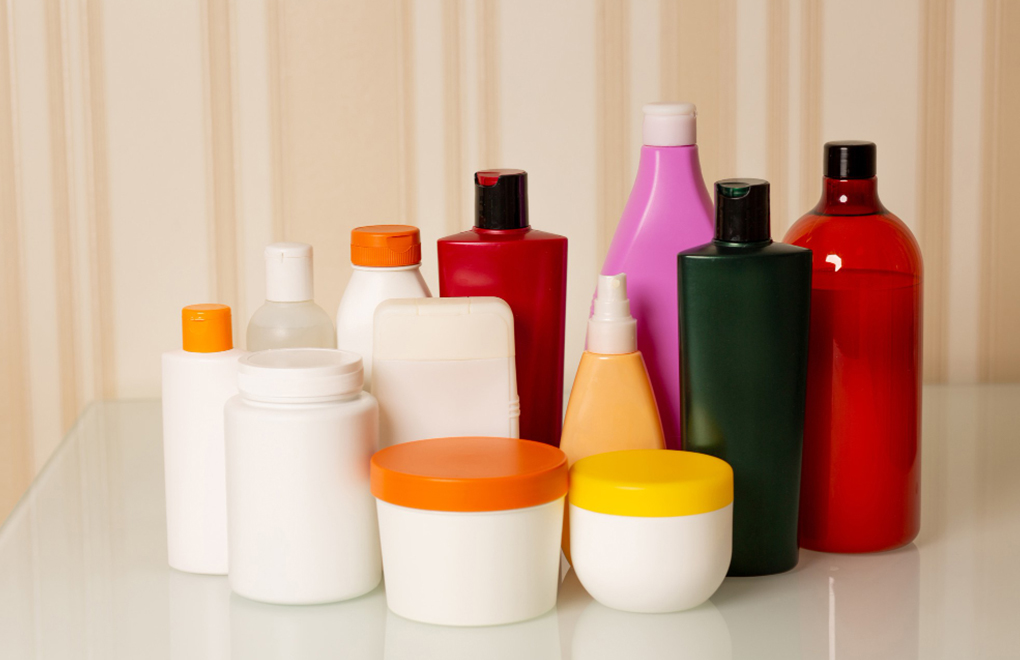
Common Hair Mask Packaging
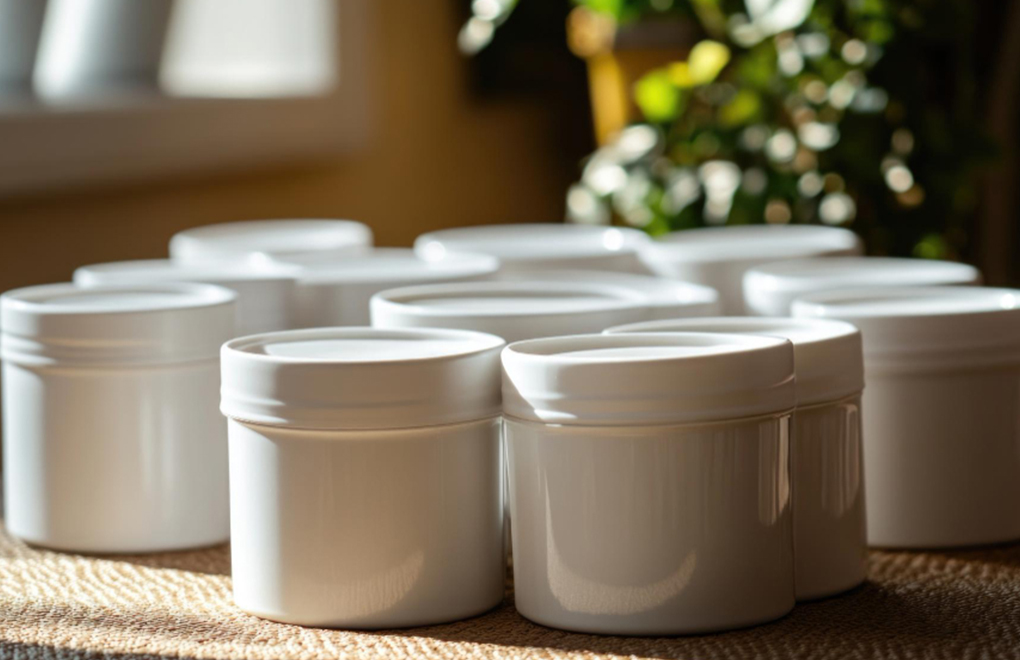
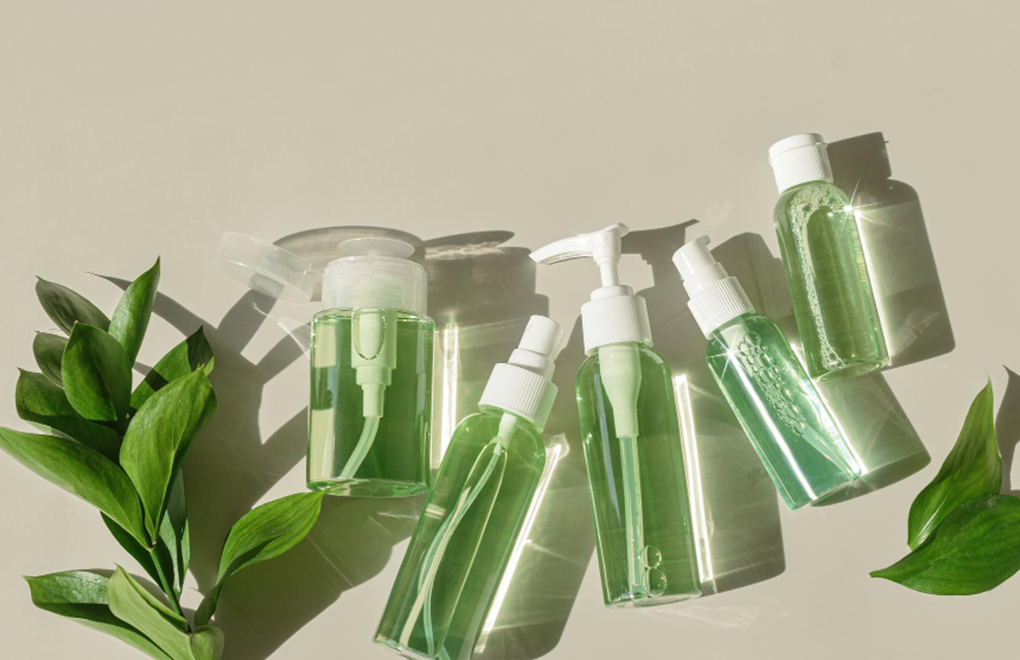
- Jars
- Tubes
- Wide-mouth containers
- Premium packaging systems
Packaging Considerations
Brands should evaluate:
- Material compatibility
- User convenience
- Sustainability
- Label requirements
👉 Learn more in Custom Hair Care Packaging: How to Choose Bottles, Tubes, and Jars for Your Brand
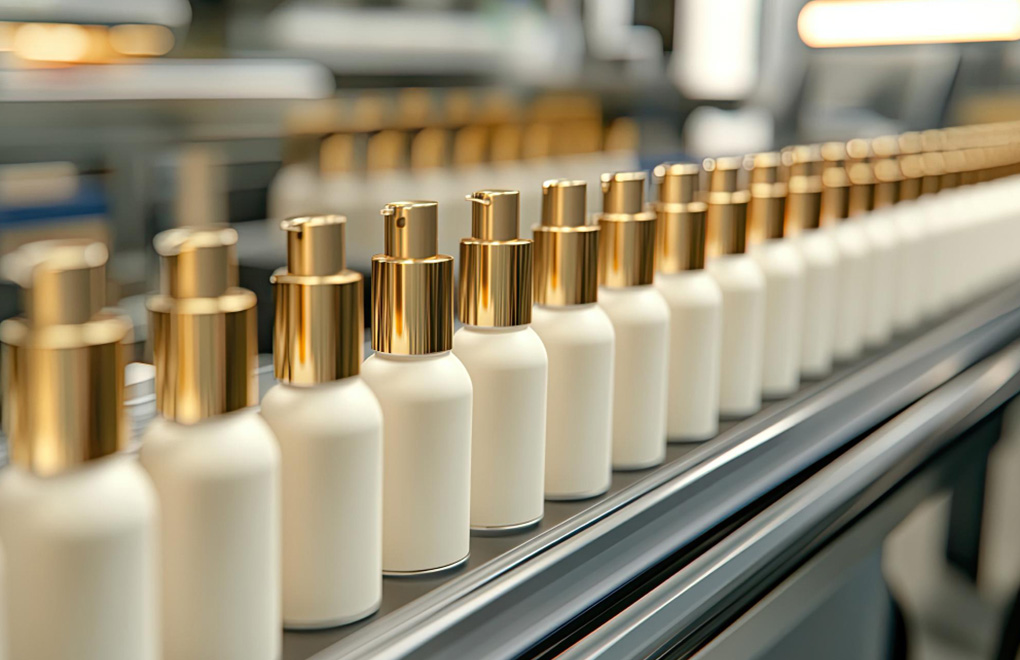
Hair Mask Manufacturing Process
A typical production process includes:
Raw Material Preparation
↓
Formula Mixing
↓
Quality Inspection
↓
Filling
↓
Packaging
↓
Finished Product Testing
How Much Does It Cost to Develop Hair Mask Products?
Costs depend on:
- Formula complexity
- Ingredients
- Packaging
- MOQ
- Testing requirements
Main Cost Factors
| Factor | Impact |
|---|---|
| Custom formula | Higher development cost |
| Premium ingredients | Higher material cost |
| Luxury packaging | Higher investment |
| Larger MOQ | Lower unit cost |
👉 Learn more in Custom Hair Care Product Cost Breakdown: Formula, Packaging, and Manufacturing Explained
How Brands Should Launch Hair Mask Products
A successful launch requires clear positioning.
Create a Specific Product Identity
Examples:
Instead of:
“Hair Mask”
Position as:
“Professional Bond Repair Treatment for Damaged Hair”
Build Product Systems
Hair masks work well with complete routines.
Example:
Repair System:
- Repair Shampoo
- Repair Conditioner
- Hair Mask
- Hair Serum
Choose Sales Channels
Options:
- Shopify
- Amazon
- Salons
- Retail stores
👉 Learn more in Selling Hair Care Products Online vs Retail: Which Is Better for Your Brand?
Common Mistakes When Developing Hair Mask Products
Mistake #1: Creating Generic Treatment Products
Generic products struggle with differentiation.
Mistake #2: Using Too Many Ingredients Without Purpose
Effective formulas focus on performance, not ingredient quantity.
Mistake #3: Ignoring Target Hair Types
Different consumers need different solutions.
Mistake #4: Choosing Manufacturers Only by Price
Quality and consistency determine long-term success.
Why Work with HODM?
HODM helps brands develop hair mask products from concept to production.
HODM Services
- Private label hair masks
- Custom hair mask formulas
- OEM manufacturing
- ODM development
- Packaging solutions
- Product testing
- Global export support
We help brands create premium treatment products for modern hair care consumers.
FAQ
Are hair mask products profitable for new brands?
Yes. Hair masks often have strong profit potential because they are positioned as premium treatments with higher perceived value.
What type of hair masks have the best market opportunity?
Damage repair masks, hydration masks, curl care masks, and professional treatment masks are among the strongest opportunities.
Should I choose private label or custom hair mask formulation?
Private label is suitable for faster launches, while custom formulas help brands create unique products and stronger differentiation.
How long does it take to develop a hair mask product?
The timeline depends on formula complexity, testing requirements, packaging, and production planning.
What ingredients are commonly used in hair masks?
Common ingredients include oils, conditioning agents, proteins, botanical extracts, and moisturizing ingredients.
Can hair masks be sold internationally?
Yes. Brands can sell internationally but must consider local regulations, labeling requirements, and market preferences.
Conclusion
Hair mask products represent a strong opportunity for brands because they combine premium positioning, treatment benefits, and strong consumer demand.
The biggest opportunities come from:
- Damage repair
- Deep hydration
- Professional treatments
- Curl care
- Premium beauty positioning
Brands that combine effective formulas, strong packaging, reliable manufacturing, and clear positioning can build successful hair mask product lines.
Develop Your Hair Mask Products with HODM
HODM supports brands with:
- Private label hair masks
- Custom formulations
- OEM manufacturing
- Packaging development
- Testing support
- Global production solutions
Contact HODM to create your next hair treatment product line.