

Manufacturer Guide
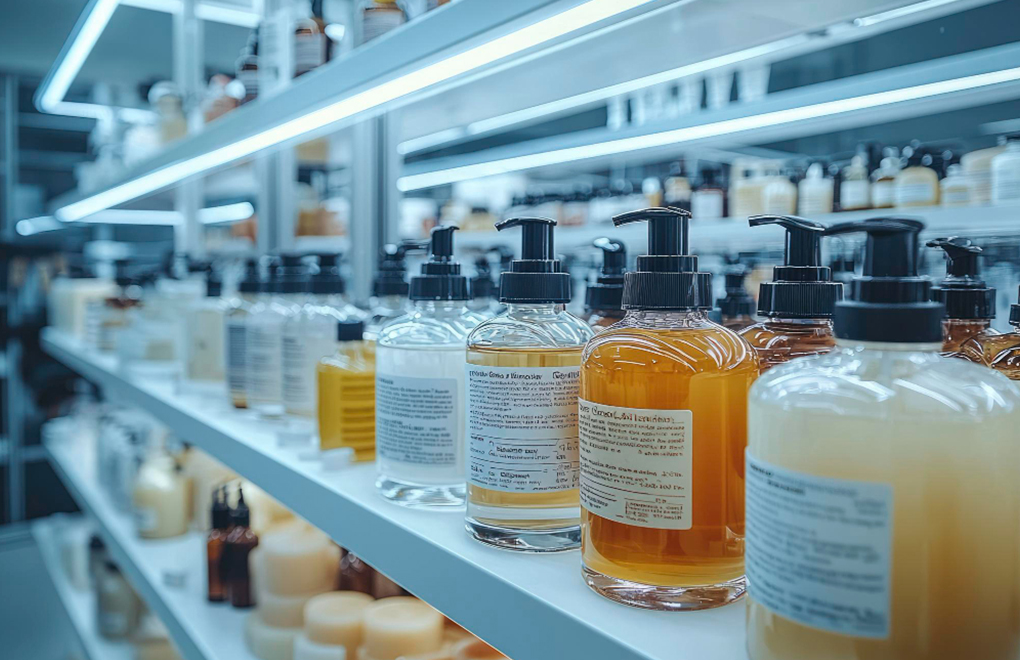
Best Custom Hair Care Manufacturers for Brands in 2027
What Are the Best Custom Hair Care Manufacturers for Brands?
The best custom hair care manufacturers help brands develop products from an original concept rather than...
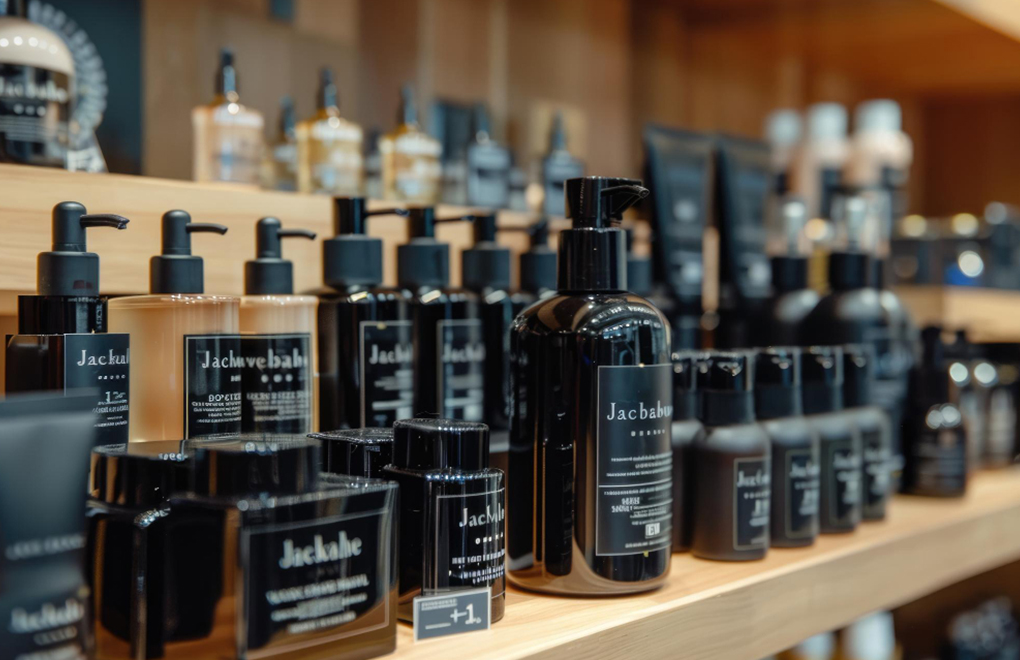
Top 12 Private Label Hair Care Manufacturers to Know in 2027
What Are the Best Private Label Hair Care Manufacturers in 2027?
The best private label hair care manufacturers in 2027 include companies that offer ready-to-brand formulas,...
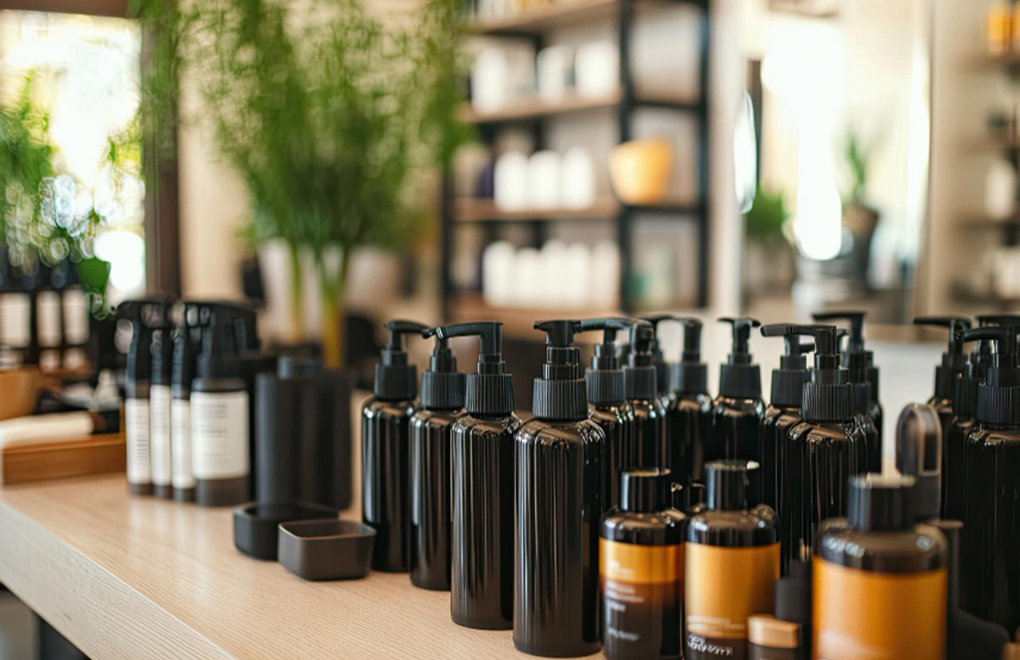
10 Best Hair Care Manufacturers in 2027: Top Companies for Private Label & Custom Brands
What Are the Best Hair Care Manufacturers in 2027?
The best hair care manufacturers in 2027 include HODM Cosmetics, RainShadow Labs, HSA Cosmetics, Ausmetics, Dynamic Blending,...
What Happens After You Contact a Hair Care Manufacturer? A Step-by-Step Process Guide
What Happens After Contacting a Hair Care Manufacturer?
After contacting a hair care manufacturer, the typical process includes project discussion, product requirement review, formula and packaging...
What Information Should You Prepare Before Requesting a Hair Care Manufacturing Quote?
What Information Should You Provide Before Requesting a Hair Care Manufacturing Quote?
Before requesting a hair care manufacturing quote, brands should prepare information about their product...
How to Build a Long-Term Partnership with Your Hair Care Manufacturer
How Do You Build a Long-Term Partnership with a Hair Care Manufacturer?
Building a long-term partnership with a hair care manufacturer requires clear communication, mutual trust,...

Red Flags When Working with a Hair Care Supplier: What Brands Should Watch For
What Are the Biggest Red Flags When Choosing a Hair Care Supplier?
The biggest red flags when choosing a hair care supplier include unclear pricing, lack...

How to Evaluate a Hair Care Manufacturer Before Signing a Contract
How Do You Evaluate a Hair Care Manufacturer Before Signing a Contract?
To evaluate a hair care manufacturer before signing a contract, brands should review the...
Questions to Ask Before Choosing a Hair Care Manufacturer
What Questions Should You Ask Before Choosing a Hair Care Manufacturer?
Before choosing a hair care manufacturer, brands should ask about manufacturing capabilities, formula development, quality...

How to Export Hair Care Products to Australia: A Complete Guide for Brands
How Do You Export Hair Care Products to Australia?
To export hair care products to Australia, brands must comply with Australian cosmetic regulations, ensure ingredient safety,...
How to Export Hair Care Products to Canada: A Complete Guide for Brands
How Do You Export Hair Care Products to Canada?
To export hair care products to Canada, brands must comply with Canadian cosmetic regulations, including Health Canada...
How to Export Hair Care Products to Europe: A Complete Guide for Brands
How Do You Export Hair Care Products to Europe?
To export hair care products to Europe, brands must comply with EU cosmetic regulations, including product safety...

How Much Inventory Should a New Hair Care Brand Order? A Complete Guide for Startups
How Much Inventory Should a New Hair Care Brand Order?
A new hair care brand should usually order enough inventory to cover initial market testing, launch...
Stock Formulas vs Custom Formulas: Which Offers Better Value for Hair Care Brands?
Stock Formula vs Custom Formula Hair Care—Which Is Better?
Stock formulas are pre-developed hair care formulas created by manufacturers that allow brands to launch products faster...
Custom Formula vs Private Label Hair Care: Which Should You Choose?
Custom Formula vs Private Label Hair Care—Which Is Better?
Custom formula hair care allows brands to develop unique products with customized ingredients, performance, fragrance, texture, and...