
What Happens After You Contact a Hair Care Manufacturer? A Step-by-Step Process Guide
What Happens After Contacting a Hair Care Manufacturer?
After contacting a hair care manufacturer, the typical process includes project discussion, product requirement review, formula and packaging evaluation, quotation preparation, sample development, testing, approval, production, quality inspection, and delivery. A professional manufacturer guides brands through each stage, from the initial inquiry to finished products, ensuring the final product meets quality, compliance, and business requirements.
Understanding the manufacturing process helps brands know what to expect, prepare the right information, and build a more efficient partnership.
Contacting a hair care manufacturer is the first step toward turning your product idea into a real product.
However, many new brands do not know what happens next.
After submitting an inquiry, the process usually involves:
- Project discussion
- Product requirement confirmation
- Quotation
- Formula selection or development
- Sample approval
- Packaging preparation
- Production
- Quality inspection
- Shipment
Understanding each stage helps brands prepare better and avoid unnecessary delays.
Step 1: Initial Inquiry Review and Project Discussion
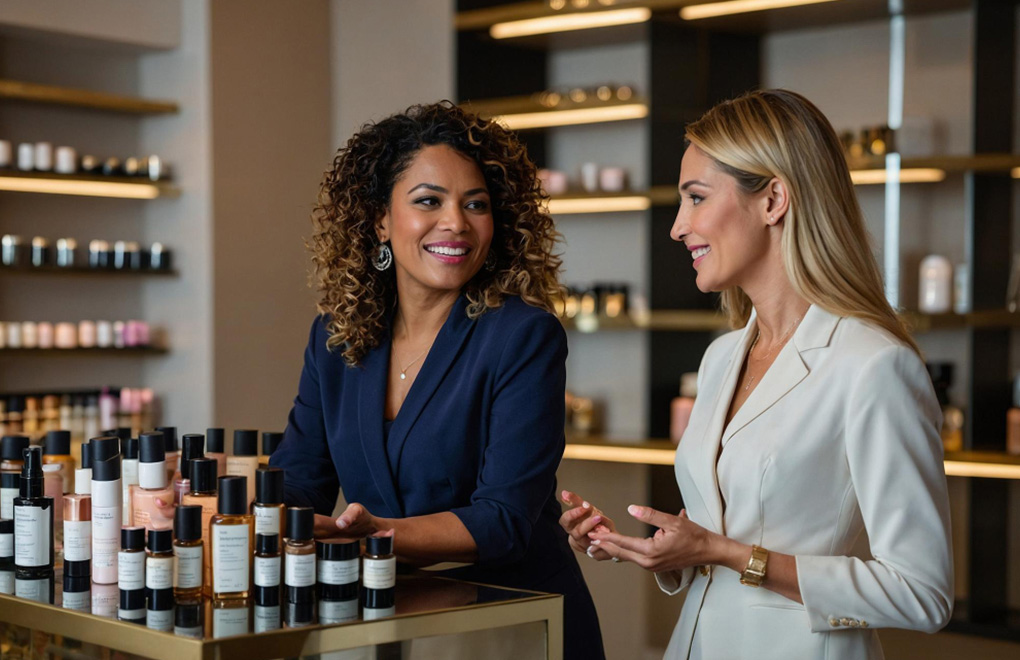
After receiving your inquiry, the manufacturer will review your project requirements.
They usually evaluate:
- Product category
- Target market
- Order quantity
- Formula requirements
- Packaging needs
- Timeline
The Manufacturer May Ask:
- What products do you want to develop?
- Who is your target customer?
- Which country will you sell in?
- Do you need private label or custom formulation?
- What quantity are you planning?
A detailed inquiry helps create a more accurate solution.
👉 Learn more in What Information Should You Prepare Before Requesting a Hair Care Manufacturing Quote?
Step 2: Product Requirements Confirmation
After understanding your project, the manufacturer will confirm product details.
Key Information Includes:
Product Type
Examples:
- Shampoo
- Conditioner
- Hair mask
- Hair oil
- Hair serum
- Scalp treatment
Product Positioning
Examples:
- Premium salon product
- Clean beauty brand
- Amazon brand
- Professional hair care
Target Customer
Examples:
- Women with damaged hair
- Curly hair consumers
- Salon customers
- Beauty enthusiasts
Clear positioning helps create better products.
Step 3: Choosing the Right Manufacturing Model
The manufacturer will help determine the best production approach.
Private Label
Process:
Choose existing formula
↓
Customize branding
↓
Production
Best for:
- Fast launch
- Lower investment
- New brands
ODM Development
Process:
Existing formula improvement
↓
Customization
↓
Production
Best for:
- Faster differentiation
OEM Custom Formula
Process:
Product concept
↓
Formula development
↓
Testing
↓
Production
Best for:
- Unique products
- Premium brands
👉 Learn more in OEM vs ODM Hair Care: Key Differences, Advantages, and How to Choose the Right Model
Step 4: Formula Discussion and Development
Once product requirements are confirmed, formula development begins.
For Stock Formulas:
The manufacturer provides:
- Existing formula options
- Ingredient details
- Product samples
For Custom Formulas:
The process includes:
- Ingredient selection
- Formula development
- Sample creation
- Performance adjustment
Brands Usually Review:
- Texture
- Fragrance
- Appearance
- Product performance
👉 Learn more in How Hair Care Factories Develop Custom Formulas: From Concept to Production
Step 5: Receiving and Testing Product Samples
Samples allow brands to evaluate the product before mass production.
Sample Evaluation Includes:
- Formula performance
- Fragrance
- Texture
- Packaging compatibility
- User experience
Common Sample Process:
First sample
↓
Brand feedback
↓
Formula adjustment
↓
Final approval
Multiple revisions may be needed for custom products.
Step 6: Packaging Selection and Development
After formula approval, packaging is finalized.
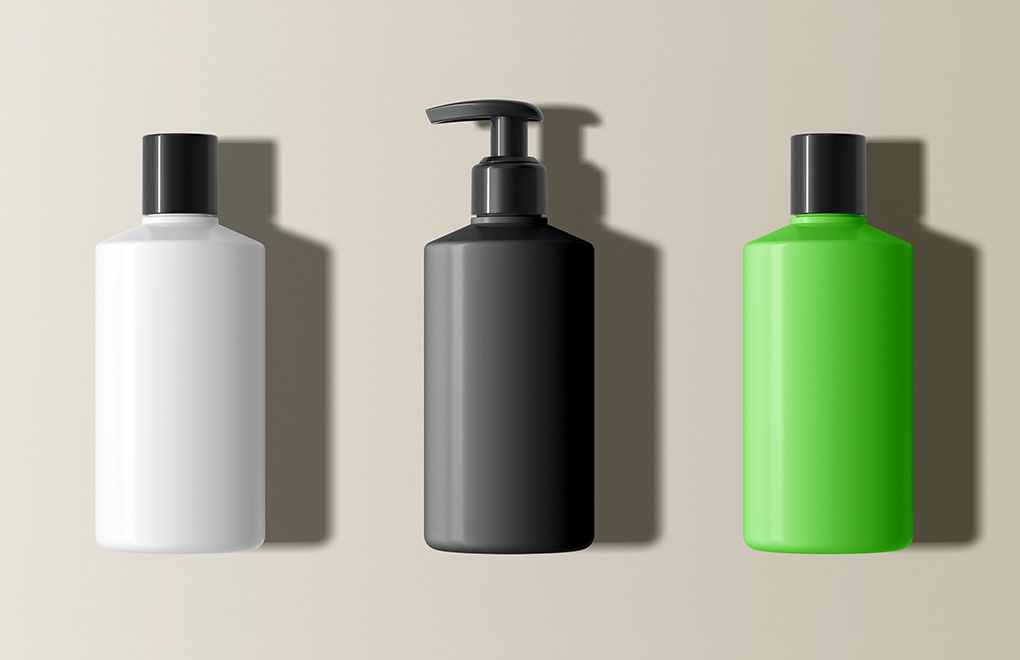
Packaging Options Include:
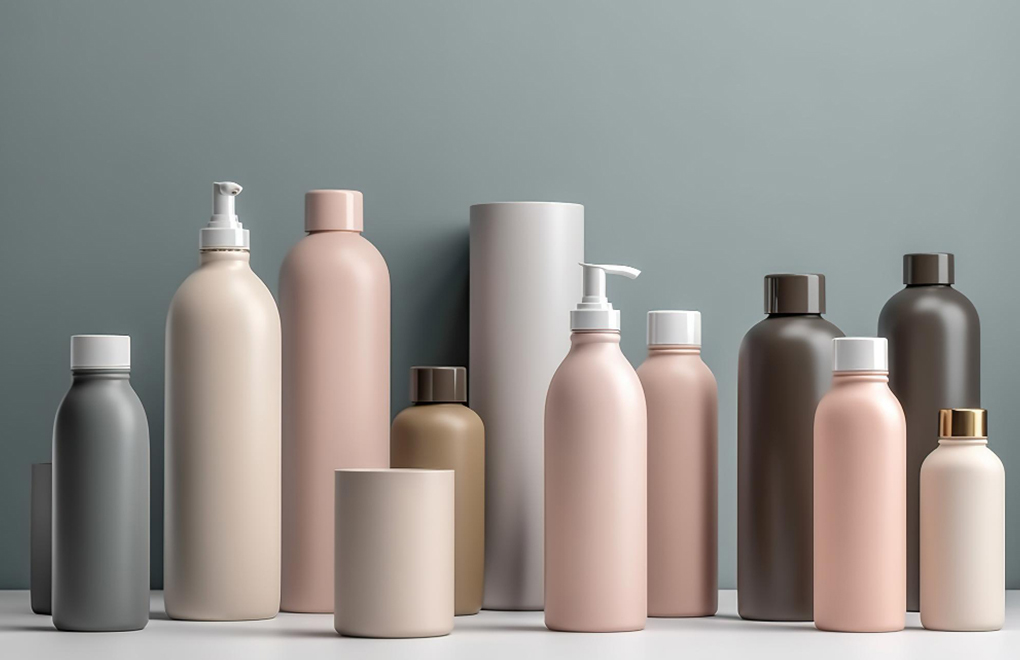
- Standard bottles
- Custom bottles
- Jars
- Tubes
- Pumps
- Boxes
Packaging Process:
Select packaging
↓
Confirm design
↓
Create samples
↓
Approve final version
Packaging decisions affect:
- Cost
- Timeline
- Brand appearance
👉 Learn more in Custom Hair Care Packaging: How to Choose Bottles, Tubes, and Jars for Your Brand
Step 7: Testing and Compliance Preparation
Before production, products need quality and safety evaluation.
Common Testing Includes:
- Stability testing
- Microbial testing
- Safety testing
- Packaging compatibility testing
Compliance Preparation May Include:
- Ingredient review
- Label review
- Market requirements
Examples:
- FDA requirements
- EU cosmetic requirements
- International export standards
👉 Learn more in Hair Care Product Testing Requirements Explained: Safety, Stability, Microbial, and Compliance Testing
Step 8: Final Quote Confirmation and Production Planning
After product details are finalized, the manufacturer provides the final quotation.
The quote usually includes:
- Product cost
- Packaging cost
- MOQ
- Testing costs
- Production timeline
Brands Should Confirm:
- Final formula
- Packaging
- Quantity
- Delivery schedule
- Payment terms
Step 9: Manufacturing Production Begins
Once everything is approved, production starts.
Manufacturing Process Usually Includes:
Raw Material Preparation
↓
Formula Mixing
↓
Quality Inspection
↓
Filling
↓
Labeling
↓
Packaging
↓
Finished Product Inspection
Step 10: Quality Control Before Shipment
Before products leave the factory, quality checks are performed.
Quality Inspection Includes:
- Appearance
- Packaging
- Quantity
- Product consistency
- Batch information
Why This Matters
Quality control helps prevent:
- Customer complaints
- Returns
- Market problems
👉 Learn more in How to Evaluate a Hair Care Manufacturer Before Signing a Contract
Step 11: Shipping and Delivery
After production approval, products are prepared for shipment.
Shipping Preparation Includes:
- Export documents
- Packing
- Logistics arrangement
- Customs preparation
International Brands Should Consider:
- Shipping time
- Import requirements
- Warehouse planning
👉 Learn more in How to Export Hair Care Products to Europe: A Complete Guide for Brands
Step 12: Post-Launch Support and Long-Term Partnership
The relationship does not end after delivery.
A strong manufacturer continues supporting brands through:
- Product improvements
- New product development
- Reorders
- Production scaling
Long-Term Collaboration Includes:
- Sales feedback
- Formula updates
- Cost optimization
- Product expansion
👉 Learn more in How to Build a Long-Term Partnership with Your Hair Care Manufacturer
Complete Hair Care Manufacturing Timeline
| Stage | Typical Process |
|---|---|
| Inquiry | Project discussion |
| Quote | Cost evaluation |
| Formula | Selection or development |
| Samples | Testing and feedback |
| Packaging | Design approval |
| Testing | Quality verification |
| Production | Manufacturing |
| Delivery | Shipment |
Timeline depends on:
- Product complexity
- Customization level
- Testing requirements
- Order quantity
Common Mistakes After Contacting a Manufacturer
Mistake #1: Providing Too Little Information
Incomplete details create inaccurate quotes.
Mistake #2: Changing Requirements Frequently
Frequent changes increase:
- Costs
- Development time
- Production delays
Mistake #3: Choosing Only Based on Price
The cheapest quote may not provide the best value.
Mistake #4: Not Preparing for Long-Term Growth
Choose a manufacturer that can support future expansion.
How HODM Supports Brands From Inquiry to Production
HODM provides complete hair care manufacturing support.
Our Process Includes:
- Product consultation
- Formula development
- Sample creation
- Packaging support
- Testing assistance
- Mass production
- Export support
We help brands move from ideas to finished hair care products.
FAQ
How long after contacting a hair care manufacturer will I receive a quote?
The timeline depends on project complexity and the information provided. Detailed product requirements usually help manufacturers respond faster.
What information will a manufacturer ask after my first inquiry?
Manufacturers usually ask about product type, target market, quantity, formula requirements, packaging preferences, and launch timeline.
Do I need a formula before contacting a manufacturer?
No. Many manufacturers provide formula development and OEM/ODM services for brands without existing formulas.
How many samples can I request before production?
The number of samples and revisions depends on the manufacturer and project complexity. Custom formulas often require multiple adjustments.
How long does the entire manufacturing process take?
The timeline varies depending on customization, testing, packaging, and production requirements. Private label products are usually faster than fully custom formulas.
Can a manufacturer help after products are launched?
Yes. Many manufacturers provide ongoing support including reorders, product improvements, and new product development.
Conclusion
After contacting a hair care manufacturer, the process involves much more than receiving a price quote. Successful product development requires collaboration through product planning, formula development, sampling, testing, production, and delivery.
Brands that understand the process can communicate more effectively, avoid delays, and build stronger partnerships with manufacturers.
Start Your Hair Care Manufacturing Project with HODM
HODM supports brands with:
- Private label hair care products
- OEM custom formulas
- ODM development
- Packaging solutions
- Testing support
- Global manufacturing
Contact HODM to begin your hair care product journey.