

Best Hair Care Products to Sell in 2027: Top Categories for Brands
Choosing the right hair care products is one of the most important decisions when building a beauty brand. The product category you select influences your target customers, manufacturing costs, retail price, packaging requirements, marketing strategy, and potential for repeat purchases.
In 2027, brands should look beyond traditional shampoo and conditioner collections. Targeted hair treatments, scalp care, hair serums, leave-in products, and specialized solutions for different hair types offer additional directions for product development.
However, a popular category does not automatically guarantee a profitable product. The strongest opportunities usually emerge when a brand identifies a specific customer need, develops a differentiated product, and builds a pricing and distribution strategy around it.
For startups, private label businesses, salon brands, and established beauty companies, the objective is to select products that match both market demand and manufacturing capabilities.
This guide explores the hair care categories worth evaluating for 2027, the factors that influence their commercial potential, and how brands can turn product ideas into a focused, manufacturable collection.
What Makes a Hair Care Product Worth Selling in 2027?
Before selecting a category, brands should evaluate more than market popularity.
1. Clear Consumer Demand
Products addressing recognizable needs, such as dryness, damage, frizz, scalp buildup, or curl definition, can be easier to position than products with vague benefits.
2. Differentiation Potential
A brand needs a reason for customers to choose its product over existing alternatives. Differentiation can come from formula performance, texture, fragrance, packaging, target hair type, or a distinctive product routine.
3. Repeat Purchase Potential
Products used regularly may create opportunities for repeat orders. Shampoo, conditioner, leave-in treatments, and certain scalp care products can fit into recurring routines, although actual repurchase rates depend on customer satisfaction and usage patterns.
4. Pricing and Cost Structure
A higher retail price does not necessarily mean higher profit. Brands need to account for manufacturing, packaging, shipping, marketing, fulfillment, marketplace fees, and discounts.
5. Manufacturing Feasibility
A promising concept must also be practical to produce. Ingredient availability, formula complexity, packaging compatibility, testing requirements, and minimum order quantities can all affect launch decisions.
1. Scalp Care Products: A Category Worth Watching
Scalp care is becoming a more prominent part of hair care routines, with products extending beyond conventional shampoo into targeted treatments and leave-on formats.
Euromonitor has identified scalp health and skin-care-inspired formulations as important areas of hair care innovation. Its analysis highlights increasing interest in scalp serums and products using ingredients traditionally associated with skin care. <Cite refs={[“turn471800search8″,”turn471800search0”]}/>
Products Brands Can Develop
- Scalp serums and tonics
- Clarifying shampoos
- Scalp scrubs and exfoliating treatments
- Lightweight scalp moisturizers
- Pre-wash scalp treatments
- Oil-control and hydration-focused products
Why This Category May Offer Opportunities
Scalp care gives brands a way to target more specific consumer needs than general cleansing alone.
For example, a brand could develop a clarifying line for consumers concerned about product buildup or a lightweight scalp care range designed around hydration and comfort.
Different product formats also create opportunities to build a coordinated routine.
Formulation and Positioning Considerations
Brands should define the intended scalp concern before selecting ingredients and product formats.
A rinse-off clarifying shampoo has different formulation requirements from a leave-on scalp serum. Texture, application method, ingredient compatibility, preservation, and packaging all need to be considered.
Claims relating to treating scalp disorders or preventing hair loss require additional regulatory review. Cosmetic positioning should be supported by appropriate evidence and comply with the target market’s rules.
Best suited for: Scalp-focused beauty brands, premium treatment collections, ecommerce businesses, and companies looking to develop specialized hair care routines.

2. Hair Serums: Targeted Care and Premium Positioning
Hair serums offer brands opportunities to develop products around specific benefits rather than competing solely on everyday cleansing.
Depending on the formula and intended use, a serum may focus on smoothness, shine, frizz control, heat protection, hair manageability, or scalp care.
Products Brands Can Develop
- Anti-frizz hair serums
- Shine-enhancing serums
- Lightweight repair treatments
- Heat-protection serums
- Scalp serums
- Leave-on conditioning serums
Why This Category May Be Attractive
Serums can support focused product positioning and clear benefit-led marketing.
Their smaller packaging formats may also make them suitable for premium collections, travel sizes, bundles, and add-on purchases.
However, the product must deliver a meaningful user experience. A high price alone does not create premium value.
Formulation Considerations
Hair serums vary significantly in composition. Some are oil-based, while others use water-based, silicone-based, or emulsion systems.
The formulation should match the intended result, whether that is a lightweight finish, smoother hair, improved combability, or scalp application.
Brands should also evaluate packaging compatibility, dispensing performance, stability, and the potential for residue or buildup.
Best suited for: Premium hair care brands, treatment-focused collections, salon businesses, and ecommerce brands seeking specialized product formats.

3. Hair Oils: Botanical Positioning and Finishing Care
Hair oils remain a versatile category because they can be developed for different routines, hair types, and positioning strategies.
A hair oil may be marketed for shine, softness, manageability, pre-wash conditioning, or finishing care. The intended use should determine the formula and packaging.
Products Brands Can Develop
- Lightweight finishing oils
- Pre-wash treatment oils
- Botanical oil blends
- Curl-focused hair oils
- Hair oils for dry or coarse hair
- Premium salon finishing products
Why Hair Oils May Offer Opportunities
Hair oils can fit naturally into botanical, luxury, textured-hair, and professional styling collections.
They can also complement shampoo, conditioner, masks, and serums as part of a coordinated product line.
For brands, the opportunity lies in defining the oil’s purpose rather than simply adding familiar ingredients to a generic formula.
Formulation Considerations
Oil selection affects texture, spreadability, absorption feel, fragrance, oxidation stability, and cost.
Brands should consider the balance between conditioning performance and heaviness, particularly for consumers with fine hair.
Packaging must also protect the product and provide a convenient application experience.
Best suited for: Botanical beauty brands, premium hair care collections, curly and textured hair brands, and salon finishing ranges.

4. Hair Masks and Deep Conditioning Treatments
Hair masks can complement everyday shampoo and conditioner products by offering a more intensive conditioning step.
They are particularly relevant to collections targeting dry-feeling hair, color-treated hair, heat styling, and improved manageability.
Products Brands Can Develop
- Hydrating hair masks
- Deep conditioning treatments
- Color-care masks
- Curl-focused masks
- Protein-containing conditioning treatments
- Salon-inspired repair masks
Why This Category May Be Attractive
Hair masks can help brands build a more complete routine and offer a treatment-oriented product alongside daily-use essentials.
They may also support bundle sales, such as a shampoo, conditioner, and mask collection.
The opportunity depends on formula performance, packaging, retail positioning, and the brand’s ability to communicate the product’s role clearly.
Formulation Considerations
A mask’s performance depends on its conditioning system, emollients, texture, application time, rinseability, and compatibility with the target hair type.
Brands should avoid assuming that more oils or proteins automatically produce a better product. The formula needs to balance conditioning, softness, manageability, and the intended sensory experience.
Best suited for: Premium hair care brands, salon collections, repair-focused lines, and businesses developing multi-product routines.

5. Leave-In Conditioners and Multi-Benefit Treatments
Leave-in products offer convenience because they can provide conditioning or styling support without requiring rinsing.
They are relevant to consumers who want easier detangling, frizz management, curl definition, or protection during styling.
Products Brands Can Develop
- Leave-in conditioners
- Detangling sprays
- Curl-defining creams
- Lightweight hair milks
- Heat-protection leave-ins
- Multi-benefit conditioning sprays
Why This Category May Offer Opportunities
Leave-in products can fit into daily routines and can be paired with shampoo, conditioner, masks, and styling products.
They also allow brands to target particular hair textures and styling habits.
For example, a curl-focused brand might combine a leave-in conditioner with a curl cream and styling gel instead of launching unrelated products.
Formulation Considerations
The key challenge is balancing conditioning performance with a lightweight finish.
Brands should consider hair density, curl pattern, application method, fragrance, sprayability where relevant, and the risk of buildup.
Claims relating to heat protection or specific performance outcomes should be substantiated with appropriate testing.
Best suited for: Curly hair brands, textured-hair collections, salon brands, and businesses developing everyday treatment routines.

6. Specialized Shampoo and Conditioner
Although targeted treatments attract attention, shampoo and conditioner remain important foundations for many hair care collections.
The opportunity is not necessarily to launch another generic cleansing product. It is to develop a clear concept around a specific consumer need.
Product Directions Worth Evaluating
- Hydrating shampoo and conditioner
- Color-care systems
- Clarifying shampoo
- Curl-focused cleansing and conditioning
- Volumizing products
- Sulfate-free cleansing systems
- Repair-oriented shampoo and conditioner
Why These Products Still Matter
Shampoo and conditioner are familiar products that can anchor a broader routine.
They may also provide a natural starting point for a brand that wants to expand into masks, leave-in treatments, or styling products later.
A coordinated system can make the collection easier to understand and give customers a clear reason to purchase complementary products.
Formulation Considerations
Shampoo formulation requires attention to cleansing performance, foam, rinseability, scalp compatibility, fragrance, and conditioning needs.
Conditioners rely on appropriate conditioning agents, emollients, and formulation structure to deliver the intended slip, softness, and manageability.
The best formula depends on the target user and product positioning, not simply on whether a particular ingredient is trending.
Best suited for: New brands building a core collection, salon businesses, everyday hair care lines, and companies seeking products with clear replenishment use cases.
7. Hair Styling Products: Hold, Texture, and Finish
Styling products give brands another way to differentiate themselves through performance and user experience.
They can serve consumers looking for flexible hold, defined curls, volume, shine, texture, or a specific finish.
Products Brands Can Develop
- Hair wax and pomade
- Styling creams
- Curl creams
- Hair gels
- Hair sprays
- Texture sprays
- Heat-protection styling products
Why This Category May Offer Opportunities
Styling products can target specific routines and customer groups, including men’s grooming, professional salons, curly hair, and everyday styling.
The category also offers multiple product formats, from creams and gels to sprays and waxes.
A brand can differentiate itself through hold level, finish, texture, fragrance, washability, or suitability for particular hair types.
Formulation Considerations
Different styling formats require different formulation and packaging systems.
For example, a hair wax must deliver the intended hold and finish, while a spray must provide suitable dispensing and application characteristics.
Brands should test the product’s performance under realistic use conditions rather than relying solely on ingredient descriptions.
Best suited for: Men’s grooming brands, salon collections, styling-focused businesses, and brands targeting defined hair textures or styling techniques.

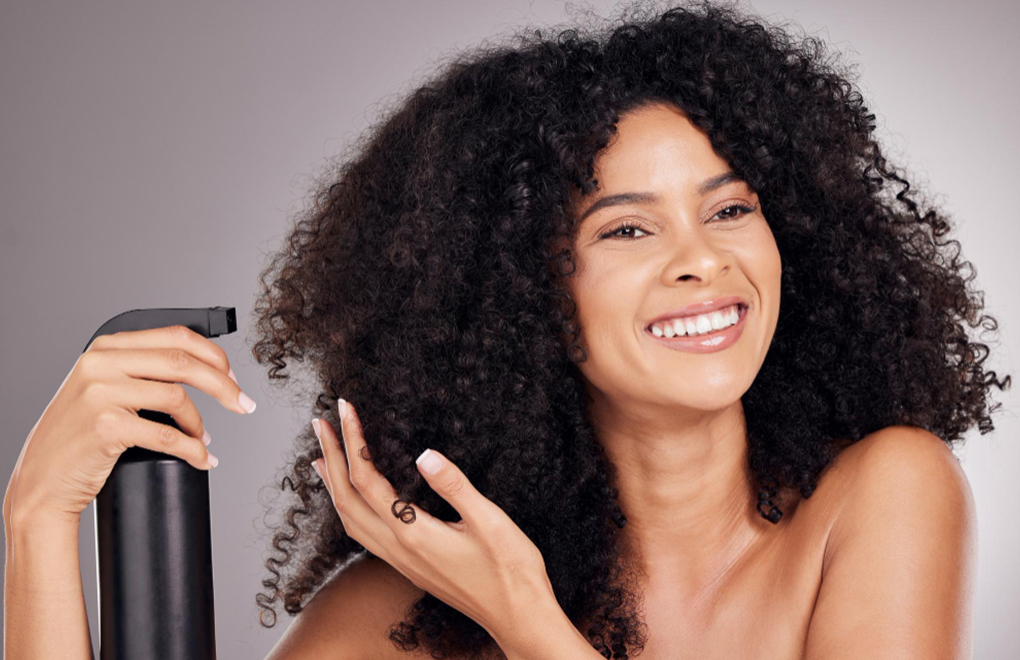
8. Products for Curly and Textured Hair
Curly and textured hair products offer opportunities for brands that can address the specific needs of their target customers.
These needs may include moisture retention, detangling, curl definition, frizz management, and styling support.
Products Brands Can Develop
- Curl shampoo
- Moisturizing conditioner
- Deep conditioning masks
- Leave-in conditioners
- Curl creams
- Styling gels
- Lightweight oils
Why This Category May Offer Opportunities
A specialized collection can provide a clearer identity than a general-purpose hair care range.
Instead of selling isolated products, brands can develop a coordinated routine that addresses cleansing, conditioning, styling, and maintenance.
This approach may also support educational content, demonstrations, product bundles, and targeted marketing.
Formulation Considerations
Curly and textured hair is not a single uniform category. Product needs vary with curl pattern, hair density, porosity, damage, climate, and styling preferences.
Brands should define their target audience carefully and evaluate formulas with users representative of that audience.
Best suited for: Textured-hair brands, curl-focused ecommerce businesses, salon brands, and businesses serving specialized hair care communities.
9. Hair Care Products for Specific Concerns
Another route is to organize a product line around a particular hair concern instead of a product format.
This strategy can help brands establish a clearer positioning and develop complementary products.
Product Directions
| Customer Concern | Potential Products |
|---|---|
| Dry-feeling hair | Hydrating shampoo, conditioner, mask, leave-in |
| Hair damage | Repair-focused shampoo, conditioner, mask, serum |
| Frizz | Smoothing conditioner, hair oil, serum, styling cream |
| Scalp buildup | Clarifying shampoo, selected scalp treatments |
| Curl definition | Curl conditioner, leave-in, curl cream, gel |
| Color-treated hair | Color-care shampoo, conditioner, mask |
How Brands Can Use This Approach
Start by defining the customer and the concern the brand intends to address.
Then select a small number of products that work together. A focused collection is often easier to explain and manage than a broad assortment with no clear relationship between products.
Product claims should reflect the formula’s demonstrated performance and the applicable rules in each market.
Comparing Hair Care Product Categories for 2027
The following table provides a qualitative comparison to help brands narrow their product ideas. These are strategic assessments, not measured market-share rankings or guarantees of profitability.
| Product Category | Repeat Purchase Potential | Differentiation Potential | Development Considerations |
|---|---|---|---|
| Shampoo and conditioner | High | Moderate to high | Cleansing, conditioning, and target hair type |
| Scalp care | Depends on the routine | High | Product format, scalp needs, claim substantiation |
| Hair serums | Depends on the application | High | Texture, delivery, stability, intended benefits |
| Hair oils | Depends on the usage pattern | Moderate to high | Oil blend, finish, packaging, oxidation |
| Hair masks | Moderate | High | Conditioning performance, texture, rinseability |
| Leave-in products | Depends on the routine | High | Lightweight feel, detangling, application |
| Styling products | Depends on styling frequency | High | Hold, finish, texture, dispensing |
| Curly and textured hair systems | Depends on the collection | High | Target hair type, moisture, curl definition |
No category is automatically the most profitable. A product’s commercial potential depends on its selling price, manufacturing and fulfillment costs, competition, customer acquisition costs, and ability to generate repeat purchases.
How to Choose the Best Hair Care Products for Your Brand
The strongest product choice is the one that aligns with your audience, positioning, budget, and manufacturing capabilities.
Step 1: Define Your Target Customer
Be specific about whom you want to serve.
Your customer could be a salon professional, a consumer with curly hair, someone seeking lightweight conditioning, or a shopper interested in premium scalp care.
A clear customer definition makes product selection and marketing more focused.
Step 2: Identify a Specific Need
Choose a problem or routine that your product can address.
Examples include improving detangling, creating a lighter finishing oil, developing a clarifying shampoo, or building a curl care system.
Avoid selecting a category only because it appears popular on social media.
Step 3: Research Competitors and Price Points
Review competing products across relevant sales channels.
Evaluate product sizes, retail prices, ingredient positioning, customer reviews, packaging, and the claims competitors make.
Look for gaps that your brand can address rather than assuming that a growing category has room for every new product.
Step 4: Evaluate Manufacturing Feasibility
Before committing to a concept, discuss it with potential manufacturers.
Ask about formula availability, customization options, packaging choices, sample development, testing requirements, MOQ, and lead times.
A product that fits your budget and production capabilities may be a better starting point than a more complex concept requiring extensive development.
Step 5: Start with a Focused Product Range
Many new brands can benefit from beginning with one hero product or a small collection.
For example, a repair-focused brand could begin with shampoo, conditioner, and a mask. A styling brand might start with a curl cream and a complementary leave-in product.
A focused range makes it easier to allocate the budget, explain the brand’s positioning, and evaluate customer response before expanding.
How to Build a Profitable Hair Care Product Line
Choosing a promising category is only one part of the process. Brands also need to build a commercially viable product line.
Understand the Full Cost Structure
Your financial model should include:
- Manufacturing and ingredients
- Packaging and labeling
- Product development and testing
- Freight and import costs
- Warehousing and fulfillment
- Marketing and customer acquisition
- Marketplace fees, discounts, and returns
A product with an attractive factory price may still have weak margins after these expenses.
Develop a Clear Pricing Strategy
Retail pricing should reflect the target customer, competitor positioning, product value, and channel economics.
A product sold through a salon distributor may require a different pricing structure from one sold directly through a Shopify store.
Build the pricing model before approving the formula and packaging, rather than discovering later that the intended retail price cannot support the total cost.
Create Complementary Products
A coordinated product line can make it easier for customers to understand how products work together.
Examples include:
Repair routine: Shampoo + Conditioner + Hair Mask
Curl care routine: Conditioner + Leave-In + Curl Cream
Scalp care routine: Scalp Shampoo + Targeted Scalp Treatment
These combinations can support bundles and cross-selling, but brands should validate customer demand before developing a large number of SKUs.
Plan for Reorders and Growth
If a product performs well, the manufacturer should be able to explain its replenishment lead time, raw material availability, packaging supply, and production capacity.
Planning for reorders helps brands avoid stockouts and reduces the risk of making rushed purchasing decisions.
Private Label vs. Custom Formula: Which Is Better for a New Brand?
Both manufacturing models can be suitable for launching hair care products.
| Factor | Private Label | Custom Formula |
|---|---|---|
| Formula | Existing formula | Newly developed or substantially modified |
| Initial development | Generally simpler | Usually more involved |
| Customization | Depends on the program | Potentially greater |
| Development cost | Often lower | Often higher |
| Time to launch | Often shorter | Often longer |
| Differentiation | Depends on the available options | Greater potential |
| Best fit | Testing demand and launching efficiently | Developing a distinct product concept |
Private label may be a practical starting point when a brand wants to test the market without investing heavily in formulation development.
Custom formulation may be appropriate when a particular texture, ingredient system, performance characteristic, or brand concept requires more control.
Neither approach guarantees better sales or margins. The decision should reflect the product strategy and the manufacturer’s actual capabilities.
What to Ask a Hair Care Manufacturer Before Launching
Before requesting a quotation, prepare a clear product brief and ask potential suppliers:
- Do you manufacture this specific product category?
- Can I choose an existing formula or request custom development?
- What is the MOQ for each product and packaging configuration?
- What sample and testing services are available?
- What packaging formats can you support?
- What is included in the quotation?
- What documentation and quality controls are available?
- What is the expected development and production timeline?
- Can the formula and packaging be scaled for future orders?
- What are the responsibilities for product claims and market compliance?
These questions help determine whether a manufacturer can support the project beyond the initial sample.
Common Mistakes When Choosing Hair Care Products to Sell
Choosing a Product Only Because It Is Trending
A trend can create an opportunity, but it does not prove that your brand can compete successfully. Validate the customer need, competitive landscape, pricing, and differentiation first.
Launching Too Many Products at Once
A large product range can increase development costs, packaging complexity, inventory requirements, and marketing workload.
Ignoring Manufacturing and Packaging Minimums
The formula MOQ and packaging MOQ may differ. Confirm both before calculating the initial investment.
Making Unsupported Product Claims
Claims relating to hair growth, hair loss, scalp conditions, or specific performance outcomes may require additional substantiation or regulatory review. Claims should be appropriate for the product category and target market.
Underestimating Marketing Costs
Even a well-formulated product needs a route to customers. Include content, advertising, sampling, retail margins, and customer acquisition in the launch plan.
FAQs: Best Hair Care Products to Sell in 2027
What hair care products should a new brand sell in 2027?
Potential categories to evaluate include scalp care, hair serums, hair oils, hair masks, leave-in treatments, specialized shampoo and conditioner, and styling products. The best choice depends on customer demand, competition, pricing, and manufacturing feasibility.
Are hair serums a good product for a new hair care brand?
Hair serums can offer opportunities for targeted positioning, including shine, frizz management, and conditioning. However, the brand should establish a clear benefit, evaluate the competitive landscape, and ensure that the formula and claims are appropriate for the intended use.
Are hair oils profitable to sell?
Hair oils can support different price points and product concepts, but profitability depends on formula costs, packaging, retail pricing, sales channels, marketing expenses, and customer demand. No product category guarantees a particular margin.
Should a startup choose private label or custom formulation?
Private label may be appropriate when speed and initial development costs are priorities. Custom formulation may be better when a brand needs a distinctive product. Compare the actual costs, MOQ, timeline, and customization terms before deciding.
How many hair care products should a new brand launch?
There is no universal ideal number. Starting with one hero product or a small, complementary collection can help a brand focus its budget and validate demand before expanding.
How can a brand find a suitable hair care manufacturer?
Compare manufacturers based on their experience with the relevant product type, formula development capabilities, MOQ, packaging support, quality systems, documentation, and ability to scale production. Request samples and written quotations before committing to a commercial order.
Turn Your Hair Care Product Idea into a Market-Ready Collection
Selecting a hair care category is the beginning of a larger process. Brands need to connect consumer needs with product development, formulation, packaging, pricing, and a realistic manufacturing plan.
At HODM Cosmetics, we provide OEM/ODM and private label hair care manufacturing services for businesses developing shampoos, conditioners, hair masks, hair oils, serums, styling products, and other hair care categories.
Depending on your project, our team can discuss available formulas, customization options, packaging requirements, sampling, and production planning.
Whether you are launching your first hero product or expanding an established collection, a focused product strategy can help you make better decisions about development and inventory.
Ready to develop your hair care product line?
Contact HODM Cosmetics to discuss your product concept, target quantity, packaging preferences, and manufacturing requirements.