
Private Label Hair Care: How to Build Your Own Brand Step-by-Step (2026 Guide)
What is private label hair care and how do you start a brand?
Private label hair care allows you to sell ready-made or semi-custom products under your own brand. To start, you need to choose a product category (such as shampoo or hair mask), define your target market, work with a manufacturer, and build sales channels like e-commerce or salons. Most brands launch with 1–3 products and scale based on customer demand.
Private label hair care is one of the fastest and most cost-effective ways to build a beauty brand today. Whether you are a salon owner, Amazon seller, or entrepreneur, this model allows you to enter the market quickly while focusing on branding, marketing, and growth.
What Is Private Label Hair Care?
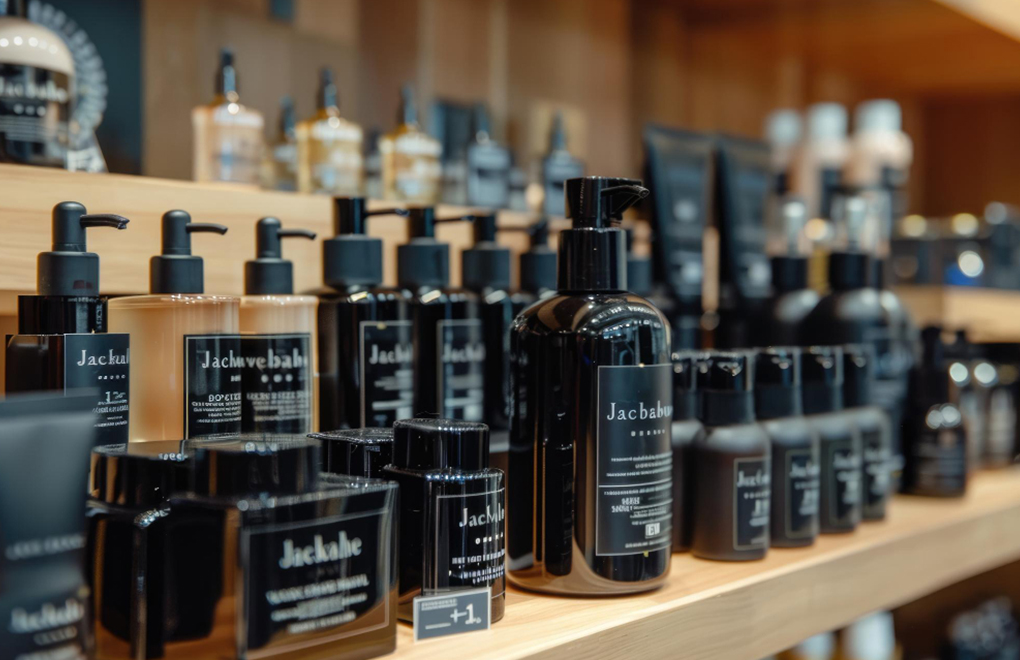
Private label hair care refers to products manufactured by a third party but sold under your own brand name. These products are typically based on pre-developed formulations, allowing faster launch and lower investment.
Key Features
| Feature | Benefit |
|---|---|
| Ready formulations | Faster time-to-market |
| Custom branding | Build your identity |
| Lower development cost | Reduced risk |
| Scalable production | Supports growth |
Why Private Label Is the Best Entry Model
Private label offers a balance between speed, cost, and customization.
Advantages
| Advantage | Impact |
|---|---|
| Fast launch | Enter market quickly |
| Lower investment | Minimize upfront cost |
| Brand ownership | Control pricing and positioning |
| Multi-channel potential | Sell online and offline |
👉 This makes it ideal for startups and growing brands.
Step 1: Choose Your Product Strategy
Start with a focused product instead of a full product line.
Recommended Starter Products
| Product | Reason |
|---|---|
| Hair mask | High margin and strong results |
| Shampoo | Daily use |
| Conditioner | Complements shampoo |
| Serum/oil | Premium add-on |
👉 Hair masks are often the easiest entry point due to their performance-driven positioning.
👉 Learn more about product positioning in Private Label Hair Mask Guide
Step 2: Define Your Brand Positioning
Your positioning determines how your product stands out.
Common Strategies
| Positioning | Target Market |
|---|---|
| Repair | Damaged hair |
| Hydration | Dry hair |
| Clean beauty | Ingredient-focused consumers |
| Professional | Salon-grade performance |
👉 Clear positioning increases both conversion and brand recognition.
Step 3: Understand Private Label vs Other Models
Comparison Table
| Model | Customization | Speed | Cost |
|---|---|---|---|
| Private Label | Medium | Fast | Medium |
| OEM | Medium-High | Fast | Moderate |
| Custom Formula | Full | Slow | High |
👉 Read full comparison in Private Label vs OEM vs ODM Guide
👉 Explore advanced options in Custom Hair Care Products Guide
Step 4: Choose the Right Manufacturer
Your manufacturer determines product quality and scalability.
Key Criteria
| Criteria | Importance |
|---|---|
| Quality consistency | Customer satisfaction |
| MOQ | Budget control |
| Lead time | Inventory planning |
| Customization | Brand differentiation |
👉 Learn how to evaluate suppliers in How to Choose a Hair Care Manufacturer
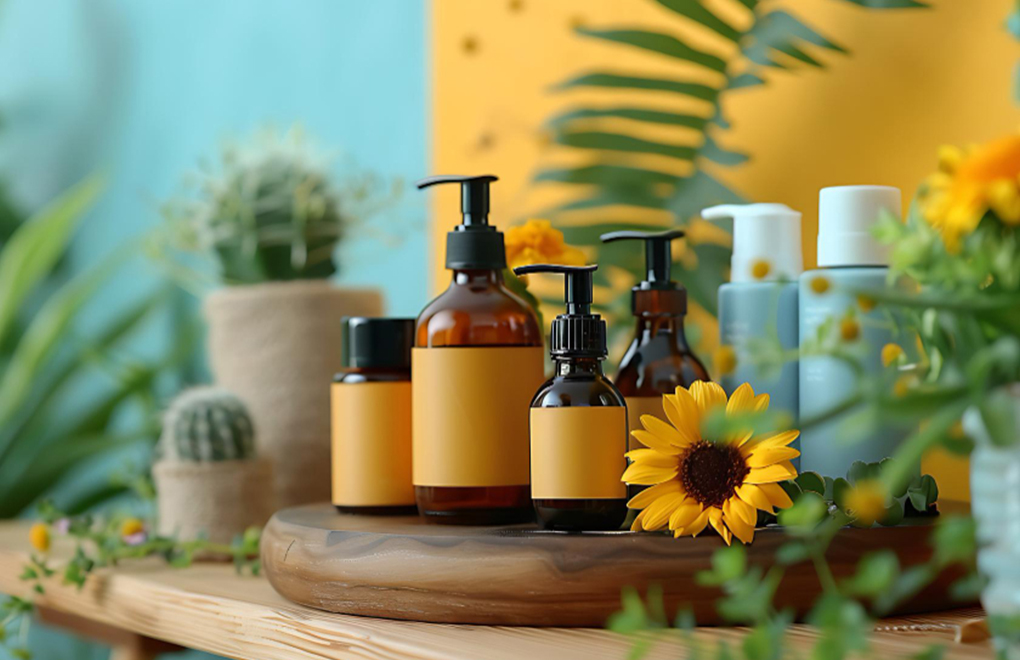
Step 5: Develop Branding and Packaging
Branding is critical in a competitive market.
Key Elements
- Logo and product naming
- Packaging design
- Label clarity
- Ingredient messaging
👉 Strong branding increases perceived value and trust.
Step 6: Choose Your Sales Channels
Private label products can be sold across multiple channels.
Channel Options
| Channel | Benefit |
|---|---|
| Amazon FBA | Scalable growth |
| Salon retail | Professional credibility |
| DTC website | Full control |
| Distributors | Bulk expansion |
👉 Learn how to scale on Amazon in How to Launch a Hair Care Brand on Amazon FBA
Step 7: Pricing and Profit Strategy
Example Cost Structure
| Component | Cost |
|---|---|
| Product | $3–$6 |
| Packaging | $1–$3 |
| Total | $4–$9 |
Pricing Model
| Channel | Price |
|---|---|
| Wholesale | $8–$15 |
| Retail | $20–$45 |
👉 This allows strong margins while staying competitive.
Step 8: Launch and Test Your Product
Start small and validate before scaling.
Launch Steps
- Test product with target users
- Collect feedback
- Adjust positioning or pricing
- Scale production
Step 9: Scale Your Brand
Growth Strategies
| Strategy | Impact |
|---|---|
| Expand product line | Increase revenue |
| Improve branding | Build authority |
| Optimize marketing | Increase ROI |
| Enter new markets | Expand reach |
Why Work with HODM for Private Label Hair Care
HODM supports brands with scalable manufacturing solutions.
HODM Capabilities
| Capability | Benefit |
|---|---|
| Low MOQ | Startup-friendly |
| Professional formulations | Reliable performance |
| Custom branding support | Faster launch |
| Packaging solutions | Full-service development |
| Quality control | Consistent production |
👉 HODM helps brands move from concept to scalable growth.
FAQ: Private Label Hair Care
What is private label hair care?
Private label hair care refers to products produced by a manufacturer and sold under your own brand, allowing faster market entry without developing formulas from scratch.
How much does it cost to start a private label hair care brand?
Costs vary, but private label typically requires a lower investment compared to custom formulation, making it accessible for startups.
What is the fastest way to launch a hair care brand?
Using private label manufacturing is the fastest method, as it reduces development time and simplifies production.
Can I customize private label products?
Yes, many manufacturers offer customization options such as fragrance, packaging, and branding.
Can I sell private label hair care on Amazon?
Yes, Amazon FBA is one of the most popular channels for scaling private label hair care brands.
Conclusion
Private label hair care offers one of the most efficient ways to build a scalable beauty brand. By combining the right product strategy, manufacturer, and sales channels, you can create a business that grows across multiple markets.
👉 If you are just starting, read our full guide on
How to Start a Hair Care Brand
👉 If you are ready to develop products, explore
Custom Hair Care Products Guide
👉 If you are evaluating suppliers, see
Hair Care Manufacturer Guide
Start Your Private Label Project with HODM
If you are ready to build your own brand, HODM offers:
- Professional formulations
- Flexible production
- End-to-end support
Contact us to explore your private label opportunities.