How to Choose the Best Hair Care Products for a New Brand
Choosing the right hair care products is one of the most important decisions when launching a new beauty brand. Your initial product selection influences your target customers, manufacturing costs, packaging, retail pricing, marketing strategy, and long-term growth potential.
The challenge is not simply finding popular hair care products. It is identifying products that meet a specific customer need, fit your available budget, and can be manufactured reliably.
Some brands begin with shampoo and conditioner. Others focus on hair serums, scalp treatments, hair oils, or specialized products for curly and textured hair. The right choice depends on your brand positioning, target market, sales channels, and manufacturing requirements.
This guide explains how to choose the best hair care products for a new brand, evaluate commercial opportunities, compare formulation options, and build a focused product line with a suitable manufacturing partner.
1. Define Your Target Customers Before Choosing Products
Before selecting a formula, determine who your brand is designed to serve. A product that appeals to salon professionals may not be the best fit for a budget-conscious ecommerce audience. Similarly, a brand targeting curly and textured hair may require a different product range from one focused on premium scalp care.
Identify Your Target Audience
- Everyday hair care consumers: Customers seeking shampoo, conditioner, hydration, and manageable daily routines.
- Curly and textured hair consumers: Customers interested in moisture, detangling, curl definition, and styling support.
- Professional salons: Businesses looking for professional cleansing, conditioning, treatment, and styling products.
- Scalp care customers: Consumers interested in cleansing, oil balance, hydration, and targeted scalp care.
- Premium beauty customers: Consumers who value distinctive formulas, refined packaging, and elevated product experiences.
- Men's grooming customers: Consumers looking for styling products, shampoo, and grooming essentials.
Define Your Brand Positioning
Your positioning should guide your product formulas, packaging, pricing, and marketing. A premium treatment brand may prioritize sensory experience and specialized products, while an everyday care brand may emphasize practical benefits and accessible pricing.
| Brand Positioning | Potential Product Direction |
|---|---|
| Premium Hair Care | Hair serums, masks, oils, and treatment systems |
| Professional Salon | Shampoos, conditioners, masks, and styling products |
| Curl Care | Leave-in conditioners, curl creams, and styling gels |
| Scalp Care | Clarifying shampoos and suitable scalp treatments |
| Everyday Hair Care | Shampoo, conditioner, and complementary treatments |
If you are still exploring product categories, start with our guide to the best hair care products to sell in 2027. It provides a broader overview of product categories and market opportunities.
2. Research Market Demand and Competitors
Market research helps you understand what customers already buy, which products competing brands offer, and where your business may have an opportunity to differentiate itself.
Analyze Competitor Products
Review brands selling to your intended audience through ecommerce stores, marketplaces, salons, and specialty retailers. Compare:
- Product categories, sizes, and retail prices.
- Ingredient positioning and product claims.
- Packaging, fragrance, texture, and presentation.
- Customer reviews and recurring complaints.
- Brand positioning and promotional strategies.
- Product bundles and complementary collections.
Look for Unmet Customer Needs
Customer reviews can reveal opportunities that are not immediately obvious from product listings. Repeated complaints about heavy textures, difficult application, strong fragrances, or unsuitable packaging may indicate areas where a new product could improve the customer experience.
Validate Demand Before Investing
Do not choose a product solely because it is trending on social media. Look for several supporting signals, including customer interest, competitor availability, search behavior, realistic price points, and a clear reason customers might choose your product.
For additional product ideas, explore Best Hair Care Products to Launch for New Brands.
3. Choose the Right Hair Care Product Categories
Once you understand your audience and market opportunity, compare the main product categories. Each has different formulation requirements, packaging considerations, and opportunities for differentiation.
Shampoo: A Foundation for Hair Care Collections
Shampoo is a common starting category for brands developing everyday or specialized hair care products. Different formulas can target cleansing, hydration, clarifying, color care, or specific hair types.
For example, a brand may consider moisturizing shampoo, sulfate-free repair shampoo, clarifying shampoo, or volume-focused cleansing products.
Explore Shampoo Products: Market Trends, Formulation, and Development Guide.
Conditioner: Complementary Products for Coordinated Routines
Conditioners complement shampoo and can help brands build coordinated product systems. Consider moisturizing, repair, color-care, volumizing, and leave-in conditioning products according to your target customers.
Explore Private Label Conditioner Line Development.
Hair Masks: Treatment-Focused Collections
Hair masks offer a treatment-oriented option for brands focused on conditioning routines, damaged hair care, hydration, and premium product experiences.
Explore Hair Mask Products and Formulation Development.
Hair Oils and Serums: Specialized Finishing Care
Hair oils and serums can be positioned around shine, smoothness, conditioning, and specialized finishing routines. Their formula texture, application method, and packaging can create meaningful product differentiation.
Explore Hair Oil Product Development and Hair Serum Product Development.
Styling and Scalp Care Products
Curl creams, styling gels, sprays, scalp tonics, and specialized cleansing products can help brands serve narrower customer segments. These categories are particularly relevant when your brand has a clear styling or scalp-care positioning.
Explore Private Label Hair Styling Products.
Compare the Main Product Categories
| Product Category | Main Opportunity | Key Consideration |
|---|---|---|
| Shampoo | Everyday cleansing and targeted care | Competition and differentiation |
| Conditioner | Complementary routines | Conditioning performance and hair type |
| Hair Mask | Treatment-focused positioning | Texture, performance, and application |
| Hair Oil | Finishing care and botanical positioning | Weight, finish, and packaging |
| Hair Serum | Targeted benefits and specialized formats | Formula type and intended application |
| Leave-In Conditioner | Convenience and daily styling routines | Lightweight feel and residue |
| Styling Products | Professional and consumer styling | Hold and styling performance |
| Scalp Care | Specialized care routines | Intended use and product claims |
4. Evaluate Actual Products Before Building Your Collection
Comparing real product examples can help you understand how different formulas, packaging formats, and product concepts may fit into your collection. The following examples illustrate several product directions available for hair care development.
Shampoo and Cleansing Products

Argan Oil Hydrating Shampoo
A shampoo concept for brands developing moisturizing hair care collections.
Explore Product →
Gentle Clarifying Shampoo
A cleansing product for brands focused on clarifying and scalp-care routines.
Explore Product →
Sulfate Free Repair Shampoo
A repair-focused shampoo concept for specialized hair care lines.
Explore Product →Conditioning and Treatment Products

Argan Oil Hydrating Conditioner
A complementary conditioning product for moisturizing hair care routines.
Explore Product →
Moroccan Argan Oil Hair Mask
A botanical oil-inspired treatment for premium conditioning collections.
Explore Product →Finishing and Specialized Products

Perfect Hair Oil
A finishing product concept for brands focusing on shine, smoothness, and manageability.
Explore Product →
Argan Oil Hair Serum
An oil-based serum concept for finishing and conditioning routines.
Explore Product →These examples are starting points for product evaluation. A new brand should still assess the actual formula, target hair type, packaging, pricing, and manufacturing requirements before selecting a product.
5. Identify a Clear Product Differentiation Strategy
A new hair care brand needs a reason for customers to consider its products instead of established alternatives. Differentiation does not always require inventing a completely new formula.
Differentiate Through Formula and Sensory Experience
Your product may offer a distinctive texture, fragrance, conditioning experience, or application method. These characteristics should matter to your target customers rather than being added simply to make the formula appear more complex.
Focus on a Specific Hair Type or Need
You may choose to serve consumers with curly hair, customers who prefer lightweight products, or people looking for specialized color-care routines. A clear audience can make your product positioning easier to communicate.
Use Packaging to Support the Brand
Packaging influences usability, product protection, shelf appeal, and perceived value. Standard packaging may be practical for an initial launch, while customized components can help establish a distinctive identity when the budget supports them.
Explore HODM Custom Packaging Options to coordinate packaging with your product positioning.
6. Choose Between Private Label and Custom Formulation
After identifying your product concept, decide whether an existing formula, a modified formula, or a newly developed formula best fits your requirements.
| Factor | Private Label | Custom Formulation |
|---|---|---|
| Formula | Existing formula | Newly developed or modified formula |
| Development | Generally simpler | Usually more involved |
| Customization | Depends on available options | Potentially greater flexibility |
| Initial investment | Often lower development costs | May involve higher development costs |
| Best fit | Efficient launches and market testing | Distinctive product requirements |
When Private Label Makes Sense
Private label can be a practical starting point when an established formula meets your needs. It may reduce development work and allow you to focus more resources on branding, packaging, and market entry.
When Custom Formulation Makes Sense
Custom formulation may be more suitable when a particular texture, ingredient system, fragrance, or performance requirement cannot be achieved through available formulas.
Some manufacturers also offer semi-custom programs between these two approaches. Before deciding, compare development fees, MOQ, formula rights, packaging requirements, and production timelines.
Learn more about Private Label Hair Care and Custom Hair Care Formulation.
7. Set Your Budget and Understand MOQ
Your available investment should influence which products you choose. The total launch budget includes more than the cost of manufacturing finished goods.
Calculate the Full Cost of Launching a Product
- Formula selection, development, and samples.
- Ingredients, production, and filling.
- Bottles, pumps, jars, labels, and cartons.
- Relevant testing and documentation.
- Freight, import expenses, and warehousing.
- Website, photography, marketing, and fulfillment.
Understand Minimum Order Quantity
MOQ means Minimum Order Quantity. A manufacturer's minimum may apply per formula, SKU, fragrance, packaging configuration, or total order. Packaging components may have separate minimum quantities.
Request an itemized quotation and calculate the total landed cost rather than comparing factory prices alone.
Choose a Realistic Initial Order
A smaller initial assortment can help you focus your investment, but a low MOQ does not automatically mean a low total cost. Compare the product minimum, packaging minimum, unit price, and expected demand before placing an order.
For practical planning, read Private Label Hair Care MOQ Explained and How Much Does It Cost to Start a Hair Care Line?.
8. Choose the Right Packaging and Product Size
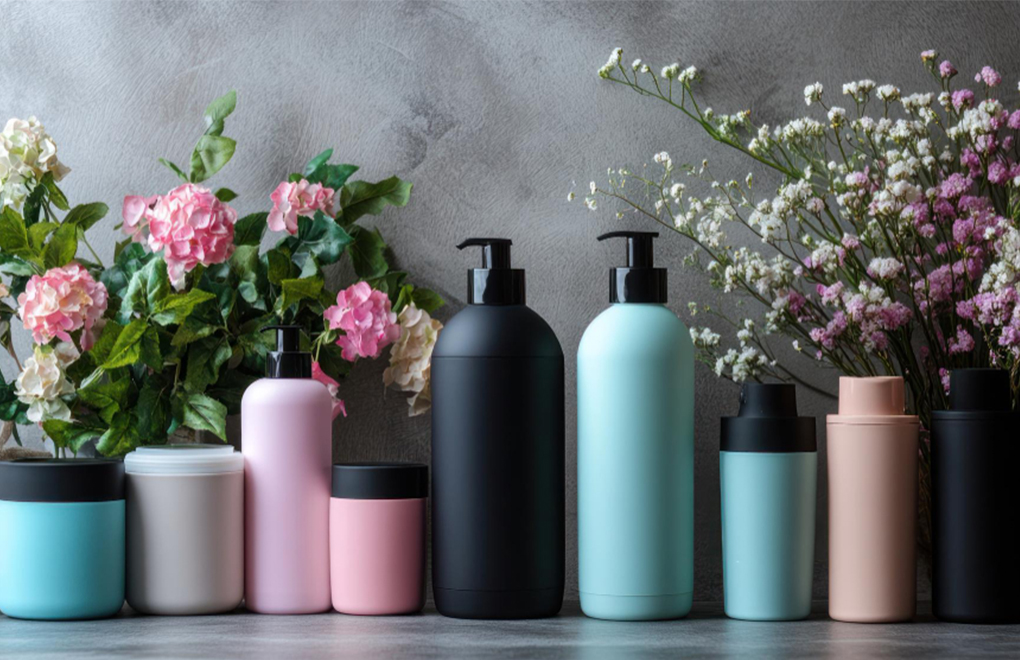
Packaging should be selected alongside the product concept rather than treated as an afterthought. The right format depends on the formula, application method, target price, and brand positioning.
| Product | Common Packaging Options |
|---|---|
| Shampoo | Pump bottles and flip-cap bottles |
| Conditioner | Bottles and tubes |
| Hair Mask | Jars and tubes |
| Hair Oil | Dropper bottles and pumps |
| Hair Serum | Pumps, droppers, and specialized applicators |
| Leave-In Products | Spray bottles, pumps, and tubes |
Check Formula and Packaging Compatibility
Confirm formula compatibility, dispensing performance, component availability, and packaging minimums before approving the design. Product size also affects retail pricing, shipping costs, and the customer's usage experience.
For custom packaging support, visit HODM Custom Packaging.
9. Evaluate Manufacturing, Testing, and Compliance Requirements
A promising product concept must also be practical to manufacture and suitable for its intended market.
Review Manufacturing Capabilities
Confirm that the manufacturer has experience with your product type, formula requirements, packaging format, and expected production volume. Ask about quality control, batch traceability, sampling, and production scale-up.
Plan Appropriate Product Testing
Depending on the formula and intended use, relevant assessments may include stability testing, microbiological testing, preservative efficacy testing where appropriate, packaging compatibility, and product-specific performance evaluation.
Review Regulatory Requirements
Requirements vary by destination market. Brands should review applicable ingredient restrictions, safety responsibilities, labeling requirements, and product claims before launch.
In the United States, claims to treat disease or stimulate hair regrowth may trigger requirements beyond those applicable to ordinary cosmetics. Claims should be supported by appropriate evidence and reviewed for the intended market.
For additional US market guidance, see FDA Regulations for Hair Care Products.
10. Start with a Focused Product Line
New brands often benefit from beginning with one hero product or a small collection of complementary products. This approach can make development, inventory management, and marketing more manageable.
Example: Hydration Collection
- Moisturizing shampoo.
- Matching conditioner.
- Hydrating hair mask.
Example: Repair Collection
- Repair shampoo.
- Conditioner.
- Intensive treatment mask.
- Finishing serum.
Example: Curl Care Collection
- Curl-focused shampoo.
- Conditioner.
- Leave-in conditioner.
- Curl cream.
Example: Scalp Care Collection
- Clarifying shampoo.
- Scalp cleansing product.
- Suitable scalp tonic.
- Complementary conditioning product.
A coordinated collection can support bundles and cross-selling. However, each additional SKU introduces more manufacturing, packaging, inventory, and marketing requirements. Validate the concept before committing to a large production order.
If you are developing your first collection, read How to Start a Hair Care Brand and Best Private Label Hair Care Products to Sell in 2027.
11. Evaluate and Select the Right Hair Care Manufacturer
The right manufacturing partner should match your product requirements, budget, quality expectations, and future production plans.
Compare Formula Options and Product Experience
Confirm that the manufacturer offers the product category you need and can explain the differences between existing formulas, semi-custom programs, and custom development.
Request Samples and Written Quotations
Review samples against your product brief. Request quotations that clearly separate manufacturing, packaging, development, testing, and other relevant expenses.
Check Quality and Long-Term Production Support
Ask about quality controls, relevant documentation, lead times, packaging supply, and the ability to support future reorders.
Confirm MOQ, formula ownership, customization options, testing responsibilities, packaging requirements, lead times, and contractual terms before approving a commercial order.
Continue with How to Choose a Hair Care Manufacturer and Questions to Ask Before Choosing a Hair Care Manufacturer.
If you are developing a private label collection, explore HODM Private Label Hair Care and OEM Hair Care Manufacturing.
12. Common Mistakes When Choosing Hair Care Products
Choosing Products Only Because They Are Trending
A popular category does not guarantee demand for your particular brand. Evaluate the target customer, competition, pricing, and differentiation first.
Launching Too Many Products at Once
A large initial assortment can increase development costs, packaging complexity, inventory requirements, and marketing workload. Start with a focused collection and expand when demand supports it.
Ignoring Packaging Minimums
Formula and packaging minimums may differ. Confirm both before calculating the initial investment.
Focusing Only on Factory Price
Freight, testing, fulfillment, marketplace fees, and marketing also affect profitability. Calculate total landed cost rather than comparing unit prices alone.
Making Unsupported Product Claims
Product claims should reflect the formula's demonstrated performance and comply with the rules in your target markets.
Frequently Asked Questions
What are the best hair care products for a new brand?
Potential options include shampoo, conditioner, hair oil, hair serum, hair masks, leave-in treatments, scalp care, and styling products. The right choice depends on your target customer, market positioning, budget, and manufacturing requirements.
How many products should a new hair care brand launch?
There is no universal ideal number. Starting with one hero product or a small collection of complementary products can help manage development costs and inventory while you evaluate customer demand.
Is private label hair care suitable for beginners?
Private label can be suitable for beginners because it may provide access to established formulas without developing every product from scratch. However, minimum order quantities, customization options, testing, and total costs vary by manufacturer.
Should I choose private label or custom formulation?
Private label may be appropriate when speed and initial development costs are priorities. Custom formulation may be more suitable when a brand needs specific product characteristics. Compare development fees, MOQ, formula rights, and production timelines before deciding.
How do I estimate my first production budget?
Request quotations that separate manufacturing, packaging, samples, testing, and shipping. Add launch and fulfillment expenses, then compare the total investment with your available budget and expected sales.
How do I find a suitable hair care manufacturer?
Compare manufacturers based on product experience, formula options, MOQ, packaging services, quality controls, testing documentation, lead times, and ability to scale. Request samples and written quotations before committing.
See our guide on how to choose a hair care manufacturer.
Conclusion: Choose Products That Support Long-Term Brand Growth
Choosing the right hair care products requires a balance between customer needs, market opportunity, product differentiation, manufacturing feasibility, and available investment.
A new brand does not need to launch a large assortment immediately. A focused collection with clear positioning and suitable formulas can provide a more manageable starting point.
By researching your audience, evaluating product categories, comparing manufacturing options, and planning your budget carefully, you can build a product line that supports both your initial launch and future expansion.
Develop the Right Hair Care Products for Your Brand
Choosing the right products is the first step toward building a focused and commercially viable hair care brand. Your product strategy should connect customer needs with formulation, packaging, pricing, and a realistic manufacturing plan.
HODM Cosmetics provides OEM/ODM and private label manufacturing services for businesses developing shampoos, conditioners, hair masks, hair oils, serums, styling products, and other hair care categories.
Depending on your project, our team can discuss existing formula options, customization, packaging requirements, sampling, and production planning.
Discuss Your Hair Care Project