
Shampoo Products: Market Trends, Formulation, and Development Guide for Brands
How Do Brands Develop Shampoo Products?
Developing shampoo products requires selecting a target market, identifying consumer needs, choosing the right formula type, selecting ingredients, creating samples, completing safety and stability testing, designing packaging, and manufacturing at scale. Successful shampoo brands focus on specific customer problems such as scalp health, hair repair, hydration, curls, or clean beauty instead of creating generic products.
For private label brands, salon companies, Amazon sellers, and beauty entrepreneurs, shampoo remains one of the largest hair care categories—but success depends on differentiation, formulation quality, and strong positioning.
Shampoo remains one of the most important categories in the global hair care market.
Almost every hair care routine starts with shampoo, making it a strong entry point for new brands.
However, the shampoo market is highly competitive.
Successful brands are no longer launching generic cleansing products. Instead, they focus on specific consumer needs such as:
- Scalp health
- Hair growth support
- Damage repair
- Hydration
- Curl care
- Clean beauty
- Professional performance
This guide explains shampoo market opportunities, formulation strategies, manufacturing considerations, and how brands can develop successful shampoo products.
Why Shampoo Is Still a Strong Opportunity for Hair Care Brands
Shampoo is a high-demand category because it is:
- Frequently repurchased
- Used by almost all consumers
- Easy to bundle with other products
- Suitable for multiple market segments
Business Advantages
| Advantage | Brand Opportunity |
|---|---|
| High repeat purchase | Strong customer lifetime value |
| Broad audience | Multiple niches |
| Easy product expansion | Complete hair systems |
| Routine-based usage | Subscription potential |
Current Shampoo Market Trends Brands Should Know
Modern shampoo consumers are looking for more than cleansing.
The biggest opportunities include:
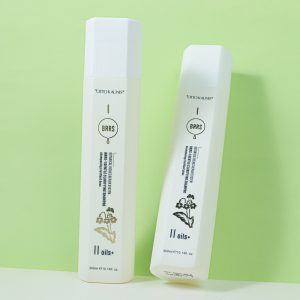
Gentle Clarifying Shampoo
This gentle clarifying shampoo is a professional-grade deep cleanser enriched with essential oils and plant extracts. It effectively removes dirt, buildup, and impurities while soothing the scalp and combating dandruff and itchiness.
- Size: 10.14 fl oz / 300 ml
- Key Ingredients:Argan Oil, Jojoba Oil, Tea Tree Oil, Peppermint Oil, Aloe Vera
- Key Benefits: Deep Cleansing, Scalp Care, Dandruff Control, Oil Balance, Fresh Feeling
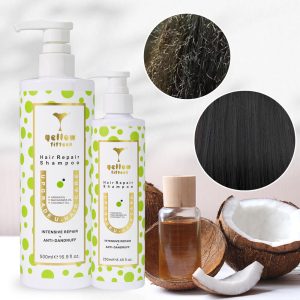
Hair Repair Shampoo
This hair repair shampoo gently cleanses, repairs, and strengthens lifeless hair while removing impurities and offering anti-dandruff benefits for a healthy scalp. Ideal for color-treated hair, it preserves vibrancy and locks in pigments.
- Size: 8.45 fl oz / 250 ml | 16.91 fl oz / 500 ml | 33.81 fl oz / 1000 ml
- Key Ingredients: Argan Oil, Macadamia Oil, Coconut Oil, Polyquaternium-7, Dimethiconol
- Key Benefits: Hair Repair, Scalp Cleansing, Damage Protection, Color Protection, Shine Enhancement
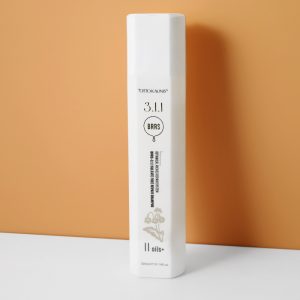
Sulfate Free Repair Shampoo
This sulfate free shampoo gently cleanses, nourishes, and strengthens hair with vegetable protein, plant extracts, and oils. Free of harsh chemicals, it protects color, maintaining vibrancy with a crystal gel texture and rich bubbles for a luxurious wash.
- Size: 10.14 fl oz / 300 ml
- Key Ingredients: Argan Oil, Macadamia Oil, Jojoba Oil, Avocado Oil, Coconut Oil
- Key Benefits: Gentle Cleansing, Deep Nourishment, Color Protection, Hair Strengthening, Smooth Finish
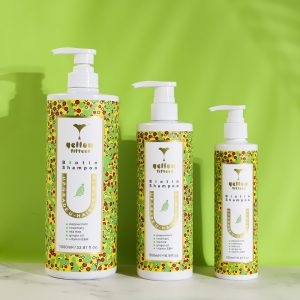
Hair Growth Biotin Shampoo
This hair growth biotin shampoo, enriched with rosemary, peppermint, tea tree, and ginger oils, plus vitamins E and H, promotes growth and volume. Its silicone-free formula cleanses the scalp, removes impurities, and strengthens hair for optimal health.
- Size: 10.14 fl oz / 300 ml
- Key Ingredients: Biotin, Rosemary Oil, Peppermint Oil, Tea Tree Oil, Ginger Extract
- Key Benefits: Hair Growth, Volume Boost, Scalp Care, Strengthening Support, Deep Cleansing
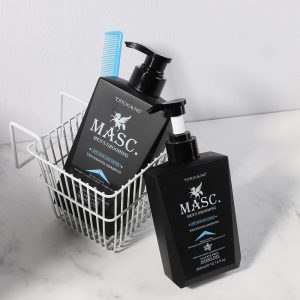
Thickening Shampoo
This thickening shampoo reduces breakage-induced hair loss for denser-looking hair. With hydrating amino acids, essential oils, and natural extracts, it clears scalp and hair residues, providing thicker-looking hair powered by D-Biotin.
- Size: 8.45 fl oz / 250 ml | 16.91 fl oz / 500 ml | 33.81 fl oz / 1000 ml
- Key Ingredients: Biotin, Rosemary Oil, Pumpkin Seed Oil, Tea Tree Oil, Argan Oil
- Key Benefits: Hair Thickening, Breakage Reduction, Scalp Cleansing, Volume Boost, Strength Support
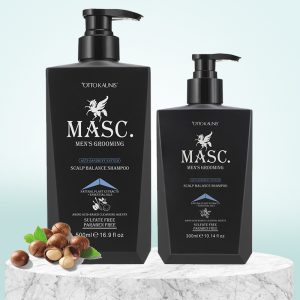
Scalp Balance Shampoo
This scalp balance shampoo cleanses, reduces dandruff, soothes irritation, relieves itching, and prevents moisture loss, making it ideal for all hair types, especially sensitive scalps, dry skin, and dandruff-prone areas.
- Size: 10.14 fl oz / 300 ml | 16.91 fl oz / 500 ml
- Key Ingredients: Tea Tree Oil, Rosemary Oil, Eucalyptus Oil, Peppermint Oil, Argan Oil
- Key Benefits: Scalp Balance, Dandruff Control, Itch Relief, Gentle Cleansing, Moisture Protection
Choosing Shampoo Formula Strategy: Private Label vs Custom Formula
The manufacturing approach affects cost, timeline, and differentiation.
Private Label Shampoo
Uses existing formulas developed by manufacturers.
Advantages
- Faster launch
- Lower development costs
- Lower risk
Best for:
- Startups
- Amazon brands
- Market testing
👉 Learn more in Private Label Hair Care: Complete Guide to Building a Profitable Brand
Custom Shampoo Formula
Developed specifically for your brand.
Advantages
- Unique positioning
- Exclusive formula
- Better differentiation
Best for:
- Premium brands
- DTC companies
- Retail brands
👉 Learn more in Custom Formula vs Private Label Hair Care: Which Should You Choose?
Shampoo Formulation Process Explained
A professional shampoo development process includes:
Step 1: Define Product Goals
Brands decide:
- Target customer
- Hair concern
- Performance goals
- Market position
Example:
“Lightweight scalp balancing shampoo for oily hair.”
Step 2: Select Ingredients
Formula developers evaluate:
- Cleansing agents
- Conditioning ingredients
- Active ingredients
- Preservatives
- Fragrance
Step 3: Create Laboratory Samples
Samples are developed and evaluated for:
- Texture
- Foam
- Fragrance
- Performance
Step 4: Optimize Formula
Adjustments may include:
- Thickness
- Sensory feel
- Ingredient balance
- Performance
👉 Learn more in How Hair Care Factories Develop Custom Formulas: From Concept to Production
Key Shampoo Ingredients Brands Should Understand
Different ingredients create different product positioning.
Cleansing Ingredients
Responsible for removing:
- Oil
- Dirt
- Product buildup
Conditioning Ingredients
Improve:
- Softness
- Smoothness
- Hair feel
Active Ingredients
Used for targeted products:
Examples:
- Scalp care ingredients
- Botanical extracts
- Repair ingredients
Natural Ingredients
Common examples:
- Argan oil
- Coconut oil
- Aloe vera
- Botanical extracts
Shampoo Testing Requirements
Before launch, shampoo products require quality evaluation.
Common Testing Includes:
- Stability testing
- Microbial testing
- Preservative effectiveness testing
- Packaging compatibility testing
Testing Helps Ensure:
- Safety
- Shelf stability
- Product consistency
👉 Learn more in Hair Care Product Testing Requirements Explained: Safety, Stability, Microbial, and Compliance Testing
Shampoo Packaging Development
Packaging affects:
- Brand perception
- User experience
- Retail appeal
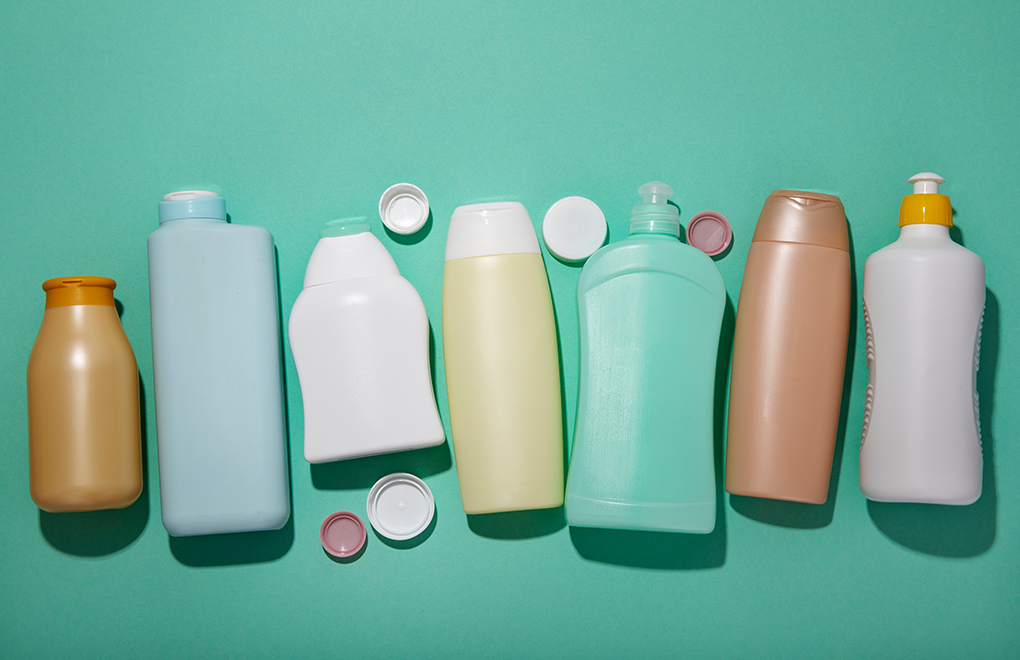
Common Shampoo Packaging
- Plastic bottles
- Pump bottles
- Tubes
- Sustainable containers
Packaging Decisions Include:
- Size
- Material
- Design
- Labeling
👉 Learn more in Hair Care Packaging Cost Guide: Bottles, Labels, and Custom Packaging Explained
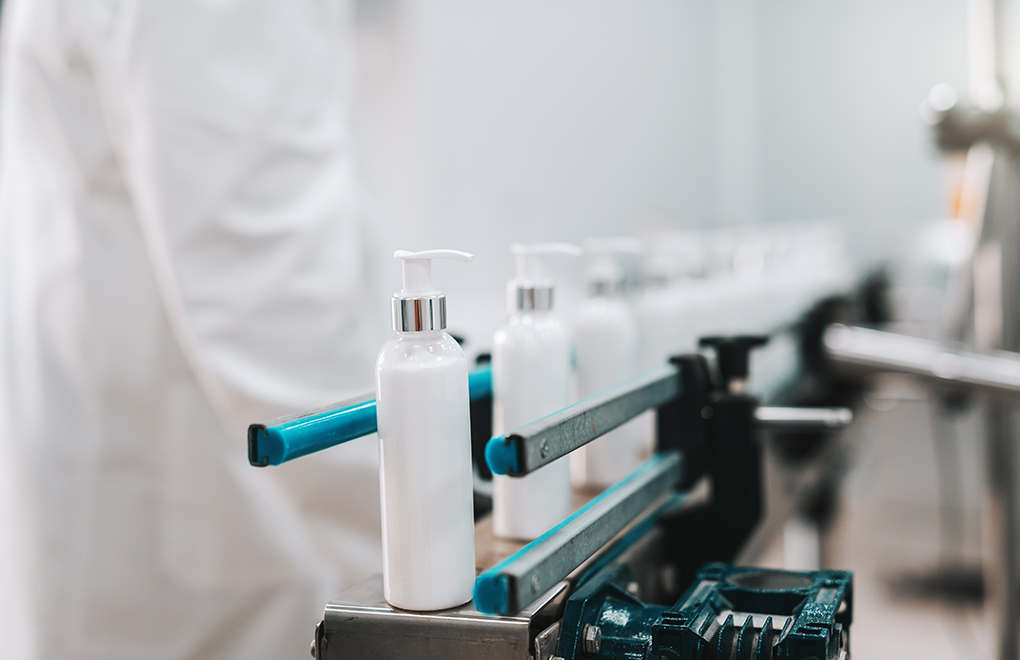
Shampoo Manufacturing Process
A typical production process includes:
Raw Material Preparation
↓
Formula Mixing
↓
Quality Inspection
↓
Filling
↓
Labeling
↓
Packaging
↓
Finished Product Testing
How Much Does It Cost to Develop Shampoo Products?
Costs depend on:
- Formula complexity
- Ingredients
- Packaging
- MOQ
- Testing requirements
Main Cost Factors
| Factor | Impact |
|---|---|
| Custom formula | Higher development cost |
| Premium ingredients | Higher material cost |
| Custom packaging | Higher investment |
| Larger MOQ | Lower unit cost |
👉 Learn more in Custom Hair Care Product Cost Breakdown: Formula, Packaging, and Manufacturing Explained
How Brands Should Launch Shampoo Products
A successful shampoo launch requires:
Product Positioning
Define:
- Target audience
- Unique benefit
- Brand story
Sales Channels
Options:
- Shopify
- Amazon
- Retail
- Salons
👉 Learn more in DTC vs Amazon for Hair Care Brands: Which Sales Channel Is Right for Your Brand?
Marketing Strategy
Use:
- SEO content
- Influencers
- Social media
- Email marketing
Common Mistakes When Developing Shampoo Products
Mistake #1: Creating Generic Shampoo
Generic products struggle with differentiation.
Mistake #2: Focusing Only on Ingredients
Consumers buy solutions, not ingredient lists alone.
Mistake #3: Ignoring Target Customers
Different hair concerns require different formulas.
Mistake #4: Choosing Manufacturers Only Based on Price
Quality and reliability determine long-term success.
Why Work with HODM?
HODM helps brands develop shampoo products from concept to production.
HODM Services
- Private label shampoo
- Custom shampoo formulation
- OEM manufacturing
- ODM development
- Packaging solutions
- Product testing
- Global export support
We help brands create shampoo products designed for modern consumers.
FAQ
Is shampoo a good product category for a new hair care brand?
Yes. Shampoo has strong repeat purchase potential and broad consumer demand, but brands need clear differentiation to compete.
What type of shampoo products are most profitable?
Scalp care shampoos, repair shampoos, premium treatment shampoos, and specialized formulas often provide stronger opportunities because they solve specific problems.
Should I choose private label or custom shampoo formulation?
Private label is better for faster launches, while custom formulas are better for brands seeking unique products and premium positioning.
How long does it take to develop a shampoo product?
Timeline depends on customization. Private label shampoos are typically faster, while custom formulas require more development and testing.
What information does a shampoo manufacturer need before creating a product?
Manufacturers usually need product goals, target market, formula requirements, packaging preferences, quantity expectations, and timeline.
Can shampoo brands sell internationally?
Yes. Brands can expand globally, but they must consider local regulations, labeling requirements, and market preferences.
Conclusion
Shampoo remains one of the strongest opportunities in the hair care industry, but successful brands need more than a basic cleansing product.
The biggest opportunities come from specialized categories:
- Scalp care
- Hair growth
- Repair
- Clean beauty
- Professional treatments
Brands that combine consumer insights, strong formulas, reliable manufacturing, and clear positioning can build successful shampoo product lines.
Develop Your Shampoo Product Line with HODM
HODM supports brands with:
- Private label shampoo
- Custom shampoo formulas
- OEM manufacturing
- Packaging development
- Testing support
- Global market solutions
Contact HODM to create your next shampoo product line.