
Hair Oil Products: How to Develop a Premium Product Line for Your Brand
Hair Oil Products: How to Develop a Premium Product Line for Your Brand
Hair oil products are a strong premium opportunity for hair care brands because they combine high perceived value, versatile benefits, relatively compact packaging, and strong storytelling around ingredients and rituals. To develop a successful hair oil line, brands should define a specific consumer need, choose the right oil format and ingredients, optimize texture and sensory performance, validate stability and packaging compatibility, establish compliant claims, and select a manufacturing model that can scale with demand.
Rather than launching a generic “nourishing hair oil,” new brands can compete more effectively by building targeted products for concerns such as dry ends, frizz, damaged hair, scalp care, curls, shine, or pre-wash treatment.
This guide explains how to develop a premium hair oil product line—from market positioning and formulation to packaging, manufacturing, testing, pricing, and launch strategy.
Why Hair Oil Products Are an Attractive Category for Brands
Hair oils occupy an interesting position between traditional hair care and treatment products.
Consumers may use them before shampooing, after washing, during styling, on the scalp, or as an overnight treatment. This versatility gives brands multiple opportunities to create differentiated products.
From a commercial perspective, hair oils can offer:
- Premium product positioning
- High perceived ingredient value
- Strong visual and social-media appeal
- Relatively compact packaging
- Multiple usage occasions
- Easy integration into complete hair care routines
- Opportunities for both mass and prestige positioning
However, simply combining popular oils is not enough.
The strongest products have a clear reason to exist.
Which Hair Oil Categories Offer the Best Brand Opportunities?
The best category depends on your target customer, positioning, price point, and distribution channel.
Here are several directions brands can consider.
| Hair Oil Category | Primary Consumer Need | Positioning Potential |
|---|---|---|
| Finishing Oil | Shine, smoothness, frizz control | Premium |
| Repair Oil | Dry or damaged hair | Premium |
| Scalp Oil | Scalp and pre-wash routines | High |
| Lightweight Hair Oil | Fine hair without heavy feel | High |
| Curl & Texture Oil | Moisture and definition | High |
| Botanical Oil | Ingredient-led positioning | Premium |
| Pre-Wash Oil | Treatment and ritual | High |
| Multi-Purpose Oil | Hair and scalp versatility | Broad |
A new brand does not need to compete in every segment. One clearly differentiated hero oil can be a stronger starting point than several similar SKUs.
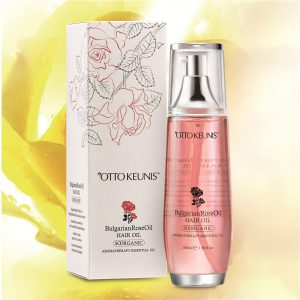
Bulgarian Rose Oil Hair Oil
This Bulgarian rose hair oil is a transformative blend that nourishes, balances, and fortifies hair while boosting self-esteem and confidence. It soothes the scalp, adds sheen, and promotes vibrant, healthy hair.
- Size: 3.4 fl oz / 100 ml
- Key Ingredients: Rose Essential Oil, Linseed Extract, Conditioning Ingredients
- Key Benefits: Scalp Soothing, Deep Nourishment, Hair Strengthening, Shine Enhancement, Smooth Finish
Moroccan Argan Oil Elixir Oil Haircare Tailored
The Moroccan Argan oil elixir is a nourishing blend enriched with vitamin E and essential fatty acids to restore and revitalize over-processed hair, providing a silky finish and brilliant shine without any residue.
- Size: 3.4 fl oz / 100 ml
- Key Ingredients: Argan Oil, Linseed Extract, Conditioning Ingredients
- Key Benefits: Deep Nourishment, Hair Revitalizing, Damage Repair, Shine Enhancement, Silky Finish
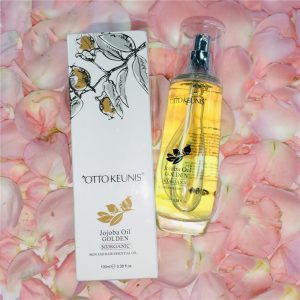
Jojoba Oil Golden
This golden jojoba oil is a serum that balances moisture, restores elasticity, and protects skin and hair from environmental stress. It rejuvenates hair follicles and moisturizes for wrinkle-free skin, making it a versatile essential oil for health.
- Size: 3.4 fl oz / 100 ml
- Key Ingredients: Jojoba Oil, Conditioning Ingredients
- Key Benefits: Moisture Balance, Elasticity Support, Hair Nourishment, Skin Hydration, Environmental Protection
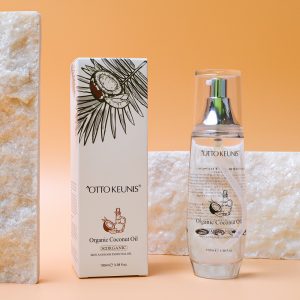
Organic Coconut Oil
This organic coconut oil offers rich flavor and aroma for culinary use while providing deep hydration for skin and hair. As a serum, it smooths and brightens skin, hair, and nails, protecting them from environmental stressors.
- Size: 3.4 fl oz / 100 ml
- Key Ingredients: Coconut Oil, Conditioning Ingredients
- Key Benefits:Deep Hydration, Hair Smoothing, Skin Softening, Natural Shine, Environmental Protectiont
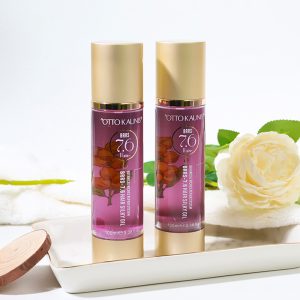
Hair Silky Oil
This platinum blonde hair serum is a luxurious elixir that reduces unwanted tones, enhances color, and restores damaged hair with coconut, argan oil, and honey, adding shine in a lightweight, residue-free, silky formula.
- Size: 1.69 fl oz / 50 ml
- Key Ingredients: Argan Oil, Coconut Oil, Macadamia Oil, Honey Extract, Conditioning Ingredients
- Key Benefits: Tone Correction, Color Enhancement, Hair Repair, Shine Enhancement, Lightweight Care
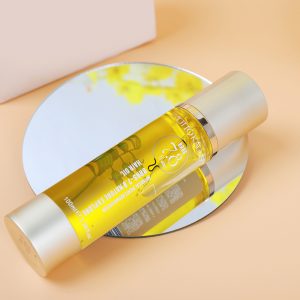
Nature Explore Hair Oil
This nature explore hair oil restores over-processed hair with 11 natural oils like jojoba, argan, camellia seed, and sweet almond, delivering silky smoothness, shine, and protection without residue.
- Size: 3.4 fl oz / 100 ml
- Key Ingredients: Jojoba Oil, Argan Oil, Camellia Seed Oil, Macadamia Oil, Conditioning Ingredients
- Key Benefits: Hair Repair, Deep Nourishment, Silky Smoothness, Shine Enhancement, Damage Protection
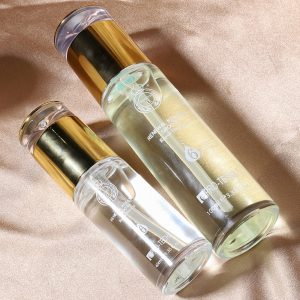
Renewal Keratin Smooth Repair Hair Oil No.6
This keratin repair hair oil is essential for all hair types, offering repair, smoothness, hydration, and shine. Infused with lavender and rose oils, it provides intensive repair, color protection, and frizz control, leaving hair silky and glossy.
- Size: 1.86 fl oz / 40 ml | 3.4 fl oz / 100 ml
- Key Ingredients: Argan Oil, Macadamia Oil, Lavender Oil, Rose Oil, Aloe Vera Extract
- Key Benefits: Hair Repair, Frizz Control, Deep Hydration, Color Protection, Silky Shine
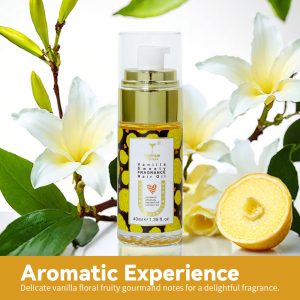
Fragrance Hair Oil
This vanilla sweety fragrance hair oil revives, hydrates, and detangles hair, wigs, and extensions. Formulated with jojoba, argan, shea butter, and coconut oils, it delivers a silky finish, brilliant shine, and an invigorating vanilla floral fruity scent.
- Size: 1.86 fl oz / 40 ml | 3.4 fl oz / 100 ml
- Key Ingredients: Argan Oil, Jojoba Wax, Coconut Oil, Shea Butter, Vitamin E
- Key Benefits: Deep Hydration, Easy Detangling, Silky Smoothness, Shine Enhancement, Fragrance Boost
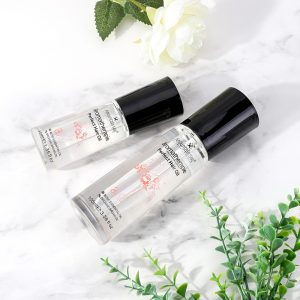
Perfect Hair Oil
This lightweight hair oil, enriched with rose essential oil and organic argan oil, hydrates, smooths, and restores damaged hair while adding softness and shine without leaving residue.
- Size: 1.86 fl oz / 40 ml | 3.4 fl oz / 100 ml
- Key Ingredients: Argan Oil, Rose Essential Oil, Conditioning Ingredients
- Key Benefits: Deep Hydration, Hair Repair, Silky Smoothness, Shine Enhancement, Lightweight Care
How to Develop a Premium Hair Oil Formula
A premium product is not determined by the ingredient list alone.
The formulation should balance:
- Performance
- Texture
- Absorption
- Spreadability
- Residue
- Fragrance
- Stability
- Packaging compatibility
A typical development process begins with a detailed product brief.
Step 1: Define the Product Concept
Before asking a manufacturer to formulate anything, answer:
- Who is the target customer?
- What problem does the product address?
- How will it be used?
- What should it feel like?
- What price range are you targeting?
- Which market will it be sold in?
- Which claims are important?
- Which ingredients should be included or avoided?
Compare these two briefs:
Brief A:
“We want an argan hair oil.”
Brief B:
“We want a lightweight premium finishing oil for dry, frizz-prone hair that improves shine and smoothness without a greasy after-feel. The product will be sold primarily through DTC channels in the United States.”
Brief B gives a formulation team much more useful information.
Step 2: Choose the Formula Architecture
Not every hair oil needs to be a simple blend of vegetable oils.
Depending on the desired sensory profile and positioning, a formulator may work with different emollient systems, botanical oils, conditioning components, fragrance, antioxidants, or other suitable ingredients.
The formula should be designed around the desired experience.
For a finishing oil, priorities might include:
- Lightweight spreading
- Fast absorption
- Low residue
- Shine
- Smoothness
For a pre-wash treatment, priorities may instead include:
- Richer application
- Longer contact time
- Scalp or hair coverage
- Easy wash-out
The intended use determines the formulation strategy.
How to Choose Ingredients for a Hair Oil
Ingredient selection should be based on function, stability, target customer, positioning, and regulatory suitability.
Argan Oil
Commonly associated with:
- Premium hair care
- Shine
- Conditioning
- Nourishing positioning
It also has strong consumer recognition.
Jojoba Oil
Often used in products positioned around lightweight conditioning and scalp or hair care.
Coconut Oil
Highly recognizable and suitable for strong natural-product storytelling, although formulation and sensory considerations remain important.
Camellia Oil
Can support a premium or botanical positioning and is particularly useful when the brand wants a more distinctive ingredient story.
Antioxidant Components
Oil-based products may require attention to oxidation and long-term stability. Formula developers may use appropriate antioxidant strategies depending on the oil system.
The final ingredient system should be selected by the formulator based on the complete formula rather than individual ingredient popularity.
Texture May Matter More Than the Ingredient List
For hair oils, sensory performance can determine whether customers reorder.
Consumers often dislike products that:
- Feel excessively greasy
- Weigh hair down
- Transfer heavily onto hands
- Leave visible residue
- Are difficult to dispense
During sample evaluation, brands should test:
- Spreadability
- Absorption
- Shine
- Greasiness
- Hair feel
- Residue
- Fragrance
- Dispensing experience
Test the formula on the actual target hair types whenever practical.
A beautiful ingredient story cannot compensate for an unpleasant user experience.
Private Label vs Custom Formula Hair Oil
Brands generally have two main development paths.
Private Label Hair Oil
A manufacturer provides an existing formula that can be branded for your company.
Advantages include:
- Faster development
- Lower upfront formulation investment
- Simpler product validation
- Potentially lower barriers for startups
It can be suitable for brands prioritizing speed to market.
Custom Formula Hair Oil
The manufacturer develops or substantially customizes the formula around your brief.
Advantages include:
- Greater differentiation
- More control over sensory characteristics
- More distinctive ingredient positioning
- Better alignment with premium brand strategy
Custom development generally requires more time, testing, and investment.
| Factor | Private Label | Custom Formula |
| Speed | Faster | Longer |
| Development Cost | Lower | Higher |
| Differentiation | Lower | Higher |
| Formula Flexibility | Limited | High |
| Best For | Market validation | Long-term differentiation |
Hair Oil Sampling and Product Development
Once the product brief is confirmed, the manufacturer can begin sample development.
A typical workflow looks like:
Product Brief → Formula Selection/Development → First Sample → Brand Evaluation → Revisions → Final Formula Approval
When evaluating samples, do not judge only the first five seconds of application.
Consider:
- Immediate feel
- Hair appearance after application
- Performance several hours later
- Performance across different hair types
- Packaging dispensing
- Fragrance evolution
- Residue after repeated use
Document feedback clearly.
Instead of saying:
“Make it better.”
Give actionable feedback such as:
“Reduce the heavy after-feel while maintaining the current level of shine.”
Clear feedback can reduce unnecessary development rounds.
Hair Oil Testing and Stability Considerations
Oil-based products may have different microbiological risks from water-based formulas, but that does not mean brands should automatically assume testing is unnecessary.
The testing program should be determined by the actual formulation, packaging, manufacturing process, intended use, and target-market requirements.
Depending on the product, evaluation may include:
- Stability testing
- Packaging compatibility
- Oxidation monitoring
- Appearance and odor evaluation
- Relevant safety assessments
- Microbiological evaluation where applicable
Testing should answer practical questions such as:
- Does the color change over time?
- Does the fragrance deteriorate?
- Does the formula remain homogeneous?
- Does the packaging interact with the product?
- Does the dispensing system continue working correctly?
Packaging Options for Premium Hair Oils
Hair oil packaging strongly influences perceived value.
Common formats include:
- Pump bottles
- Dropper bottles
- Treatment pumps
- Glass bottles
- Plastic bottles
- Controlled-dispensing systems
But packaging should not be selected based on appearance alone.
Consider:
- Formula compatibility
- Leakage risk
- Dispensing accuracy
- Shipping durability
- Product viscosity
- Consumer convenience
- Decoration options
- Unit cost
For ecommerce brands, durability is especially important because attractive but fragile packaging can increase fulfillment problems.
A premium package should look good and work reliably.
Hair Oil Claims and Compliance
Claims require particular attention when developing products positioned around hair growth or scalp concerns.
Cosmetic positioning such as improving the appearance of shine, softness, smoothness, or manageability is different from claims that imply treatment of a medical condition or alteration of physiological functions.
The exact regulatory implications depend on:
- Target country
- Formula
- Ingredients
- Product presentation
- Label language
- Advertising claims
Brands should therefore define the target market before finalizing the formula and claims.
Do not develop the formula first and investigate compliance only after packaging has been printed.
How Much Does It Cost to Develop a Hair Oil Product?
There is no single standard cost because the final price depends on the complete specification.
Major cost drivers include:
| Cost Factor | Why It Matters |
| Formula | Custom development can increase upfront costs |
| Ingredients | Premium oils and actives affect material cost |
| Concentration | Ingredient usage affects unit economics |
| Packaging | Custom bottles and decoration add cost |
| MOQ | Production volume affects unit pricing |
| Testing | Requirements vary by formula and market |
| Outer Packaging | Cartons and inserts add cost |
| Freight | Heavy or fragile packaging affects logistics |
Brands should compare total landed product cost, not simply the manufacturer’s filling price.
A cheap formula combined with expensive packaging, low-volume freight, and complicated customization may produce worse margins than a more intelligently designed product.
What MOQ Should a New Hair Oil Brand Choose?
The best MOQ is not automatically the lowest MOQ available.
Your first production quantity should balance:
- Manufacturing economics
- Available capital
- Expected sales velocity
- Marketing budget
- Reorder lead time
- Inventory risk
For a new brand, over-ordering can lock too much capital into inventory.
Under-ordering can create stockouts just as marketing begins to work.
The goal is to order enough inventory to validate demand while maintaining enough working capital for customer acquisition and reorders.
Should You Launch One Hair Oil or a Complete Product Line?
For many new brands, a focused launch is more efficient.
A strong approach is:
1 Hero Product + 1–2 Complementary Products
For example:
Premium Repair Line
Hero Product: Repair Hair Oil
Supporting products:
- Repair Hair Mask
- Repair Shampoo
Or:
Scalp Care Line
Hero Product: Pre-Wash Scalp Oil
Supporting products:
- Scalp Scrub
- Scalp Serum
This approach provides enough products for bundling without creating excessive inventory complexity.
A hero-product strategy also makes advertising easier because the brand has one clear product to communicate.
How to Position a Hair Oil as a Premium Product
Premium positioning is not created simply by increasing the price.
The complete product experience needs to support it.
Focus on five areas:
1. Specific problem
What exact need does the product address?
2. Distinctive formula
Why is the formulation different?
3. Sensory experience
How does the product feel, smell, dispense, and perform?
4. Packaging
Does the physical product support the intended price point?
5. Brand story
Can consumers quickly understand why the product deserves attention?
For example:
Generic:
Natural Nourishing Hair Oil
More differentiated:
Lightweight Botanical Repair Oil for Dry, Color-Treated Hair
The second concept communicates the audience, benefit, and product experience more clearly.
How to Manufacture Hair Oil Products at Scale
Once the formula, packaging, testing plan, and specifications are approved, the project can move toward commercial production.
The exact manufacturing process depends on the formula, but generally includes:
Raw Material Verification → Batch Manufacturing → In-Process Quality Checks → Filling → Packaging → Finished Product Inspection → Release
Before approving a manufacturer, brands should evaluate:
- Relevant manufacturing experience
- Quality management
- Raw material controls
- Batch traceability
- Production capacity
- Packaging capability
- Testing support
- Export experience
- Communication
The best manufacturing partner should be able to support not only the first production run but also future growth.
How to Launch and Sell a Hair Oil Product Line
The ideal sales strategy depends on the product positioning.
DTC / Shopify
Works well for products that need:
- Education
- Brand storytelling
- Bundles
- Subscription or retention strategies
Amazon
Can provide access to high-intent shoppers but requires strong differentiation, reviews, listing optimization, and competitive economics.
Salons
Can be effective for professional or treatment-focused oils where stylist recommendations strengthen credibility.
Retail
Provides broader physical exposure but introduces additional margin, inventory, packaging, and operational requirements.
Common Mistakes When Developing Hair Oil Products
Mistake #1: Copying a Competitor’s Product
Use competitors for market research, not as your entire product strategy.
Your product needs its own customer, positioning, and reason to exist.
Mistake #2: Assuming More Oils Mean a Better Formula
A long ingredient list does not automatically improve performance.
Formula coherence matters more.
Mistake #3: Ignoring Greasiness and Hair Feel
A product can look excellent on paper but fail because consumers dislike using it.
Mistake #4: Choosing Packaging Before Finalizing the Formula
Formula and packaging need to work together.
Mistake #5: Making Aggressive Hair Growth Claims Too Early
Claims should be considered during product development—not added casually during marketing.
Mistake #6: Selecting a Manufacturer Based Only on Unit Price
A lower quote may not represent lower total cost once testing, packaging, quality, communication, and delays are considered.
Hair Oil Product Development Checklist
Before starting production, confirm that you have defined:
- Target customer
- Primary hair concern
- Product positioning
- Intended usage
- Formula type
- Hero ingredients
- Desired texture and sensory profile
- Target market
- Intended claims
- Packaging format
- Testing requirements
- Initial order quantity
- Target retail price
- Target launch date
- Manufacturing partner
The clearer these decisions are before development begins, the easier it becomes to obtain useful samples, accurate quotations, and realistic production timelines.
Why Work with HODM for Hair Oil Product Development?
HODM supports brands developing private label and customized hair care products from concept through manufacturing.
Depending on project requirements, support can include:
- Product concept development
- Private label hair oil options
- Custom formulation
- OEM/ODM manufacturing
- Ingredient selection
- Sample development
- Packaging sourcing
- Testing coordination
- Production
- Export support
For brands building a premium hair oil line, the goal should not simply be to manufacture another oil—it should be to develop a commercially viable product that fits a clear market position.
FAQ
Is hair oil a good product to launch for a new hair care brand?
Hair oil can be an attractive category because it supports premium positioning, targeted benefits, ingredient storytelling, and relatively compact packaging. Success still depends on differentiation, product performance, pricing, and customer acquisition.
What types of hair oils can a brand develop?
Brands can develop finishing oils, repair oils, scalp oils, pre-wash treatments, curl oils, lightweight oils, botanical oils, and other targeted products depending on the intended market.
What is the difference between hair oil and hair serum?
Hair oil typically emphasizes conditioning, nourishment, shine, or treatment through an oil-based or oil-forward system, while “hair serum” is a broader marketing category that can use different formulation architectures and target concerns such as scalp care, frizz, repair, or styling.
Can I private label an existing hair oil formula?
Yes. Manufacturers may offer existing formulas that can be paired with your branding and packaging. Available customization, MOQ, testing, and exclusivity depend on the manufacturer.
Should I create a custom hair oil formula?
Custom formulation is worth considering when formula differentiation, texture, ingredient strategy, or premium positioning is central to your brand. Private label may be more appropriate when speed and initial market validation are the priorities.
What packaging is best for hair oil?
Pumps, droppers, and controlled-dispensing bottles are common options. The best format depends on viscosity, formula compatibility, target positioning, shipping requirements, dosage, and consumer experience.
How long does hair oil product development take?
There is no universal timeline. Development time depends on whether the formula is stock or custom, the number of sample revisions, testing requirements, packaging availability, regulatory preparation, and production scheduling.
What should I send a manufacturer to get a hair oil quote?
Prepare your target product, target market, formula preferences, desired ingredients or claims, packaging requirements, expected order quantity, target price range, and launch timeline.
Conclusion
Hair oil products can provide attractive opportunities for brands that want to combine premium positioning with targeted hair care benefits.
But the strongest opportunity is not simply “hair oil.”
It is a clearly defined product such as a lightweight anti-frizz oil, premium repair treatment, botanical scalp oil, curl-focused treatment, or pre-wash ritual designed for a specific customer.
Successful development requires brands to connect five elements:
Customer Need → Product Positioning → Formula → Packaging → Manufacturing
When these elements support the same product story, a hair oil can become a hero SKU and eventually the foundation of a larger product system.
Develop a Premium Hair Oil Product Line with HODM
Whether you are launching your first hero product or expanding an established hair care portfolio, HODM can support private label, OEM, ODM, and custom hair oil development.
Prepare your target product, formula requirements, packaging direction, quantity, target market, and launch goals before requesting a quote. This allows the manufacturing team to recommend a more suitable development path.