
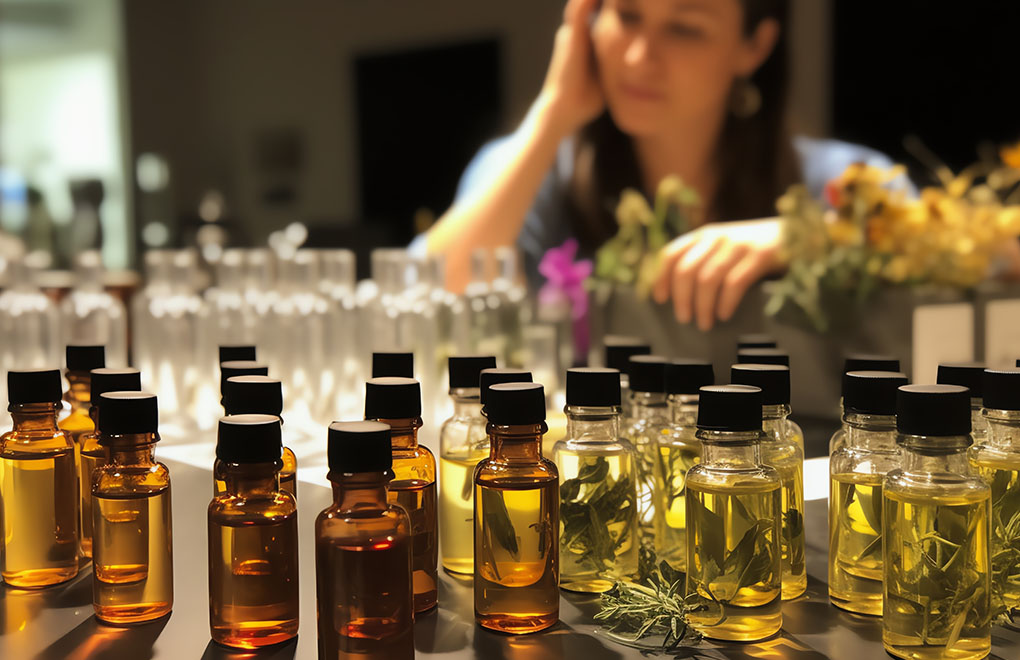
Custom Hair Oil Products: Market Demand, Formulation, and Manufacturing Guide (2026)
How do brands develop custom hair oil products?
Developing custom hair oil products involves identifying a target market, selecting effective oils and active ingredients, creating a stable formulation, choosing suitable packaging, ensuring regulatory compliance, and partnering with an experienced manufacturer. Hair oils remain one of the fastest-growing categories in the beauty industry due to their versatility, premium positioning, and strong demand for hair growth, scalp care, hydration, and repair solutions.
For private label brands, salons, Amazon sellers, and DTC entrepreneurs, custom hair oils offer high margins, strong repeat purchase rates, and excellent social media marketing potential.
Why Hair Oils Are One of the Fastest-Growing Hair Care Categories
Hair oils have evolved from simple conditioning products into targeted treatment solutions.
Modern consumers use hair oils for:
- Hair growth support
- Scalp wellness
- Frizz control
- Moisture retention
- Heat protection
- Hair repair
Why Hair Oils Sell So Well
| Advantage | Business Impact |
|---|---|
| Premium positioning | Higher profit margins |
| Small package size | Lower shipping costs |
| Visible results | Better customer satisfaction |
| Multi-purpose use | Larger target audience |
| High repeat purchases | Increased customer lifetime value |
👉 Hair oils are among the most profitable product categories for modern beauty brands.
👉 Explore product opportunities in Top-Selling Hair Care Products in 2026
Understanding Today’s Hair Oil Market
Consumer demand has shifted toward performance-driven oils.
Fastest-Growing Hair Oil Segments
| Category | Growth Potential |
|---|---|
| Hair growth oils | Very high |
| Scalp treatment oils | High |
| Anti-frizz oils | Strong |
| Curl-enhancing oils | Growing |
| Multi-benefit oils | High |
Consumers increasingly seek products that combine natural ingredients with visible results.
Step 1: Choose Your Hair Oil Market Positioning
Successful products solve specific problems.
Popular Hair Oil Positioning Strategies
| Positioning | Target Audience |
|---|---|
| Hair Growth Oil | Thinning hair concerns |
| Scalp Wellness Oil | Wellness consumers |
| Repair Oil | Damaged hair |
| Anti-Frizz Oil | Dry hair market |
| Curl Oil | Textured hair consumers |
| Luxury Hair Oil | Premium beauty buyers |
👉 Narrow positioning often outperforms broad positioning.
👉 Learn differentiation strategy in Hair Care Brand Positioning Strategy
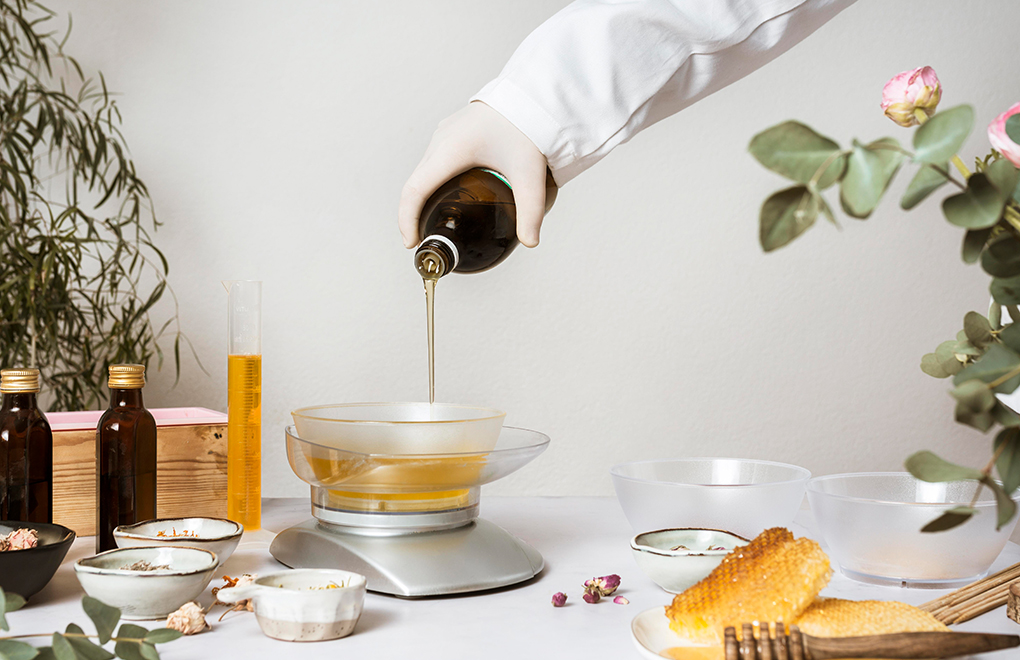
Step 2: Select the Right Base Oils
The base oil determines much of the product’s performance.
Most Popular Hair Oil Ingredients
| Oil | Primary Benefit |
|---|---|
| Argan Oil | Shine & hydration |
| Jojoba Oil | Scalp balancing |
| Castor Oil | Hair growth support |
| Coconut Oil | Moisture retention |
| Rosemary Oil | Scalp stimulation |
| Avocado Oil | Repair & nourishment |
Ingredient Selection Strategy
Different oils support different product claims.
For example:
- Hair growth oils often feature rosemary and castor oil.
- Luxury oils often use argan and avocado oil.
- Scalp oils frequently include jojoba and rosemary.
👉 Ingredient selection should align with product positioning.
👉 Learn ingredient trends in Best Ingredients for Hair Growth Products
Step 3: Develop a Unique Formula
Modern consumers expect more than a single oil blend.
Trending Formula Additions
| Active Ingredient | Benefit |
|---|---|
| Peptides | Follicle support |
| Biotin | Hair strengthening |
| Vitamin E | Antioxidant protection |
| Niacinamide | Scalp health |
| Botanical Extracts | Natural positioning |
Formula Trends for 2026
- Lightweight oil blends
- Multi-functional formulas
- Scalp-focused treatments
- Clean beauty ingredients
👉 Multi-benefit products generally perform better than single-benefit products.
👉 Learn formulation strategy in Custom Hair Care Formulation: How to Develop Unique Products for Your Brand
Step 4: Capitalize on the Hair Growth Trend
Hair growth remains one of the strongest drivers of demand.
Why Hair Growth Oils Continue to Grow
| Consumer Concern | Product Opportunity |
|---|---|
| Thinning hair | Growth serums and oils |
| Preventative care | Younger consumers |
| Scalp wellness | Long-term routines |
Hair growth products consistently perform well across:
- TikTok
- Amazon
- DTC websites
- Salon retail
👉 Learn category opportunities in Hair Growth Products: Why This Category Keeps Growing
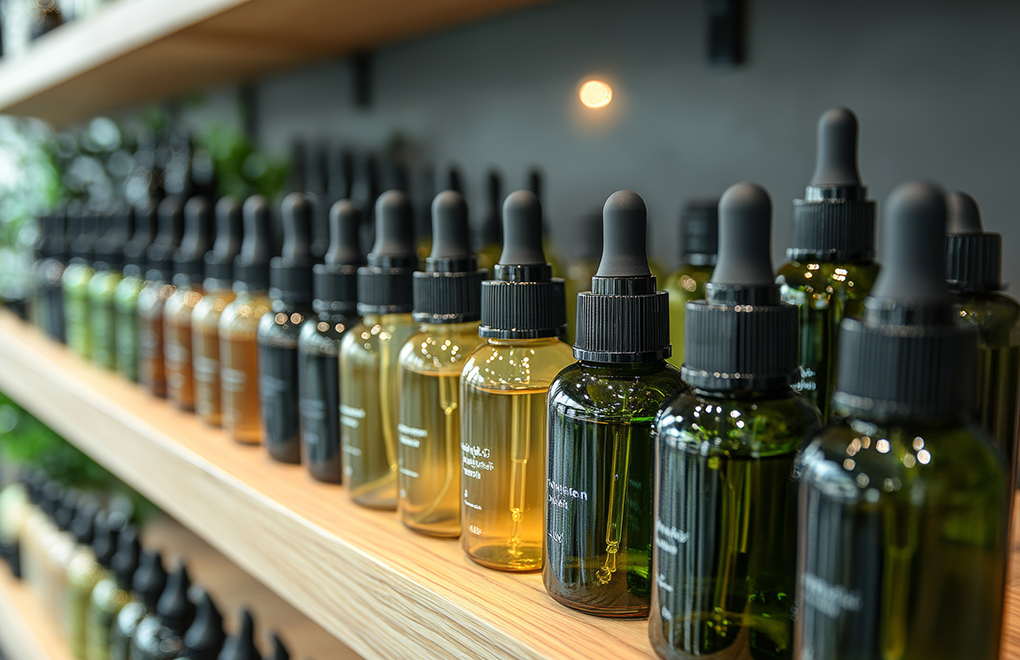
Step 5: Design Premium Packaging
Packaging significantly influences perceived value.
Best Packaging Formats
| Format | Best For |
|---|---|
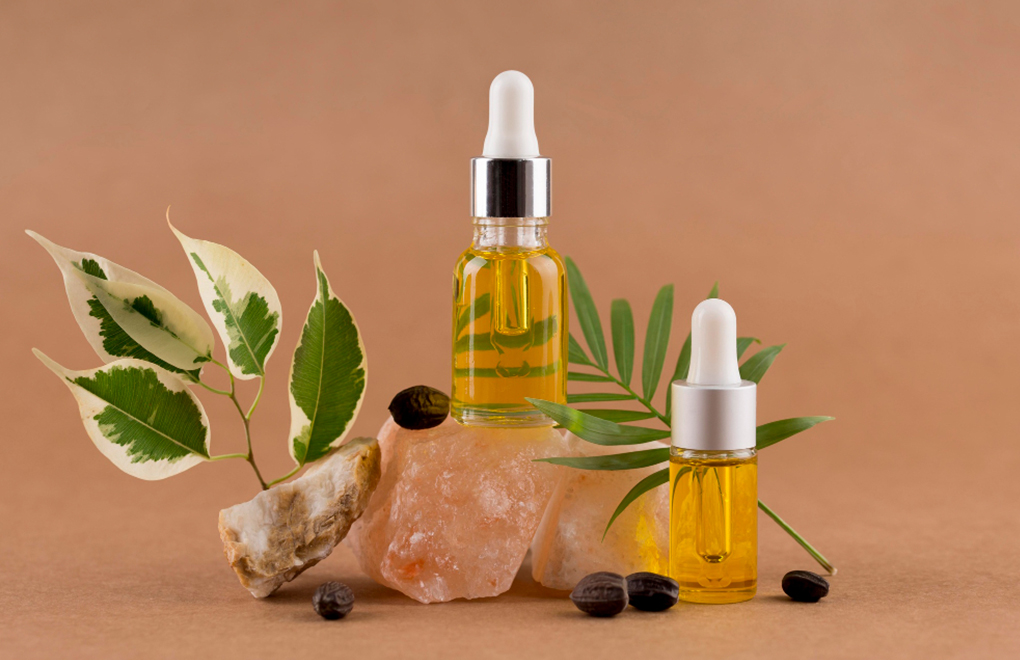
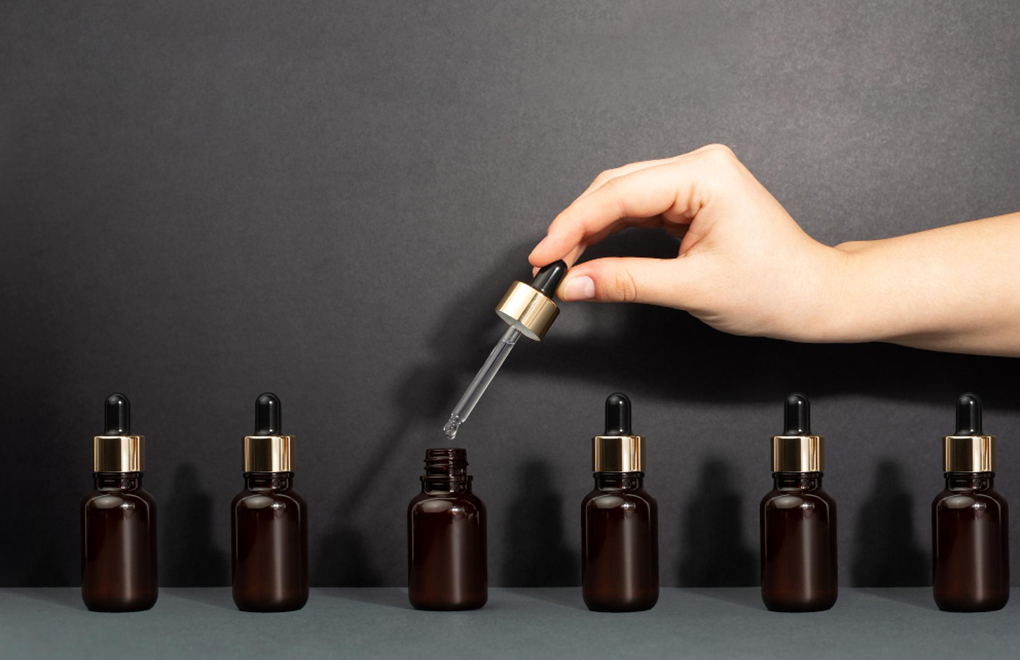
| Dropper Bottles | Scalp oils |
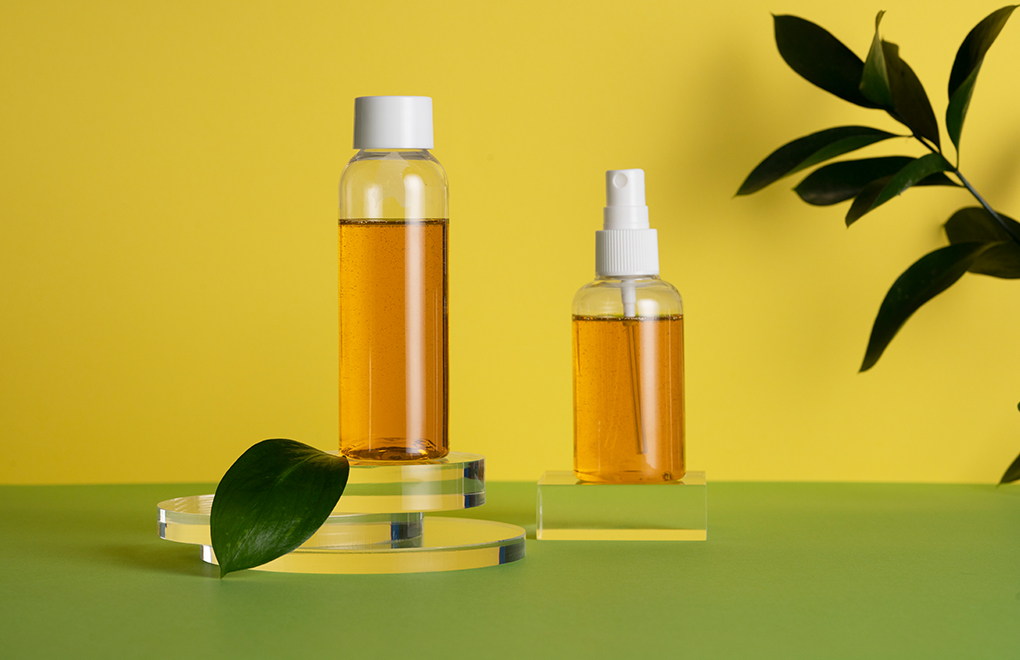
| Pump Bottles | Daily-use oils |
| Glass Bottles | Luxury positioning |
| Airless Packaging | Premium protection |
Packaging Trends in 2026
- Frosted glass bottles
- Sustainable packaging
- Minimalist branding
- Premium metallic accents
👉 Packaging often determines whether consumers perceive a product as premium or generic.
👉 Learn packaging strategy in Hair Care Packaging Design Trends
👉 Learn sustainable options in Sustainable Hair Care Packaging
Step 6: Decide Between OEM, ODM, or Private Label
Manufacturing strategy affects launch speed and product uniqueness.
Manufacturing Options
| Model | Best For |
|---|---|
| Private Label | Fast launches |
| ODM | Moderate customization |
| OEM | Full customization |
Which Is Best?
- Startups often choose ODM.
- Premium brands often choose OEM.
- Amazon sellers often start with Private Label.
👉 Learn manufacturing differences in OEM vs ODM in Hair Care: Key Differences and Which Model Is Best for Your Brand
Step 7: Meet Regulatory and Labeling Requirements
Hair oils are cosmetic products and must comply with applicable regulations.
Common Requirements
- Ingredient declarations
- INCI naming
- Product safety assessments
- Claims compliance
Proper compliance helps protect both brands and consumers.
👉 Learn compliance requirements in Hair Care Label Requirements in the USA
Step 8: Create a Marketing Strategy
Hair oils perform exceptionally well on visual platforms.
Best Marketing Channels
| Channel | Why It Works |
|---|---|
| TikTok | Transformations & tutorials |
| Beauty storytelling | |
| Amazon | High purchase intent |
| DTC Website | Customer retention |
| Influencers | Social proof |
High-Performing Content Types
- Hair growth journeys
- Before-and-after results
- Scalp massage tutorials
- Ingredient education
👉 Hair oils are among the easiest hair care products to market visually.
👉 Learn social growth strategy in TikTok Marketing for Hair Care Brands
👉 Learn creator strategy in Influencer Marketing for Hair Care Products
Step 9: Build a Product Ecosystem
The most successful brands sell systems, not individual products.
Example Product Line
| Product | Purpose |
|---|---|
| Hair Growth Oil | Growth support |
| Scalp Oil | Wellness positioning |
| Repair Oil | Damage recovery |
| Hair Serum | Advanced treatment |
| Hair Mask | Deep conditioning |
👉 Product ecosystems improve retention and customer lifetime value.
👉 Learn retention strategy in Email Marketing for Hair Care Brands
Common Hair Oil Brand Mistakes
| Mistake | Impact |
|---|---|
| Generic formulas | Weak differentiation |
| Poor packaging | Reduced premium perception |
| Weak ingredient story | Lower trust |
| No social strategy | Slower growth |
👉 Successful brands combine formulation, branding, and education.
Why Hair Oils Are Ideal for Private Label Brands
Key Advantages
| Advantage | Benefit |
|---|---|
| Premium pricing | Higher margins |
| Small packaging | Lower logistics costs |
| Strong repeat purchases | Better retention |
| Social media appeal | Easier customer acquisition |
👉 Hair oils remain one of the most scalable categories in modern hair care.
Why Work with HODM
HODM helps brands develop custom hair oil products from concept to commercialization.
HODM Capabilities
| Capability | Benefit |
|---|---|
| Custom oil formulations | Product differentiation |
| Hair growth expertise | Market relevance |
| Premium packaging solutions | Stronger branding |
| Flexible MOQ | Easier launches |
| Scalable production | Long-term growth |
👉 HODM supports salon brands, Amazon sellers, distributors, and DTC beauty companies.
FAQ
What are the best ingredients for custom hair oil products?
Popular ingredients include argan oil, castor oil, rosemary oil, jojoba oil, avocado oil, peptides, and biotin. The best combination depends on your target audience and product positioning.
Are hair oils profitable for private label brands?
Yes. Hair oils often have strong margins because of their premium positioning, small packaging requirements, high repeat purchase rates, and broad consumer appeal.
What is the difference between a hair oil and a hair serum?
Hair oils primarily focus on nourishment, hydration, and scalp health, while hair serums are often designed for targeted treatment, styling benefits, or advanced performance claims.
Should I choose OEM or private label for a custom hair oil?
OEM is generally best for brands seeking custom formulations and stronger differentiation, while private label is ideal for faster market entry and lower startup costs.
How long does it take to develop a custom hair oil?
Development timelines vary depending on formulation complexity, packaging customization, testing requirements, and manufacturing schedules. OEM projects generally require more development time than standard private label solutions.
👉 Learn custom formulation strategy in Custom Hair Care Formulation: How to Develop Unique Products for Your Brand
👉 Explore manufacturing options in OEM vs ODM in Hair Care: Key Differences and Which Model Is Best for Your Brand
👉 Build your brand with How to Build a DTC Hair Care Brand
👉 Discover growth opportunities in Hair Growth Products: Why This Category Keeps Growing
Conclusion
Custom hair oil products continue to be one of the strongest opportunities in the beauty industry. With growing consumer demand for hair growth, scalp wellness, hydration, and repair solutions, brands that combine effective formulations, premium packaging, and strategic marketing can build highly profitable product lines and long-term customer loyalty.
Launch Your Custom Hair Oil Brand with HODM
HODM offers:
- Custom hair oil formulation development
- Hair growth and scalp care expertise
- Premium packaging support
- Flexible MOQ and scalable manufacturing
Contact us today to create your next best-selling hair oil product line.