
Hair Serum Products: Market Opportunities, Formulation, and Development Guide for Brands
Why Are Hair Serum Products a Strong Opportunity for Brands?
Hair serum products are a high-potential category for brands because they offer targeted solutions, premium pricing opportunities, strong ecommerce performance, and repeat purchase potential. Popular hair serum categories include hair growth serums, scalp serums, repair serums, anti-frizz serums, and shine-enhancing treatments. Successful brands develop differentiated formulas based on specific consumer problems, effective ingredients, strong positioning, and reliable manufacturing strategies.
For beauty entrepreneurs, private label brands, salon companies, and DTC businesses, hair serums provide an opportunity to create premium products with strong customer value.
Hair serum products have become one of the fastest-growing categories in the modern hair care industry.
Unlike traditional shampoo and conditioner products, serums are positioned as targeted solutions designed to address specific consumer concerns.
Popular hair serum categories include:
- Hair growth serums
- Scalp serums
- Repair serums
- Anti-frizz serums
- Shine serums
- Heat protection serums
For brands, hair serums offer strong opportunities because they combine:
- Premium positioning
- Higher perceived value
- Problem-solving benefits
- Ecommerce-friendly marketing
This guide explains hair serum market opportunities, formulation strategies, manufacturing processes, and launch considerations.
Why Hair Serum Products Are Attractive for New Brands
Hair serums are different from traditional hair care products because they are often viewed as specialized treatments.
Business Advantages
| Advantage | Brand Opportunity |
|---|---|
| Targeted benefits | Easier differentiation |
| Premium positioning | Higher pricing potential |
| Small packaging | Easier shipping |
| Treatment category | Strong customer motivation |
| Repeat usage | Better retention |
Current Hair Serum Market Trends Brands Should Know
Consumers increasingly prefer targeted hair solutions.
Major opportunities include:
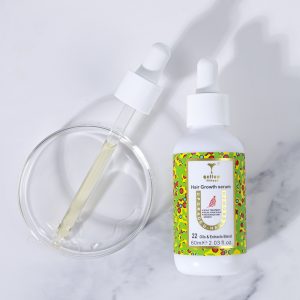
Hair Growth Serum
This hair growth serum, with essential oils, plant extracts, and biotin, refreshes the scalp and reduces hair loss from breakage. Featuring 22 oils and extracts, it promotes denser-looking hair, ideal for normal to thin hair.
- Size: 2.03 fl oz / 60 ml | 3.4 fl oz / 100 ml
- Key Ingredients: Biotin, Rosemary Oil, Peppermint Oil, Tea Tree Oil, Ginger Extract
- Key Benefits: Hair Growth, Scalp Refresh, Breakage Reduction, Root Nourishment, Hair Density
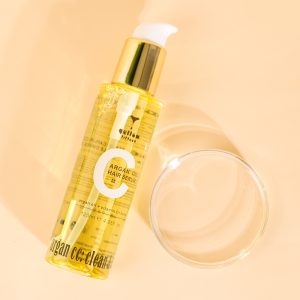
Argan Oil Hair Serum
This argan oil hair serum is a luxurious elixir enriched with essential nutrients to nourish and strengthen all hair types, combating dryness, reviving hair, and leaving it soft, smooth, and manageable with no residue, just a silky shine.
- Size: 8.45 fl oz / 250 ml | 16.91 fl oz / 500 ml | 33.81 fl oz / 1000 ml
- Key Ingredients: Argan Oil, Vitamin C Derivative, Lemon Balm Extract, Conditioning Ingredients
- Key Benefits: Deep Nourishment, Dryness Control, Smooth Finish, Shine Enhancement, Frizz Control
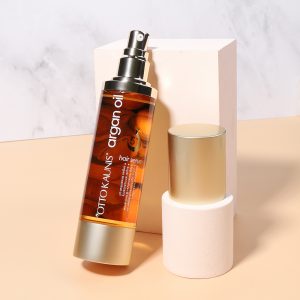
Argan Oil Hair Serum
This hair serum with argan oil offers rich nutrients, an ultra-light texture, and superior moisture for all hair types. Enriched with antioxidants and essential oils, it delivers shine, revitalizes over-processed hair, and leaves it hydrated without residue.
- Size: 3.4 fl oz / 100 ml
- Key Ingredients: Argan Oil, Linseed Extract, Antioxidant Ingredients, Conditioning Ingredients
- Key Benefits: Deep Hydration, Hair Revitalizing, Shine Enhancement, Lightweight Care, Frizz Control
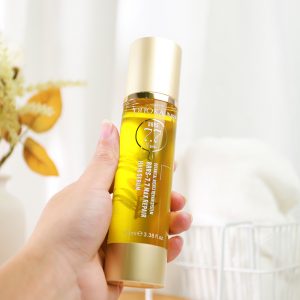
Max Repair Hair Serum
This max repair serum, enriched with jojoba, argan, sea buckthorn, and plant oils, restores and detangles over-processed hair; its ultra-light, residue-free formula delivers a silky, shiny finish with heat, UV, and color protection.
- Size: 8.45 fl oz / 250 ml | 16.91 fl oz / 500 ml | 33.81 fl oz / 1000 ml
- Key Ingredients: Argan Oil, Jojoba Oil, Sea Buckthorn Oil, Macadamia Oil, Vitamin E
- Key Benefits: Hair Repair, Detangling Care, Heat Protection, Color Protection, Shine Enhancement
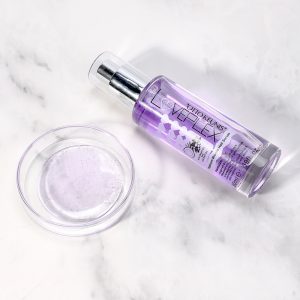
Platinum Blonde Hair Serum
This platinum blonde hair serum is a luxurious elixir that reduces unwanted tones, enhances color, and restores damaged hair with coconut, argan oil, and honey, adding shine in a lightweight, residue-free, silky formula.
- Size: 1.69 fl oz / 50 ml
- Key Ingredients: Argan Oil, Coconut Oil, Macadamia Oil, Honey Extract, Conditioning Ingredients
- Key Benefits: Tone Correction, Color Enhancement, Hair Repair, Shine Enhancement, Lightweight Care
Choosing Between Private Label and Custom Hair Serum Formulas
The manufacturing model affects investment, timeline, and differentiation.
Private Label Hair Serum
Uses existing formulas from manufacturers.
Advantages
- Faster launch
- Lower development costs
- Easier market testing
Best for:
- Startups
- Amazon brands
- New beauty companies
👉 Learn more in Private Label Hair Care: Complete Guide to Building a Profitable Brand
Custom Hair Serum Formula
Developed specifically for your brand.
Advantages
- Unique formula
- Stronger differentiation
- Premium positioning
Best for:
- Luxury brands
- DTC companies
- Retail-focused brands
👉 Learn more in Custom Formula vs Private Label Hair Care: Which Should You Choose?
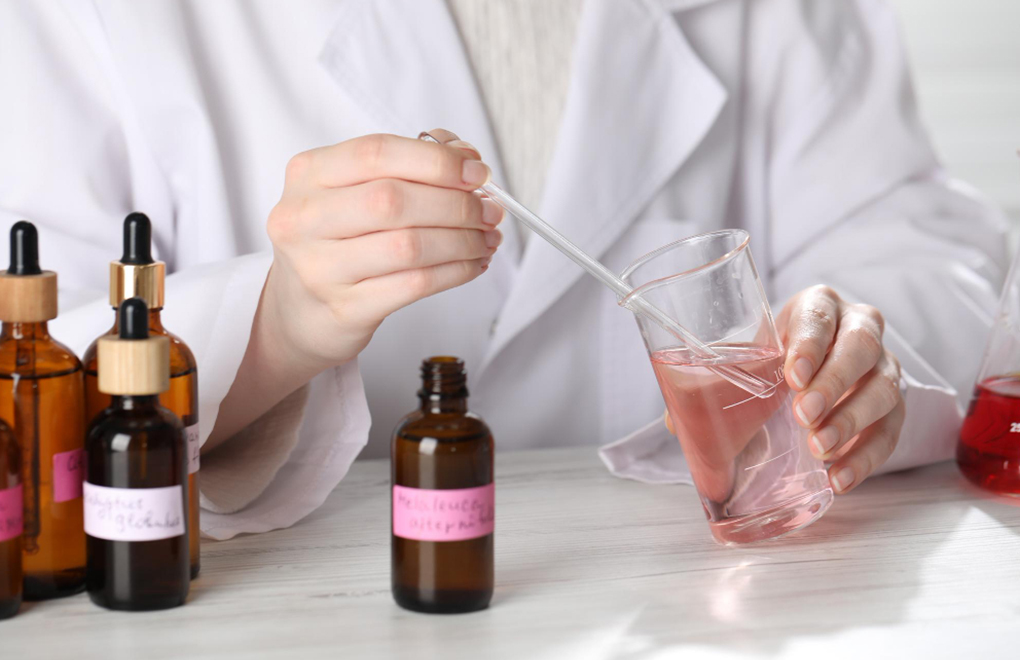
Hair Serum Formulation Process Explained
Developing a successful serum requires balancing performance, texture, stability, and consumer expectations.
Step 1: Define Product Purpose
Brands should determine:
- Target customer
- Hair concern
- Expected benefits
- Product positioning
Examples:
“Lightweight scalp serum for oily scalp concerns.”
“Anti-frizz serum for humid climates.”
Step 2: Select Functional Ingredients
Formula developers evaluate ingredients based on product goals.
Common Ingredient Categories
Oils
Examples:
- Argan oil
- Jojoba oil
- Coconut oil
Benefits:
- Smoothness
- Shine
- Nourishment
Botanical Extracts
Used for:
- Natural positioning
- Scalp care
- Premium storytelling
Active Ingredients
Used for:
- Targeted solutions
- Performance benefits
Step 3: Develop Serum Texture and Sensory Experience
Hair serums require careful texture development.
Brands evaluate:
- Lightweight feel
- Absorption
- Non-greasy finish
- Fragrance
- Application experience
A premium serum should feel:
- Easy to apply
- Comfortable
- Suitable for daily use
Step 4: Sample Testing and Formula Optimization
Samples are reviewed for:
- Texture
- Performance
- Stability
- Consumer experience
The development process may include:
First sample
↓
Brand feedback
↓
Formula adjustment
↓
Final approval
👉 Learn more in How Hair Care Factories Develop Custom Formulas: From Concept to Production
Hair Serum Testing Requirements
Before production, serums require quality evaluation.
Common Testing Includes:
- Stability testing
- Microbial testing
- Safety testing
- Packaging compatibility testing
Testing Helps Ensure:
- Product safety
- Shelf stability
- Consistent quality
👉 Learn more in Hair Care Product Testing Requirements Explained: Safety, Stability, Microbial, and Compliance Testing
Hair Serum Packaging Development
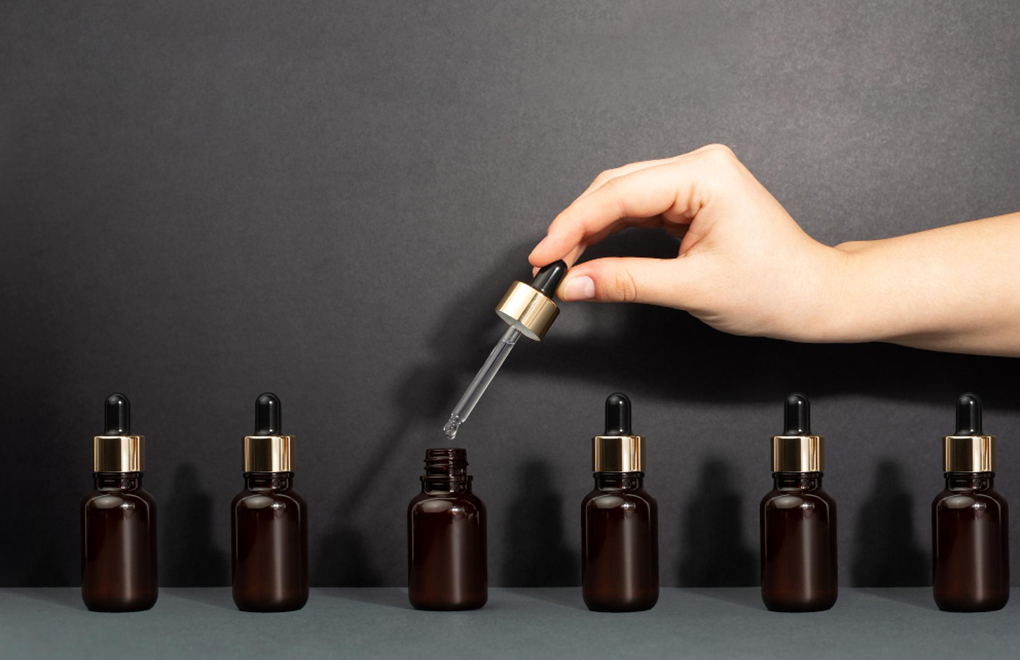
Packaging plays an important role because serums are often positioned as premium products.
Common Packaging Options
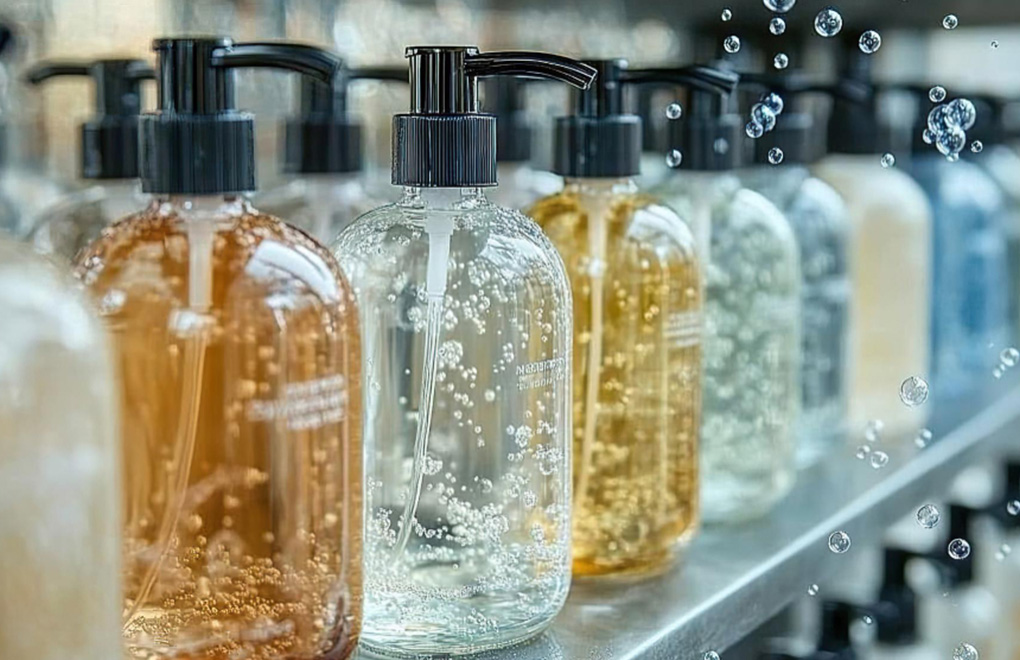
- Dropper bottles
- Pump bottles
- Glass bottles
- Airless containers
Packaging Considerations
Brands should evaluate:
- Product compatibility
- Premium appearance
- User convenience
- Sustainability
👉 Learn more in Custom Hair Care Packaging: How to Choose Bottles, Tubes, and Jars for Your Brand
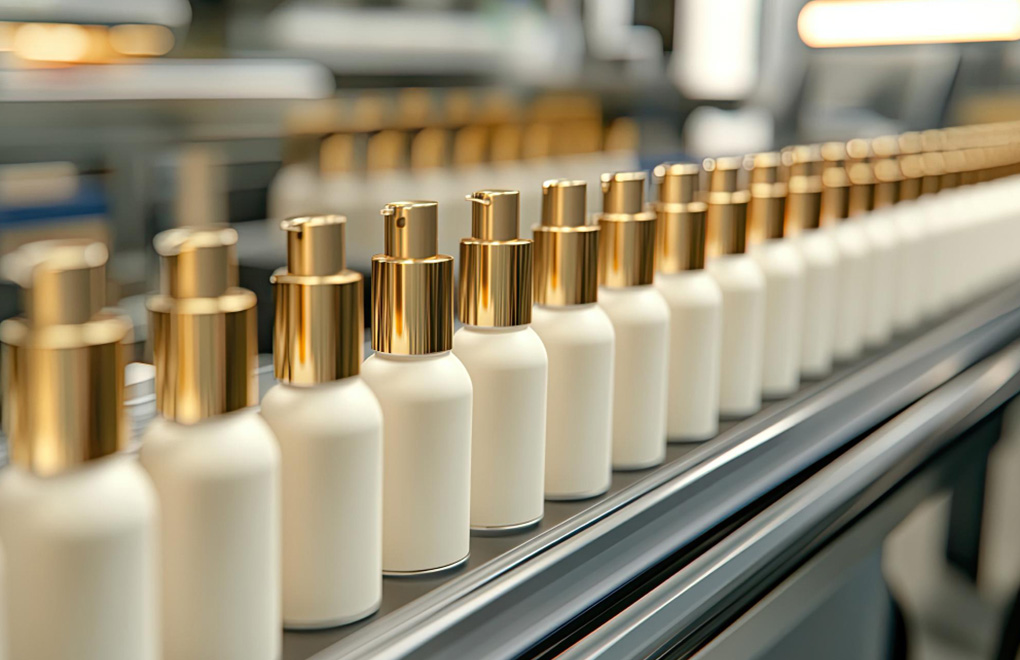
Hair Serum Manufacturing Process
A typical production process includes:
Raw Material Preparation
↓
Formula Mixing
↓
Quality Inspection
↓
Filling
↓
Packaging
↓
Final Testing
How Much Does It Cost to Develop Hair Serum Products?
Costs depend on:
- Formula complexity
- Active ingredients
- Packaging type
- MOQ
- Testing requirements
Main Cost Factors
| Factor | Impact |
|---|---|
| Custom formula | Higher development cost |
| Premium ingredients | Higher material cost |
| Glass packaging | Higher packaging cost |
| Small MOQ | Higher unit cost |
👉 Learn more in Custom Hair Care Product Cost Breakdown: Formula, Packaging, and Manufacturing Explained
How Brands Should Launch Hair Serum Products
A successful launch requires strong positioning.
Create a Specific Product Angle
Examples:
Instead of:
“Hair Serum”
Position as:
“Lightweight Anti-Frizz Serum for Humid Weather”
or:
“Daily Scalp Support Serum for Healthier-Looking Hair”
Build Product Systems
Hair serums work well with complete routines.
Example:
Hair Growth System:
- Scalp Shampoo
- Hair Growth Serum
- Treatment Mask
Choose Sales Channels
Options:
- Shopify
- Amazon
- Salons
- Retail
👉 Learn more in How to Build a DTC Hair Care Brand: From Product Development to Online Sales
Common Mistakes When Developing Hair Serum Products
Mistake #1: Making Generic Serums
Generic products struggle to compete.
Mistake #2: Overpromising Results
Claims must match product capabilities and regulations.
Mistake #3: Ignoring Texture Experience
Consumers expect premium sensory performance.
Mistake #4: Choosing Manufacturers Only by Price
Quality and consistency determine long-term success.
Why Work with HODM?
HODM helps brands develop premium hair serum products.
HODM Services
- Private label hair serums
- Custom serum formulas
- OEM manufacturing
- ODM development
- Packaging solutions
- Testing support
- Export assistance
We help brands transform product concepts into scalable hair care solutions.
FAQ
Are hair serum products profitable for new brands?
Yes. Hair serums often support premium pricing because they provide targeted solutions and are positioned as treatment products.
What type of hair serum has the best opportunity?
Hair growth serums, scalp serums, repair serums, and anti-frizz serums are among the strongest categories.
Should I choose private label or custom hair serum formulation?
Private label is suitable for faster launches, while custom formulas are better for brands seeking unique products.
How long does it take to develop a hair serum product?
The timeline depends on formula complexity, testing requirements, packaging, and production planning.
What ingredients are commonly used in hair serums?
Common ingredients include oils, botanical extracts, conditioning agents, peptides, and targeted active ingredients.
Can hair serum products be sold internationally?
Yes. Brands can expand globally but need to consider local regulations, labeling requirements, and product claims.
Conclusion
Hair serum products represent one of the strongest opportunities in the modern hair care market because they combine targeted benefits, premium positioning, and strong consumer demand.
The biggest opportunities come from:
- Hair growth serums
- Scalp serums
- Repair treatments
- Anti-frizz solutions
- Clean beauty formulas
Brands that combine effective formulas, strong positioning, reliable manufacturing, and clear customer benefits can build successful hair serum product lines.
Develop Your Hair Serum Products with HODM
HODM supports brands with:
- Private label hair serums
- Custom formulations
- OEM manufacturing
- Packaging development
- Testing support
- Global production solutions
Contact HODM to create your next high-potential hair serum product line.