
How to Calculate Retail Pricing and Wholesale Margins for Private Label Hair Care Products
Setting the right price is one of the most important decisions when launching a private label hair care brand. A product may have an attractive formula and premium packaging, but without a clear pricing strategy, it can be difficult to maintain healthy profit margins across retail, wholesale, and distribution channels.
Brands need to understand more than the manufacturer's unit price. Product costs, packaging, transportation, import duties, warehousing, marketing, retailer discounts, and distributor margins can all influence the final selling price.
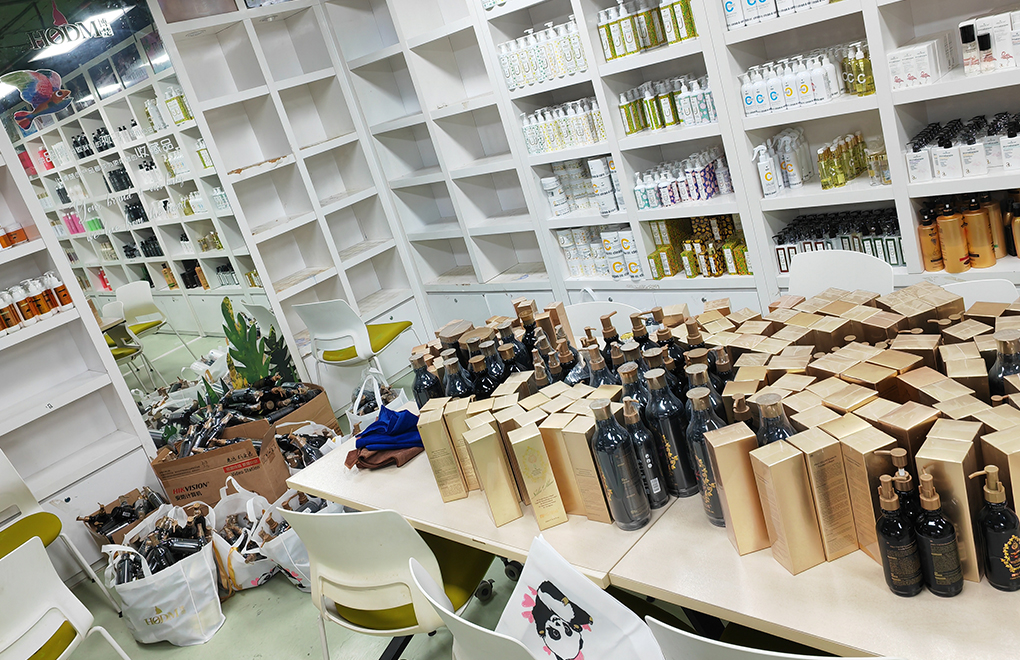
Whether you are developing shampoos, conditioners, hair masks, hair oils, or professional styling products, understanding the relationship between manufacturing costs and selling prices is essential for building a sustainable business. HODM supports brands through private label hair care solutions and OEM/ODM hair care manufacturing to help businesses plan their product development and production requirements.
This guide explains how to calculate retail pricing and wholesale margins for private label hair care products, including manufacturing costs, landed costs, distributor pricing, gross profit, pricing strategies, and practical calculation examples.
1. Understanding Hair Care Product Pricing
Hair care product pricing is the process of determining how much a brand should charge customers, retailers, and distributors while covering its costs and achieving its target profitability.
A successful pricing strategy needs to consider three important factors:
- Product Costs: The total cost of developing, manufacturing, packaging, and delivering each unit.
- Market Positioning: The price customers are willing to pay based on product quality, brand identity, category, and competition.
- Sales Channel Margins: The profit expectations of the brand, distributor, retailer, or ecommerce business.
Why Manufacturing Cost Is Not the Final Product Cost
A factory quotation generally covers specific manufacturing and packaging arrangements. It does not necessarily include every expense associated with bringing the finished product to the target market.
For example, a shampoo with a manufacturing price of $3.50 per unit may have a higher landed cost after transportation, customs duties, and other applicable expenses are included.
Understand Your Target Market
Before setting a price, determine whether your product targets budget-conscious consumers, mainstream beauty customers, premium shoppers, or professional salon buyers.
A premium salon shampoo and an everyday retail shampoo may have similar product formats but very different pricing strategies because their customers, distribution channels, and brand positioning are different.
2. Calculate the Total Cost of a Private Label Hair Care Product
The first step in retail pricing is understanding the actual cost of each finished product unit. Brands should calculate the total cost rather than relying only on the factory's manufacturing quotation.
Manufacturing Cost
Manufacturing cost generally includes the formula, raw materials, production processing, filling, and other agreed manufacturing activities.
Packaging Cost
Packaging costs may include bottles, jars, pumps, caps, labels, cartons, printing, and customized packaging components.
Product Development Cost
Some projects involve additional costs for custom formulation, laboratory development, sample preparation, testing, or specialized packaging development.
These costs may be one-time project expenses or recurring expenses, depending on the agreement. If they are allocated across production units, the calculation method should be clearly documented.
Transportation and Import Costs
Depending on the shipping arrangement and destination, additional expenses may include:
- International freight.
- Customs duties and applicable import taxes.
- Customs clearance and handling.
- Insurance where applicable.
- Domestic transportation.
- Warehousing and receiving costs.
Example: Product Cost Breakdown
The following example illustrates how a brand might calculate the landed cost of one 300 ml private label shampoo. All figures are hypothetical and are used only to demonstrate the calculation.
| Cost Component | Cost per Unit |
|---|---|
| Formula and Manufacturing | $2.20 |
| Bottle, Pump, and Label | $1.00 |
| Filling and Packaging | $0.50 |
| Freight and Import Allocation | $1.30 |
| Other Landed Costs | $0.50 |
| Total Landed Cost | $5.50 |
In this example, the product's landed cost is $5.50 per unit. This is a more useful starting point for pricing than the manufacturing quotation alone.
3. What Is Landed Cost and Why Does It Matter?
Landed cost is the total cost of getting a product to a specified destination or inventory location, based on the costs included in the calculation.
For private label hair care brands importing products, landed cost helps establish a more realistic unit cost before calculating wholesale and retail prices.
Basic Landed Cost Formula
Landed Cost per Unit = Total Product and Import Costs ÷ Total Units Received
Example Calculation
Assume a brand orders 5,000 shampoo bottles with the following costs:
| Expense | Total Cost |
|---|---|
| Manufacturing and Packaging | $18,500 |
| International Freight | $3,000 |
| Import Duties and Clearance | $2,000 |
| Other Applicable Costs | $1,000 |
| Total Cost | $24,500 |
Landed Cost per Unit = $24,500 ÷ 5,000 = $4.90
The actual landed cost will depend on the shipping terms, destination, taxes, and expenses included. Avoid counting the same expense twice or mixing recoverable taxes with actual product costs.
Why Brands Should Calculate Landed Cost First
- Compare manufacturing suppliers more accurately.
- Understand the true cost of imported products.
- Set more realistic wholesale prices.
- Evaluate retailer and distributor margins.
- Estimate the profitability of different sales channels.
4. Understand Gross Profit, Gross Margin, and Markup
Gross profit, gross margin, and markup are related pricing concepts, but they are not interchangeable. Understanding the differences is essential when calculating hair care product profitability.
Gross Profit
Gross Profit = Selling Price − Cost of Goods Sold
It represents the amount remaining after subtracting the relevant product cost from revenue, before other operating expenses.
Gross Margin
Gross Margin = (Selling Price − Cost of Goods Sold) ÷ Selling Price × 100%
Gross margin measures the percentage of sales revenue remaining after the product cost has been deducted.
Markup
Markup = (Selling Price − Cost) ÷ Cost × 100%
Markup measures the increase over the original product cost rather than the percentage of selling revenue.
Example: Gross Margin vs. Markup
Suppose a hair care product costs $5.50 and is sold for $22.
| Calculation | Result |
|---|---|
| Selling Price | $22.00 |
| Product Cost | $5.50 |
| Gross Profit | $16.50 |
| Gross Margin | 75% |
| Markup | 300% |
A 300% markup does not mean a 300% gross margin. The gross margin in this example is 75%.
This distinction is especially important when comparing supplier quotations, retail prices, and wholesale offers.
5. How to Calculate the Retail Price of Hair Care Products
Retail pricing should cover the product cost, account for the intended sales channel, and leave enough gross profit to support marketing, fulfillment, customer service, and other operating expenses.
Use a Target Gross Margin
A common starting point is to calculate the selling price using a target gross margin.
Retail Price = Product Cost ÷ (1 − Target Gross Margin)
Example: Calculate a Retail Price
Assume a private label shampoo has a landed cost of $5.50 and the brand wants a 60% gross margin before other operating expenses.
Retail Price = $5.50 ÷ (1 − 60%) = $13.75
The calculated minimum price for a 60% gross margin under these assumptions is $13.75.
Retail Price Examples at Different Gross Margins
| Target Gross Margin | Required Selling Price |
|---|---|
| 40% | $9.17 |
| 50% | $11.00 |
| 55% | $12.22 |
| 60% | $13.75 |
| 65% | $15.71 |
| 70% | $18.33 |
Consider Market Positioning
A mathematically calculated price is only a starting point. Brands should compare similar products in their target market, considering product size, ingredients, packaging, brand positioning, and customer expectations.
A premium product may support a higher retail price when its formula, presentation, brand reputation, and customer experience justify the positioning.
Account for Promotions and Discounts
If a brand regularly offers discounts, the pricing model should account for the actual selling price rather than assuming every unit sells at full retail price.
6. How to Calculate Wholesale Prices for Hair Care Products
Wholesale pricing determines how much a brand charges retailers, salons, distributors, or other business customers when selling products in larger quantities.
A wholesale price should cover the brand's relevant product costs and provide sufficient gross profit while leaving enough room for the next sales channel.
Wholesale Pricing Formula
Wholesale Price = Brand Unit Cost ÷ (1 − Target Brand Gross Margin)
Example: Calculate a Wholesale Price
Assume the landed cost of one shampoo is $5.50 and the brand targets a 50% gross margin on wholesale sales.
Wholesale Price = $5.50 ÷ (1 − 50%) = $11.00
The brand sells the product to a retailer for $11.00 and earns $5.50 in gross profit per unit before other operating expenses.
Wholesale Pricing at Different Brand Margins
| Target Brand Gross Margin | Wholesale Price |
|---|---|
| 30% | $7.86 |
| 35% | $8.46 |
| 40% | $9.17 |
| 45% | $10.00 |
| 50% | $11.00 |
| 55% | $12.22 |
Consider Different Wholesale Customers
Brands may sell to independent salons, beauty supply stores, regional distributors, ecommerce retailers, and larger retail accounts.
These customers may have different order quantities, payment terms, delivery arrangements, and commercial requirements. Wholesale pricing should reflect the actual costs and terms of each channel.
7. Calculate Retailer and Distributor Profit Margins
When products move through multiple sales channels, each participant needs sufficient margin to cover its costs and operating expenses.
Retailer Gross Margin
Retailer Gross Margin = (Retail Selling Price − Retailer Purchase Price) ÷ Retail Selling Price × 100%
Example: Retailer Margin
Suppose a retailer purchases a shampoo for $11.00 and sells it for $22.00.
Retailer Gross Profit = $22.00 − $11.00 = $11.00
Retailer Gross Margin = $11.00 ÷ $22.00 × 100% = 50%
Distributor Gross Margin
Distributors purchase products from brands or authorized suppliers and resell them to retailers or other business customers.
Distributor Gross Margin = (Distributor Selling Price − Distributor Purchase Cost) ÷ Distributor Selling Price × 100%
Example: Three-Level Distribution
Consider the following hypothetical pricing structure for one shampoo:
| Sales Stage | Price per Unit |
|---|---|
| Brand's Landed Cost | $5.50 |
| Brand Sells to Distributor | $9.00 |
| Distributor Sells to Retailer | $13.00 |
| Retailer Sells to Consumer | $26.00 |
Calculate Each Participant's Gross Margin
| Participant | Gross Profit | Gross Margin |
|---|---|---|
| Brand | $3.50 | 38.9% |
| Distributor | $4.00 | 30.8% |
| Retailer | $13.00 | 50% |
This example demonstrates how the selling price changes at each stage. Actual channel margins vary according to order size, logistics, marketing support, payment terms, and market conditions.
8. Direct-to-Consumer vs. Wholesale Pricing
Hair care brands may sell through their own ecommerce websites, marketplaces, salons, retailers, and distributors. Each channel has a different cost structure and pricing strategy.
Direct-to-Consumer (DTC)
Selling directly to customers allows brands to control retail pricing and retain the difference between the selling price and product cost. However, the brand is also responsible for customer acquisition, payment processing, fulfillment, returns, and customer service.
Wholesale Sales
Wholesale orders can generate larger sales volumes and reduce some direct customer acquisition and fulfillment responsibilities. However, the brand generally earns a lower selling price per unit than through direct retail sales.
Marketplace Sales
Marketplace sales can provide access to existing customer traffic, but brands should account for platform commissions, fulfillment charges, advertising, storage, and other applicable fees.
Compare Different Sales Channels
| Sales Channel | Potential Advantage | Cost Considerations |
|---|---|---|
| Brand Website | Direct customer relationship | Marketing and fulfillment |
| Marketplace | Existing customer traffic | Platform and advertising fees |
| Salon Wholesale | Professional customer base | Wholesale discounts and delivery |
| Retail Distribution | Broader market reach | Distributor and retailer margins |
| Direct Salon Sales | Professional relationships | Sales support and account management |
Do Not Confuse Gross Margin with Net Profit
A product may have a high gross margin but still generate limited net profit after advertising, salaries, warehousing, platform fees, fulfillment, returns, and other operating expenses.
Brands should calculate profitability separately for each sales channel rather than applying one margin assumption to every order.
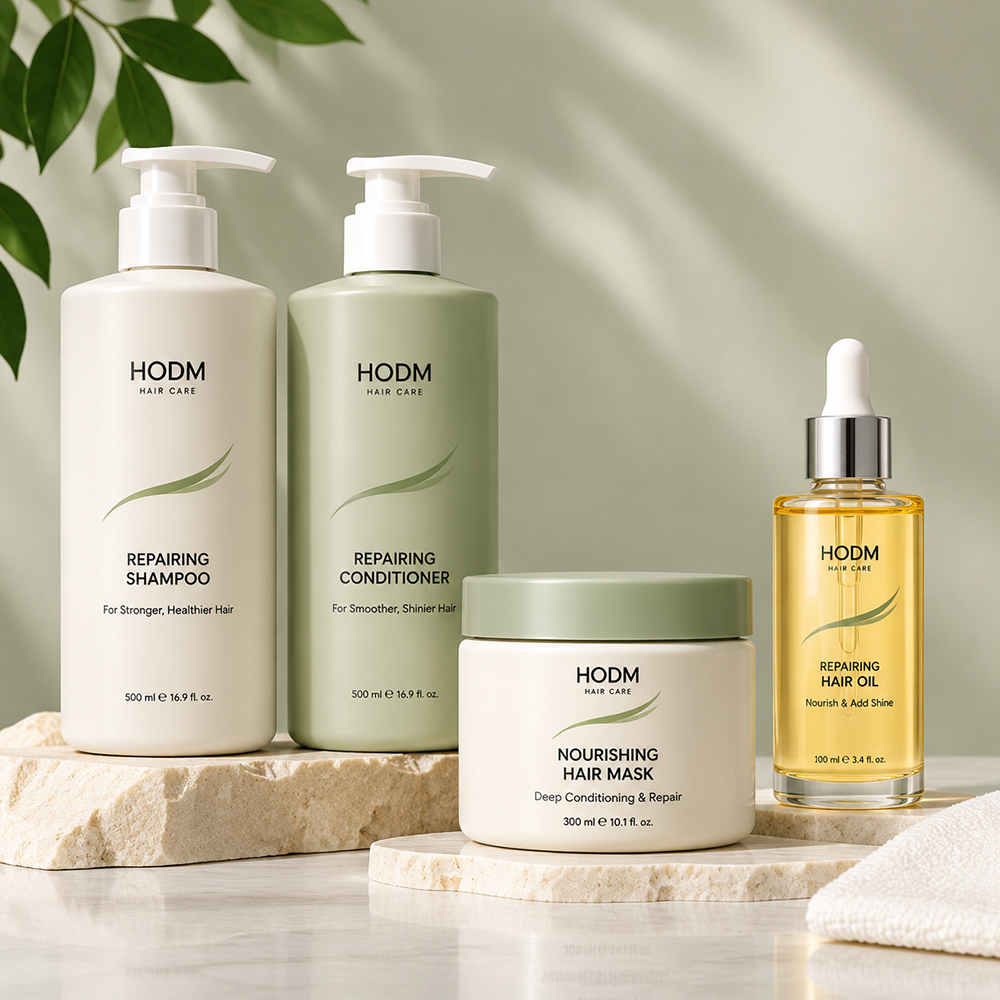
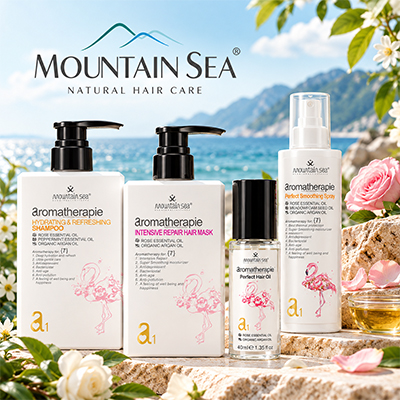
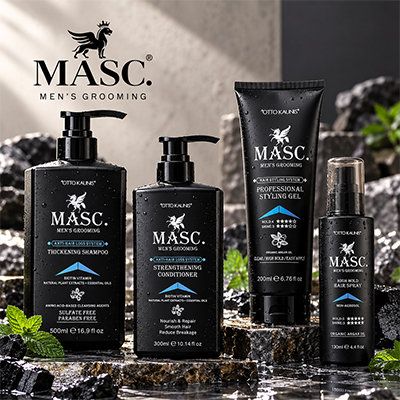
A coordinated private label hair care collection featuring shampoo, conditioner, hair masks, and hair oils.
9. Pricing Different Hair Care Product Categories
Different hair care products have different manufacturing, packaging, and market positioning requirements. A brand should not automatically apply the same retail price or margin to every SKU.
Shampoo
Shampoo pricing should consider formula complexity, cleansing system, packaging size, ingredient positioning, and the intended sales channel.
Conditioner
Conditioner pricing may be influenced by conditioning ingredients, formula texture, packaging format, and the intended relationship with the matching shampoo.
Hair Masks
Hair masks may use richer conditioning systems and different jar or tube packaging. Their retail positioning can reflect product size, treatment positioning, and formula characteristics.
Hair Oils and Serums
Oil-based products and serums may require different raw materials, dispensing components, and packaging. Small package sizes do not necessarily mean low manufacturing costs.
Styling Products
Styling gels, curl creams, sprays, and heat protection products have different formula and packaging requirements. Spray mechanisms and specialized components may influence the total cost.
Example Product Cost Planning
The following table illustrates the cost factors brands may need to review. It does not represent actual HODM quotations or market prices.
| Product | Cost Factors to Review | Pricing Consideration |
|---|---|---|
| Shampoo | Surfactants, formula, bottle, filling | Size and cleansing positioning |
| Conditioner | Conditioning agents, texture, packaging | Pairing and collection pricing |
| Hair Mask | Conditioning system, jar, formula viscosity | Treatment positioning |
| Hair Oil | Oil blend, serum base, dropper or pump | Ingredient and size positioning |
| Styling Spray | Formula, spray mechanism, bottle | Professional styling positioning |
| Curl Cream | Conditioning system, texture, tube or jar | Specialized styling category |
10. How MOQ and Production Volume Affect Product Pricing
Minimum order quantity and production volume can significantly influence the unit cost of private label hair care products.
Understand Fixed and Variable Costs
Some development, setup, tooling, and testing expenses may be relatively fixed for a project, while raw materials, filling, packaging, and other production expenses vary with order quantity.
Why Larger Orders May Reduce Unit Costs
Larger orders may allow certain fixed expenses to be distributed across more units. They may also improve purchasing efficiency for selected raw materials and packaging components.
However, larger orders do not automatically guarantee lower unit costs. Supplier pricing, production scheduling, material availability, storage, and logistics can all influence the result.
Compare Different Order Quantities
| Order Quantity | Unit Cost | Total Product Cost |
|---|---|---|
| 1,000 Units | $6.20 | $6,200 |
| 3,000 Units | $5.80 | $17,400 |
| 5,000 Units | $5.50 | $27,500 |
These figures are illustrative only. Actual quotations depend on formula, packaging, production requirements, and supplier terms.
Consider Inventory and Cash Flow
Ordering larger quantities may reduce the unit cost but also requires more working capital and storage capacity. Brands should balance potential cost savings against expected sales, inventory turnover, and product shelf life.
11. Build a Pricing Strategy for Your Hair Care Brand
A pricing strategy should align product costs, target customers, market positioning, and distribution channels.
Budget Positioning
Budget-focused products generally compete through accessible pricing, practical product benefits, and efficient production and packaging choices.
Mid-Market Positioning
Mid-market brands may balance formula quality, packaging presentation, customer experience, and competitive retail pricing.
Premium Positioning
Premium products may emphasize specialized formulas, distinctive packaging, selected ingredients, professional positioning, and stronger brand presentation.
Use Consistent Pricing Across Product Collections
Brands selling shampoo, conditioner, hair masks, and styling products should develop a coherent pricing structure. Products may have different prices, but the collection should still make commercial sense to customers and retailers.
Consider Bundles and Product Sets
Bundling complementary products can increase average order value and encourage customers to purchase a complete routine.
For example, a shampoo and conditioner set may have a combined selling price that is more attractive than purchasing each product individually, provided the bundle still meets the brand's margin requirements.
Review Pricing Regularly
Reassess pricing when manufacturing costs, freight, packaging, advertising expenses, market conditions, or distribution agreements change.
12. Common Pricing Mistakes Private Label Hair Care Brands Should Avoid
Using Factory Price as the Total Product Cost
Manufacturing quotations may exclude freight, duties, warehousing, and other expenses. Always calculate the relevant landed cost before setting retail prices.
Confusing Markup with Gross Margin
A 100% markup does not mean a 100% gross margin. Use the correct formula when planning product profitability.
Ignoring Retailer and Distributor Margins
Brands planning to sell through distributors or retailers must leave sufficient room for each channel participant.
Setting Prices Without Market Research
A price that works mathematically may not be competitive or acceptable to the target customer. Compare similar products and their actual positioning.
Ignoring Marketing and Fulfillment Expenses
Gross margin does not represent final net profit. Include advertising, payment fees, shipping, returns, and other operating costs in the business model.
Ordering Too Much Inventory
Lower unit costs can be attractive, but excessive inventory can create cash flow problems and increase storage and stock management expenses.
Using One Pricing Model for Every Channel
Direct ecommerce, wholesale, marketplace, and distributor sales have different expense structures. Evaluate each channel separately.
13. Create a Hair Care Product Pricing and Profit Plan
Before placing a production order, brands should prepare a simple pricing model for every SKU and sales channel.
Record Your Product Costs
Collect the manufacturing quotation, packaging costs, freight estimates, import expenses, and other relevant unit costs.
Set Your Target Retail Price
Calculate the price required to achieve your desired gross margin, then compare it with the market and target customer expectations.
Set Your Wholesale Price
Determine the price that covers the brand's costs and provides sufficient margin while allowing retailers and distributors to operate profitably.
Estimate Channel Expenses
Include marketplace commissions, payment processing, marketing, shipping, warehousing, sales commissions, and other applicable expenses.
Calculate Expected Profitability
Prepare sales forecasts based on realistic order quantities and channel mix. Review both per-unit gross profit and expected total contribution after variable selling expenses.
Review Before Confirming Production
Confirm that the expected retail and wholesale prices are commercially realistic before committing to manufacturing quantities and packaging investments.
Conclusion: Build a Profitable Pricing Strategy for Your Hair Care Brand
Calculating retail pricing and wholesale margins is an essential part of building a private label hair care business. Brands need to understand their full product costs, calculate landed costs, and determine suitable prices for different distribution channels.
Gross margin, markup, retailer margin, and distributor margin should be calculated separately. This helps prevent pricing mistakes and provides a clearer understanding of how much each participant earns from a product sale.
A sustainable pricing strategy also needs to account for market positioning, MOQ, production volume, advertising, logistics, and operating expenses.
By combining accurate cost calculations with realistic market research and a clear distribution strategy, brands can make better product development and manufacturing decisions.
Frequently Asked Questions
How do you calculate the retail price of private label hair care products?
A common starting formula is Retail Price = Product Cost ÷ (1 − Target Gross Margin). Brands should use the appropriate landed cost and then consider operating expenses, market positioning, competitor prices, and customer expectations.
What is the difference between gross margin and markup?
Gross margin measures gross profit as a percentage of selling revenue. Markup measures the increase over the original product cost. They use different calculation bases and should not be confused.
How do you calculate wholesale pricing for hair care products?
Wholesale Price = Brand Unit Cost ÷ (1 − Target Brand Gross Margin). The result should also leave sufficient room for distributor and retailer margins when applicable.
What is landed cost in private label manufacturing?
Landed cost represents the relevant product and import expenses required to bring goods to a specified destination. It may include manufacturing, packaging, freight, duties, clearance, and other applicable costs.
What is a good gross margin for private label hair care products?
There is no universal ideal gross margin. It depends on product costs, brand positioning, sales channel, competition, marketing expenses, and the business model. Brands should calculate their own target margins using realistic costs and market data.
How much margin do retailers need on hair care products?
Retailer margins vary by product category, account terms, distribution structure, and operating costs. Brands should research their target retail channels and build the expected retailer margin into the wholesale pricing model.
Does a larger MOQ always reduce product costs?
Not always. Larger quantities may reduce certain per-unit costs, but the final economics depend on production efficiency, packaging procurement, raw materials, inventory storage, and cash flow.
Should retail and wholesale prices be the same?
Usually not. Wholesale prices are generally lower because retailers and distributors need room to earn their own margins. Brands should establish clear channel pricing policies and account for applicable discounts and commercial terms.
Can HODM help brands estimate manufacturing costs?
HODM can discuss product categories, formula requirements, packaging options, customization, and production quantities to help brands understand the manufacturing requirements for their projects. Actual quotations depend on the specific product and order details.
Plan Your Hair Care Product Costs with HODM
HODM Cosmetics supports private label brands with formula development, packaging customization, product sampling, and OEM/ODM hair care manufacturing.
Whether you are developing shampoos, conditioners, hair masks, hair oils, or styling products, our team can discuss product specifications, packaging options, and manufacturing quantities for your project.
Share your product requirements and expected order quantities to explore suitable manufacturing options and request a project quotation.
Request a Manufacturing Quote