
Lightweight Hair Care Formulations for Fine Hair: What Brands Need to Know
Fine hair presents specific challenges for hair care product development. Consumers with fine hair often look for products that provide cleansing, softness, and manageability without leaving the hair feeling heavy, greasy, or weighed down.
Unlike richer formulas designed for very dry or coarse hair, products for fine hair often require careful attention to ingredient selection, conditioning levels, formula deposition, and finished texture. Lightweight shampoos, volumizing conditioners, leave-in sprays, and styling products can all play a role in a specialized fine hair care collection.
Brands planning to develop products for this market can explore HODM's Hair Care Manufacturing services and Custom Formula Development to create products with specific cleansing, conditioning, and styling characteristics.
This guide explains how to develop lightweight hair care products for fine hair, including product categories, ingredient selection, formulation balance, product testing, packaging, and private label manufacturing considerations.
1. Understanding Fine Hair and Its Product Requirements
Fine hair refers primarily to the diameter of individual hair strands rather than the total amount of hair on the scalp. A person can have fine hair with high density, or fine hair with relatively low density.
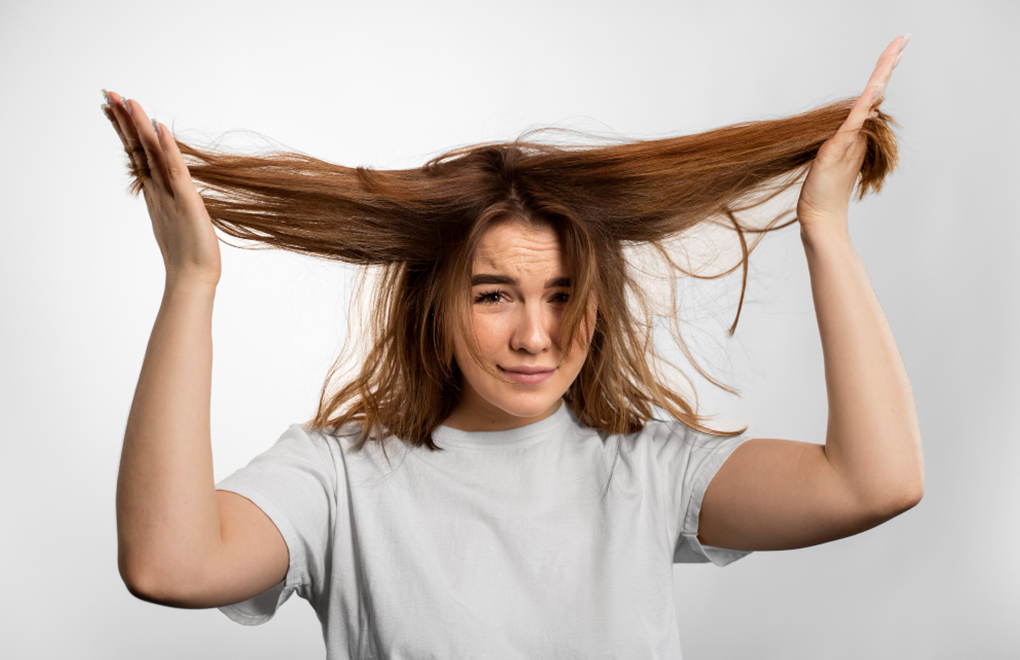
Because individual strands are smaller in diameter, fine hair may be more easily affected by heavy product deposits and excessive conditioning. This makes formula weight and application characteristics important considerations during product development.
Common Fine Hair Concerns
- Flat Appearance: Hair may lack visible lift and volume, particularly around the roots.
- Product Buildup: Some formulas may leave unwanted residue when used frequently or applied excessively.
- Oiliness: Fine hair can appear oily or lose its fresh appearance quickly, depending on scalp condition and styling habits.
- Loss of Volume: Heavy conditioning products may reduce the appearance of fullness.
- Tangling: Fine strands can still require suitable conditioning and detangling support.
- Breakage: Fine hair may require careful handling and appropriate conditioning during brushing and styling.
Why Lightweight Formulation Matters
A lightweight formula should provide the intended cleansing, conditioning, or styling function without unnecessary residue or excessive heaviness.
However, lightweight does not mean completely free of conditioning ingredients. The goal is to select the right ingredients and concentrations for the intended hair type and product application.
2. Best Hair Care Products to Develop for Fine Hair
Brands developing fine hair collections should consider products that balance cleansing, volume, conditioning, and styling. A focused range can provide different solutions without creating an unnecessarily complicated product assortment.
Volumizing Shampoo
Volumizing shampoos are developed for customers seeking lightweight cleansing and fuller-looking hair. Formulation considerations include surfactant selection, rinsability, foam, and avoiding excessive conditioning deposits.
Lightweight Conditioner
Conditioners for fine hair should provide suitable softness and detangling without leaving an overly heavy finish. The formula should be easy to distribute and rinse.
Leave-In Conditioner Spray
Lightweight leave-in sprays can provide convenient conditioning and detangling support. Their application method allows brands to develop products that are easy to distribute through fine strands.
Volumizing Styling Products
Styling products such as root-lifting sprays, lightweight mousses, and selected styling lotions can complement a fine hair collection by supporting styling volume and shape.
Lightweight Hair Serum
A lightweight serum can be developed for finishing care, smoothness, and shine. Formula weight and application quantity are especially important when targeting fine hair.
Clarifying Shampoo
A clarifying shampoo can complement the collection by helping remove accumulated styling residue and excess oils. Its cleansing strength should be appropriate for the intended frequency of use.
| Product Category | Main Product Purpose | Common Format |
|---|---|---|
| Volumizing Shampoo | Cleansing and fuller-looking hair | Bottles and pump bottles |
| Lightweight Conditioner | Softness and detangling | Bottles and tubes |
| Leave-In Conditioner | Light conditioning support | Spray bottles |
| Volumizing Styling Product | Lift and styling support | Sprays and mousse bottles |
| Lightweight Serum | Smoothness and finishing care | Pump and dropper bottles |
| Clarifying Shampoo | Removal of accumulated residue | Bottles |
3. Lightweight Hair Care Product Samples for Fine Hair Brands
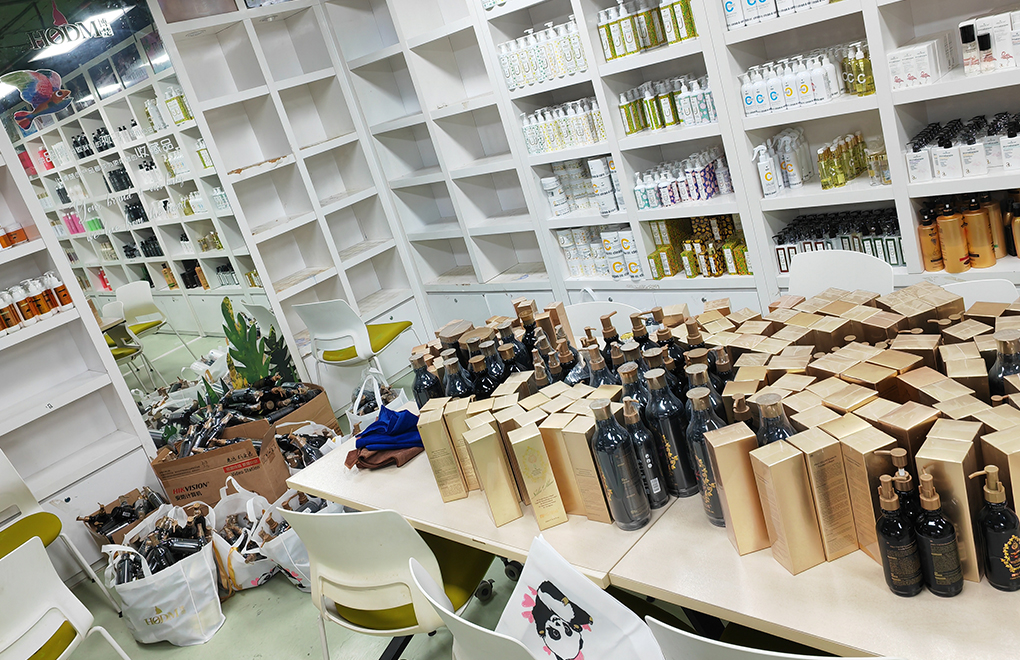
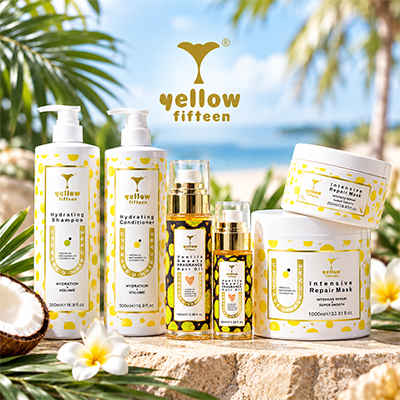
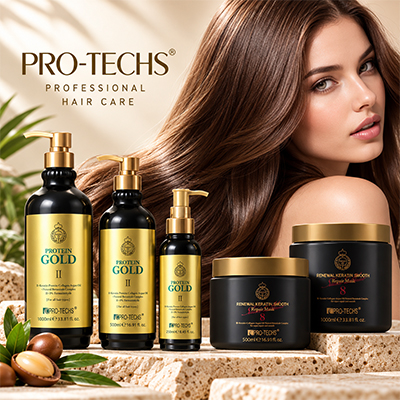
HODM offers product concepts that can serve as starting points for brands developing fine hair care collections. Customers can request samples to evaluate cleansing, conditioning, texture, fragrance, and finished hair feel before selecting suitable formulas.

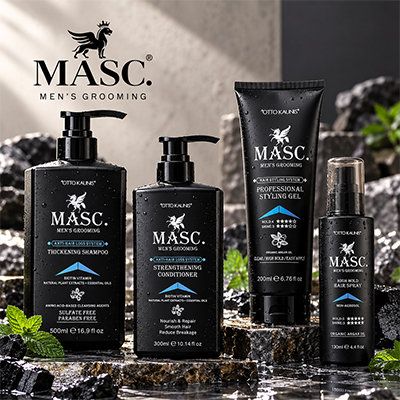
Sulfate Free Thickening Volume Shampoo
A sulfate-free shampoo concept for brands developing lightweight cleansing and volume-focused hair care collections.
Explore Product →
Strengthening Leave-In Conditioner
A leave-in conditioning concept for brands developing convenient hair maintenance and manageability products.
Explore Product →These products provide starting points for fine hair product development. Brands should evaluate the actual formula weight, application quantity, residue, and finished hair feel on representative fine hair types before finalizing product positioning.
Interested in these products? Contact HODM to request samples and discuss suitable lightweight formulas for your brand.
4. How to Develop a Lightweight Shampoo for Fine Hair
Shampoo formulation for fine hair should balance cleansing performance, foam, rinsability, and conditioning. The objective is to provide an effective cleansing experience without unnecessary product deposition.
Select an Appropriate Surfactant System
Surfactants are responsible for removing sebum, dirt, and product residue. Formulators should select a suitable cleansing system based on the intended product positioning and frequency of use.
Sulfate-based and sulfate-free systems can both be considered. The choice should be based on the complete formula rather than assuming that one system is automatically better for every fine hair customer.
Control Conditioning Levels
Conditioning ingredients can improve hair feel, but excessive deposition may reduce the appearance of volume for some fine hair customers.
The formulator should balance cleansing with an appropriate level of conditioning support.
Evaluate Rinsability and Residue
A lightweight shampoo should rinse appropriately and leave hair feeling clean without an undesirable coating or heavy finish.
Consider a Volumizing Product Position
Brands may position the product around lightweight cleansing, fuller-looking hair, and daily hair care routines.
Explore Shampoo Products: Market Trends, Formulation, and Development Guide for more detailed formulation information.
5. Developing a Lightweight Conditioner for Fine Hair
Conditioner development for fine hair requires a careful balance between conditioning performance and formula weight.
Choose Suitable Conditioning Ingredients
Formulators may consider selected cationic conditioning agents, fatty alcohols, emollients, and conditioning polymers. Their concentration and combination influence texture, softness, detangling, and the finished hair feel.
Avoid an Excessively Heavy Finish
Rich conditioning systems may not suit every fine hair customer. A lighter formulation may be more appropriate for brands targeting consumers who want softness without an overly coated feeling.
Consider Application and Rinsability
The conditioner should spread easily through the hair and rinse according to the intended product instructions.
Develop a Complementary Shampoo and Conditioner
Matching shampoo and conditioner products can share a consistent fragrance and packaging identity while maintaining different formula characteristics.
Explore Private Label Conditioner Development for more information.
6. Lightweight Leave-In Products and Styling Treatments
Leave-in products provide another opportunity for brands targeting fine hair. They can offer conditioning and styling support without requiring a rinse-off step.
Leave-In Conditioner Sprays
Spray formats allow convenient distribution and can be developed with lightweight conditioning systems. Spray pattern, application quantity, and drying characteristics should be evaluated during development.
Lightweight Styling Lotions
Styling lotions can provide selected styling support while maintaining a softer finish. Their viscosity and application characteristics should suit the target hair type.
Root-Lifting and Volumizing Products
Root-lifting sprays and selected mousse formats can be developed for consumers seeking additional styling volume. The formula should provide suitable styling performance without excessive residue.
Lightweight Hair Serums
Hair serums can complement a fine hair collection, but oil content, silicone selection, application quantity, and residue need careful consideration.
For additional product development ideas, explore Private Label Leave-In Conditioner.
7. Key Ingredients for Lightweight Hair Care Formulations
Ingredient selection plays an important role in developing products for fine hair. Rather than simply removing oils or conditioning ingredients, formulators should select suitable materials and concentrations according to the product's intended function.
Lightweight Conditioning Polymers
Selected conditioning polymers can help improve combability and manageability. Their concentration and deposition characteristics should be evaluated to avoid an excessively coated feel.
Panthenol
Panthenol is a commonly used conditioning ingredient in hair care formulations. It can contribute to softness and improved hair feel.
Glycerin and Humectants
Humectants can support moisture-related properties in water-based formulations. Their concentration should be considered alongside texture, formula stability, and the intended sensory experience.
Hydrolyzed Proteins
Selected hydrolyzed proteins may be used for conditioning and film-forming functions. Their suitability depends on the formula, concentration, and desired hair feel.
Lightweight Emollients
Some emollients and silicones can provide smoothness and conditioning without necessarily creating a heavy finish. The result depends on the specific ingredient, formula concentration, and application quantity.
Ingredient Selection by Product Type
| Ingredient Direction | Potential Function | Product Format |
|---|---|---|
| Surfactants | Cleansing and foaming | Shampoo |
| Conditioning Polymers | Combability and manageability | Shampoo and Conditioner |
| Panthenol | Conditioning support | Shampoo and Leave-In |
| Glycerin | Humectant function | Water-Based Products |
| Hydrolyzed Proteins | Conditioning and film formation | Conditioner and Treatments |
| Selected Emollients | Smoothness and conditioning | Leave-In and Serum |
The most suitable ingredient system depends on formula compatibility, stability, safety, and the intended product performance. No ingredient should be selected solely because it is marketed as lightweight.
8. How to Build a Complete Fine Hair Care Product Line
A specialized fine hair collection should provide complementary products without unnecessarily increasing formula complexity or inventory.
Example 1: Daily Volume Collection
- Sulfate-free volumizing shampoo.
- Lightweight conditioner.
- Root-lifting styling spray.
Example 2: Lightweight Conditioning Collection
- Gentle cleansing shampoo.
- Lightweight conditioner.
- Leave-in conditioning spray.
Example 3: Professional Fine Hair Collection
- Professional volumizing shampoo.
- Light conditioning treatment.
- Lightweight styling lotion.
- Finishing serum.
Example 4: Fine Hair Maintenance Collection
- Volumizing shampoo.
- Lightweight leave-in conditioner.
- Clarifying shampoo for occasional cleansing.
- Lightweight finishing product.
These are illustrative product systems. Brands should select products according to customer preferences, target pricing, product compatibility, and manufacturing capabilities.
9. Custom Formulation for Fine Hair Products
Custom formulation allows brands to develop products according to specific hair characteristics, ingredient preferences, texture requirements, and product positioning.
Prepare a Product Development Brief
- Target customer and fine hair characteristics.
- Product category and intended application.
- Desired cleansing or conditioning performance.
- Preferred ingredients and restrictions.
- Texture, viscosity, and fragrance preferences.
- Packaging and dispensing requirements.
- Target manufacturing cost and MOQ.
- Intended market and product claims.
Develop the Formula Around the Target Hair Type
The formulator should consider the balance between cleansing, conditioning, and finished hair feel. Fine hair products may require different ingredient levels and texture targets from products designed for coarse or very dry hair.
Request and Evaluate Samples
Evaluate cleansing, softness, volume appearance, residue, spreadability, and application experience using representative fine hair types.
Refine and Approve the Formula
Document feedback and confirm the final formula specifications before moving toward stability assessments, packaging approval, and commercial manufacturing.
Explore HODM Custom Formula Development for additional information.
10. Sample Evaluation and Quality Testing for Fine Hair Products
Product testing should reflect the specific characteristics of fine hair and the intended application of each product.
Evaluate Finished Hair Feel
- Does the product leave an excessively heavy finish?
- Does the hair feel soft and manageable?
- Is the product easy to distribute?
- Is there unwanted residue after application?
- Does the shampoo rinse appropriately?
- Does the conditioner provide suitable detangling?
Evaluate Volume and Styling Performance
For volumizing products, assess the appearance of fullness, styling support, product deposition, and whether the finished hair retains its desired movement.
Stability and Microbiological Testing
Water-based shampoos, conditioners, and leave-in products require appropriate stability and microbiological quality assessments. Testing requirements depend on the formula and intended market.
Packaging Compatibility
Evaluate the formula with its intended bottle, pump, spray mechanism, or tube. Check dispensing performance, leakage, compatibility, and product protection.
For more information, read Hair Care Product Sample Evaluation: What Brands Should Check Before Approval.
11. Packaging Options for Lightweight Hair Care Products
Packaging should match the formula viscosity, application method, target customer, and overall brand positioning.
| Product | Common Packaging | Key Consideration |
|---|---|---|
| Volumizing Shampoo | Pump and flip-cap bottles | Dispensing and cleansing use |
| Lightweight Conditioner | Bottles and tubes | Viscosity and dispensing |
| Leave-In Conditioner | Spray bottles | Even distribution |
| Root-Lifting Spray | Fine mist and precision spray | Application control |
| Hair Serum | Pump bottles | Controlled dispensing |
Create a Consistent Brand Identity
A fine hair collection can use coordinated packaging colors, labels, typography, and finishes while maintaining different dispensing systems for individual products.
Explore HODM Custom Packaging Options for additional customization possibilities.
12. Choosing a Manufacturer for Fine Hair Care Products
Selecting the right manufacturer is important for developing lightweight formulas that meet the needs of your target customers.
Evaluate Formulation Experience
Look for experience with volumizing shampoos, lightweight conditioners, leave-in sprays, styling products, and other relevant hair care categories.
Review R&D Capabilities
A suitable manufacturer should be able to discuss surfactant selection, conditioning systems, viscosity adjustment, formula deposition, and sensory evaluation.
Check Manufacturing and Quality Systems
Review production equipment, quality controls, raw material management, batch documentation, relevant certifications, and finished-product testing arrangements.
Understand MOQ and Production Costs
Confirm whether minimum order quantities apply separately to formulas, SKUs, fragrances, and packaging components. Request an itemized quotation covering development, materials, packaging, manufacturing, and testing.
Evaluate Long-Term Support
Consider whether the manufacturer can support future product development, packaging customization, commercial production, and expansion into additional hair care categories.
Explore HODM OEM Hair Care Manufacturing for more information.
13. Common Mistakes When Developing Products for Fine Hair
Making Every Formula Too Rich
Excessive conditioning or emollient content may not suit every fine hair customer. Product weight should be evaluated through formula development and sample testing.
Removing Too Much Conditioning
Lightweight products still need to provide their intended function. Reducing conditioning ingredients too aggressively may result in poor combability or an unpleasant hair feel.
Confusing Lightweight with Weak Performance
A lightweight formula should still provide appropriate cleansing, conditioning, or styling performance. Formula balance is more important than simply reducing ingredient quantities.
Ignoring Product Deposition
Some ingredients may accumulate on hair with repeated use. Brands should consider how the complete product system performs over time.
Using Heavy Products Without Clear Instructions
Application quantity and placement can influence the finished hair feel. Product directions should explain how to use the formula appropriately.
Choosing a Manufacturer Based Only on Price
Consider formulation experience, testing, product consistency, quality systems, and long-term manufacturing support.
Frequently Asked Questions
What are the best hair care products for fine hair?
Common product categories include volumizing shampoos, lightweight conditioners, leave-in sprays, root-lifting products, and lightweight finishing serums. The best combination depends on hair characteristics and customer preferences.
What makes a hair care formula lightweight?
A lightweight formula is designed to provide its intended cleansing, conditioning, or styling function without leaving an unnecessarily heavy or coated finish. Ingredient selection, concentration, viscosity, and product deposition all influence the result.
Should fine hair products always be sulfate-free?
No. Both sulfate-based and sulfate-free cleansing systems can be considered for fine hair products. The best choice depends on the intended cleansing performance, formula balance, and target customer.
Can fine hair products include conditioning oils?
Yes. Selected oils and emollients can be used in fine hair formulations, but their type, concentration, and application quantity should be carefully evaluated to avoid an excessively heavy finish.
What ingredients are commonly considered for volumizing shampoos?
Formulators may consider suitable surfactants, conditioning polymers, panthenol, and other functional ingredients. The final formula should be evaluated for cleansing, rinsability, residue, and finished hair feel.
Can I develop a private label lightweight conditioner?
Yes. Brands can discuss custom or available conditioner formulas with manufacturers, including requirements for viscosity, conditioning performance, fragrance, ingredients, and packaging.
Can HODM provide samples for fine hair products?
HODM can discuss sample arrangements for available hair care products so brands can evaluate formula texture, application, fragrance, and finished hair feel before making manufacturing decisions.
Explore Free Hair Product Samples.
What is the MOQ for private label fine hair products?
MOQ depends on the formula, product category, packaging, customization, and manufacturer requirements. Separate minimum quantities may apply to each SKU and packaging component.
Conclusion: Develop Lightweight Hair Care Products That Meet Fine Hair Needs
Fine hair product development requires a careful balance between cleansing, conditioning, volume, and finished hair feel.
Volumizing shampoos, lightweight conditioners, leave-in sprays, and selected styling products can form a focused collection for brands targeting fine hair customers.
The most important considerations are appropriate ingredient selection, formula deposition, texture, application, and product performance. A lightweight formula should not sacrifice the function customers expect from the product.
With a clear product brief and an experienced manufacturing partner, brands can develop specialized fine hair care collections with consistent formulas, suitable packaging, and clear product positioning.
Develop Your Own Fine Hair Care Product Line with HODM
HODM Cosmetics supports hair care brands with OEM/ODM and private label manufacturing for volumizing shampoos, lightweight conditioners, leave-in products, and specialized styling collections.
From ingredient selection and formula development to sample evaluation, packaging customization, and commercial production, our team can discuss suitable solutions for your product requirements.
Whether you are launching a new fine hair care brand or expanding an existing product collection, we can help you explore suitable manufacturing options.
Discuss Your Fine Hair Product Project