
How to Develop a Hair Care Product Line for Color-Treated Hair Brands
Developing a hair care product line for color-treated hair requires a different formulation approach from standard daily hair care products. Chemically colored hair may experience changes in porosity, dryness, roughness, and manageability, making suitable cleansing and conditioning products important parts of a post-coloring routine.
Consumers with colored hair often look for products that help maintain color appearance, improve softness, reduce dryness, and support smoother-looking hair between salon visits. This creates opportunities for brands to develop specialized color protection shampoos, conditioners, hair masks, and leave-in treatments.
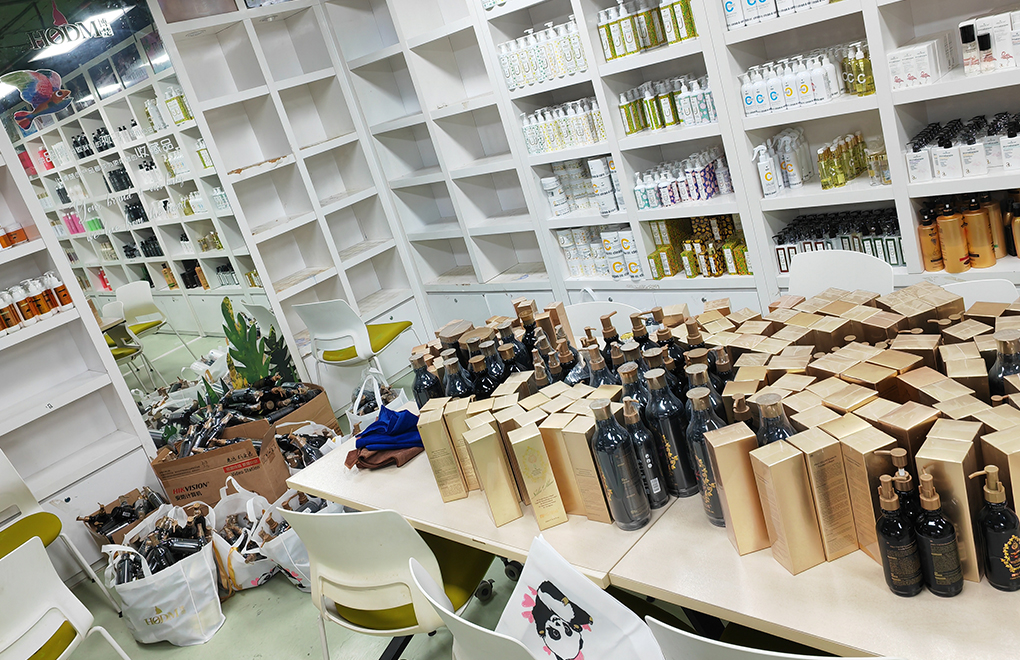
Brands planning to launch their own color care collections can explore HODM's Custom Hair Care Formula Development and OEM/ODM Hair Care Manufacturing services to develop products according to their target customers, formula requirements, and brand positioning.
This guide explains how to develop a complete hair care product line for color-treated hair, covering customer needs, product selection, formulation strategies, ingredient considerations, color retention evaluation, packaging, and manufacturing.
1. Understanding the Needs of Color-Treated Hair
Hair coloring involves chemical processes that alter the appearance of natural hair color. Depending on the coloring technique, products used, and hair condition, the process may affect the hair cuticle, moisture balance, surface smoothness, and overall manageability.
Bleaching, permanent coloring, repeated color treatments, and frequent heat styling can create additional conditioning needs. These concerns influence how brands should develop products for color-treated hair.
Common Concerns Among Color-Treated Hair Customers
- Color Fading: Hair color may gradually change or lose vibrancy through washing, environmental exposure, and normal wear.
- Dryness: Chemically processed hair may feel drier and require additional conditioning.
- Rough Texture: Changes in the hair surface can affect softness and smoothness.
- Reduced Manageability: Colored hair may become more difficult to detangle and style.
- Breakage: Chemically processed hair may require careful conditioning and handling.
- Color Tone Changes: Blonde, copper, red, and other shades may have different maintenance requirements.
Why Specialized Color Care Products Matter
A general shampoo and conditioner may not address every concern associated with colored hair. Specialized products can be developed around gentle cleansing, conditioning, color appearance maintenance, and the needs of different hair shades.
Brands should focus on the actual requirements of their target customers rather than assuming every color-treated hair type needs the same formula.
2. Best Hair Care Products to Develop for Color-Treated Hair
A complete color care collection can include several complementary products. Each product should have a clearly defined purpose and work as part of a consistent hair care routine.
Color Protect Shampoo
Color protection shampoo provides the cleansing foundation of the collection. Formulation considerations include surfactant selection, cleansing strength, rinsability, and conditioning characteristics.
Brands may consider sulfate-free cleansing systems when developing products for customers seeking a gentle cleansing experience. However, the finished formula should be evaluated as a whole rather than assuming that sulfate-free automatically guarantees better color retention.
Color Protect Conditioner
Conditioner supports softness, detangling, and manageability after shampooing. It can be developed with suitable conditioning agents, emollients, and other ingredients according to the desired finished hair feel.
Color Protection Hair Mask
Hair masks provide a more intensive conditioning step for colored and chemically processed hair. Brands can develop richer treatment formulas for consumers who want additional softness, smoothness, and conditioning.
Color Care Leave-In Conditioner
Leave-in conditioners provide convenient conditioning without a rinse-off step. Spray and lightweight cream formats can be developed for detangling, manageability, and everyday maintenance.
Color Protection Hair Oil and Serum
Hair oils and serums can complement a color care collection by supporting smoothness, shine, and a polished finish. Formula weight and application characteristics should match the target hair type.
Purple Shampoo and Toning Products
Blonde and lightened hair may require specialized toning products. Purple or violet pigments can help neutralize unwanted yellow-looking tones when used appropriately.
Toning products have a different purpose from general color protection shampoos. Brands should position these products separately and develop clear usage instructions.
| Product Category | Main Product Direction | Common Format |
|---|---|---|
| Color Protect Shampoo | Gentle cleansing and color care | Bottles |
| Color Protect Conditioner | Softness and manageability | Bottles and tubes |
| Color Protection Hair Mask | Intensive conditioning | Jars and tubes |
| Color Care Leave-In | Detangling and conditioning | Spray bottles and pumps |
| Color Care Hair Oil | Smoothness and shine | Pump and dropper bottles |
| Purple Shampoo | Unwanted yellow-tone neutralization | Bottles |
3. Color Care Product Examples for Private Label Brands
HODM offers color protection product concepts that can serve as starting points for brands developing specialized color care collections. Existing formulas can be evaluated and discussed as part of a broader product development project.

Sulfate Free Color Protect Shampoo
A sulfate-free cleansing concept for brands developing color care collections focused on gentle cleansing and maintaining the appearance of colored hair.
Product Direction: Color Care, Gentle Cleansing, Conditioning Support.
Explore Product →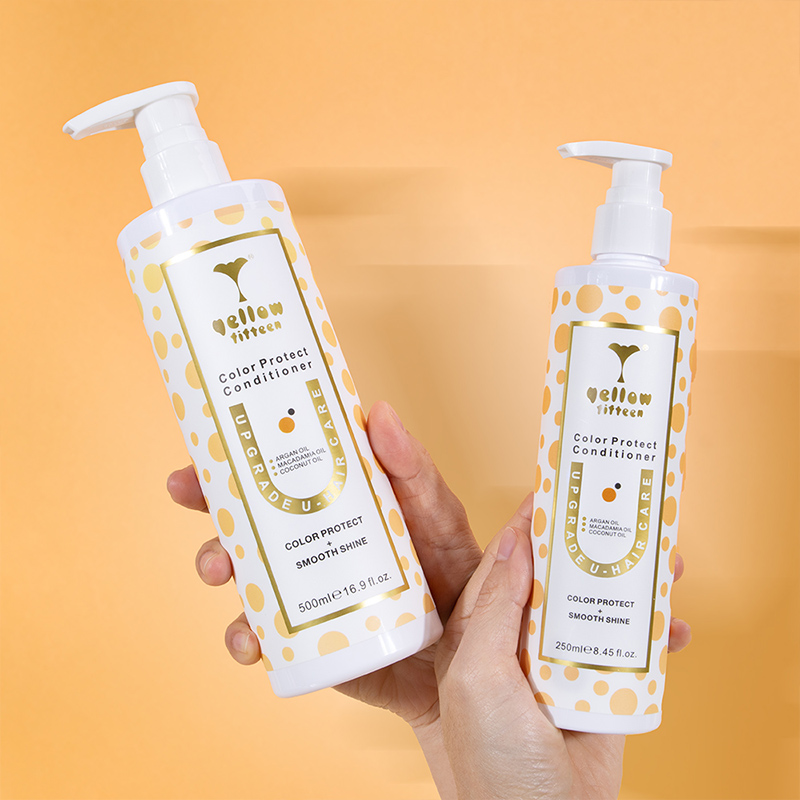
Color Protect Conditioner
A complementary conditioner developed for color-treated hair, focusing on softness, detangling, smoothness, and color care.
Product Direction: Conditioning, Manageability, Color Care.
Explore Product →These products illustrate two complementary directions for a color care collection. Brands can evaluate the existing shampoo concept and discuss a matching conditioner formula according to their target market and product requirements.
HODM can also discuss additional color care products, including hair masks, leave-in treatments, and finishing products, to create a coordinated product range.
Contact HODM to discuss available formulas and request samples for evaluation.
4. How to Develop a Color Protect Shampoo
Shampoo formulation is one of the most important parts of a color care collection. The objective is to develop a cleansing system that meets the target customer's washing needs while considering the condition of chemically colored hair.
Select a Suitable Surfactant System
Surfactants remove sebum, dirt, and accumulated styling residues. Their selection and concentration influence cleansing strength, foam characteristics, and the overall washing experience.
Formulators may consider sulfate-free systems or other suitable cleansing combinations according to the intended product positioning.
Balance Cleansing and Conditioning
Excessively strong cleansing may not suit every color-treated hair customer. However, the formula must still provide sufficient cleansing performance for its intended use.
Suitable conditioning polymers, emollients, and other compatible ingredients may be considered to improve hair feel after washing.
Consider Formula pH
The pH of a shampoo should be established according to the complete formula and product requirements. It should not be selected using an arbitrary universal value.
Evaluate Color Retention Performance
Color retention should be evaluated through suitable testing on representative color-treated hair samples. Relevant comparisons may examine color change after repeated washing under defined conditions.
Develop the Product Around a Clear Positioning
A color protect shampoo may focus on gentle cleansing, color care, softness, or a specific hair coloring category. Product claims should reflect the actual formulation and available supporting evidence.
For more shampoo development information, read Shampoo Products: Market Trends, Formulation, and Development Guide for Brands.
5. How to Develop a Color Protect Conditioner
Conditioner is an important companion to color protection shampoo. Its role is to provide conditioning and improve the feel and manageability of colored hair.
Select Appropriate Conditioning Ingredients
Formulators may consider cationic conditioning agents, fatty alcohols, selected silicones, plant oils, and other suitable emollients.
The ingredient combination should be selected according to the target hair type, desired texture, and rinsing characteristics.
Develop a Suitable Conditioning Texture
Some customers prefer lightweight conditioners that rinse easily, while consumers with bleached or heavily processed hair may prefer richer conditioning products.
Consider Color Care Positioning
A color protect conditioner can be positioned around softness, smoothness, detangling, and maintaining a pleasant hair feel between coloring services.
Match Conditioner with the Shampoo
Shampoo and conditioner can share a fragrance direction, packaging identity, and complementary product positioning while using different formula systems.
Explore HODM Custom Formula Development for customized conditioner formulation.
6. Develop Color Care Hair Masks and Intensive Treatments
Color-treated hair, especially hair that has undergone bleaching or repeated chemical processing, may require additional conditioning beyond the regular shampoo and conditioner routine.
Develop a Treatment-Oriented Formula
Hair masks can use richer conditioning systems designed to improve softness, smoothness, and manageability.
Consider Suitable Functional Ingredients
- Hydrolyzed Proteins: May contribute to conditioning and film-forming properties.
- Panthenol: A commonly used conditioning ingredient.
- Argan Oil: An emollient used for softness and conditioning.
- Macadamia Oil: Used in selected conditioning formulations.
- Conditioning Polymers: Can contribute to combability and manageability.
- Selected Silicones: May improve smoothness and reduce friction during grooming.
Choose a Suitable Treatment Texture
Richer creams and masks may suit dry or heavily processed hair, while lighter treatment formulas can be considered for customers who prefer less product weight.
Define Usage Instructions
Clearly explain application quantity, recommended frequency, contact time, and rinsing instructions.
The product should be positioned according to its actual conditioning performance rather than making unsupported claims about permanently repairing chemically altered hair.
7. Develop Leave-In Products for Color-Treated Hair
Leave-in products provide additional conditioning and styling support without requiring a rinse-off step. They can complement a color care collection and help customers maintain their hair between washes.
Leave-In Conditioner Sprays
Lightweight leave-in sprays can be developed for detangling, softness, and convenient application. Their texture and spray distribution should suit the intended hair type.
Heat Protection Products
Color-treated hair may also benefit from appropriate heat styling products. Heat protection sprays and leave-in treatments can be included in a broader color care collection when their performance is properly evaluated.
Hair Oils and Finishing Serums
Selected oils and serums can provide smoothness, shine, and a polished finish. Formula weight and application quantity should be considered for different hair types.
Build a Coordinated Routine
Brands can combine rinse-off products and leave-in treatments to provide different levels of care throughout the washing and styling process.
8. Key Ingredients for Color-Treated Hair Formulations
Ingredient selection should reflect the intended product function. A color care collection does not need every product to contain identical ingredients. Instead, each formula should have a clear purpose within the overall range.
Gentle Cleansing Ingredients
Suitable surfactant combinations can be considered to balance cleansing performance, foam, and rinsability.
Conditioning Polymers
Conditioning polymers may help improve combability, reduce friction during grooming, and support smoother hair feel.
Panthenol and Humectants
Panthenol and suitable humectants may be incorporated into selected products to support conditioning and moisture-related product positioning.
Plant Oils and Emollients
Argan oil, macadamia oil, coconut oil, and other suitable emollients may be considered in conditioners, masks, and finishing products.
Proteins and Conditioning Ingredients
Hydrolyzed proteins and other conditioning ingredients can be evaluated for their contribution to formula performance and finished hair feel.
Pigments for Specialized Toning Products
Purple or violet pigments may be used in specialized toning products for blonde or lightened hair. These products require appropriate pigment selection, dispersion, stability, and staining evaluation.
| Ingredient Direction | Potential Function | Product Category |
|---|---|---|
| Surfactant Systems | Cleansing and foaming | Shampoo |
| Conditioning Polymers | Combability and manageability | Shampoo and Conditioner |
| Panthenol | Conditioning support | Shampoo and Leave-In |
| Argan Oil | Emolliency and conditioning | Conditioner and Hair Mask |
| Hydrolyzed Proteins | Conditioning and film formation | Hair Mask and Treatments |
| Selected Silicones | Smoothness and slip | Conditioner and Serum |
| Violet Pigments | Unwanted yellow-tone neutralization | Purple Shampoo and Mask |
Ingredient selection and concentration should be based on the complete formula, compatibility, stability, and intended product performance. No single ingredient guarantees color retention.
9. How to Evaluate Color Retention in Hair Care Products
Color retention is an important consideration when developing products for color-treated hair. Brands should use appropriate testing rather than relying only on marketing descriptions or ingredient claims.
Use Representative Color-Treated Hair Samples
Select suitable hair tresses or other representative test materials with defined coloring conditions. Different hair colors and processing histories may produce different results.
Establish a Controlled Washing Procedure
Define the washing frequency, water conditions, product quantity, washing method, and drying procedure to make comparisons more consistent.
Compare Color Changes
Depending on the testing method, color changes may be evaluated through instrumental color measurements or other suitable assessment techniques.
Evaluate Hair Condition Alongside Color
Color retention should not be the only performance consideration. Also assess softness, smoothness, combability, and overall hair feel after repeated washing.
Support Specific Product Claims
Claims such as color protection, reduced color fading, or color retention should be supported by suitable testing under defined conditions.
If a product claims to protect colored hair for a specific number of washes, the testing method and supporting evidence should match that claim.
10. How to Build a Complete Color-Treated Hair Product Line
A successful color care collection should provide complementary products for different stages of the hair care routine.
Example 1: Essential Color Care Collection
- Sulfate-free color protect shampoo.
- Color protect conditioner.
- Color care hair mask.
Example 2: Premium Color Care Collection
- Color protection shampoo.
- Intensive color care conditioner.
- Repairing hair mask.
- Color care leave-in treatment.
- Finishing hair serum.
Example 3: Blonde and Lightened Hair Collection
- Purple shampoo.
- Color care conditioner.
- Purple or toning hair mask.
- Leave-in conditioning treatment.
Example 4: Professional Salon Color Care Collection
- Professional color protect shampoo.
- Conditioning treatment.
- Intensive hair mask.
- Heat protection spray.
- Finishing serum.
These are example product systems. Brands should select products according to their target customers, salon services, pricing strategy, and manufacturing requirements.
Maintain a Consistent Product Identity
A coordinated collection can share a fragrance direction, visual identity, packaging colors, and product naming system while maintaining different formulas for individual applications.
11. Custom Formulation for Private Label Color Care Products
Custom formulation allows brands to develop color care products according to their target customers, formula preferences, hair coloring categories, and desired product positioning.
Prepare a Product Development Brief
- Target hair color and customer profile.
- Product categories to be developed.
- Preferred cleansing and conditioning systems.
- Ingredient preferences and restrictions.
- Desired texture, viscosity, and fragrance.
- Color retention and conditioning requirements.
- Packaging format and product size.
- Target cost and MOQ.
- Target sales market and cosmetic claims.
Develop Formulas for Different Hair Color Categories
Brands may choose to develop separate collections for general color-treated hair, blonde hair, red hair, or chemically processed hair.
Each collection should have a clearly defined product purpose rather than simply changing the fragrance or packaging of an otherwise identical product.
Request and Evaluate Samples
Evaluate the cleansing, conditioning, texture, fragrance, and intended color care performance of each formula.
Refine and Approve the Product Collection
Record sample revisions and confirm the final formula specifications before moving toward packaging approval and commercial manufacturing.
Explore HODM Custom Formula Development to discuss your color care product requirements.
12. Packaging Options for Color Protection Hair Care Products
Packaging should reflect the formula, product application, brand positioning, and target customer.
| Product | Common Packaging | Key Consideration |
|---|---|---|
| Color Protect Shampoo | Pump and flip-top bottles | Dispensing and formula compatibility |
| Color Protect Conditioner | Bottles and tubes | Viscosity and dispensing |
| Color Care Hair Mask | Jars and tubes | Formula access and closure |
| Leave-In Conditioner | Spray bottles | Spray distribution |
| Hair Serum | Pump and dropper bottles | Controlled application |
Build a Consistent Color Care Collection
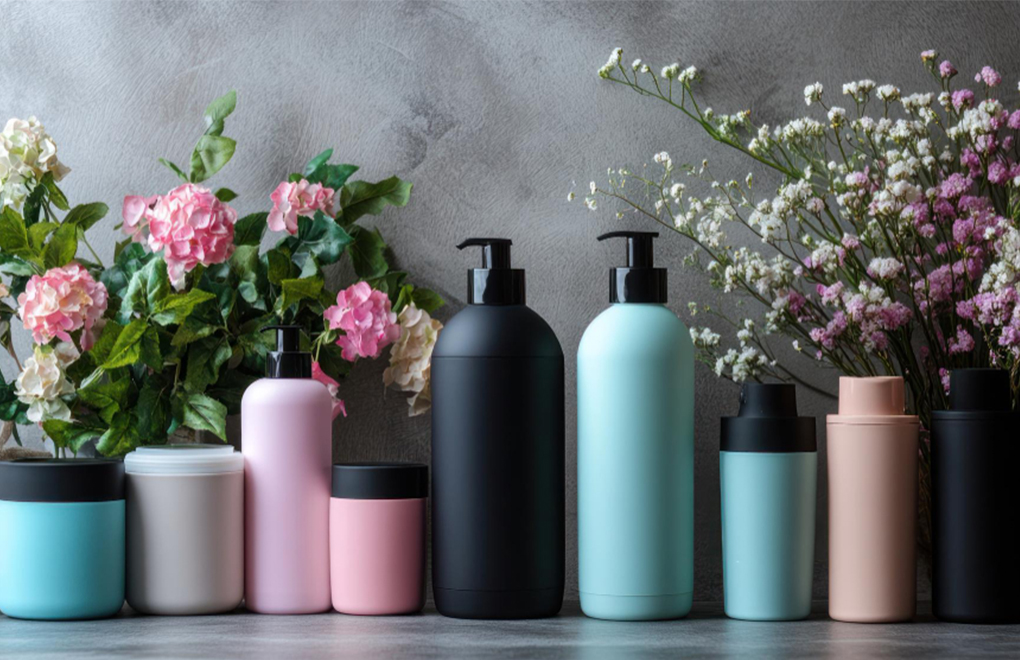
Coordinated bottle shapes, colors, labels, and finishes can help establish a recognizable product family.
Individual products may use different packaging formats depending on their formula and application method.
Explore HODM Custom Packaging Options for bottle, jar, and packaging customization.
13. Sample Evaluation, Stability, and Quality Control
Before commercial production, color care products should be evaluated according to their intended functions and agreed product specifications.
Formula Evaluation
- Appearance and color.
- Fragrance and sensory characteristics.
- pH and viscosity where applicable.
- Texture and application.
- Cleansing and conditioning performance.
- Color retention claims where applicable.
Stability Testing
Appropriate stability assessments help evaluate changes in formula appearance, odor, viscosity, pH, and other relevant characteristics under defined storage conditions.
Microbiological Quality
Water-based shampoos, conditioners, and hair masks require suitable microbiological quality controls and appropriate preservation systems.
Packaging Compatibility
Evaluate the formula with its selected bottle, pump, jar, or tube to confirm suitable dispensing, material compatibility, and sealing performance.
Finished Product Inspection
Confirm that commercial products meet the approved specifications and relevant quality requirements before release.
For a more detailed evaluation process, read Hair Care Product Sample Evaluation: What Brands Should Check Before Approval.
14. Choosing a Manufacturer for Color-Treated Hair Care Products
Choosing an experienced manufacturer is important when developing a specialized color care collection. The manufacturer should understand the formulation and production requirements of shampoos, conditioners, masks, and other treatment products.
Evaluate Formulation Experience
Review experience with color protect shampoos, conditioning systems, sulfate-free formulas, color care masks, and other products designed for chemically colored hair.
Review R&D and Testing Capabilities
Ask about sample development, formula adjustment, stability testing, color retention evaluation, and other relevant performance assessments.
Check Manufacturing Capabilities
Confirm whether the manufacturer can support your product categories, packaging formats, filling requirements, and expected production quantities.
Understand MOQ and Commercial Requirements
Confirm MOQ per SKU, formula, packaging component, and customization requirement. Request a quotation covering development, materials, packaging, production, and other applicable costs.
Review Quality Management
Consider relevant certifications, incoming material controls, production documentation, batch records, and finished-product inspection procedures.
Explore HODM OEM/ODM Hair Care Manufacturing to learn more about manufacturing capabilities.
15. Common Mistakes When Developing Color Care Products
Assuming Sulfate-Free Automatically Prevents Color Fading
Sulfate-free positioning does not automatically demonstrate superior color retention. The complete cleansing system and its performance should be evaluated through suitable testing.
Using the Same Formula for Every Hair Color
Blonde, red, dark, and other colored hair categories may have different maintenance requirements. Specialized products should have clearly defined purposes.
Ignoring Conditioning Requirements
Focusing only on color protection while overlooking softness, detangling, and manageability can result in an incomplete product experience.
Making Unsupported Color Protection Claims
Claims about reduced fading, color retention, or protection over a specific number of washes should be supported by appropriate testing.
Developing Products Without a Complete Routine
A collection of unrelated products may not provide a consistent customer experience. Consider how shampoo, conditioner, masks, and leave-in products work together.
Choosing Packaging Without Formula Evaluation
Packaging should be evaluated with the actual formula to confirm compatibility, dispensing, and storage performance.
Frequently Asked Questions
What products should be included in a color-treated hair care line?
A basic collection can include color protect shampoo, conditioner, and hair mask. Brands can expand the range with leave-in treatments, heat protection products, finishing serums, and specialized toning products.
What makes a shampoo suitable for color-treated hair?
A suitable shampoo should provide appropriate cleansing while considering the needs of colored hair. Formulation factors include surfactant selection, cleansing strength, conditioning characteristics, pH, and color retention performance.
Does sulfate-free shampoo prevent hair color from fading?
Not automatically. Sulfate-free shampoos may be developed for gentle cleansing, but actual color retention depends on the complete formula, hair condition, washing routine, and testing results.
What ingredients are commonly used in color protection hair care products?
Formulators may consider suitable surfactants, conditioning polymers, panthenol, emollients, plant oils, hydrolyzed proteins, and other compatible ingredients. Ingredient selection depends on the product category and desired performance.
What is the difference between color protection shampoo and purple shampoo?
Color protection shampoo is designed for cleansing and maintaining the appearance of colored hair. Purple shampoo uses violet pigments to help neutralize unwanted yellow-looking tones, particularly in blonde or lightened hair.
Can I develop a matching color protect shampoo and conditioner?
Yes. Brands can develop complementary shampoo and conditioner formulas with coordinated fragrance, packaging, and product positioning while maintaining different formula systems for their individual functions.
How can manufacturers evaluate color retention performance?
Evaluation may involve controlled washing procedures using representative colored hair samples, followed by instrumental or other suitable assessments of color change. Testing conditions should reflect the intended product claims.
Can HODM provide color protect shampoo samples?
HODM has a Sulfate Free Color Protect Shampoo product concept that can be discussed as a starting point for color care development. Sample availability and customization requirements can be confirmed with the HODM team.
Explore HODM Hair Care Product Samples.
Can color care products be customized for salon brands?
Yes. Brands can discuss formula characteristics, cleansing systems, conditioning ingredients, fragrance, packaging, product sizes, and other customization requirements for professional salon collections.
What should I consider when choosing a color care manufacturer?
Review formulation experience, sample development, testing capabilities, packaging options, MOQ, production capacity, quality management, and communication throughout the project.
Conclusion: Develop a Complete Hair Care Product Line for Color-Treated Hair
Developing a hair care product line for color-treated hair requires a clear understanding of customer needs, cleansing and conditioning requirements, formula performance, and product positioning.
Color protect shampoos, conditioners, intensive hair masks, leave-in treatments, and finishing products can work together to create a complete color care collection.
Successful development also requires suitable ingredient selection, color retention evaluation, packaging compatibility, and quality control. Specific color protection claims should always be supported by appropriate testing.
With a clear product development plan and an experienced manufacturing partner, brands can create specialized color care collections that meet their target market and commercial requirements.
Develop Your Own Color Care Hair Product Line with HODM
HODM Cosmetics supports private label brands, salon businesses, and distributors with color protection shampoos, conditioners, hair masks, leave-in treatments, and customized hair care manufacturing.
From formula development and sample evaluation to packaging customization, quality assessment, and commercial production, our team can discuss suitable solutions for your color care collection.
Share your product requirements, target customers, and preferred packaging to explore suitable OEM/ODM manufacturing options.
Discuss Your Color Care Project