
OEM vs Private Label Hair Care: Which Is Better for Your Brand?
OEM vs Private Label Hair Care—Which Is Better?
OEM (Original Equipment Manufacturing) and private label hair care are two popular manufacturing models for beauty brands. OEM allows brands to develop custom formulations, ingredients, packaging, and product positioning, offering greater differentiation and long-term brand value. Private label uses pre-developed formulas with custom branding, enabling faster launches, lower costs, and reduced development risk. The best choice depends on your budget, timeline, business goals, and desired level of product customization.
For startups, Amazon sellers, salon brands, distributors, and DTC businesses, understanding the differences between OEM and private label is essential before choosing a manufacturing partner.
Why Choosing the Right Manufacturing Model Matters
The manufacturing model you choose influences almost every aspect of your business.
It affects:
- Product uniqueness
- Development timeline
- Initial investment
- Brand positioning
- Profit margins
- Long-term scalability
Business Impact
| Decision Area | OEM | Private Label |
|---|---|---|
| Product differentiation | Excellent | Limited |
| Time to market | Moderate | Fast |
| Development cost | Higher | Lower |
| Long-term brand value | High | Moderate |
| Flexibility | High | Limited |
👉 Your manufacturing strategy should align with your business goals—not just your budget.
What Is OEM Hair Care Manufacturing?
OEM (Original Equipment Manufacturing) means a manufacturer develops products based on your brand’s specifications.
OEM Services Typically Include
- Custom formulation development
- Ingredient selection
- Product performance optimization
- Product testing
- Packaging development
- Regulatory support
- Mass production
OEM Is Ideal For
- Premium beauty brands
- DTC brands
- Salon-exclusive collections
- Retail product lines
- Brands focused on long-term differentiation
👉 Learn more in OEM Hair Care Manufacturing: Complete Guide to Formulation, Production, and Private Label Brands
What Is Private Label Hair Care?
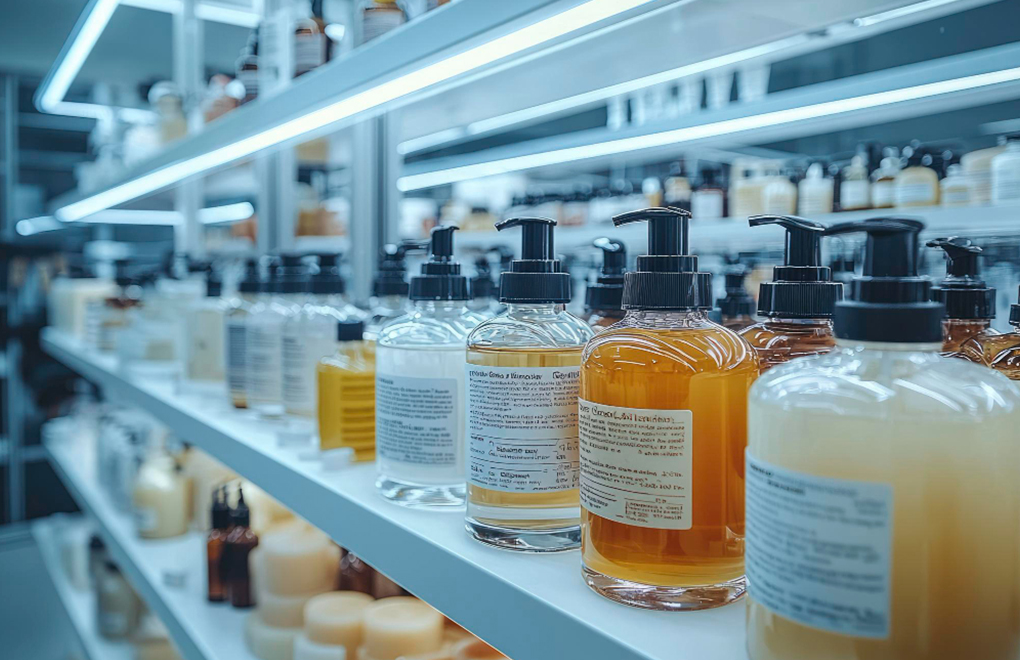
Private label manufacturing uses existing formulas that are branded with your company name.
Most manufacturers already have proven formulations for:
- Shampoo
- Conditioner
- Hair mask
- Hair oil
- Styling products
- Leave-in conditioner
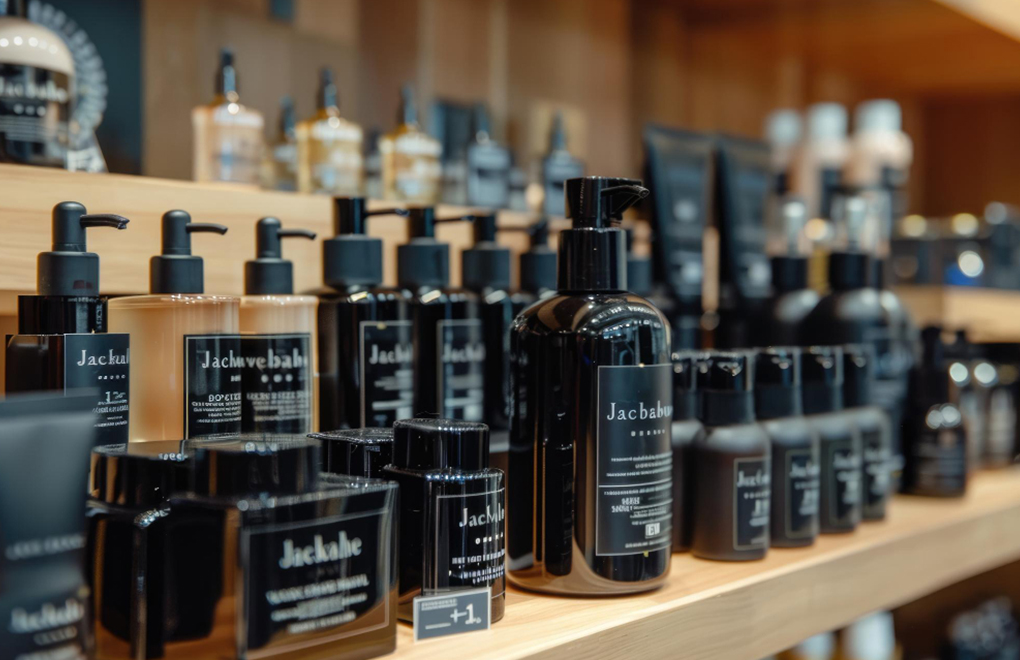
Brands typically customize:
- Logo
- Label
- Packaging
- Product name
Advantages of Private Label
| Benefit | Why It Matters |
|---|---|
| Faster launch | Products already developed |
| Lower investment | No formulation costs |
| Lower MOQ | Easier for startups |
| Reduced development risk | Proven formulas |
👉 Private label is one of the fastest ways to launch a hair care brand.
OEM vs Private Label: Side-by-Side Comparison
| Feature | OEM | Private Label |
|---|---|---|
| Formula | Fully custom | Existing formula |
| Ingredients | Customizable | Limited changes |
| Packaging | Fully customizable | Usually customizable |
| Product uniqueness | High | Moderate |
| Development time | Longer | Shorter |
| Initial investment | Higher | Lower |
| Brand differentiation | Excellent | Moderate |
| Scalability | Excellent | Good |
Quick Summary
Choose OEM if you want uniqueness.
Choose private label if speed and simplicity are your priorities.
Cost Comparison
Budget is often the deciding factor.
Typical Cost Comparison
| Cost Area | OEM | Private Label |
|---|---|---|
| Formula development | Higher | None |
| Product testing | Higher | Usually included |
| Packaging development | Moderate | Lower |
| MOQ | Often higher | Often lower |
| Time investment | Higher | Lower |
Long-Term Perspective
Private label reduces startup costs.
OEM often creates higher long-term value through product differentiation and premium pricing.
👉 Learn more in Custom Hair Care Product Cost Breakdown: Formula, Packaging, and Manufacturing Explained
Time-to-Market Comparison
Launch speed varies significantly.
Typical Timeline
| Stage | OEM | Private Label |
|---|---|---|
| Formula development | 2–8 weeks | Not required |
| Testing | 4–12 weeks | Usually completed |
| Packaging | 2–6 weeks | Faster |
| Production | 4–8 weeks | 2–6 weeks |
Total Timeline
| Model | Typical Timeline |
|---|---|
| Private Label | 4–8 weeks |
| OEM | 3–9 months |
👉 Learn more in How Long Does Hair Care Product Development Take? From Formula to Market Launch Timeline
Which Model Offers Better Product Differentiation?
Differentiation is increasingly important in a competitive beauty market.
OEM Advantages
- Exclusive formulations
- Custom ingredient combinations
- Unique textures and fragrances
- Stronger brand story
Private Label Limitations
- Similar formulas may be sold to multiple brands
- Less flexibility
- More price competition
👉 Brands focused on long-term growth usually invest in differentiation.
Which Model Is Better for Amazon Sellers?
Amazon rewards products that stand out.
Private Label Works Well For
- Fast product launches
- Market testing
- Budget-conscious startups
OEM Works Well For
- Premium positioning
- Brand differentiation
- Higher review potential through unique performance
👉 Learn more in How to Launch a Hair Care Brand on Amazon FBA
Which Model Is Better for DTC Brands?
DTC brands compete on storytelling and customer experience.
Why OEM Is Often Better
OEM allows brands to create:
- Exclusive product systems
- Signature ingredients
- Personalized routines
- Premium positioning
These advantages help improve:
- Customer retention
- Lifetime value
- Brand loyalty
👉 Learn more in How to Build a DTC Hair Care Brand: From Product Development to Online Sales
Which Model Is Better for Retail Expansion?
Retail buyers often seek differentiated products.
OEM Benefits
- Stronger product uniqueness
- Better retailer positioning
- Premium merchandising opportunities
Private Label Challenges
- Greater competition
- Less exclusive product offering
👉 Learn more in How to Expand a Hair Care Brand into Retail Stores
Compliance Considerations
Regardless of the manufacturing model, products must comply with applicable regulations.
Compliance Areas
- FDA cosmetic regulations
- MoCRA requirements
- Ingredient safety
- Product testing
- Label compliance
Manufacturer Support
Experienced manufacturers can help with:
- Documentation
- Testing coordination
- Label guidance
- Regulatory preparation
👉 Learn more in FDA Regulations for Hair Care Products: Compliance, Labeling, and Manufacturing Requirements Explained
When Should You Choose OEM?
OEM is the better option if you want to:
- Build a premium brand
- Create unique formulations
- Protect your competitive advantage
- Expand into retail
- Develop long-term brand equity
OEM requires more investment but offers greater strategic value.
When Should You Choose Private Label?
Private label is the better option if you want to:
- Launch quickly
- Minimize upfront costs
- Test market demand
- Validate product ideas
- Start with lower inventory risk
Many successful brands begin with private label before transitioning to OEM.
A Hybrid Strategy: The Best of Both Worlds
Many brands follow this path:
Stage 1
Launch with private label products.
↓
Validate customer demand.
↓
Generate cash flow.
↓
Stage 2
Develop custom OEM products.
↓
Expand product range.
↓
Build premium positioning.
↓
Stage 3
Scale into DTC, Amazon, retail, and international markets.
👉 This phased approach reduces risk while supporting long-term growth.
Common Mistakes Brands Make
Mistake #1: Choosing Only Based on Price
Lower cost doesn’t always mean better value.
Mistake #2: Ignoring Long-Term Strategy
Today’s manufacturing decision affects future competitiveness.
Mistake #3: Underestimating Product Differentiation
Unique products often outperform generic alternatives.
Mistake #4: Choosing the Wrong Manufacturing Partner
Even the right manufacturing model can fail with the wrong supplier.
👉 Learn more in How to Audit a Hair Care Manufacturer: Quality, Compliance, and Capability Checklist
Why Work with HODM?
HODM supports both OEM and private label hair care manufacturing.
HODM Services
- OEM formulation development
- Private label manufacturing
- Product testing support
- Packaging development
- Compliance guidance
- Flexible MOQ options
- Scalable production capacity
Whether you need a fast private label launch or a fully customized OEM product line, HODM helps you build products that support long-term brand success.
FAQ
What is the main difference between OEM and private label hair care?
OEM involves developing a custom product from formulation to packaging, while private label uses an existing formula with customized branding.
Is OEM more expensive than private label?
Yes. OEM usually requires additional investment for formulation development, testing, and customization. However, it often delivers greater long-term brand value.
Which option is better for startups?
Private label is often better for startups with limited budgets or those wanting to test the market quickly. OEM becomes more attractive as the business grows.
Can I switch from private label to OEM later?
Yes. Many successful brands begin with private label products and transition to OEM once they have validated demand and built a customer base.
Which model is better for Amazon?
Private label is suitable for fast product launches, while OEM offers better opportunities for product differentiation and long-term brand building.
Which manufacturing model is better for premium brands?
OEM is generally the preferred option because it enables exclusive formulations, stronger branding, and greater pricing power.
Conclusion
OEM and private label hair care manufacturing each offer distinct advantages. Private label is ideal for brands seeking speed, lower costs, and simplified market entry, while OEM provides greater customization, differentiation, and long-term growth potential. Rather than asking which model is universally better, brands should choose the approach that best aligns with their business stage, target market, and long-term strategy.
Launch Your Hair Care Brand with HODM
Whether you’re launching your first shampoo or expanding into a complete hair care system, HODM provides:
- OEM manufacturing
- Private label solutions
- Custom formulation development
- Product testing
- Packaging design
- Regulatory support
- Scalable production
Contact HODM today to discuss the best manufacturing model for your brand.