
Detangling Hair Products: Formulation and Product Opportunities for Brands
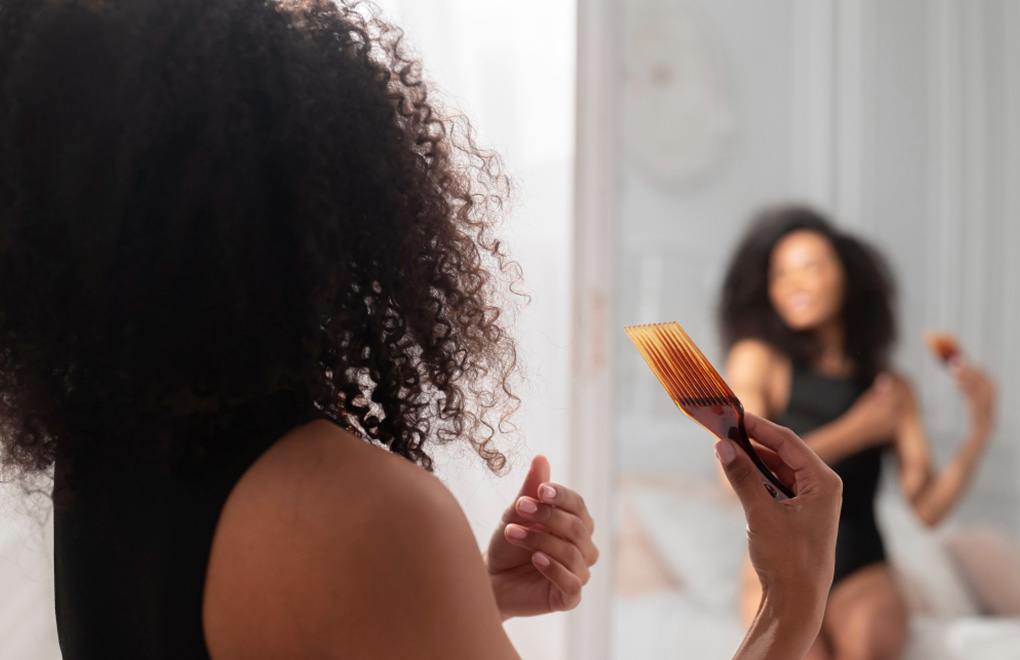
Detangling hair products are designed to make hair easier to comb, manage, and style. They are particularly relevant for consumers dealing with knots, dryness, frizz, and rough hair texture, as well as those with long, curly, thick, or chemically treated hair.
Developing effective detangling hair products requires more than adding conditioning ingredients to a formula. Brands need to consider hair surface friction, conditioning performance, formula texture, application methods, and the different requirements of rinse-off and leave-in products.
For brands planning to develop their own detangling collections, HODM offers custom hair care formula development and OEM/ODM hair care manufacturing solutions to support product selection, formulation, packaging, and commercial production.
This guide explores different detangling hair product categories, conditioning ingredients, formulation strategies, wet and dry combing performance, sample evaluation, and product opportunities for private label brands.
1. Understanding Detangling Hair Products and Consumer Needs
Detangling hair products are formulated to improve hair manageability and make combing easier by reducing friction between hair fibers.
Knots and tangles can develop when hair strands rub against each other, particularly when hair is dry, damaged, curly, long, or chemically processed.
Common Hair Concerns Related to Tangling
- Dry Hair: Hair with insufficient conditioning may feel rough and become more difficult to comb.
- Damaged Hair: Chemically processed or frequently heat-styled hair may have increased surface roughness and grooming friction.
- Curly and Textured Hair: Curl patterns can create additional opportunities for strands to become intertwined.
- Long Hair: Longer strands may develop knots during washing, drying, and everyday activities.
- Fine Hair: Fine strands may require lightweight conditioning products that improve manageability without an excessively heavy finish.
- Children's Hair Care: Gentle detangling products can be developed for age-appropriate hair care routines with suitable safety and labeling considerations.
Why Detangling Is an Important Product Benefit
Difficult combing can cause pulling and mechanical stress during grooming. A suitable conditioning formula can help reduce friction and make hair easier to manage.
For brands, detangling can be incorporated into several product categories rather than being limited to one specialized spray or cream.
2. Types of Detangling Hair Products Brands Can Develop
Detangling products can be developed in different formats depending on the target customer, hair type, application method, and desired conditioning experience.
Detangling Shampoo
Detangling shampoos combine cleansing with conditioning support. They are designed to provide a smoother washing experience while helping reduce the difficulty of combing after rinsing.
Detangling Conditioner
Rinse-off conditioners are among the most common formats for detangling products. Their conditioning systems help improve wet combability, softness, and hair manageability.
Leave-In Detangling Conditioner
Leave-in conditioners remain on the hair after application and do not require rinsing. They can provide continued conditioning support and are suitable for brands targeting everyday hair maintenance.
Detangling Spray
Detangling sprays offer convenient application and can be developed as lightweight water-based or emulsion-based products. They are suitable for customers who prefer quick application and easy distribution.
Detangling Cream
Detangling creams generally provide a richer conditioning experience than lightweight sprays. They can be developed for dry, thick, curly, or damaged hair that requires additional softness and manageability.
Detangling Hair Serum
Serums can combine smoothing and conditioning functions to support easier styling and a polished finish. Their formula weight should be selected according to the intended hair type.
| Product Category | Primary Function | Common Format |
|---|---|---|
| Detangling Shampoo | Cleansing and conditioning support | Bottle |
| Detangling Conditioner | Wet combability and softness | Bottle or tube |
| Leave-In Conditioner | Ongoing conditioning and manageability | Bottle or spray |
| Detangling Spray | Convenient lightweight application | Spray bottle |
| Detangling Cream | Richer conditioning and smoothness | Tube or jar |
| Detangling Serum | Smoothing and finishing care | Pump or dropper bottle |
3. Detangling Hair Product Examples for Private Label Brands
HODM offers different conditioning and detangling product concepts that can serve as starting points for brands developing their own product collections.
The following two products represent different approaches to detangling: a cream-based treatment and a leave-in conditioning formula.

Renewal Keratin Smooth Detangling Cream No.5
A keratin-focused conditioning cream with argan oil and botanical ingredients, developed for softness, smoothness, and easier hair manageability.
Key Ingredients: Keratin, Argan Oil, and Botanical Ingredients.
Product Direction: Detangling, Smoothness, Conditioning, and Manageability.
Explore Product →
Strengthening Leave-In Conditioner
A leave-in conditioning formula featuring hydrolyzed keratin, panthenol, and botanical oils to support smoothness, easier combing, and everyday hair manageability.
Key Ingredients: Hydrolyzed Keratin, Panthenol, Argan Oil, Coconut Oil, and Macadamia Seed Oil.
Product Direction: Leave-In Care, Detangling, Conditioning, and Smoothness.
Explore Product →These products illustrate two complementary formats for detangling product development. Brands can evaluate existing concepts or discuss customized formulas according to their target hair types, desired textures, fragrance preferences, and packaging requirements.
HODM can also discuss additional detangling products, including rinse-off conditioners, lightweight sprays, and specialized hair treatments.
4. How to Develop an Effective Detangling Conditioner
Conditioner formulation plays an important role in detangling performance. A suitable formula should help reduce friction between hair strands and improve combability without creating an excessively heavy finish.
Select an Appropriate Conditioning System
Cationic conditioning ingredients are commonly used in hair conditioners because they help improve hair surface conditioning and manageability.
Formulators may consider ingredients such as Behentrimonium Methosulfate, Behentrimonium Chloride, and Cetrimonium Chloride, depending on the formula requirements.
Balance Conditioning and Texture
The concentration of conditioning agents, fatty alcohols, and emollients influences the product's viscosity, spreadability, and finished hair feel.
A lightweight conditioner may be more appropriate for fine hair, while richer formulas may suit thick, curly, or heavily processed hair.
Evaluate Wet Combing Performance
Wet combability is an important evaluation point for rinse-off conditioners. Testing should examine how easily a wet hair sample can be combed after treatment.
Consider Rinsability
A detangling conditioner should provide the intended conditioning effect while remaining suitable for the product's rinse-off application.
Develop According to Hair Type
Brands can develop different conditioning strengths and textures for fine, normal, thick, curly, and chemically treated hair.
Explore Conditioner Products: Formulation, Development & Manufacturing Guide for more information.
5. Developing Leave-In Detangling Formulas
Leave-in products offer a convenient way to provide conditioning support between wash days. Unlike rinse-off conditioners, these formulas remain on the hair after application.
Choose a Suitable Formula Base
Leave-in detangling products may be developed as lightweight sprays, lotions, creams, or emulsions. The format should match the intended hair type and application method.
Select Conditioning Ingredients
Formulators may consider conditioning agents, hydrolyzed proteins, panthenol, selected silicones, and emollients to achieve the desired hair feel and manageability.
Control Formula Weight
Leave-in products remain on the hair, so formula weight and application quantity are particularly important. Excessive product deposition may create an unwanted coated or heavy finish.
Evaluate Distribution and Drying
A suitable leave-in product should distribute evenly through the hair and provide the intended finish without excessive residue or an undesirable drying feel.
Consider Different Application Formats
- Spray: Convenient for lightweight, even distribution.
- Liquid Lotion: Suitable for controlled conditioning application.
- Cream: Provides a richer conditioning experience.
- Serum: Suitable for selected smoothing and finishing applications.
Explore Leave-In Hair Care Products: Market Opportunities & Development Guide for additional product ideas.
6. How to Develop a Detangling Hair Spray
Detangling sprays provide a convenient product format for consumers who want to manage knots and improve combability without applying a rich cream or rinse-off conditioner.
Choose the Appropriate Spray Formula
Detangling sprays may use water-based or emulsion-based systems. The formula should be designed according to the desired conditioning level, viscosity, and spray mechanism.
Consider Conditioning Polymers
Selected conditioning polymers may help improve slip, combability, and hair manageability. Their compatibility and concentration should be evaluated within the complete formula.
Balance Lightweight Conditioning
A spray intended for everyday use may require a lighter sensory profile than a richer cream treatment.
Evaluate Spray Distribution
Test the nozzle, spray pattern, output consistency, and application coverage using the actual formula.
Develop Different Product Positions
Brands can develop detangling sprays for dry hair, curly hair, children's hair care, professional salon use, or everyday conditioning routines. Product claims and safety requirements should be appropriate for each target group.
7. Key Ingredients Used in Detangling Hair Products
Ingredient selection is central to detangling formulation. Different ingredients contribute to conditioning, lubrication, softness, and surface smoothness.
Cationic Conditioning Agents
Cationic conditioning agents are widely used in rinse-off and leave-in hair care formulations. They help improve hair conditioning and combability.
Examples include Behentrimonium Methosulfate, Behentrimonium Chloride, and Cetrimonium Chloride.
Fatty Alcohols
Ingredients such as Cetearyl Alcohol and Cetyl Alcohol are commonly used in conditioner systems to contribute to texture, emulsion structure, and conditioning feel.
Hydrolyzed Proteins
Hydrolyzed Keratin, Hydrolyzed Wheat Protein, and other protein-derived ingredients may contribute to conditioning and film-forming properties.
Panthenol
Panthenol is commonly included in hair care formulations as a conditioning ingredient and can complement a detangling product's overall formula profile.
Silicones
Selected silicones, such as Dimethicone and Amodimethicone, may improve slip, smoothness, and manageability by helping reduce friction during combing.
Plant Oils and Emollients
Argan oil, coconut oil, macadamia oil, and other suitable emollients may be used to complement conditioning systems and support softness.
Ingredient Selection by Function
| Ingredient | Potential Function | Product Application |
|---|---|---|
| Behentrimonium Methosulfate | Conditioning and combability | Conditioner and Cream |
| Cetrimonium Chloride | Conditioning and detangling support | Conditioner and Leave-In |
| Cetearyl Alcohol | Texture and emulsion structure | Conditioner and Cream |
| Hydrolyzed Keratin | Conditioning and film formation | Leave-In and Treatment |
| Panthenol | Conditioning support | Spray and Leave-In |
| Dimethicone | Smoothness and slip | Conditioner and Cream |
| Argan Oil | Emolliency and conditioning | Cream and Leave-In |
| Macadamia Oil | Softness and emolliency | Conditioner and Treatment |
Ingredient performance depends on concentration, formula compatibility, application method, and the complete conditioning system. No single ingredient guarantees effective detangling in every product.
8. How to Build a Complete Detangling Hair Care Product Line
A complete detangling collection can include different formats designed for different stages of the hair care routine.
Example 1: Everyday Detangling Collection
- Gentle detangling shampoo.
- Daily detangling conditioner.
- Lightweight leave-in conditioner spray.
Example 2: Intensive Detangling Collection
- Moisturizing shampoo.
- Rich detangling conditioner.
- Keratin detangling cream.
- Conditioning hair mask.
Example 3: Curly and Textured Hair Collection
- Gentle cleansing shampoo.
- Rich detangling conditioner.
- Leave-in conditioning cream.
- Detangling and curl styling product.
Example 4: Professional Salon Detangling Collection
- Professional cleansing shampoo.
- Salon conditioning treatment.
- Keratin detangling cream.
- Leave-in conditioning treatment.
- Finishing serum.
Match Product Categories to Target Customers
A professional salon collection may require richer conditioning treatments, while an everyday consumer range may prioritize convenient sprays and lightweight conditioners.
Brands should avoid developing too many similar products without a clear difference in function, application, or target customer.
9. How to Evaluate Wet and Dry Combing Performance
Detangling performance should be evaluated through appropriate product testing rather than relying only on ingredient selection or subjective descriptions.
Wet Combing Evaluation
Wet combing tests examine how easily hair can be combed after washing and conditioning. This is particularly relevant for rinse-off conditioners and treatment products.
Dry Combing Evaluation
Dry combing evaluation examines hair manageability after drying. This is useful for leave-in conditioners, detangling creams, and finishing treatments.
Evaluate Combing Force
Where suitable equipment is available, combing force can be measured to compare treated and untreated hair samples or different formula versions.
Assess Finished Hair Feel
- Ease of combing.
- Hair softness and smoothness.
- Perceived friction during brushing.
- Residue and product buildup.
- Hair volume and movement.
- Fragrance and sensory experience.
Use Consistent Testing Conditions
Comparisons should use suitable hair samples and controlled application procedures. Hair type, damage level, product quantity, drying conditions, and combing methods can influence the results.
Support Product Claims with Evidence
Claims such as easier detangling, improved combability, or reduced breakage during grooming should be supported by appropriate testing.
10. Custom Formulation for Private Label Detangling Products
Custom formulation allows brands to develop detangling products according to their target customers, hair types, ingredient preferences, and product positioning.
Prepare a Product Development Brief
- Target hair type and customer profile.
- Product format: conditioner, spray, cream, or leave-in.
- Desired detangling performance.
- Preferred conditioning ingredients.
- Silicone-free or other formulation preferences.
- Desired texture and viscosity.
- Fragrance and sensory requirements.
- Packaging type and product size.
- Target manufacturing cost and MOQ.
- Target market and product claims.
Develop Formulas for Different Hair Types
Fine hair may require lightweight conditioning, while thick, curly, or heavily processed hair may need richer conditioning systems.
The same detangling concept can therefore be developed into different formulas with different textures and application methods.
Request and Evaluate Samples
Evaluate the formula's wet and dry combing characteristics, spreadability, residue, softness, and overall application experience.
Refine and Approve the Formula
Record sample feedback, confirm formula revisions, and approve the final product specifications before commercial manufacturing.
Explore HODM Custom Formula Development to discuss your detangling product requirements.
11. Packaging Options for Detangling Hair Products
Packaging should match the formula viscosity, application method, and intended customer experience.
| Product | Common Packaging | Key Consideration |
|---|---|---|
| Detangling Shampoo | Pump and flip-top bottles | Cleansing and dispensing |
| Detangling Conditioner | Bottles and tubes | Formula viscosity |
| Leave-In Conditioner | Spray and pump bottles | Application quantity |
| Detangling Spray | Fine mist spray bottles | Spray distribution |
| Detangling Cream | Tubes and jars | Formula access and dispensing |
| Detangling Serum | Pump and dropper bottles | Controlled application |
Choose Suitable Dispensing Systems
Thicker creams may require tubes or jars, while lightweight leave-in products may be suitable for spray or pump bottles.
Check Formula and Packaging Compatibility
Evaluate the selected container and dispensing components with the actual formula before approving packaging for production.
Explore HODM Custom Packaging Solutions for bottle, tube, and jar customization.
12. Sample Evaluation, Stability, and Quality Control
Before commercial production, detangling hair products should be evaluated according to their intended application and approved product specifications.
Formula Evaluation
- Appearance, color, and fragrance.
- Texture and viscosity.
- pH where applicable.
- Spreadability and application.
- Wet and dry combing performance.
- Finished hair feel and residue.
Stability Testing
Stability assessments help evaluate changes in formula appearance, odor, viscosity, pH, and other relevant characteristics under defined storage conditions.
Microbiological Quality
Water-based conditioners, leave-in sprays, and detangling creams require suitable microbiological quality controls and appropriate preservation systems.
Packaging Compatibility
Evaluate the formula with its intended bottle, pump, spray mechanism, tube, or jar. Check dispensing performance, leakage, and material compatibility.
Finished Product Inspection
Confirm that the final products meet approved specifications and relevant quality requirements before commercial release.
For additional guidance, read Hair Care Product Sample Evaluation: What Brands Should Check Before Approval .
13. Choosing a Manufacturer for Detangling Hair Products
Selecting the right OEM/ODM manufacturer is important for developing detangling products with suitable conditioning systems, consistent performance, and reliable production.
Evaluate Formulation Experience
Review experience with rinse-off conditioners, leave-in treatments, detangling creams, sprays, and other conditioning products.
Review R&D Capabilities
Ask about conditioning ingredient selection, formula adjustment, wet and dry combing evaluation, texture development, and sample preparation.
Check Manufacturing Capabilities
Confirm whether the manufacturer can support different formula types, product viscosities, packaging formats, and expected production quantities.
Understand MOQ and Customization
Confirm minimum order quantities for each formula, fragrance, packaging component, and customization requirement.
Review Quality Management
Consider relevant certifications, incoming material inspection, manufacturing records, finished-product testing, and batch traceability.
Explore HODM OEM/ODM Hair Care Manufacturing for more information.
14. Common Mistakes When Developing Detangling Hair Products
Using Too Much Conditioning Material
Excessive conditioning ingredients may create a heavy or coated finish, particularly for customers with fine hair. Formula balance should reflect the intended hair type.
Ignoring Hair Type Differences
A lightweight spray and a rich detangling cream serve different customer needs. Brands should not assume that one formula is suitable for every hair type.
Focusing Only on Ingredient Claims
Adding keratin, argan oil, or botanical ingredients does not automatically guarantee better detangling. Actual performance depends on the complete conditioning system and finished formula.
Ignoring Wet and Dry Combing Performance
A formula may feel smooth during application but perform differently after drying. Both wet and dry combability should be considered according to the intended product use.
Choosing the Wrong Packaging
Thick creams, lightweight sprays, and liquid leave-in products require different dispensing systems. Packaging should be evaluated with the actual formula.
Making Unsupported Breakage Claims
Claims about reduced breakage should be supported by appropriate testing. Detangling products should not be described as permanently repairing or preventing all hair breakage.
Frequently Asked Questions
What are detangling hair products?
Detangling hair products are formulated to improve hair manageability and make combing easier. Common formats include conditioners, leave-in treatments, sprays, creams, and serums.
What is the best product format for detangling hair?
It depends on the target customer and application. Rinse-off conditioners are suitable for wet detangling, leave-in sprays offer convenient lightweight conditioning, and detangling creams provide a richer conditioning experience.
What ingredients are commonly used in detangling conditioners?
Formulators may consider cationic conditioning agents, fatty alcohols, selected silicones, hydrolyzed proteins, panthenol, and botanical oils. The combination and concentration determine the final conditioning and sensory characteristics.
What is the difference between a detangling spray and a detangling cream?
A detangling spray is generally designed for convenient and lightweight application, while a detangling cream usually provides a richer conditioning texture. The appropriate format depends on hair type and customer preference.
Can detangling products be developed for curly hair?
Yes. Curly and textured hair collections can include rich conditioners, leave-in creams, and detangling treatments designed to improve manageability and make grooming easier.
How do manufacturers evaluate detangling performance?
Evaluation may include wet and dry combing tests, combing force measurements where suitable, application assessments, and finished hair feel. Testing conditions should be consistent for meaningful comparisons.
Can HODM provide detangling cream and leave-in conditioner samples?
HODM offers product concepts including Renewal Keratin Smooth Detangling Cream No.5 and Strengthening Leave-In Conditioner. Brands can discuss sample availability and customization requirements with the HODM team.
Explore HODM Hair Care Product Samples.
Can detangling formulas be customized for different hair types?
Yes. Formulas can be developed with different conditioning levels, textures, application methods, and ingredient preferences according to the target hair type and brand positioning.
What should brands consider when choosing a detangling product manufacturer?
Review formulation experience, conditioning systems, sample development, combing performance evaluation, packaging options, MOQ, production capacity, and quality management.
Conclusion: Develop Detangling Hair Products That Meet Different Consumer Needs
Detangling hair products offer opportunities for brands to develop specialized conditioning solutions across multiple product categories.
Rinse-off conditioners, leave-in treatments, detangling sprays, creams, and serums can each serve different hair types and application preferences.
Successful product development requires suitable conditioning systems, balanced formulas, appropriate packaging, and testing of wet and dry combing performance.
By understanding the needs of different customers and developing products with clearly defined functions, brands can build a more complete detangling hair care collection.
Develop Your Own Detangling Hair Care Products with HODM
HODM Cosmetics supports private label brands, salons, and distributors with detangling creams, leave-in conditioners, rinse-off conditioners, sprays, and other specialized hair care products.
From custom conditioning formulas and sample evaluation to packaging customization and OEM/ODM manufacturing, our team can discuss suitable solutions for your product collection.
Share your target hair types, preferred product formats, ingredient requirements, and packaging preferences to explore suitable manufacturing options.
Discuss Your Detangling Product Project