Hair Styling Powder: Product Formulation and Private Label Opportunities for Brands
Hair styling powder is a versatile hair styling product developed to create volume, texture, root lift, and a matte or natural-looking finish. For beauty brands, it offers opportunities to expand beyond traditional styling gels, waxes, and mousses with lightweight powder-based styling solutions.
Different hair styling powder products can be developed for specific styling needs, including volumizing fine hair, adding texture to short hairstyles, creating a fuller-looking finish, and improving root lift. Their performance depends on powder composition, particle characteristics, formula design, and application methods.
For brands planning to develop their own styling powder collection, HODM provides custom hair styling powder formulation support and hair styling product manufacturing solutions to help explore product concepts, ingredient selection, packaging, and OEM/ODM production requirements.
This guide explains how to develop hair styling powder, including product types, powder ingredients, formulation considerations, styling performance, packaging, sample evaluation, and private label manufacturing opportunities.
1. What Is Hair Styling Powder and How Does It Work?
Hair styling powder is a powder-based styling product designed to improve hair volume, texture, root lift, and styling control. Depending on its formulation, it may help create separation between hair strands, increase friction, and provide a fuller-looking appearance.
Unlike conventional liquid styling products, powder formulas are generally applied directly to dry hair or targeted areas such as the roots.
How Hair Styling Powder Creates Volume
Powder ingredients can influence the friction and feel between hair strands. Depending on the formula, this can help create a more textured appearance and improve the perception of volume.
How Hair Styling Powder Adds Texture
Texturizing powders are designed to create separation and a less polished, more textured finish. They can be developed for customers seeking flexible styling and a natural-looking appearance.
Why Brands Develop Powder-Based Styling Products
- Lightweight Application: Powder formats offer an alternative to traditional creams and gels.
- Root Lift: Certain formulas can help create a fuller-looking root area.
- Texture: Powder systems can support separation and styling definition.
- Matte Finish: Suitable ingredients can create a low-shine or matte appearance.
- Convenient Styling: Powder packaging can support targeted application.
- Product Differentiation: Brands can develop specialized styling products for different customer groups.
Hair Styling Powder vs. Other Styling Products
| Product | Primary Function | Typical Finish |
|---|---|---|
| Hair Styling Powder | Volume and texture | Matte or natural |
| Hair Wax | Definition and styling control | Natural or varied shine |
| Hair Gel | Hold and styling structure | Wet or firm finish |
| Hair Mousse | Volume and styling support | Flexible or fuller-looking |
| Hair Spray | Finishing and hold | Varies by formula |
| Dry Shampoo | Oil absorption and hair refreshing | Fresh or powdery finish |
Hair styling powder and dry shampoo may share certain powder ingredients, but their main product functions are different. A styling powder should be developed around styling performance rather than assuming that oil absorption alone is sufficient.
2. Why Develop Hair Styling Powder for Your Brand?
Hair styling powder creates opportunities for brands looking to expand their styling product collections with lightweight, targeted application formats.
Opportunities in Men's Hair Styling
Men's styling brands can develop powder products for short hairstyles, textured finishes, root lift, and flexible styling.
Opportunities in Fine Hair Styling
Fine hair customers may prefer styling products that create a fuller-looking appearance without the heavy feel associated with some traditional styling creams.
Professional Salon Styling
Salons and professional stylists can use powder-based products as part of styling routines that require texture, separation, and root volume.
Premium and Specialty Styling Collections
Brands can develop powder styling products with different levels of texture, finish, dispensing methods, and packaging to create a more specialized product range.
E-commerce and DTC Product Opportunities
Hair styling powder can complement existing gels, waxes, pomades, and sprays, providing an additional product format for ecommerce and direct-to-consumer brands.
Potential Target Customers
- Men's grooming brands.
- Professional salon brands.
- Barbershop product lines.
- Fine hair and volume-focused brands.
- Hair styling and texture-focused brands.
- E-commerce and beauty distributors.
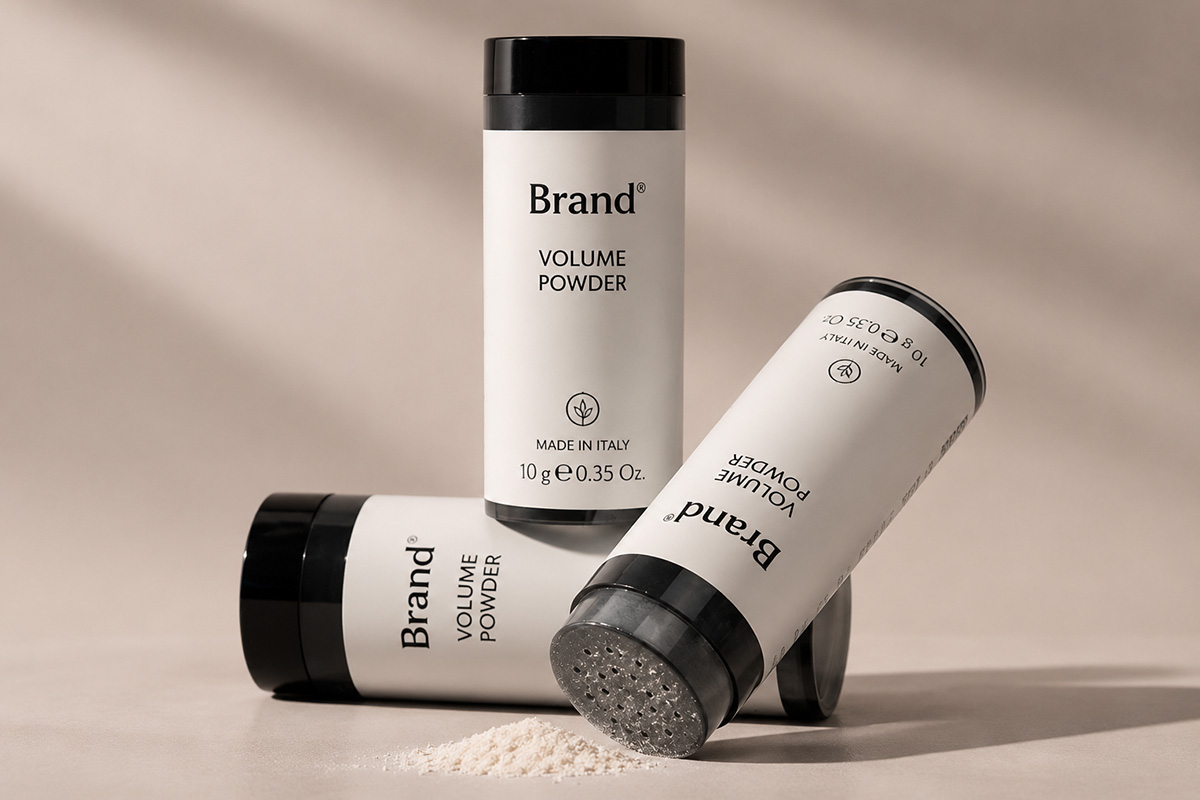
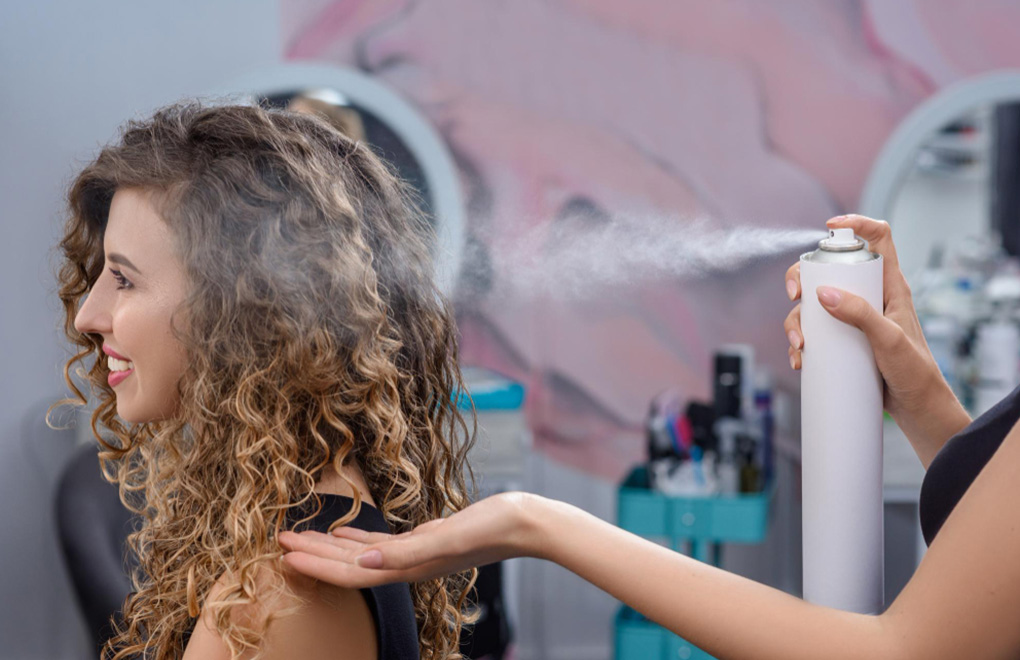
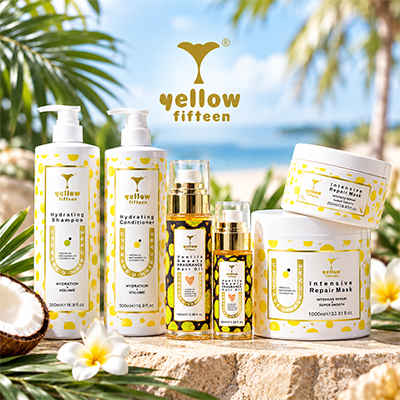
Hair styling powder product concepts developed for volume, root lift, texture, and matte styling finishes.
3. Types of Hair Styling Powder Brands Can Develop
Different hair styling powder products can be developed according to the desired styling result, hair type, application method, and target customer.
Volumizing Hair Styling Powder
Volumizing powder is designed to create a fuller-looking appearance and support lift at the roots. It is particularly relevant to brands targeting fine or flat-looking hair.
Texturizing Hair Powder
Texturizing powder focuses on separation, texture, and styling definition. It can be positioned for short hairstyles, layered cuts, and natural-looking finishes.
Matte Finish Hair Powder
Matte styling powders are developed for customers who prefer reduced shine and a more natural-looking finish.
Root Lift Hair Powder
Root lift powders are designed for targeted application near the roots to create a fuller-looking hairstyle and support styling structure.
Flexible Styling Powder
Flexible styling concepts can focus on texture and manageable styling without an excessively stiff finish.
Compare Hair Styling Powder Product Types
| Product Type | Target User | Development Focus |
|---|---|---|
| Volumizing Powder | Fine and flat-looking hair | Root lift and fullness |
| Texturizing Powder | Short and layered hairstyles | Texture and separation |
| Matte Styling Powder | Natural finish preferences | Low-shine appearance |
| Root Lift Powder | Customers seeking root volume | Targeted application |
| Flexible Styling Powder | Everyday styling users | Texture and manageable finish |
4. Key Ingredients Used in Hair Styling Powder Formulation
Ingredient selection is essential when developing hair styling powder. Different powder materials can contribute to oil absorption, texture, slip, volume, moisture control, and application characteristics.
Silica
Silica is used in certain styling powder systems to contribute to powder texture, flow characteristics, and oil absorption. Its grade, particle characteristics, and concentration influence the finished formula.
Starch-Based Ingredients
Ingredients such as Rice Starch, Corn Starch, and Tapioca Starch may be considered in powder formulations. They can contribute to oil absorption, powder feel, and the sensory characteristics of the finished product.
Kaolin and Other Mineral Powders
Kaolin and selected mineral powders may be used to create particular texture and absorption characteristics. Their particle properties and finished-product appearance should be evaluated carefully.
Magnesium Carbonate
Magnesium Carbonate may be considered in selected powder styling concepts to influence moisture absorption and powder characteristics.
Film-Forming and Styling Ingredients
Depending on the formulation, suitable film-forming or styling polymers may be considered to support hair hold and styling performance.
Conditioning and Sensory Ingredients
Selected conditioning materials or surface treatments may be considered to improve powder feel, distribution, and application characteristics. Their compatibility with the powder system must be evaluated.
Ingredient Functions in Hair Styling Powder
| Ingredient | Potential Function | Development Consideration |
|---|---|---|
| Silica | Texture and oil absorption | Particle characteristics |
| Rice Starch | Powder feel and absorption | Flow and residue |
| Corn Starch | Absorption and texture | Powder distribution |
| Tapioca Starch | Powder texture | Sensory characteristics |
| Kaolin | Absorption and texture | Finish and color |
| Magnesium Carbonate | Powder and moisture management | Formula compatibility |
| Styling Polymers | Styling support | Dispersion and performance |
Not every hair styling powder requires all these ingredients. The final ingredient system should be selected according to the desired styling performance, particle properties, product claims, and applicable cosmetic safety requirements.
5. How to Develop a Hair Styling Powder Formulation
Hair styling powder formulation requires careful balancing of powder materials, particle characteristics, flow behavior, styling performance, and application feel.
Step 1: Define the Styling Objective
Determine whether the product will focus on volume, texture, root lift, matte finish, or flexible styling. A clear product objective helps guide ingredient selection.
Step 2: Select the Powder Base
Choose suitable starches, silica, mineral powders, or other materials according to the desired texture, absorption, and styling characteristics.
Step 3: Evaluate Particle Characteristics
Particle size, distribution, shape, and surface characteristics can influence powder flow, application, visible residue, and hair feel.
Step 4: Optimize Powder Flow and Dispersion
The formula should distribute consistently through the intended dispensing system. Clumping, excessive dusting, and uneven application can negatively affect the user experience.
Step 5: Develop the Desired Styling Performance
Evaluate the balance between volume, texture, hold, separation, and ease of restyling.
Step 6: Evaluate Appearance and Residue
Check for visible white residue, uneven distribution, excessive powder buildup, and unwanted changes in hair appearance.
Step 7: Optimize the Formula and Packaging Together
Powder flow and dispensing behavior should be evaluated using the actual packaging. A formula that performs well in laboratory testing may behave differently in its final container.
Step 8: Confirm Final Product Specifications
Document the approved formula, powder characteristics, packaging, dispensing method, and relevant quality requirements before commercial production.
6. How to Develop Volumizing Hair Styling Powder
Volumizing hair powder is designed to create a fuller-looking appearance, particularly around the roots and areas where hair may appear flat.
Focus on Root Lift
The product should be developed for targeted application near the roots. Its powder characteristics should support convenient distribution without excessive buildup.
Balance Texture and Powder Weight
A formula that feels too heavy or leaves excessive residue may not suit customers with fine hair. Ingredient selection should support the intended volume-focused positioning.
Evaluate Application and Distribution
Test how easily the powder can be applied, distributed, and worked through the hair.
Assess Hair Feel After Application
Evaluate whether the product creates a fuller-looking appearance without making hair feel excessively rough, sticky, or coated.
Volumizing Hair Powder Evaluation
| Evaluation Factor | What to Check |
|---|---|
| Root Lift | Fuller-looking root area |
| Powder Distribution | Even application |
| Hair Feel | Weight and texture |
| Visible Residue | White or uneven powder deposits |
| Restyling | Ability to reshape the hairstyle |
7. Developing Texturizing Hair Powder for Different Hairstyles
Texturizing hair powder focuses on creating separation, definition, and a more textured hairstyle. It can be developed for short, layered, and modern styling concepts.
Matte Texture for Natural Hairstyles
Matte texturizing products can target customers who prefer a less glossy finish. The formula should be evaluated for residue, spreadability, and finished hair appearance.
Texture and Separation
Powder materials and styling ingredients can influence how hair strands separate and how the finished style holds its shape.
Flexible Styling Performance
Some brands may prefer a formula that provides texture without an overly rigid finish. This requires balancing styling support with application and restyling characteristics.
Different Styling Directions
- Short textured hairstyles.
- Messy and natural-looking styles.
- Layered hairstyles.
- Root-focused styling.
- Matte finish hairstyles.
Compare Texturizing Product Concepts
| Product Concept | Styling Focus | Target User |
|---|---|---|
| Matte Texture Powder | Low-shine texture | Natural styling preferences |
| Root Texture Powder | Root lift and separation | Fine and flat-looking hair |
| Flexible Styling Powder | Texture and restyling | Everyday styling users |
| Professional Texture Powder | Styling definition | Salons and stylists |
8. Matte Finish, Hold, and Styling Performance
Styling performance is one of the most important considerations when developing hair styling powder. The finished product should match the brand's intended styling claims and customer expectations.
Develop a Matte Finish
Matte styling products are generally designed to create a lower-shine appearance. Powder materials and their interaction with hair influence the finished look.
Balance Hold and Flexibility
Different products can be developed for different levels of styling support. Some concepts focus on lightweight texture, while others incorporate suitable styling ingredients for additional hold.
Control Visible Powder Residue
Excessive or uneven powder deposits can create an undesirable appearance, especially on darker hair. Particle characteristics and application performance should be evaluated across different hair colors.
Evaluate Humidity and Environmental Conditions
Storage and usage conditions can influence powder handling and styling performance. Relevant environmental conditions should be considered during product evaluation.
Check Ease of Removal
Brands should evaluate how easily the product can be removed through brushing, washing, or the recommended styling routine.
9. Packaging Options for Private Label Hair Styling Powder
Packaging is particularly important for powder styling products because the container determines how the formula is dispensed and applied.
Sifter Bottles
Sifter bottles use perforated dispensing openings to release powder. Their hole size, distribution, and closure design should be matched to the powder's flow characteristics.
Shaker Bottles
Shaker-style containers can be considered for powder products that require controlled manual dispensing.
Precision Applicator Bottles
Applicator bottles can provide more targeted dispensing for root-focused styling products.
Compact and Travel-Size Packaging
Smaller containers can be developed for convenient carrying, sampling, and selected retail formats.
Packaging Design Considerations
- Powder flow and dispensing consistency.
- Opening size and sifter design.
- Closure and leakage resistance.
- Moisture protection.
- Container material compatibility.
- Labeling and printing.
- Product capacity and portability.
- Storage and transportation conditions.
Compare Hair Styling Powder Packaging
| Packaging Type | Application | Key Consideration |
|---|---|---|
| Sifter Bottle | Controlled powder dispensing | Opening and flow consistency |
| Shaker Bottle | Manual powder application | Dispensing quantity |
| Precision Applicator | Targeted root application | Application accuracy |
| Compact Container | Portable styling product | Closure and storage |
Explore HODM Custom Packaging Solutions to discuss suitable containers, dispensing components, labels, and branding.
10. Hair Styling Powder Testing and Quality Control
Before commercial production, hair styling powder should be evaluated for powder quality, dispensing behavior, styling performance, and packaging compatibility.
Powder Appearance and Consistency
Check color, appearance, uniformity, visible particles, and any signs of clumping or agglomeration.
Particle Size and Flow Properties
Evaluate relevant particle characteristics, flow behavior, and dispensing consistency. These properties influence application and finished product performance.
Styling Performance Evaluation
- Volume and root lift.
- Texture and hair separation.
- Matte or low-shine appearance.
- Styling support and restyling.
- Visible residue on different hair colors.
- Ease of removal.
Packaging Compatibility Testing
Test the actual powder with the selected container and dispensing system. Check for clogging, inconsistent dispensing, leakage, and moisture exposure.
Stability and Storage Evaluation
Assess changes in powder appearance, flow, fragrance where applicable, and packaging condition under appropriate storage conditions.
Microbiological and Safety Considerations
Dry powder products still require appropriate raw material quality controls and a risk-based microbiological assessment. Brands should also evaluate inhalation exposure, particle characteristics, intended application, and applicable cosmetic safety requirements.
Read Hair Care Product Sample Evaluation: What Brands Should Check Before Approval for additional guidance.
11. Private Label Hair Styling Powder: Customization Opportunities
Private label development allows brands to customize styling powder products according to their target customers, product positioning, styling requirements, and packaging preferences.
Customize the Product Function
Brands can select different product directions, including volumizing powder, texturizing powder, root lift powder, and matte styling powder.
Customize the Formula
Ingredient selection, powder characteristics, styling performance, and sensory properties can be discussed according to the technical requirements of the product.
Customize Packaging and Branding
Different container shapes, capacities, dispensing systems, label designs, and decorative finishes can be considered for a distinctive retail product.
Develop Samples Before Production
Sample evaluation allows brands to assess application, texture, volume, residue, dispensing, and overall styling performance before approving the final product.
Prepare a Product Development Brief
- Target customers and styling needs.
- Product type and intended function.
- Desired volume, texture, and hold.
- Matte or natural finish preference.
- Ingredient and fragrance requirements.
- Packaging and dispensing method.
- Product capacity and target market.
- Target cost and estimated MOQ.
- Applicable product claims and labeling.
Explore HODM Custom Formula Development to discuss your hair styling powder concept.
12. Hair Styling Powder Manufacturing Process
Hair styling powder manufacturing requires suitable raw materials, powder processing equipment, blending controls, filling arrangements, and quality inspection procedures.
Step 1: Product Concept and Formula Brief
Define the intended styling function, target hair type, powder characteristics, application method, and packaging requirements.
Step 2: Raw Material Selection
Select suitable powder ingredients and verify their specifications, quality, and compatibility.
Step 3: Powder Preparation
Prepare the raw materials according to the approved formula and manufacturing procedure. Where required, materials may need suitable screening or preparation before blending.
Step 4: Blending and Uniformity Control
Use suitable powder blending equipment and processing parameters to achieve a consistent distribution of formula components.
Step 5: Formula and Application Evaluation
Evaluate powder appearance, flow, dispensing, styling performance, and other product specifications.
Step 6: Filling and Packaging
Fill the powder into approved containers using suitable filling and dispensing arrangements. Check filling accuracy and package integrity.
Step 7: Finished Product Inspection
Inspect appearance, weight, packaging condition, dispensing performance, and relevant quality requirements before release.
Step 8: Shipment Preparation
Confirm finished quantities, labeling, cartons, product documentation, and shipping arrangements.
Explore HODM Hair Product Manufacturing to discuss product development and manufacturing requirements.
13. Choosing a Hair Styling Powder Manufacturer
Choosing a suitable hair styling powder manufacturer requires evaluating formulation knowledge, powder processing capabilities, packaging, sample development, and quality management.
Review Powder Formulation Experience
Ask whether the manufacturer has experience with powder-based cosmetic products, including particle selection, blending, flow control, and dispensing performance.
Check Styling Product Development Capabilities
Confirm whether the manufacturer can support volumizing, texturizing, matte finish, and other powder styling concepts.
Evaluate Packaging and Filling Equipment
Powder products require suitable filling and dispensing arrangements. Check whether the manufacturer can support sifter bottles, shaker containers, and other suitable packaging.
Understand MOQ and Production Requirements
Confirm minimum quantities for the formula, raw materials, finished products, and packaging components.
Review Quality and Safety Procedures
Evaluate raw material inspection, particle specifications, blending uniformity, finished product controls, and relevant safety documentation.
Confirm Sample Development and Technical Support
A suitable manufacturing partner should be able to discuss formula requirements, prepare samples where supported, and evaluate the actual product with its intended dispensing system.
Explore HODM Hair Product Manufacturer Solutions to discuss your project.
Frequently Asked Questions
What is hair styling powder?
Hair styling powder is a powder-based styling product designed to add volume, texture, root lift, or styling support. Depending on the formula, it may also provide a matte or natural-looking finish.
What is the difference between volumizing powder and texturizing powder?
Volumizing powder focuses on creating a fuller-looking appearance and root lift. Texturizing powder focuses more on hair separation, definition, and styling texture. Some products may combine both functions.
What ingredients are commonly used in hair styling powder?
Depending on the formula, ingredients may include silica, rice starch, corn starch, tapioca starch, kaolin, magnesium carbonate, and selected styling ingredients. Final selection depends on the intended product performance and safety requirements.
Is hair styling powder the same as dry shampoo?
No. Hair styling powder primarily focuses on volume, texture, and styling. Dry shampoo is mainly designed to absorb excess oil and refresh hair between washes. Some formulas may have overlapping characteristics, but their primary product functions differ.
Can hair styling powder create a matte finish?
Yes. Selected powder systems can be developed for a low-shine or matte appearance. The finished result depends on ingredient selection, powder characteristics, and application.
Can volumizing hair powder be developed for fine hair?
Yes. Brands can develop lightweight powder concepts for fine and flat-looking hair. Formula weight, application, residue, and root lift should be evaluated during sample testing.
What packaging is suitable for private label hair styling powder?
Sifter bottles, shaker containers, and precision applicator bottles can be considered depending on powder flow, application method, and product positioning. The actual formula should be tested with the selected packaging.
How is hair styling powder tested before production?
Evaluation may include powder uniformity, particle characteristics, flow, dispensing, styling performance, visible residue, storage stability, and packaging compatibility.
Can brands customize private label hair styling powder?
Brands can discuss product positioning, formula characteristics, ingredient preferences, styling performance, packaging, and branding requirements with a suitable manufacturer.
Can HODM develop private label hair styling powder?
HODM supports custom hair care and styling product development. Brands interested in powder-based styling products should discuss the specific powder formulation, processing, filling, and packaging requirements with the HODM team to confirm project feasibility.
Explore HODM Custom Formula Development or contact HODM.
Conclusion: Develop Hair Styling Powder for Your Brand
Hair styling powder offers brands an opportunity to expand their styling collections with powder-based products designed for volume, root lift, texture, and matte finishes.
Successful product development requires more than selecting absorbent powders. Particle characteristics, formula composition, styling performance, dispensing behavior, packaging, and product safety all influence the finished product.
From volumizing hair powder to matte texturizing powder, brands can explore different product concepts according to their target customers and styling preferences.
By defining the product objective, selecting suitable ingredients, evaluating samples, and confirming packaging compatibility, brands can develop more focused styling products for their market.
Develop Your Custom Hair Styling Powder with HODM
HODM Cosmetics supports private label brands, professional salons, and distributors with custom hair care and styling product development, ingredient selection, formula customization, packaging solutions, and OEM/ODM manufacturing consultation.
Whether you are exploring volumizing powder, texturizing powder, root lift products, or matte styling concepts, our team can discuss your formulation and manufacturing requirements.
Share your product concept, target customers, preferred styling performance, packaging ideas, and estimated order quantity to discuss your project.
Discuss Your Hair Styling Powder Project