
Lamellar Hair Treatments: How to Develop Fast-Acting Hair Care Products for Brands
Lamellar hair treatments are an advanced hair conditioning product concept designed to improve hair smoothness, softness, manageability, and overall conditioning performance. For hair care brands, lamellar technology offers opportunities to develop differentiated treatments that combine specialized conditioning systems with convenient application routines.
Unlike conventional hair masks that are often positioned around intensive conditioning and longer application times, some lamellar treatment products are designed for shorter application routines while delivering a smooth, lightweight, and conditioned hair feel. Their performance depends on the formulation architecture, ingredient selection, and application method.
Developing these products requires an understanding of lamellar gel networks, conditioning agents, fatty alcohols, emulsification, formula processing, and finished-product performance. HODM supports custom hair care formula development and hair care R&D services for brands exploring specialized conditioning and treatment concepts.
This guide explains how to develop lamellar hair treatments, including their structure, formulation principles, key ingredients, fast-acting conditioning concepts, packaging, testing, and OEM/ODM manufacturing considerations.
1. What Are Lamellar Hair Treatments?
Lamellar hair treatments are hair conditioning products developed around lamellar structures or lamellar-inspired conditioning systems. These structures consist of organized layers of amphiphilic ingredients that can contribute to formula texture, stability, and conditioning performance.
In cosmetic hair care formulations, lamellar gel networks are particularly relevant to cream-based conditioners and treatments. They can help create rich textures, support the dispersion of conditioning materials, and contribute to the smooth application experience.
Understanding Lamellar Structures
Lamellar structures contain alternating layers of hydrophilic and hydrophobic regions. These organized structures can form when suitable surfactants, fatty alcohols, water, and other formulation components interact under appropriate conditions.
Their arrangement influences the physical characteristics of the formulation, including rheology, viscosity, stability, and application feel.
Why Lamellar Technology Matters in Hair Care
- Formula Structure: Helps establish organized conditioning systems.
- Texture Development: Contributes to creaminess and product consistency.
- Conditioning Performance: Supports the delivery and deposition of conditioning ingredients.
- Hair Feel: Can contribute to smoothness, slip, and easier detangling.
- Formula Stability: An appropriately designed network can support physical stability.
- Product Differentiation: Provides a technical direction for specialized hair treatment development.
Lamellar Hair Treatment vs. Traditional Hair Mask
| Feature | Traditional Hair Mask | Lamellar Hair Treatment |
|---|---|---|
| Formula Direction | Intensive conditioning | Lamellar-based conditioning system |
| Texture | Creamy or rich | Depends on the lamellar formulation |
| Application | Usually applied after shampooing | Depends on product design |
| Development Focus | Conditioning and treatment performance | Structure, conditioning, and sensory performance |
| Usage Time | Product-specific | Can be designed for shorter routines |
Not every fast-rinse treatment is a lamellar product. The term should be used according to the actual formulation technology rather than application time alone.
2. Understanding Lamellar Gel Network Technology in Hair Care
A lamellar gel network (LGN) is an organized structure formed by suitable amphiphilic ingredients in an aqueous formulation. In hair conditioners, these systems commonly involve cationic conditioning surfactants and fatty alcohols.
How Lamellar Gel Networks Form
The formation of a lamellar gel network depends on the interaction between formulation components and manufacturing conditions.
Common formulation components may include:
- Water as the continuous phase.
- Cationic conditioning surfactants.
- Long-chain fatty alcohols.
- Suitable emollients and oils.
- Other compatible conditioning ingredients.
The Role of Cationic Surfactants
Cationic conditioning ingredients are commonly used in hair conditioners because they can interact with negatively charged regions on hair fibers and contribute to conditioning and lubrication.
Their interaction with fatty alcohols and other formulation components also influences the structure and rheological behavior of the product.
The Role of Fatty Alcohols
Fatty alcohols such as Cetearyl Alcohol, Cetyl Alcohol, and Stearyl Alcohol can contribute to the structure, consistency, and texture of conditioning formulations.
Why Processing Conditions Matter
Ingredient selection alone does not determine the final lamellar structure. Heating, cooling, mixing, shear conditions, ingredient addition sequence, and manufacturing equipment can influence the resulting network.
Key Characteristics of Lamellar Gel Networks
| Structural Characteristic | Potential Contribution |
|---|---|
| Layered Organization | Organized formulation structure |
| Network Formation | Viscosity and physical structure |
| Rheological Behavior | Spreadability and application feel |
| Emollient Dispersion | Distribution of selected conditioning materials |
| Interfacial Interactions | Influence on conditioning performance |
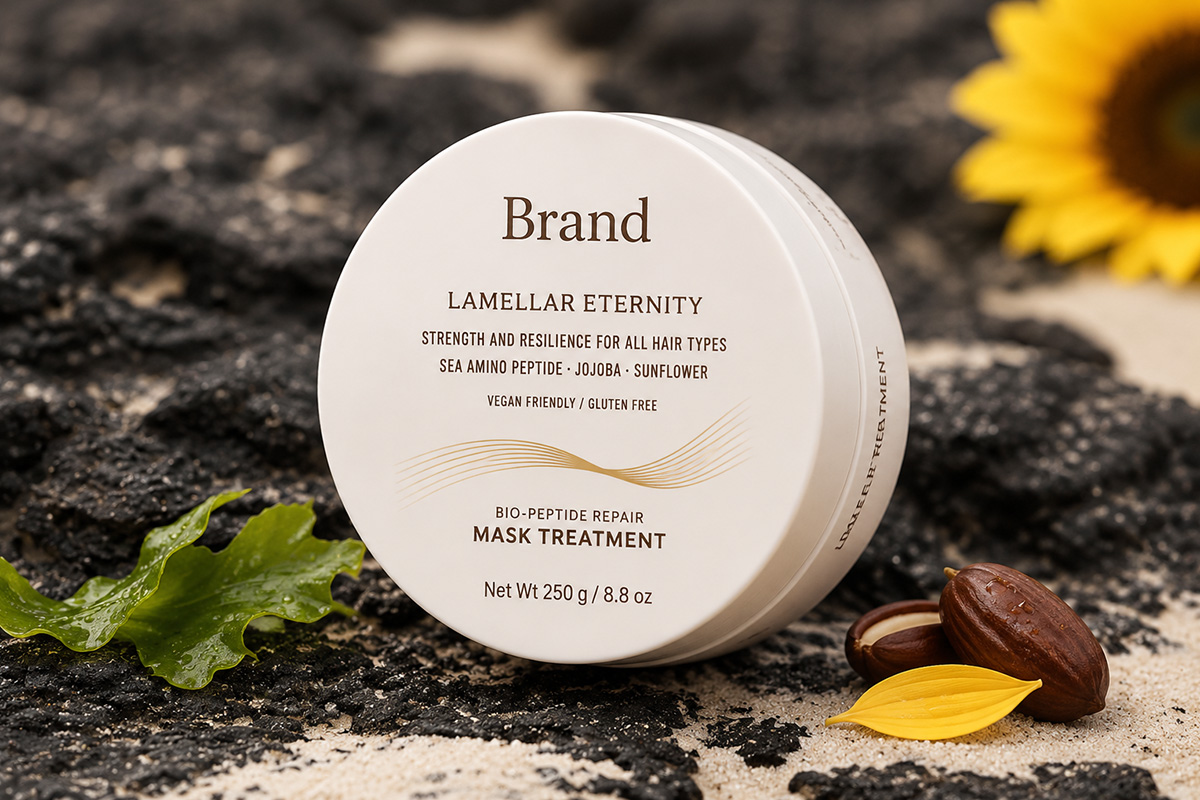
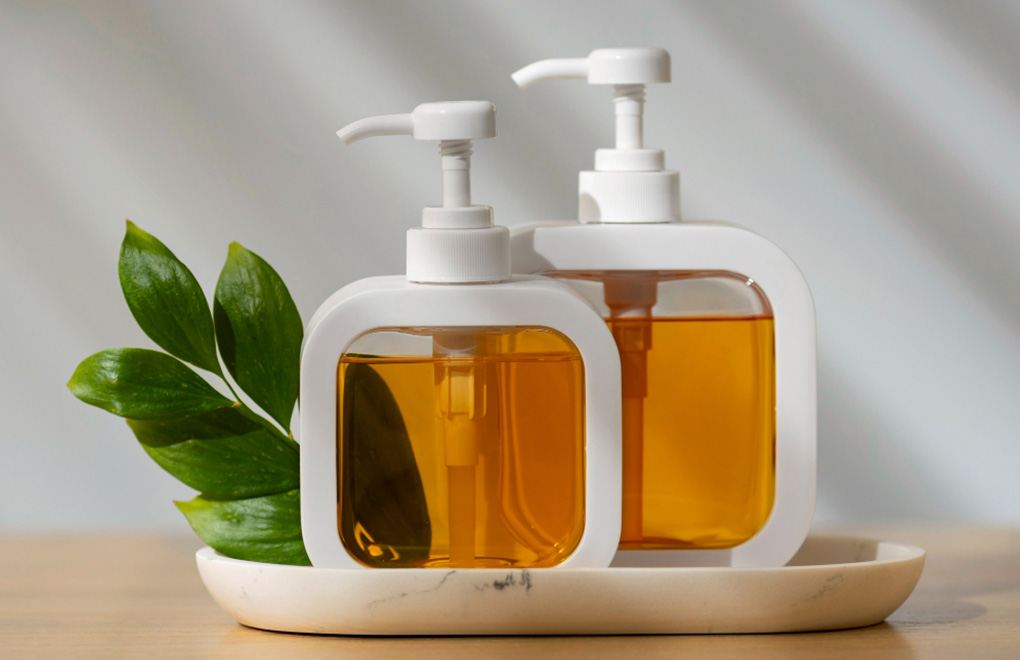
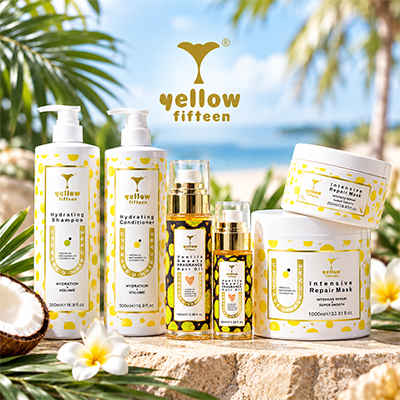
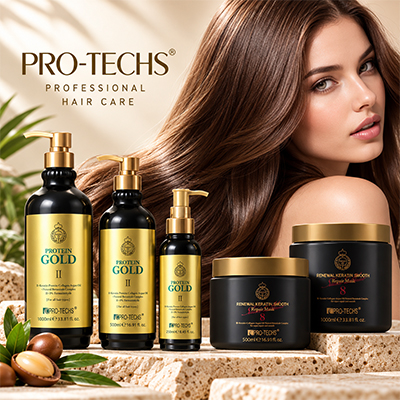
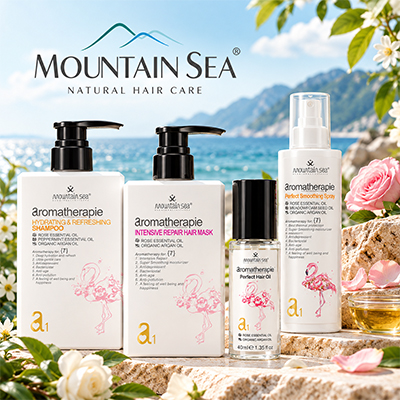
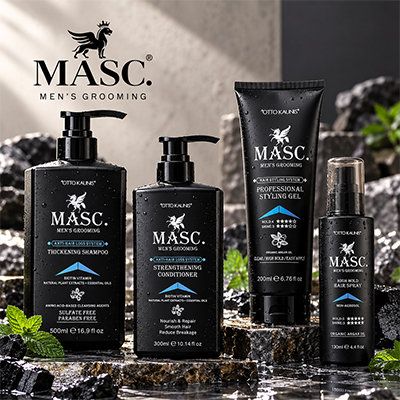
Lamellar-inspired conditioning product concepts for professional hair care and private label brands.
3. Why Develop Lamellar Hair Treatments for Your Brand?
Lamellar hair treatments offer opportunities for brands seeking more specialized conditioning products and differentiated product experiences.
Fast-Acting Hair Care Positioning
Some consumers prefer convenient conditioning products that fit shorter hair care routines. Brands can develop treatment concepts designed around shorter application times, provided that the finished formula supports the intended performance claims.
Premium Hair Treatment Collections
Lamellar technology can provide a technical foundation for premium conditioning collections that emphasize formula architecture, texture, and sensory experience.
Professional Salon Treatments
Salon brands can explore specialized treatments designed to complement professional cleansing, conditioning, and finishing services.
Products for Damaged Hair
Brands may develop conditioning-focused treatment products for dry, chemically processed, or damaged-looking hair. Formulation goals can include improved softness, smoothness, detangling, and manageability.
Product Line Expansion
Lamellar-inspired treatments can complement shampoos, conditioners, hair masks, leave-in products, and hair oils within a coordinated hair care collection.
Potential Target Markets
- Premium hair care brands.
- Professional salons and stylists.
- Hair repair and treatment brands.
- Curly and textured hair care businesses.
- Beauty distributors and wholesalers.
- E-commerce and DTC hair care brands.
4. Types of Lamellar Hair Treatment Products Brands Can Develop
Lamellar-based conditioning concepts can be developed in different product formats according to the desired texture, application method, and target customer.
Fast-Rinse Lamellar Hair Treatment
A fast-rinse treatment can be developed for customers seeking a conditioning product designed for shorter application routines. Formula performance should be evaluated at the proposed usage time.
Lamellar Hair Mask
A richer treatment concept can combine lamellar conditioning structures with selected emollients and conditioning ingredients for a more intensive conditioning experience.
Lamellar Conditioning Cream
Conditioning creams can be developed around specific texture, spreadability, and conditioning requirements for different hair types.
Lamellar Water Hair Treatment
Lamellar water products are often positioned as lightweight, quick-application treatments. Their actual formulation architecture and conditioning mechanisms can vary, so brands should distinguish marketing descriptions from verified lamellar structures.
Professional Salon Lamellar Treatment
Professional concepts may focus on application convenience, hair feel, and compatibility with salon treatment routines.
Compare Lamellar Treatment Formats
| Product Type | Texture Direction | Development Focus |
|---|---|---|
| Fast-Rinse Treatment | Lightweight cream or liquid | Short application routine |
| Lamellar Hair Mask | Rich cream | Conditioning and smoothness |
| Conditioning Cream | Cream or lotion | Texture and manageability |
| Lamellar Water | Lightweight liquid | Application and conditioning feel |
| Professional Treatment | Product-specific | Salon application and performance |
5. Key Ingredients Used in Lamellar Hair Treatment Formulation
Ingredient selection is essential when developing lamellar hair treatments. The formulation typically combines structural components with conditioning agents, emollients, and supporting ingredients.
Cationic Conditioning Agents
Cationic conditioning agents are widely used in hair conditioners to support lubrication, detangling, and softness.
Depending on the formulation, ingredients may include:
- Behentrimonium Methosulfate.
- Behentrimonium Chloride.
- Cetrimonium Chloride.
- Other suitable cationic conditioning ingredients.
Fatty Alcohols
Fatty alcohols are important structural ingredients in many lamellar conditioning systems. They can influence product consistency, creaminess, and rheological properties.
- Cetearyl Alcohol.
- Cetyl Alcohol.
- Stearyl Alcohol.
Emollients and Conditioning Oils
Selected oils and emollients can contribute to hair softness, lubrication, and sensory characteristics.
- Argan Oil.
- Jojoba Oil.
- Macadamia Oil.
- Coconut Oil.
- Other suitable emollients.
Silicones and Alternative Conditioning Materials
Depending on brand preferences, formulators may evaluate silicones and alternative conditioning materials to support smoothness, slip, and manageability.
Proteins and Supporting Ingredients
Hydrolyzed Keratin, Hydrolyzed Rice Protein, Panthenol, and selected botanical ingredients may be incorporated according to the product concept and formula compatibility.
Ingredient Functions in Lamellar Hair Treatments
| Ingredient | Potential Function | Development Focus |
|---|---|---|
| Behentrimonium Methosulfate | Conditioning and structural contribution | Conditioning system balance |
| Behentrimonium Chloride | Conditioning | Hair feel and compatibility |
| Cetearyl Alcohol | Structure and texture | Lamellar network formation |
| Cetyl Alcohol | Consistency and emolliency | Rheology |
| Dimethicone | Slip and smoothness | Conditioning performance |
| Argan Oil | Emolliency | Softness and sensory feel |
| Panthenol | Conditioning support | Finished hair feel |
| Hydrolyzed Keratin | Film formation and conditioning support | Formula positioning |
Not every formula requires all these ingredients. The final composition depends on the desired lamellar structure, product texture, conditioning performance, and compatibility requirements.
6. How to Develop a Lamellar Hair Treatment Formulation
Developing a lamellar hair treatment requires more than combining conditioning ingredients. The formulation and manufacturing process must work together to create the desired structure and finished-product performance.
Step 1: Define the Product Concept
Identify the target hair type, product format, application time, conditioning level, texture, and intended market positioning.
Step 2: Select the Structural Ingredients
Choose suitable cationic surfactants, fatty alcohols, and other compatible components according to the desired formulation architecture.
Step 3: Establish the Conditioning System
Select appropriate conditioning agents, emollients, silicones where required, and supporting ingredients to achieve the intended hair feel.
Step 4: Optimize the Oil and Water Balance
Formula composition influences the resulting structure, viscosity, stability, and application properties. The balance between the aqueous phase, fatty materials, and conditioning components should be evaluated systematically.
Step 5: Control Processing Conditions
Heating, cooling, mixing speed, shear, and ingredient addition sequence can influence the formation and properties of lamellar gel networks.
Step 6: Evaluate Rheological Properties
Assess viscosity, flow behavior, spreadability, and structural stability. Rheological evaluation can help determine whether the product has the desired application characteristics.
Step 7: Evaluate Finished Hair Performance
Test wet combing, detangling, smoothness, softness, shine, and rinsability using representative hair samples.
Step 8: Refine the Formula
Adjust the formula and manufacturing conditions according to the evaluation results before confirming the final specifications.
7. How to Develop Fast-Acting Lamellar Hair Treatments
Fast-acting hair treatments are designed around convenient application routines. For brands, the challenge is to create a product that provides noticeable conditioning benefits within a shorter usage period without relying on unsupported performance claims.
Define the Intended Application Time
Establish the proposed usage time during product development. For example, a brand may explore a treatment intended for a short rinse-off routine.
The actual application time should be supported by finished-product testing and suitable usage instructions.
Optimize Conditioning Ingredient Deposition
Evaluate how the conditioning system interacts with the hair surface and whether the desired sensory performance can be achieved within the intended application period.
Improve Formula Spreadability
A suitable texture helps distribute the product through the hair and allows customers to apply it consistently.
Balance Conditioning and Rinsability
A fast-acting treatment should provide the intended conditioning feel without leaving excessive residue or an undesirable coated finish.
Evaluate Performance at Different Application Times
Compare samples using consistent product quantities and hair types. Evaluate the results at the proposed application time and, where relevant, at longer intervals.
Fast-Acting Treatment Evaluation
| Evaluation Factor | What to Check |
|---|---|
| Application | Ease of distribution through hair |
| Wet Combing | Combing resistance and detangling |
| Softness | Finished hair feel |
| Smoothness | Hair surface feel and manageability |
| Rinsability | Ease of removing excess product |
| After-Feel | Residue and heaviness |
8. Developing Lamellar Hair Treatments for Different Hair Types
Hair types and customer preferences vary. Brands should select formula characteristics according to the intended audience rather than assuming that one lamellar treatment is suitable for everyone.
Lamellar Treatment for Dry Hair
Dry hair concepts may prioritize conditioning, softness, lubrication, and an improved finished hair feel.
Lamellar Treatment for Damaged Hair
Products targeting damaged or chemically processed hair can focus on conditioning, smoothness, detangling, and improved manageability.
Lamellar Treatment for Fine Hair
Lightweight formulations may be more suitable for customers who prefer conditioning without excessive product weight.
Lamellar Treatment for Thick Hair
Richer conditioning systems can be explored for customers who prefer more substantial product textures and conditioning experiences.
Lamellar Treatment for Curly and Textured Hair
Curl-focused products can emphasize detangling, softness, lubrication, and manageable hair feel.
Compare Product Development Directions
| Target Hair Type | Formula Direction | Development Focus |
|---|---|---|
| Dry Hair | Conditioning-focused | Softness and lubrication |
| Damaged Hair | Repair-focused conditioning | Smoothness and manageability |
| Fine Hair | Lightweight conditioning | Reduced heavy after-feel |
| Thick Hair | Rich conditioning | Slip and softness |
| Curly Hair | Moisturizing conditioning | Detangling and curl manageability |
| Textured Hair | Targeted conditioning | Application and lubrication |
9. Packaging Options for Private Label Lamellar Hair Treatments
Packaging should match the formula viscosity, product capacity, application method, and target market.
Hair Treatment Bottles
Bottles are suitable for selected liquid and lightweight treatment formats. Brands can explore different capacities, shapes, and dispensing openings.
Flip-Top Bottles
Flip-top closures can provide convenient dispensing for selected cream and liquid treatments.
Tube Packaging
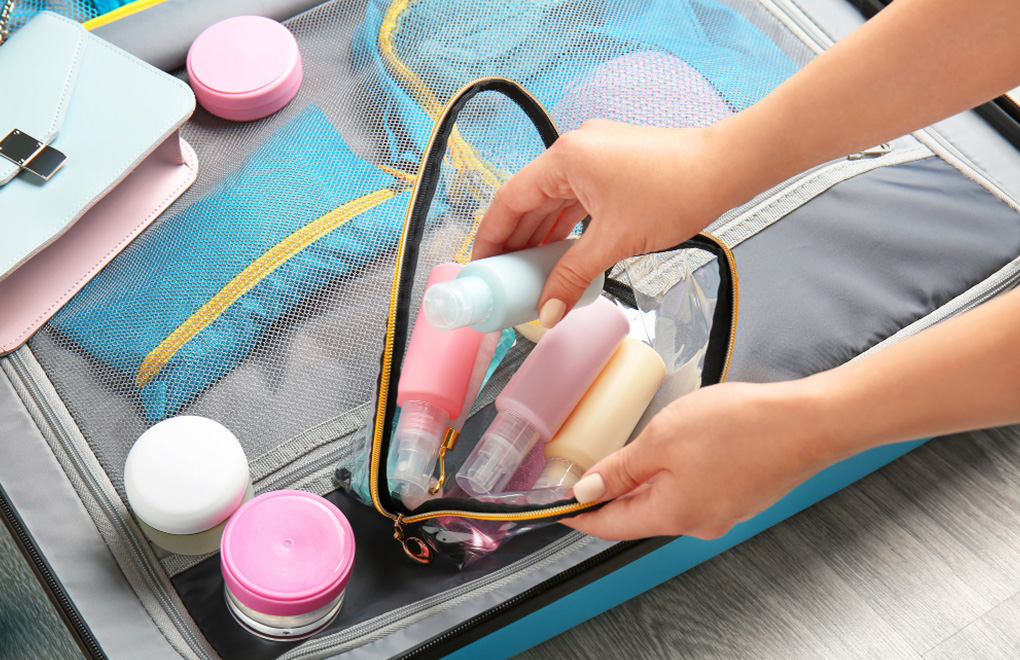
Tubes can be considered for lightweight creams, concentrated treatments, and travel-size products.
Hair Mask Jars
Jars are suitable for thicker treatment formulas and premium hair mask concepts. Closure design and product access should be considered.
Packaging Design Considerations
- Formula viscosity and dispensing performance.
- Container material compatibility.
- Closure and leakage resistance.
- Product capacity and usage quantity.
- Labeling and printing.
- Brand identity and retail presentation.
Explore HODM Custom Packaging Solutions to discuss bottles, tubes, jars, closures, and packaging customization.
10. Lamellar Hair Treatment Testing: Stability and Conditioning Performance
Product testing is important for confirming that a lamellar hair treatment maintains its intended structure, formula stability, and conditioning performance.
Formula Stability Testing
Assess changes in appearance, color, fragrance, viscosity, and other relevant characteristics under appropriate storage conditions.
Rheological Evaluation
Evaluate viscosity and flow behavior under suitable testing conditions. Rheological properties can provide useful information about product texture, structure, and processing consistency.
Structural Characterization
If the product is marketed specifically as a lamellar gel network treatment, appropriate structural characterization may be required to support the technical description.
Depending on the development objectives, advanced characterization methods may include microscopy, thermal analysis, and scattering techniques.
Conditioning Performance Testing
- Wet combing performance.
- Detangling and spreadability.
- Hair softness and smoothness.
- Rinsability.
- Dry hair feel.
- Shine and manageability.
Packaging Compatibility
Evaluate the actual formula with the selected bottle, tube, jar, pump, or closure. Check dispensing, leakage, material compatibility, and packaging integrity.
Microbiological and Safety Evaluation
Water-based conditioning treatments require appropriate preservation and microbiological quality assessments. Additional testing should be determined according to the formula and intended market.
Read Hair Care Product Sample Evaluation: What Brands Should Check Before Approval for additional guidance.
11. Lamellar Hair Treatment Manufacturing Process
Manufacturing lamellar hair treatments requires coordination between formula composition, processing conditions, equipment, and quality control.
Step 1: Product Concept Development
Define the target hair type, product format, application time, conditioning requirements, texture, and commercial positioning.
Step 2: Ingredient Selection
Select appropriate structural ingredients, conditioning agents, fatty alcohols, emollients, and supporting formula components.
Step 3: Formula Preparation
Prepare the aqueous and oil phases according to the approved formulation and manufacturing procedure.
Step 4: Emulsification and Processing
Control heating, mixing, homogenization where required, cooling, and ingredient addition according to the product's technical requirements.
Step 5: Structure and Stability Evaluation
Assess viscosity, appearance, stability, and other relevant properties to confirm that the formula meets its intended specifications.
Step 6: Sample Preparation and Approval
Prepare finished samples and evaluate conditioning performance, application, rinsability, and packaging compatibility.
Step 7: Commercial Production
Once the formula and packaging are approved, coordinate raw material preparation, production, filling, labeling, and quality inspection.
Step 8: Finished Product Inspection and Shipment
Verify finished product specifications, packaging condition, quantities, and applicable documentation before shipment.
Explore HODM Hair Care R&D and Product Development to discuss your project requirements.
12. Custom Formulation for Private Label Lamellar Hair Treatments
Custom formulation allows brands to develop lamellar-inspired conditioning products according to their target customers, desired formula structure, sensory requirements, and market positioning.
Prepare a Product Development Brief
- Target hair type and customer group.
- Desired product format.
- Lamellar technology requirements.
- Preferred conditioning ingredients.
- Desired formula texture and viscosity.
- Application time and usage instructions.
- Fragrance and sensory direction.
- Desired conditioning performance.
- Packaging type and capacity.
- Target market and product claims.
- Target cost and estimated MOQ.
Define the Technical Requirements
Brands should distinguish between a product inspired by lamellar conditioning concepts and a formulation intended to create a characterized lamellar gel network.
This distinction helps determine the appropriate formulation development and testing approach.
Evaluate Samples and Refine the Formula
Test samples for texture, application, conditioning, rinsability, stability, and other relevant product requirements.
Confirm Final Specifications
Document the approved formula, processing requirements where applicable, packaging components, product specifications, and quality criteria before commercial production.
Explore HODM Custom Formula Development to discuss your lamellar treatment concept.
13. Choosing a Lamellar Hair Treatment Manufacturer
Selecting a suitable manufacturer requires evaluating formulation knowledge, conditioning technology, processing capabilities, sample testing, and production quality.
Review Hair Conditioning Formulation Experience
Ask about the manufacturer's experience with conditioning systems, fatty alcohols, cationic surfactants, emulsion structures, and specialized hair treatment formulations.
Evaluate Processing and Equipment Capabilities
Manufacturing equipment and processing conditions can influence the final structure and properties of lamellar formulations. Review the manufacturer's mixing, heating, cooling, and processing arrangements.
Check R&D and Sample Evaluation
Review the ability to prepare samples, evaluate formula stability, adjust texture, and assess finished hair conditioning performance.
Understand Packaging and MOQ
Confirm packaging availability, customization requirements, minimum quantities, and production arrangements.
Review Quality Management
Consider raw material controls, manufacturing documentation, batch consistency, stability testing, microbiological controls, and finished product inspection.
Confirm Technical Support
A suitable development partner should be able to discuss the technical requirements of the formulation rather than simply offering a product with a lamellar marketing label.
Explore HODM R&D Expertise and Custom Formula Services for additional information.
14. Common Mistakes When Developing Lamellar Hair Treatments
Using the Term Lamellar Without Technical Support
A product should not automatically be described as a lamellar gel network formulation simply because it is lightweight, smooth, or fast-rinsing. Technical descriptions should reflect the actual formulation.
Focusing Only on Ingredient Selection
Lamellar structures depend on both formula composition and processing conditions. Ingredient selection alone does not guarantee the intended network.
Ignoring Manufacturing Parameters
Heating, cooling, mixing, and shear conditions can influence structure, viscosity, and stability. Manufacturing parameters should be evaluated and controlled.
Creating an Excessively Heavy Formula
A rich conditioning system may not suit every hair type. Formula texture and conditioning level should match the target customer.
Making Unsupported Fast-Acting Claims
Short application time does not automatically prove superior conditioning performance. Test the finished product under its recommended usage conditions before making specific performance claims.
Ignoring Stability and Packaging Compatibility
Formula stability and packaging performance should be evaluated before commercial approval.
Using One Formula for Every Hair Type
Fine, thick, curly, and chemically processed hair may require different conditioning characteristics. Product development should reflect the intended market.
Frequently Asked Questions
What are lamellar hair treatments?
Lamellar hair treatments are conditioning products developed around lamellar structures or lamellar-inspired formulation systems. They can be designed to support smoothness, softness, detangling, and conditioning performance.
What is lamellar gel network technology?
A lamellar gel network is an organized structure formed by suitable amphiphilic ingredients in an aqueous formulation. In hair conditioners, it commonly involves cationic conditioning surfactants and fatty alcohols. The resulting structure influences formula rheology, texture, and conditioning behavior.
How are lamellar hair treatments different from regular hair masks?
A traditional hair mask is generally positioned around intensive conditioning. A lamellar treatment focuses on a particular formulation architecture or conditioning system. Some products may also be designed for shorter application routines, but application time alone does not establish lamellar technology.
What ingredients are commonly used in lamellar hair treatments?
Formulations may include cationic conditioning agents, fatty alcohols, emollients, silicones where appropriate, and supporting conditioning ingredients. The selection depends on the desired structure, texture, and product performance.
Can lamellar hair treatments be developed for damaged hair?
Yes. Brands can explore conditioning-focused formulas for dry, damaged, and chemically processed hair. Product development may focus on softness, smoothness, detangling, and manageability.
Are lamellar hair treatments suitable for fast application?
Some products can be developed for shorter application routines. However, the recommended application time and performance claims should be established through finished-product evaluation.
What is the difference between lamellar water and a lamellar hair mask?
Lamellar water is commonly positioned as a lightweight liquid treatment, while a lamellar hair mask generally has a richer cream or emulsion texture. Their actual formulation structures and conditioning mechanisms depend on the specific product.
How is a lamellar gel network evaluated during development?
Evaluation may include rheological measurements, formula stability, microscopy, and other structural characterization methods. The appropriate testing depends on the technical claims and development objectives.
Can brands customize private label lamellar hair treatments?
Brands can discuss customized product formats, conditioning systems, ingredients, fragrance, texture, packaging, and performance requirements with a suitable hair care development partner. The actual lamellar structure should be verified where specifically claimed.
Can HODM develop lamellar hair treatment products?
HODM supports custom hair care formulation and product development. Brands can discuss lamellar-inspired conditioning concepts, formula requirements, sample evaluation, packaging, and manufacturing arrangements. Specific lamellar gel network development and characterization capabilities should be confirmed with the HODM R&D team.
Explore HODM Custom Formula Development.
Conclusion: Develop Advanced Lamellar Hair Treatments for Your Brand
Lamellar hair treatments provide an interesting product development direction for brands seeking specialized conditioning systems and differentiated hair care experiences.
Successful development requires more than selecting conditioning ingredients. Formula composition, processing conditions, structural properties, rheology, packaging, and finished hair performance all contribute to the final product.
From fast-rinse conditioning treatments to richer professional hair masks, brands can explore different product concepts according to their target customers and commercial positioning.
By combining suitable formulation design with appropriate manufacturing controls and product testing, brands can develop conditioning products that meet defined performance and quality requirements.
Develop Your Custom Lamellar Hair Treatment with HODM
HODM Cosmetics supports private label brands, professional salons, and distributors with custom hair treatment formulation, conditioning ingredient selection, texture development, packaging customization, and OEM/ODM manufacturing.
Whether you are exploring fast-rinse conditioning treatments, specialized hair masks, or advanced lamellar-inspired hair care concepts, our team can discuss suitable development requirements.
Share your product concept, target hair type, preferred formula characteristics, packaging requirements, and estimated order quantity to explore suitable manufacturing options.
Discuss Your Hair Treatment Project