
Hair Care Product Sample Evaluation: What Brands Should Check Before Approval
Receiving a hair care product sample is an important milestone in the product development process, but approving a sample requires more than deciding whether the product looks or smells good. Brands need to evaluate formula performance, texture, fragrance, application, packaging compatibility, and whether the sample meets the original product brief.
Whether you are developing a shampoo, conditioner, hair mask, leave-in treatment, or styling product, a structured sample evaluation process helps reduce unnecessary revisions and avoid costly mistakes before commercial production.
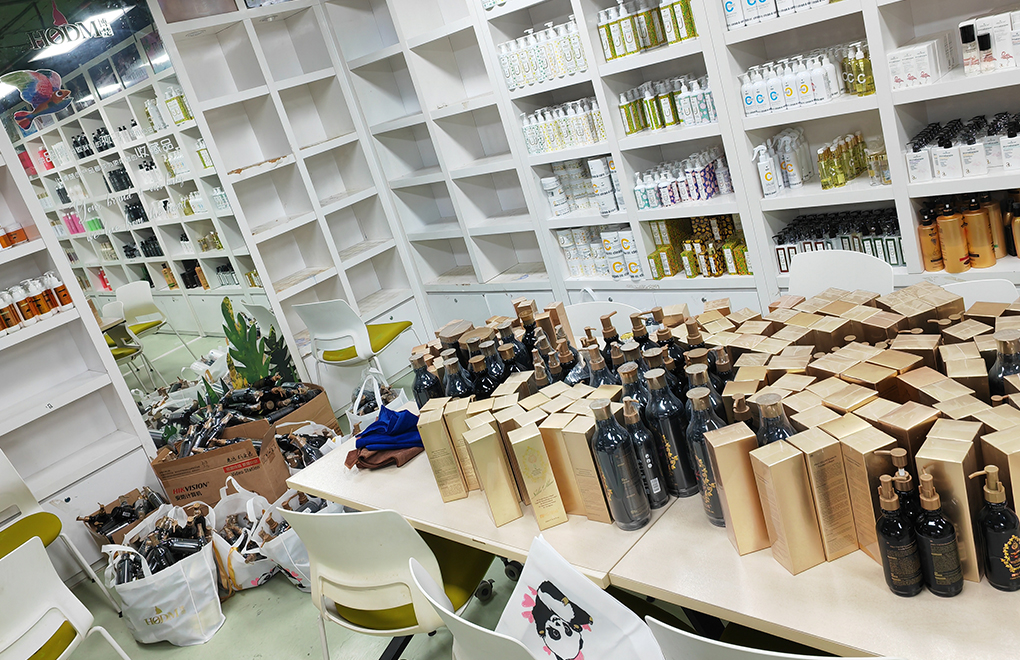
HODM provides hair care product sample options for brands to evaluate different formulas and product characteristics. For projects requiring specific ingredients, textures, or product performance, our custom formula development services can also support the development process.
This guide explains how to evaluate hair care product samples, what to check before approval, how to provide useful feedback, and when a formula is ready to move toward commercial manufacturing.
1. Why Hair Care Product Sample Evaluation Matters
Product samples allow brands to assess whether a proposed formula matches their expectations before committing to larger production quantities.
A formula may look promising during the initial review but perform differently during actual application. For example, a shampoo may have the desired fragrance but feel too drying, while a conditioner may have a suitable texture but provide insufficient detangling.
What Sample Evaluation Helps Brands Identify
- Formula Performance: Whether the product performs according to its intended purpose.
- Texture and Consistency: Whether viscosity, spreadability, and product feel meet expectations.
- Fragrance: Whether the scent matches the brand's desired sensory direction.
- Application Experience: Whether the product is convenient and comfortable to use.
- Packaging Requirements: Whether the formula is suitable for the intended dispensing format.
- Product Specifications: Whether the sample matches the agreed development brief.
Reduce Revisions Before Mass Production
Identifying problems during sample development is generally easier than making changes after a commercial production order has been placed.
A structured evaluation process also gives brands a clear record of their feedback and helps manufacturers understand exactly what needs to be adjusted.
2. Prepare Before Evaluating Hair Care Samples
Before reviewing a sample, make sure you understand what the manufacturer was asked to develop. Without a clear reference, it can be difficult to determine whether the formula actually meets your requirements.
Review the Original Product Brief
Your product brief should include the following information:
- Product category and intended application.
- Target customer and hair type.
- Desired formula characteristics.
- Preferred ingredients and restrictions.
- Texture and viscosity expectations.
- Fragrance direction and intensity.
- Color and appearance preferences.
- Target packaging and product size.
- Intended product benefits and claims.
Check the Sample Information
Record the sample name, identification number if available, preparation date, formula version, and any instructions supplied by the manufacturer.
If you receive multiple samples, label them clearly. This prevents confusion when comparing different formula versions.
Establish Evaluation Criteria
Decide which product characteristics are essential and which are preferences. For example, formula stability and intended performance may be mandatory requirements, while a particular fragrance intensity may be adjustable.
3. Check Product Appearance, Texture, and Consistency
The first evaluation stage involves examining the physical characteristics of the sample. Appearance and texture influence both product presentation and the customer's initial experience.
Appearance and Color
Check whether the product has a uniform appearance and whether its color matches the approved product concept.
Look for unexpected discoloration, visible separation, unusual particles, or other changes that may require further investigation.
Texture and Viscosity
Apply a small amount of the product and evaluate its consistency. Consider whether it is too thick, too thin, sticky, watery, or difficult to spread.
Spreadability
A product should distribute appropriately for its intended application. A curl cream, for example, needs to spread through the hair without excessive effort, while a scalp serum should allow convenient and controlled application.
Product Consistency
Observe whether the sample remains visually uniform during normal handling. If there are signs of separation or unexpected changes, document them and request technical review.
| Evaluation Item | What to Check | Common Feedback |
|---|---|---|
| Appearance | Color and uniformity | Color needs adjustment |
| Texture | Thickness and consistency | Too thick or too thin |
| Spreadability | Ease of application | Does not spread easily |
| Uniformity | Visible separation or particles | Requires formula review |
4. Evaluate Fragrance and Sensory Experience
Fragrance is an important part of the overall hair care experience. Brands should evaluate both the fragrance itself and how it fits their intended product positioning.
Fragrance Direction
Consider whether the scent matches the brand's preferred direction, such as fresh, floral, botanical, fruity, herbal, or premium fragrance profiles.
Fragrance Intensity
A fragrance that is too strong may not suit the target customer, while a fragrance that is too subtle may not deliver the desired sensory experience.
Fragrance During Application
Evaluate how the fragrance develops during application and rinsing, where applicable. For leave-in products, consider the scent after the product has been applied to the hair.
Fragrance Compatibility
Fragrance selection should also consider formula compatibility, stability, ingredient restrictions, and the requirements of the intended market.
If your brand requires a distinctive scent, explore HODM Fragrance and Sensory Customization.
5. Test Product Performance According to Its Category
Not all hair care products should be evaluated using the same criteria. A shampoo, hair mask, curl cream, and leave-in conditioner each have different intended functions.
Shampoo Samples
- Cleansing performance.
- Foam generation and foam texture.
- Rinsability.
- Hair feel after washing.
- Fragrance during use.
- Compatibility with the intended hair care routine.
Conditioner Samples
- Ease of application.
- Detangling and combability.
- Softness and conditioning feel.
- Rinsability.
- Whether the finish feels too heavy or too light.
Hair Mask Samples
- Texture and distribution through the hair.
- Conditioning performance.
- Recommended application time.
- Ease of rinsing.
- Hair feel after use.
Leave-In Conditioner Samples
- Spray or pump application.
- Spreadability and distribution.
- Detangling and manageability.
- Residue and finish.
- Whether the product feels too heavy.
Curl Cream and Styling Product Samples
- Styling control and curl definition.
- Spreadability and application.
- Hold level where applicable.
- Residue or flaking.
- Hair feel after styling.
Performance should be evaluated against the product brief and intended use rather than assuming that every product needs the same characteristics.
6. Hair Care Product Samples: Examples for Different Categories
Different product categories require different sample evaluation methods. The following HODM products illustrate how brands can assess samples across cleansing, conditioning, and treatment formats.

Gentle Clarifying Shampoo
Evaluate cleansing performance, foam, rinsability, fragrance, and hair feel after washing.
Explore Product →
Intensive Repair Hair Mask
Evaluate texture, application, conditioning feel, rinsability, and the finished hair experience.
Explore Product →
Moroccan Argan Oil Leave-In Conditioner
Evaluate spreadability, detangling, softness, residue, fragrance, and finish.
Explore Product →These examples demonstrate why sample evaluation should be product-specific. A shampoo requires cleansing and rinsing assessments, while a hair mask or leave-in conditioner requires more attention to conditioning and application characteristics.
7. Review Ingredients and Formula Specifications
Brands should review the ingredient information and product specifications supplied by the manufacturer before approving a sample.
Check the Ingredient List
Confirm that the proposed formula aligns with the agreed ingredient direction, including preferred ingredients, restricted ingredients, and any specific formulation requirements.
Review Ingredient Compatibility
Ingredients should work together within the complete formulation. Adding a preferred ingredient does not automatically improve product performance, so formula compatibility must also be considered.
Confirm Formula Specifications
Depending on the product category, relevant specifications may include:
- Ingredient list and raw material information.
- pH range.
- Viscosity or texture specifications.
- Color and appearance.
- Fragrance specifications.
- Preservation system.
- Intended product use and directions.
Confirm Claims and Product Positioning
Check that intended product claims accurately reflect the formula and available evidence. Claims involving treatment, hair growth, or other regulated benefits may require additional regulatory review.
8. Evaluate Packaging Compatibility and Dispensing
Even when a formula performs well, unsuitable packaging can create problems during storage, transport, and everyday use.
Check the Packaging Format
- Pump Bottles: Check dispensing consistency and whether the pump works with the formula viscosity.
- Flip-Cap Bottles: Evaluate opening, closing, leakage, and product flow.
- Jars: Check access to the product, closure, and packaging protection.
- Spray Bottles: Evaluate spray distribution and nozzle performance.
- Dropper Bottles: Check controlled dispensing and compatibility with the formula.
Review Packaging Compatibility
Formula and packaging compatibility should be evaluated using suitable testing. Consider potential leakage, discoloration, material interactions, dispensing problems, and changes during storage.
Check the Overall Presentation
For brands developing private label products, packaging should also match the intended market position. Bottle shape, color, label design, printing, and finishing should create a consistent brand identity.
Explore HODM Custom Packaging Options for more information.
9. How to Compare Multiple Product Samples
If the manufacturer provides several formula options, compare them using the same evaluation criteria. This helps avoid choosing a sample based only on personal preference or one individual characteristic.
Use a Consistent Evaluation Method
Each sample should be reviewed against the original product brief. Record the results immediately after evaluation instead of relying on memory.
| Evaluation Criteria | Sample A | Sample B | Sample C |
|---|---|---|---|
| Appearance | Record | Record | Record |
| Texture | Record | Record | Record |
| Fragrance | Record | Record | Record |
| Application | Record | Record | Record |
| Performance | Record | Record | Record |
| Overall Fit | Record | Record | Record |
Prioritize the Most Important Requirements
Some characteristics should be treated as essential requirements, while others can be adjusted during development.
For example, a sample may have excellent fragrance but insufficient conditioning performance. If conditioning is the main purpose of the product, performance should carry more weight in the final decision.
Keep Records of Every Formula Version
Record the sample identification, revision date, feedback, and final decision. This creates a useful reference when the formula moves into production.
10. How to Give Clear Feedback to Your Manufacturer
Useful feedback helps the R&D team understand what needs to change and why. General comments such as "the product is not good enough" do not provide enough information for meaningful formula adjustments.
Describe the Specific Problem
Instead of saying that a conditioner feels wrong, explain whether it is too thick, difficult to spread, insufficiently conditioning, or too heavy after rinsing.
Explain the Desired Improvement
Provide a clear description of the target result. For example, you may prefer a lighter texture, a softer fragrance, easier detangling, or a different foam characteristic.
Separate Required Changes from Preferences
Identify which issues must be corrected before approval and which are optional refinements. This helps avoid unnecessary development rounds.
Example of Effective Sample Feedback
| General Feedback | More Useful Feedback |
|---|---|
| The shampoo is too thick. | Please adjust the viscosity to make dispensing easier while maintaining the desired product consistency. |
| The fragrance is too strong. | Please reduce fragrance intensity while maintaining the same fragrance direction. |
| The conditioner feels heavy. | Please explore a lighter conditioning finish without significantly reducing detangling performance. |
| The curl cream does not feel right. | Please improve spreadability and reduce residue while maintaining the intended styling support. |
Clear feedback reduces misunderstandings and makes the sample revision process more efficient.
11. Sample Revisions and Final Formula Approval
Not every initial sample will meet every requirement. Formula revisions are a normal part of product development, particularly when a brand has specific expectations for texture, fragrance, or performance.
When Should You Request a Revision?
- The sample does not match the original product brief.
- The texture or viscosity requires adjustment.
- The fragrance needs refinement.
- The application experience is not suitable.
- Formula specifications require clarification.
- Packaging compatibility needs further evaluation.
Review Each Revised Sample Separately
When receiving a revised formula, confirm which characteristics have changed and whether other product properties have been affected.
A change to one ingredient or formulation parameter can influence other characteristics, so the complete product should be reassessed.
Document Final Formula Approval
Once the sample meets the agreed requirements, record the approved formula version, specifications, fragrance, color, texture, and other relevant details.
Make sure the manufacturer understands which approved sample and specifications will be used as the reference for commercial production.
12. What to Check Before Approving Mass Production
Sample approval is an important development milestone, but it should not replace the necessary quality, safety, stability, and regulatory preparation before manufacturing.
Final Formula Confirmation
Confirm that the formula and agreed product specifications are documented and that the approved version is clearly identified.
Testing and Quality Requirements
Review the testing plan appropriate to the product and target market. Depending on the formula, this may include stability assessments, microbiological testing, preservative efficacy testing where applicable, and packaging compatibility evaluations.
Packaging Approval
Confirm the bottle, pump, cap, label, carton, and other packaging components before production scheduling.
Production and Commercial Details
- Final product specifications.
- Approved packaging artwork.
- MOQ and confirmed order quantity.
- Production lead time.
- Quality inspection requirements.
- Label and regulatory documentation.
- Shipping and delivery arrangements.
Understand the Difference Between Sample Approval and Product Release
Approving a sample confirms that the development sample meets the agreed requirements. It does not automatically establish that the product has completed every necessary safety, stability, microbiological, and regulatory requirement for commercial sale.
For further information, read Hair Care Product Testing Requirements Explained.
13. Working with the Right Hair Care Manufacturer
A reliable manufacturing partner should be able to support more than sample preparation. The manufacturer should understand the product brief, explain formulation options, provide clear feedback, and coordinate the steps required before production.
Evaluate R&D Capabilities
Review the manufacturer's experience with your product category, ingredient systems, formula adjustments, sample preparation, and technical evaluation.
Review Quality Control Procedures
Ask about raw material controls, batch documentation, in-process inspections, finished-product checks, and relevant quality management systems.
Understand Communication and Revision Arrangements
Confirm how sample feedback is handled, how formula revisions are documented, and which development costs or additional sample arrangements may apply.
Consider Long-Term Manufacturing Support
Beyond the initial sample, consider whether the manufacturer can support packaging customization, commercial production, quality documentation, and future product expansion.
Explore How to Choose a Hair Care Manufacturer and OEM Hair Care Manufacturing for additional guidance.
14. Hair Care Product Sample Approval Checklist
Before approving a sample, use this checklist to confirm that the key development requirements have been reviewed.
| Checklist Item | What to Confirm |
|---|---|
| Product Brief | Sample matches the original requirements. |
| Appearance | Color and visual consistency are acceptable. |
| Texture | Viscosity and spreadability meet expectations. |
| Fragrance | Scent direction and intensity are approved. |
| Performance | Product performs its intended function. |
| Ingredients | Formula specifications have been reviewed. |
| Packaging | Dispensing and compatibility requirements are addressed. |
| Testing | Required testing and quality assessments are planned or completed. |
| Documentation | Approved formula version and specifications are recorded. |
| Production | MOQ, order quantity, lead time, and production details are confirmed. |
A sample should move forward only when the agreed development requirements have been addressed and the remaining testing and production conditions are clearly understood.
Frequently Asked Questions
What should brands check when evaluating hair care product samples?
Brands should evaluate appearance, texture, viscosity, fragrance, application, product performance, ingredient specifications, and packaging suitability. The evaluation criteria should match the intended product category.
How many sample revisions are usually needed?
The number of revisions depends on the complexity of the formula and how closely the initial sample matches the product brief. Some projects require limited adjustments, while more specialized formulas may need additional development rounds.
Can I request changes to fragrance and texture?
Yes. Depending on the formula and technical feasibility, brands can discuss adjustments to fragrance intensity, viscosity, texture, spreadability, and other product characteristics.
Can I request samples before placing a bulk order?
Brands can discuss sample availability and arrangements with HODM before making a commercial manufacturing decision. Sample availability, fees, and delivery arrangements depend on the specific project.
Visit Free Hair Product Samples to learn more.
Does sample approval mean the product is ready for sale?
Not necessarily. Sample approval confirms that the development sample meets the agreed requirements. Applicable safety, stability, microbiological, packaging, labeling, and regulatory requirements must also be addressed before commercial release.
Should the final production formula be identical to the approved sample?
The approved sample should serve as the reference for the agreed formula and specifications. Any material changes should be reviewed, documented, and approved before production.
What information should I provide when requesting hair care samples?
Provide your product category, target customer, preferred ingredients, desired texture, fragrance direction, product benefits, packaging preferences, target market, and expected order quantity.
Can HODM help develop a completely custom hair care formula?
Yes. HODM can discuss custom formula development according to product requirements, ingredient preferences, target customers, and manufacturing needs.
Explore Custom Formula Development.
Conclusion: Approve Hair Care Samples with Confidence
Hair care product sample evaluation is an essential part of the development process. It helps brands determine whether a formula meets their requirements before moving toward commercial manufacturing.
By checking appearance, texture, fragrance, performance, ingredient specifications, and packaging suitability, brands can make more informed product decisions and provide clearer feedback to their manufacturing partners.
The most effective approach is to establish clear evaluation criteria, document every sample revision, and confirm the final formula specifications before production.
A well-managed sample approval process helps create a stronger foundation for consistent products and long-term manufacturing partnerships.
Ready to Evaluate Your Next Hair Care Product?
HODM Cosmetics supports brands with hair care product samples, custom formula development, packaging customization, and OEM/ODM manufacturing.
Whether you are developing a shampoo, conditioner, hair mask, leave-in treatment, or styling product, our team can discuss suitable formula options and sample arrangements for your project.
Share your product requirements and explore suitable samples before moving toward commercial production.
Request Hair Care Product Samples