
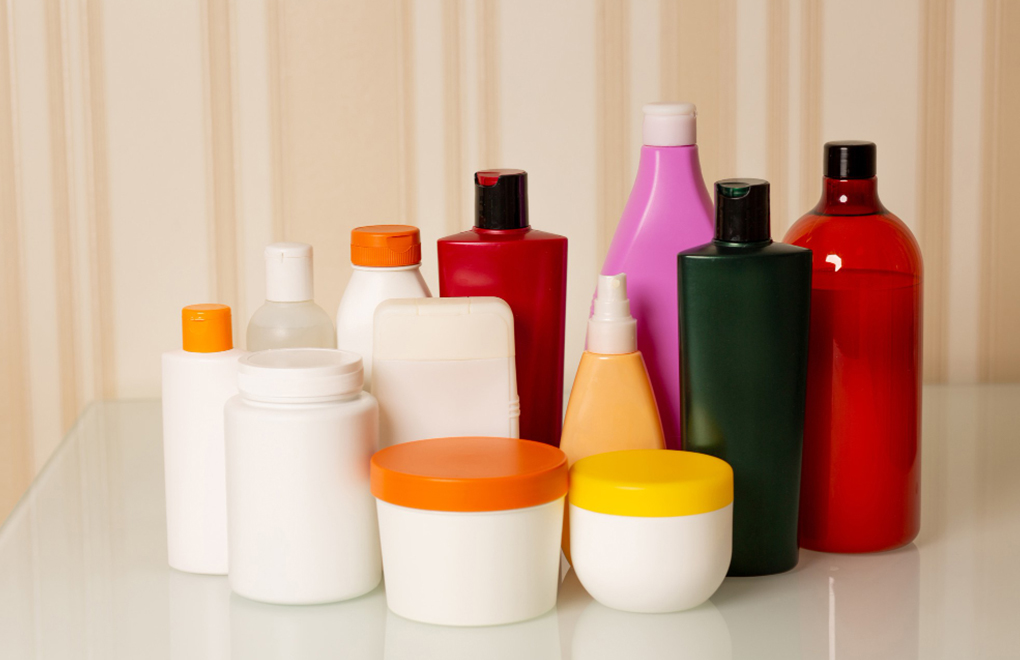
Conditioner Products: Formulation, Development, and Manufacturing Guide for Brands
How Do Brands Develop Conditioner Products?
Developing conditioner products requires identifying the target customer, choosing the right product type, selecting conditioning ingredients, creating and testing formulas, designing packaging, completing quality checks, and scaling production with a reliable manufacturer. Successful conditioner brands focus on specific consumer needs such as hydration, repair, curl definition, scalp care, and premium hair treatment rather than creating generic products.
For private label brands, salon companies, Amazon sellers, and beauty entrepreneurs, conditioner remains an important category because it supports repeat purchases, product bundling, and complete hair care systems.
Conditioner is one of the most important categories in the hair care industry.
While shampoo focuses on cleansing, conditioner focuses on improving the hair experience through:
- Hydration
- Smoothness
- Repair
- Manageability
- Protection
For brands, conditioner products offer strong opportunities because they are often purchased together with shampoo and can increase customer lifetime value.
However, successful conditioner brands need more than a basic moisturizing formula.
They need:
- Clear positioning
- Effective ingredients
- Strong formulation
- Reliable manufacturing
- Targeted marketing
This guide explains how brands develop, manufacture, and launch conditioner products.
Why Conditioner Products Are a Strong Opportunity for Hair Care Brands
Conditioner is a repeat-purchase product category with strong consumer demand.
Business Advantages
| Advantage | Brand Opportunity |
|---|---|
| Used regularly | Strong repeat purchases |
| Often paired with shampoo | Higher order value |
| Multiple product types | Market segmentation |
| Premium positioning possible | Better margins |
Common Consumer Needs
Consumers purchase conditioners for:
-
- Dryness
- Damage
- Frizz
- Lack of softness
- Curl definition
- Color protection
Current Conditioner Market Trends Brands Should Know
Modern consumers expect conditioners to provide targeted benefits.
The biggest opportunities include:
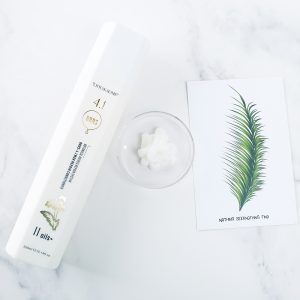
Max Repair Conditioner
This max repair conditioner revitalizes damaged hair, delivering silky perfection and shine with its nutrient-rich formula that repairs and enhances strength; free from harsh ingredients, it provides care for all hair types.
- Size: 10.14 fl oz / 300 ml
- Key Ingredients:Argan Oil, Macadamia Oil, Jojoba Oil, Hydrolyzed Keratin, Ceramide NG
- Key Benefits: Deep Repair, Hair Strengthening, Smooth Finish, Shine Enhancement, Damage Protection
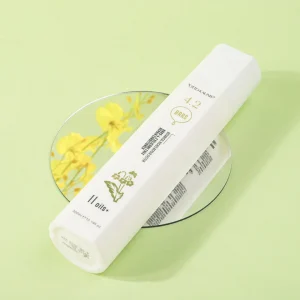
Silicone Free Repair Conditioner
This silicone free repair conditioner revitalizes damaged hair, offering silky perfection and radiant shine with its nutrient-rich formula that repairs, smooths, and softens while promoting strength and elasticity without harsh ingredients.
- Size: 8.45 fl oz / 250 ml | 16.91 fl oz / 500 ml | 33.81 fl oz / 1000 ml
- Key Ingredients: Sweet Almond Oil, Shea Butter, Rice Protein, Argan Oil, Jojoba Oil
- Key Benefits: Deep Repair, Hair Softening, Elasticity Boost, Shine Enhancement, Strength Support
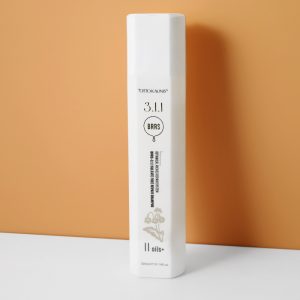
Sulfate Free Repair Shampoo
This sulfate free shampoo gently cleanses, nourishes, and strengthens hair with vegetable protein, plant extracts, and oils. Free of harsh chemicals, it protects color, maintaining vibrancy with a crystal gel texture and rich bubbles for a luxurious wash.
- Size: 8.45 fl oz / 250 ml | 16.91 fl oz / 500 ml | 33.81 fl oz / 1000 ml
- Key Ingredients: Argan Oil, Macadamia Oil, Jojoba Oil, Avocado Oil, Coconut Oil
- Key Benefits: Gentle Cleansing, Deep Nourishment, Color Protection, Hair Strengthening, Smooth Finish
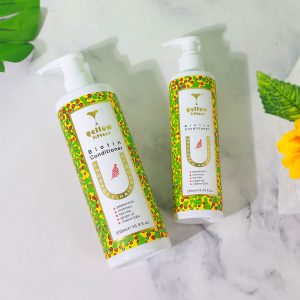
Hair Growth Biotin Conditioner
This biotin conditioner combines rosemary, peppermint, tea tree, and ginger oils with vitamins E and H to stimulate growth, nourish roots, and thicken hair, while its lightweight formula conditions, fortifies, and revitalizes for a healthier appearance.
- Size: 8.45 fl oz / 250 ml | 16.91 fl oz / 500 ml | 33.81 fl oz / 1000 ml
- Key Ingredients: Biotin, Rosemary Oil, Peppermint Oil, Tea Tree Oil, Ginger Extract
- Key Benefits: Hair Thickening, Growth Support, Root Nourishment, Hair Strengthening, Scalp Care
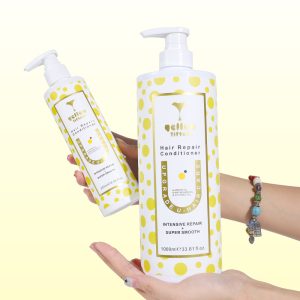
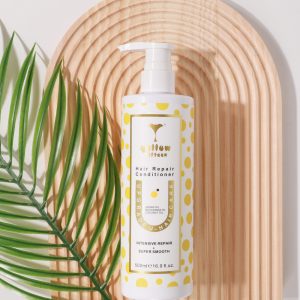
Hair Repair Conditioner
This hair repair conditioner is a must-have for achieving silky perfection and radiant shine, as it repairs, smooths, and softens lifeless hair while improving strength and elasticity, leaving you with soft, touchable hair through its intensive formula.
- Size: 8.45 fl oz / 250 ml | 16.91 fl oz / 500 ml | 33.81 fl oz / 1000 ml
- Key Ingredients: Argan Oil, Macadamia Oil, Coconut Oil, Hydrolyzed Keratin, Silk Extract
- Key Benefits: Hair Repair, Smooth Finish, Shine Enhancement, Strength Support, Soft Touch
Hair Hydrating Conditioner
This hydrating conditioner hydrates, smooths, and protects hair while preventing frizz and split ends, offering anti-fade protection and improved combability for all hair types, leaving hair soft, manageable, and radiant with a mirror-like shine.
- Size: 10.14 fl oz / 300 ml | 16.91 fl oz / 500 ml
- Key Ingredients: Argan Oil, Macadamia Oil, Coconut Oil, Glycerin, Dimethicone
- Key Benefits: Deep Hydration, Frizz Control, Split-End Protection, Color Protection, Shine Enhancement
Choosing Between Private Label and Custom Conditioner Formulas
The manufacturing approach affects cost, timeline, and differentiation.
Private Label Conditioner
Private label uses existing manufacturer formulas.
Advantages
- Faster launch
- Lower investment
- Lower development risk
Best for:
- Startups
- Ecommerce brands
- Market testing
👉 Learn more in Private Label Hair Care: Complete Guide to Building a Profitable Brand
Custom Conditioner Formula
Custom formulas are developed specifically for your brand.
Advantages
- Unique product experience
- Better differentiation
- Premium positioning
Best for:
- Luxury brands
- Salon brands
- Retail-focused companies
👉 Learn more in Custom Formula vs Private Label Hair Care: Which Should You Choose?
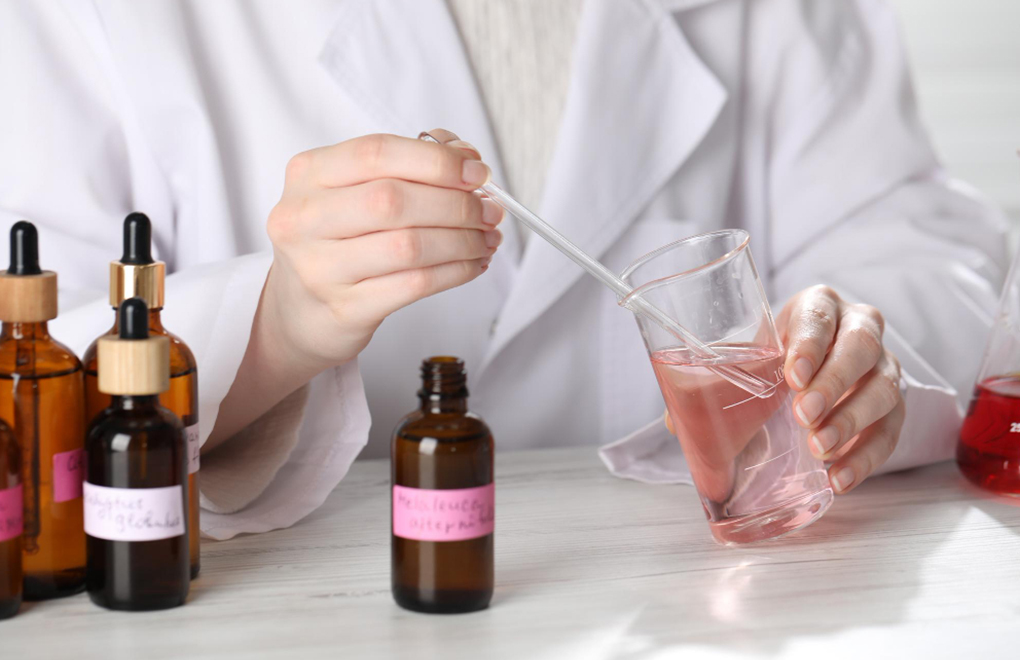
Conditioner Formulation Process Explained
A professional conditioner development process includes several stages.
Step 1: Define Product Goals
Brands determine:
- Target customer
- Hair concerns
- Product benefits
- Market positioning
Example:
“Lightweight repair conditioner for fine damaged hair.”
Step 2: Select Conditioning Ingredients
Formula developers evaluate:
- Conditioning agents
- Oils
- Proteins
- Botanical extracts
- Active ingredients
Step 3: Develop Laboratory Samples
Samples are created to evaluate:
- Texture
- Thickness
- Slip
- Fragrance
- Hair feel
Step 4: Optimize Formula Performance
Adjustments may include:
- Moisturizing level
- Lightweight feel
- Rinse performance
- Sensory experience
👉 Learn more in How Hair Care Factories Develop Custom Formulas: From Concept to Production
Key Conditioner Ingredients Brands Should Understand
Different ingredients create different product benefits.
Conditioning Agents
Provide:
- Smoothness
- Detangling
- Improved hair feel
Natural Oils
Examples:
- Argan oil
- Coconut oil
- Jojoba oil
Benefits:
- Nourishment
- Shine
- Softness
Proteins
Used for:
- Strengthening positioning
- Damaged hair products
Botanical Ingredients
Used for:
- Natural positioning
- Clean beauty products
Conditioner Testing Requirements
Before launch, conditioner products require quality testing.
Common Testing Includes:
- Stability testing
- Microbial testing
- Safety evaluation
- Packaging compatibility testing
Testing Helps Ensure:
- Product stability
- Consumer safety
- Consistent quality
👉 Learn more in Hair Care Product Testing Requirements Explained: Safety, Stability, Microbial, and Compliance Testing
Conditioner Packaging Development
Packaging affects:
- Brand perception
- Customer experience
- Retail performance
Common Packaging Options
- Bottles
- Tubes
- Jars
- Pumps
Packaging Considerations
Brands should evaluate:
- Material
- Size
- Design
- Label requirements
- Sustainability goals
👉 Learn more in Custom Hair Care Packaging: How to Choose Bottles, Tubes, and Jars for Your Brand
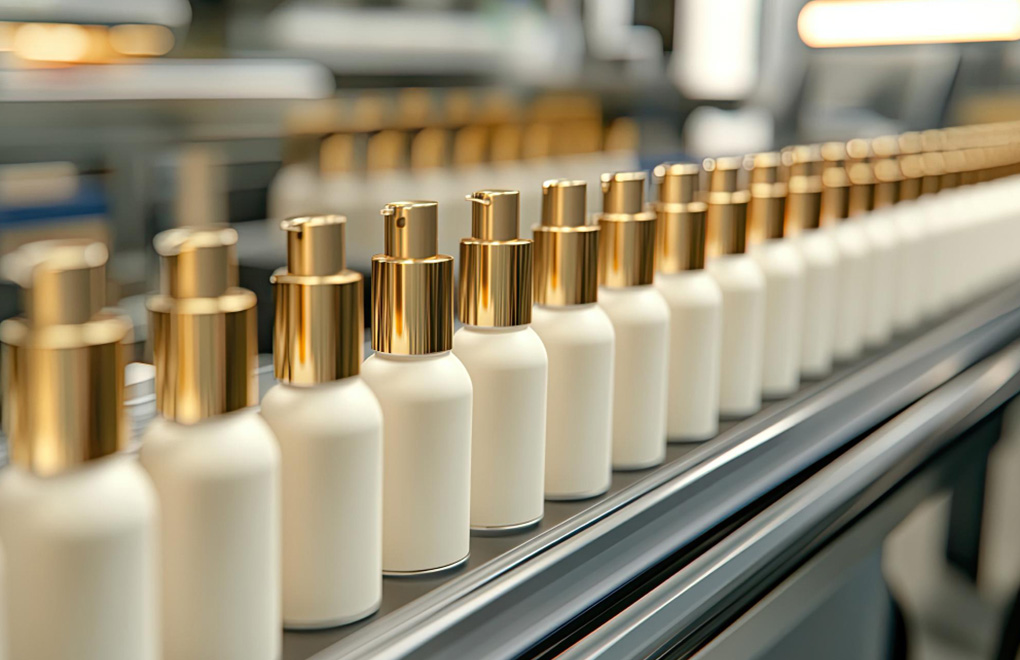
Conditioner Manufacturing Process
A typical manufacturing process includes:
Raw Material Preparation
↓
Formula Mixing
↓
Quality Inspection
↓
Filling
↓
Labeling
↓
Packaging
↓
Final Inspection
How Much Does It Cost to Develop Conditioner Products?
Costs depend on:
- Formula complexity
- Ingredients
- Packaging
- MOQ
- Testing requirements
Main Cost Factors
| Factor | Impact |
|---|---|
| Custom formula | Higher development cost |
| Premium ingredients | Higher material cost |
| Custom packaging | Higher investment |
| Larger MOQ | Lower unit cost |
👉 Learn more in Custom Hair Care Product Cost Breakdown: Formula, Packaging, and Manufacturing Explained
How Brands Should Launch Conditioner Products
Successful launches require strong positioning.
Step 1: Choose a Target Market
Examples:
- Damaged hair
- Curly hair
- Scalp care
- Premium beauty
Step 2: Build a Product System
Conditioner works well with:
Example:
Repair System:
- Repair Shampoo
- Repair Conditioner
- Hair Mask
- Treatment Serum
Step 3: Select Sales Channels
Options:
- Shopify
- Amazon
- Retail
- Salons
👉 Learn more in Selling Hair Care Products Online vs Retail: Which Is Better for Your Brand?
Common Mistakes When Developing Conditioner Products
Mistake #1: Creating Generic Conditioner
Generic products compete mainly on price.
Mistake #2: Ignoring Hair Type Differences
Different consumers need different solutions.
Mistake #3: Overloading Formulas With Ingredients
More ingredients do not always mean better performance.
Mistake #4: Choosing Manufacturers Only by Cost
Quality and consistency determine long-term success.
Why Work with HODM?
HODM helps brands develop conditioner products from concept to production.
HODM Services
- Private label conditioner
- Custom conditioner formulation
- OEM manufacturing
- ODM development
- Packaging solutions
- Product testing
- Global export support
We help brands create conditioner products designed for modern consumers.
FAQ
Is conditioner a good product category for a new hair care brand?
Yes. Conditioner has strong repeat purchase potential and works well as part of complete hair care systems.
What types of conditioner products have the best opportunities?
Hydrating conditioners, repair conditioners, leave-in conditioners, curl conditioners, and premium treatment conditioners offer strong market opportunities.
Should I choose private label or custom conditioner formulation?
Private label is suitable for faster launches, while custom formulas are better for brands seeking unique positioning.
How long does it take to develop a conditioner product?
The timeline depends on customization, testing, packaging, and production requirements.
What information does a conditioner manufacturer need?
Manufacturers usually need product goals, target market, formula preferences, packaging requirements, quantity expectations, and timeline.
Can conditioner products be sold internationally?
Yes. Brands can expand globally but must consider local regulations, labeling requirements, and market preferences.
Conclusion
Conditioner products remain one of the strongest opportunities in the hair care industry because they support repeat purchases, product bundling, and specialized consumer solutions.
The biggest opportunities come from:
- Repair conditioners
- Hydrating formulas
- Leave-in conditioners
- Curl care products
- Premium treatments
Brands that combine strong formulation, reliable manufacturing, and clear positioning can build successful conditioner product lines.
Develop Your Conditioner Product Line with HODM
HODM supports brands with:
- Private label conditioner
- Custom formulas
- OEM manufacturing
- Packaging development
- Testing support
- Global market solutions
Contact HODM to create your next conditioner product line.