
Sulfate-Free Custom Shampoo Formulation Guide 2026
As consumer awareness around scalp health, ingredient safety, and sustainability continues to rise, sulfate-free shampoos are no longer a trend—they’re the standard. In 2026, brands that want to compete in premium, clean, or salon-grade markets must understand how sulfate-free custom shampoos are truly formulated—and how to do it right.
This guide breaks down surfactant systems, performance trade-offs, customization strategies, and future-ready formulation trends for sulfate-free shampoos.
1. What “Sulfate-Free” Really Means in 2026
Sulfate-free shampoos exclude harsh cleansing agents, mainly:
- ❌ SLS (Sodium Lauryl Sulfate)
- ❌ SLES (Sodium Laureth Sulfate)
Instead, modern sulfate-free formulas focus on:
- Mild amino acid surfactants
- Plant-derived glucosides
- Skin-identical cleansing systems
Key shift in 2026:
Sulfate-free is no longer just about removal—it’s about balancing scalp microbiome, cleansing efficiency, and sensorial performance.
2. Core Surfactant Systems Used in Sulfate-Free Custom Shampoos
A high-performance sulfate-free shampoo is never built on a single surfactant. Instead, it uses a multi-surfactant system.
A. Primary Cleansers (Main Foam & Cleansing)
Common 2026 choices:
- Sodium Cocoyl Isethionate (SCI)
- Sodium Lauroyl Sarcosinate
- Sodium Lauroyl Methyl Isethionate
- Sodium Cocoyl Glutamate
Why brands prefer them
- Gentle on scalp
- Good foam stability
- Suitable for daily use & color-treated hair
B. Secondary / Co-Surfactants (Foam Boost + Mildness)
Examples:
- Cocamidopropyl Betaine
- Sodium Cocoamphoacetate
- Lauryl Hydroxysultaine
Function
- Improves foam richness
- Reduces irritation
- Enhances rinse feel
C. Natural Glucoside Surfactants (Clean Beauty Focus)
Examples:
- Decyl Glucoside
- Coco Glucoside
- Lauryl Glucoside
Best for
- Organic & ECOCERT concepts
- Baby & sensitive scalp formulas
- Low-irritation positioning
⚠️ Trade-off: weaker foam unless properly blended
3. Matching Sulfate-Free Formulas to Hair Types
Dry / Damaged Hair
- Ultra-mild surfactants
- Added conditioning agents
- Low cleansing strength
Key add-ons
- Hydrolyzed proteins
- Ceramides
- Botanical oils (argan, camellia)
Oily Scalp / Fine Hair
- Stronger amino-acid surfactants
- Light texture
- Sebum-balancing actives
Key add-ons
- Niacinamide
- Zinc PCA
- Tea tree or rosemary extract
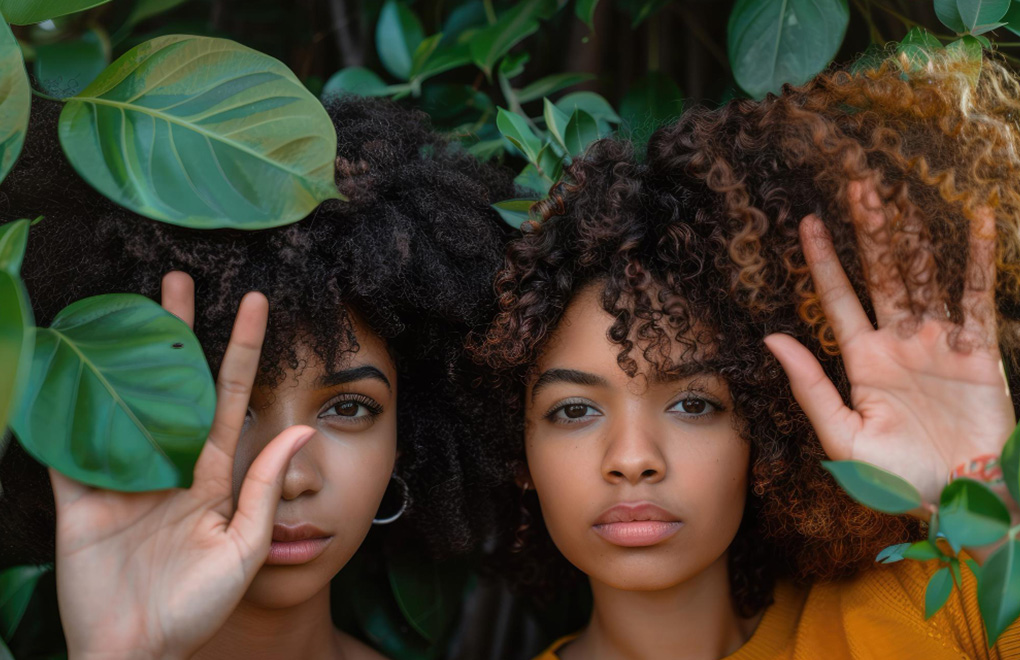
Curly / Textured Hair
- Moisture-first cleansing
- Minimal stripping
- Slip-enhancing agents
Key add-ons
- Aloe vera
- Glycerin
- Polyquaterniums (lightweight)
Color-Treated Hair
- pH-controlled system (≈5.0–5.5)
- UV protection
- Anti-fade actives
4. Foam, Texture & Consumer Expectations (The 2026 Reality)
One of the biggest challenges with sulfate-free shampoos is consumer perception of foam.
2026 formulation strategies
- Surfactant synergy (not higher dosage)
- Foam stabilizers from sugar-based compounds
- Texture modifiers for luxury feel
👉 Modern sulfate-free shampoos can now deliver rich foam + salon performance without sulfates.
5. pH, Preservation & Stability Considerations
Sulfate-free formulas are more sensitive to:
- pH drift
- Microbial contamination
- Botanical instability
Best practices
- Maintain pH between 4.8–5.5
- Use globally compliant preservative systems
- Stability test with essential oils & extracts
6. Customization Options Brands Expect in 2026
Leading manufacturers now offer:
- Custom cleansing strength (low / medium / high)
- Foam profile selection (creamy vs airy)
- Scalp-care targeting (anti-dandruff, soothing, growth)
- Silicone-free or lightweight silicone options
- Vegan / cruelty-free / clean-label claims
This level of customization is what separates true custom formulation from basic private label products.
7. Sulfate-Free Trends Shaping 2026 & Beyond
Key trends influencing custom shampoo development:
- 🧬 Scalp microbiome-friendly surfactants
- 🌱 Bio-fermented cleansing agents
- ♻️ Water-reduced & concentrated formulas
- 🧠 AI-assisted formula optimization
- 🏆 Hybrid cleansing + treatment shampoos
Premium brands are no longer asking “Is it sulfate-free?”
They’re asking “How intelligent is the formula?”
Final Thoughts: Building a Competitive Sulfate-Free Shampoo in 2026
A successful sulfate-free custom shampoo in 2026 must deliver:
✔ Effective cleansing
✔ Scalp comfort
✔ Premium sensory experience
✔ Market-ready claims
✔ Customization flexibility
Brands that understand formulation logic—not just ingredient buzzwords—will win in increasingly competitive global markets.