

Custom Shampoo for Dry, Damaged & Chemically Treated Hair
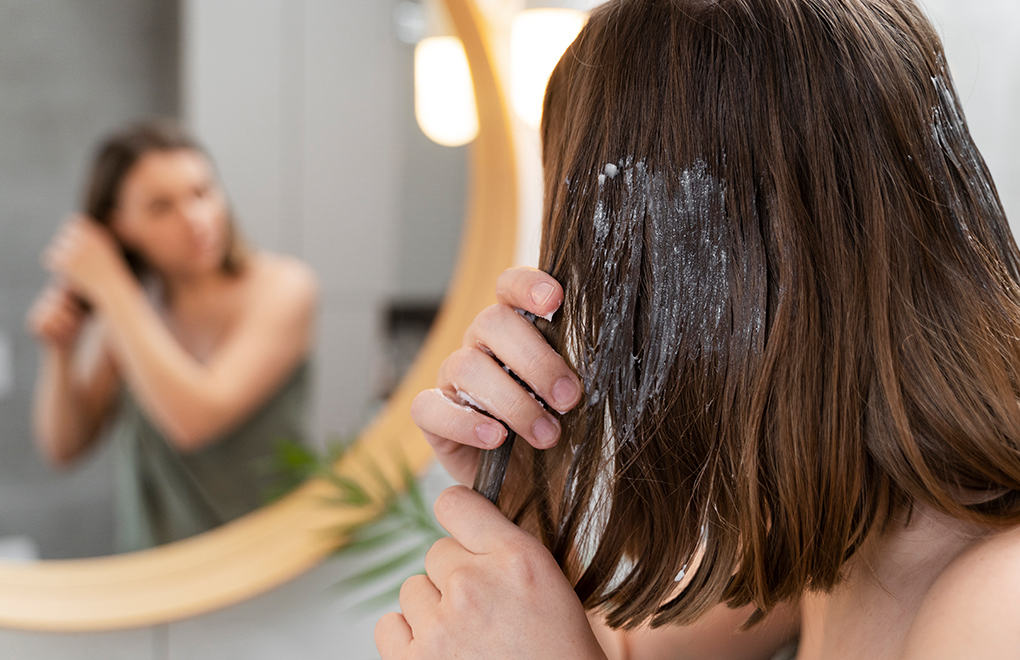
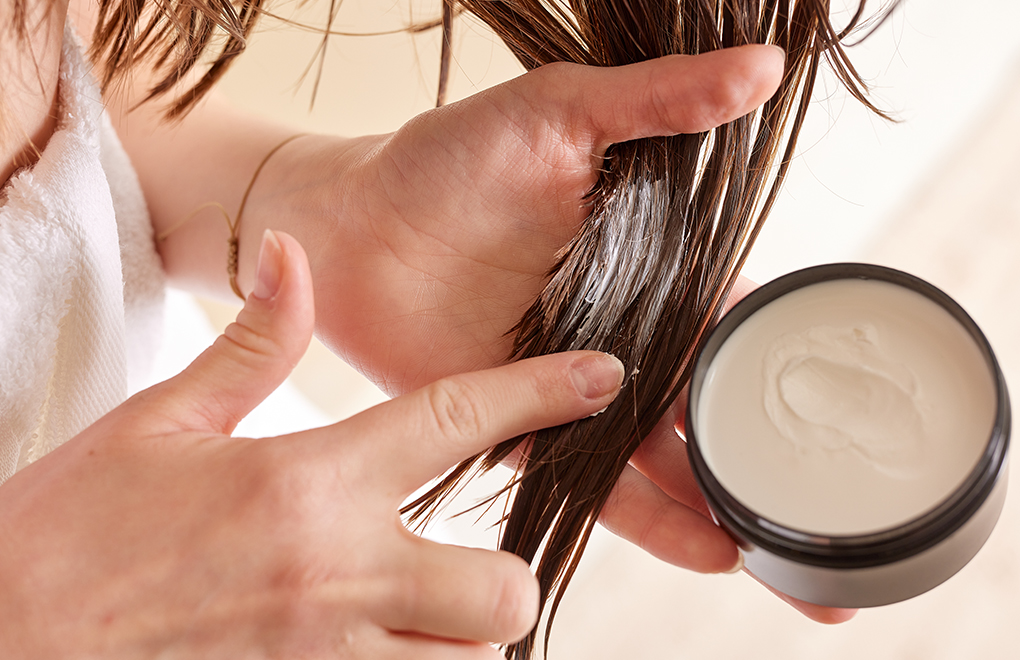
Dry, damaged, and chemically treated hair remains one of the largest and fastest-growing segments in the global hair care market. From coloring and bleaching to perming, relaxing, and heat styling, modern consumers constantly expose their hair to stress that strips moisture, weakens protein bonds, and compromises scalp balance.
Standard mass-market shampoos often fail to address these complex needs. That’s why custom shampoo formulations are becoming the preferred solution for brands targeting repair, restoration, and long-term hair health.
By customizing surfactants, pH levels, proteins, oils, and active ingredients, brands can create targeted repair shampoos that cleanse gently while actively restoring damaged hair from the inside out.
Understanding Dry, Damaged & Chemically Treated Hair
Before formulating a custom shampoo, it’s critical to understand the core problems this hair type faces:
1. Moisture Loss
Chemical treatments disrupt the hair cuticle, allowing moisture to escape more easily. This results in dryness, rough texture, and frizz.
2. Protein Depletion
Bleaching and chemical processing break down keratin and internal hair bonds, leading to weak, brittle strands prone to breakage.
3. Scalp Sensitivity
Chemical services often irritate the scalp, disrupting its natural barrier and pH balance.
4. Color Fading
Harsh cleansing agents accelerate color loss in dyed or bleached hair.
A custom shampoo for damaged hair must address all four concerns simultaneously—without overloading or further stressing the hair.
Key Goals of a Custom Repair Shampoo
An effective custom shampoo for dry and chemically treated hair should be designed to:
- Cleanse without stripping natural oils
- Restore moisture balance
- Strengthen hair fibers and internal bonds
- Improve softness, elasticity, and shine
- Protect color and prevent further damage
- Support scalp comfort and barrier health
Customization allows brands to fine-tune each of these functions based on their target customer.
Core Ingredients Used in Custom Repair Shampoo Formulation
1. Gentle, Sulfate-Free Cleansing Systems
Most repair shampoos use sulfate-free surfactants such as:
- Sodium Cocoyl Isethionate
- Sodium Lauroyl Sarcosinate
- Cocamidopropyl Betaine
- Decyl Glucoside
These cleanse effectively while minimizing cuticle damage and scalp irritation.
2. Moisturizing & Conditioning Agents
Hydration is essential for dry and damaged hair. Common ingredients include:
- Glycerin (humectant)
- Aloe Vera
- Panthenol (Pro-Vitamin B5)
- Sodium PCA
- Hyaluronic Acid (low molecular weight)
These ingredients help replenish moisture and improve hair flexibility.
3. Proteins & Amino Acids for Strength
Custom formulations often combine hydrolyzed proteins for repair:
- Hydrolyzed Keratin
- Silk Protein
- Wheat Protein
- Amino acid complexes
Proper customization is crucial—too much protein can cause stiffness, while too little limits repair benefits.
4. Bond Repair Actives
For chemically treated hair, advanced formulas may include:
- Bond-building complexes
- Peptide technologies
- Maleate-based repair systems
These ingredients help reconnect broken bonds caused by bleaching and chemical services.
5. Botanical Oils & Lipids
Lightweight oils help restore shine and smoothness without weighing hair down:
- Argan Oil
- Jojoba Oil
- Macadamia Oil
- Avocado Oil
- Squalane
Oil ratios are customized depending on hair thickness and porosity.
6. Scalp-Soothing Ingredients
To reduce irritation and improve scalp health:
- Allantoin
- Bisabolol
- Centella Asiatica
- Chamomile Extract
- Niacinamide
Balanced scalp health supports stronger hair growth and better repair outcomes.
The Importance of pH Balance in Repair Shampoos
Custom shampoos for damaged hair are typically formulated at a pH of 4.5–5.5, which helps:
- Seal the cuticle
- Reduce frizz and roughness
- Improve shine
- Minimize color fading
- Support scalp barrier function
pH control is a major advantage of custom formulation over mass-market shampoos.
Customization Options for Brands
Brands working with OEM/ODM manufacturers can customize:
- Repair level (light, medium, intensive)
- Protein-to-moisture ratio
- Bond repair technology inclusion
- Color-safe claims
- Clean beauty standards (silicone-free, sulfate-free, vegan)
- Fragrance profiles
- Target market positioning (salon-grade, luxury, professional, clean beauty)
This flexibility allows brands to differentiate clearly in competitive markets.
Who Should Launch a Custom Repair Shampoo?
Custom repair shampoos are ideal for:
- Salon and professional brands
- Color-care focused lines
- Premium and luxury hair care brands
- Clean beauty and natural brands
- Indie brands targeting damaged or processed hair niches
Why Custom Manufacturing Outperforms Standard Private Label
While private label shampoos offer speed, custom shampoo manufacturing allows brands to:
- Own unique formulas
- Address specific hair concerns more effectively
- Support stronger brand storytelling
- Achieve better long-term differentiation
- Scale with evolving market trends
For repair-focused hair care, customization is often the deciding factor between average and exceptional results.
Conclusion: Custom Shampoo Is the Future of Hair Repair
Dry, damaged, and chemically treated hair requires more than generic cleansing. Through custom shampoo formulation, brands can deliver targeted repair, long-lasting hydration, and superior hair health—backed by science, ingredient transparency, and performance.
As consumer expectations rise in 2026 and beyond, brands that invest in custom repair shampoo solutions will be better positioned to compete in premium, professional, and clean beauty markets.
Looking to develop a custom repair shampoo for dry or chemically treated hair?
Partner with an experienced OEM/ODM manufacturer to create a high-performance, market-ready formula tailored to your brand’s vision.