
The Complete Custom Shampoo Manufacturing Process Explained
Launching a successful custom shampoo goes far beyond choosing ingredients or designing packaging. For brands, understanding the full custom shampoo manufacturing process is critical for controlling cost, timeline, product quality, and long-term scalability.
Unlike private label shampoos, custom shampoo manufacturing involves multiple technical, regulatory, and production stages. Brands that understand these steps are better equipped to make informed decisions, avoid delays, and build stronger partnerships with OEM/ODM manufacturers.
This guide explains the entire end-to-end process, from idea to finished product.
Step 1: Brand Concept & Market Positioning
Every custom shampoo project begins with strategic planning, not formulation.
At this stage, brands define:
- Target market (mass, premium, salon, clean beauty)
- Hair concern (dry, damaged, curly, scalp care, color-treated)
- Geographic market (U.S., EU, global)
- Price positioning
- Key claims (sulfate-free, vegan, color-safe, repair)
Clear positioning ensures the formula aligns with real consumer demand.
Step 2: Ingredient Philosophy & Regulatory Requirements
Before formulation starts, manufacturers assess:
- Ingredient preferences or restrictions
- Clean beauty standards
- Regulatory requirements (FDA, EU Cosmetic Regulation, IFRA)
Brands may request:
- Sulfate-free systems
- Silicone-free formulas
- Natural or organic ingredients
- Vegan or cruelty-free compliance
This step prevents costly reformulation later.
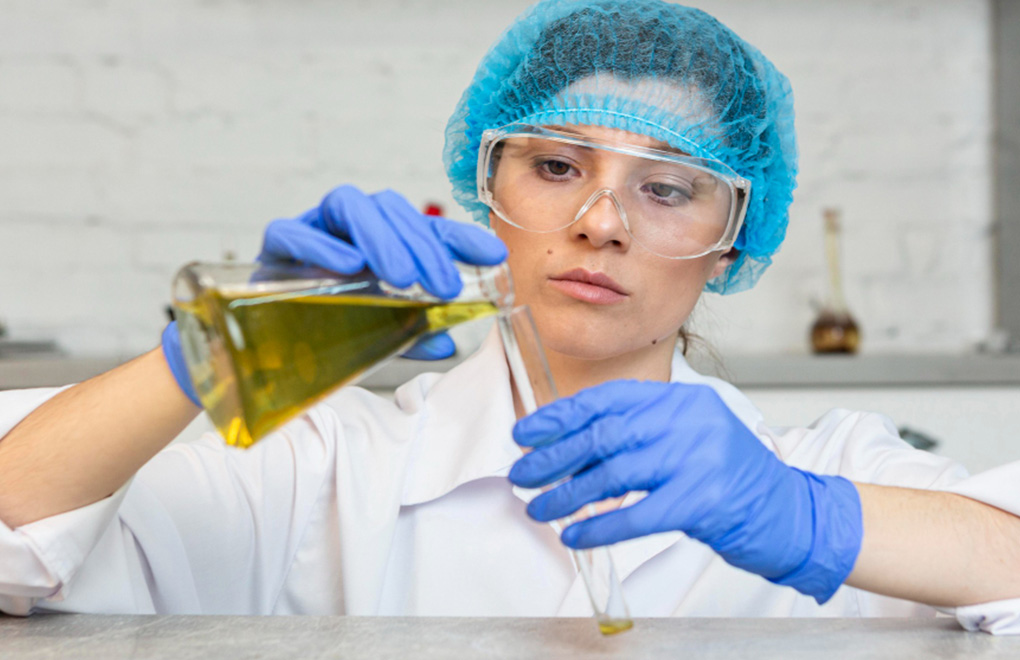
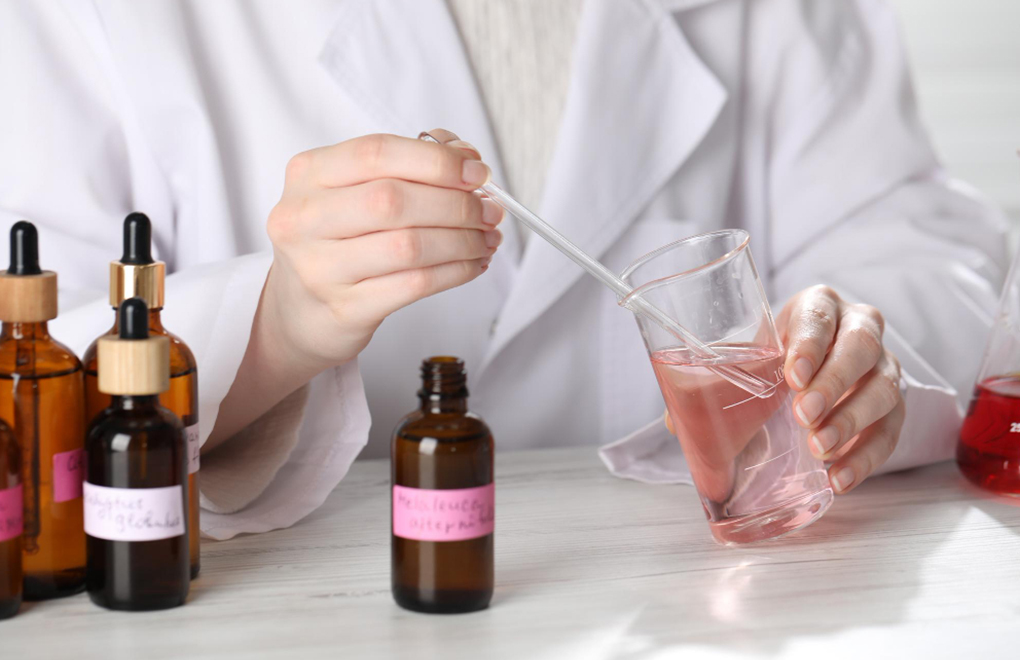
Step 3: Custom Shampoo Formulation Development
This is the core of the custom manufacturing process.
What Happens During Formulation
Chemists design a formula based on:
- Surfactant system
- Conditioning agents
- Active ingredients
- pH balance (typically 4.5–5.5)
- Texture, viscosity, and foam profile
Lab Sampling
- Initial lab samples are created
- Brands test performance, scent, and feel
- Revisions are made based on feedback
This stage typically takes 2–6 weeks, depending on complexity.
Step 4: Stability, Compatibility & Performance Testing
Once the formula is approved, it undergoes testing to ensure safety and consistency.
Common Tests Include
- Stability testing (heat, cold, time)
- Packaging compatibility testing
- Microbial safety testing
- Performance validation
Testing ensures the shampoo performs consistently throughout its shelf life.
Step 5: Packaging Selection & Design Finalization
Packaging development often runs in parallel with testing.
Brands finalize:
- Bottle type (PET, PCR, aluminum, glass)
- Closure (pump, flip cap, disc cap)
- Label materials and finishes
- Sustainability requirements
Custom packaging may require tooling or molds, affecting lead time and MOQ.
Step 6: Costing, MOQ & Production Planning
Once formula and packaging are confirmed, manufacturers provide:
- Final unit cost
- Minimum order quantity (MOQ)
- Production schedule
Typical MOQs:
- Semi-custom: 1,000–3,000 units
- Fully custom: 3,000–5,000+ units
This step aligns budget, timeline, and launch plans.
Step 7: Bulk Manufacturing & Quality Control
Bulk Production
Approved formulas are produced in large batches using controlled manufacturing processes.
Quality Control (QC)
Manufacturers conduct:
- Raw material inspection
- In-process quality checks
- Finished product testing
QC ensures consistency across all units.
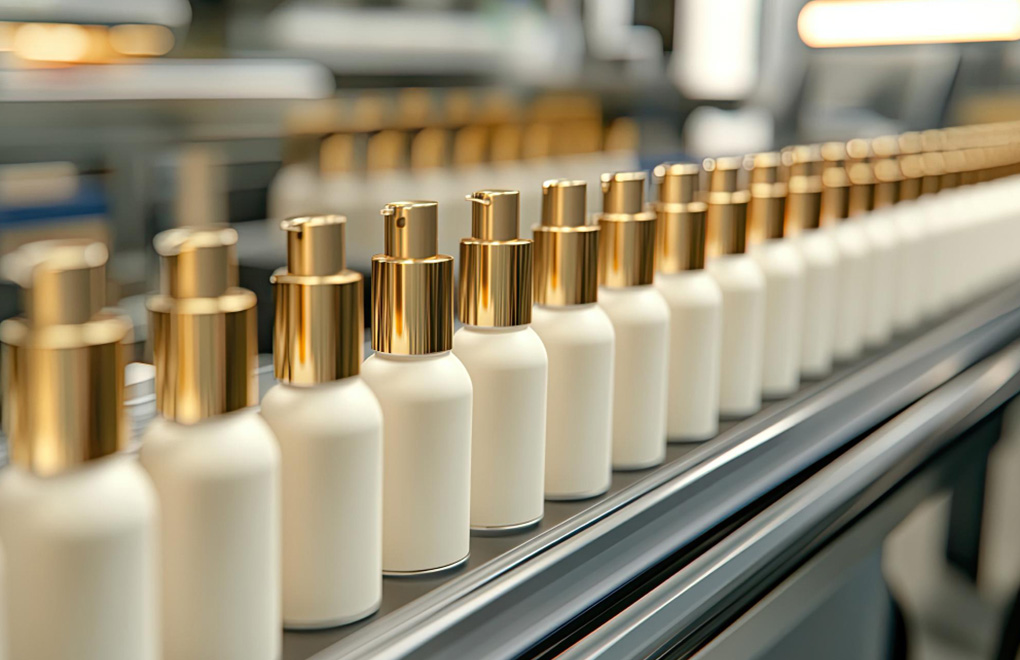
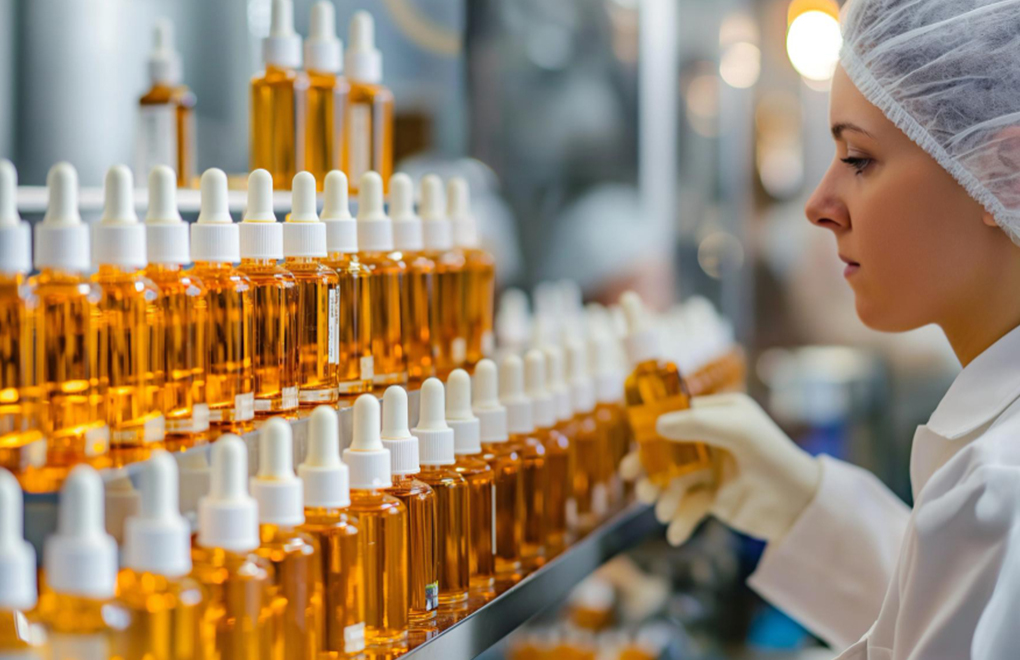
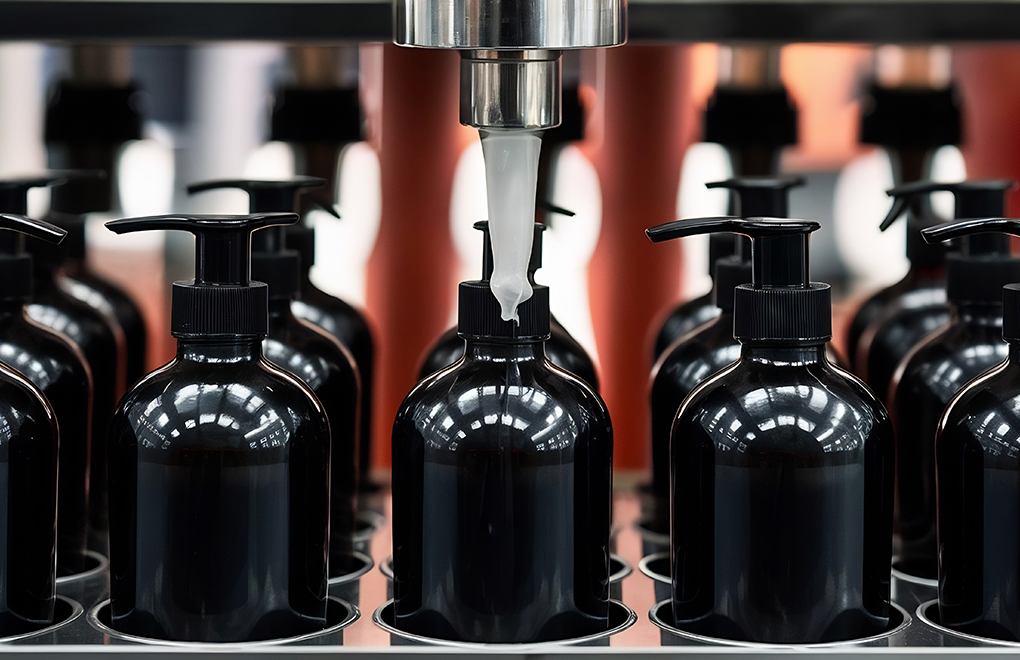
Step 8: Filling, Labeling & Assembly
After bulk production:
- Shampoo is filled into bottles
- Labels are applied
- Lot codes and batch numbers are added
This step ensures traceability and compliance with regulations.
Step 9: Final Inspection & Compliance Documentation
Before shipment, manufacturers perform:
- Final visual inspection
- Quantity verification
- Documentation preparation
Documents may include:
- COA (Certificate of Analysis)
- MSDS / SDS
- Ingredient lists
- Compliance declarations
These are critical for customs clearance and retail onboarding.
Step 10: Shipping & Delivery
Brands choose shipping methods based on cost and urgency:
- Sea freight (cost-effective)
- Air freight (faster)
- DDP / FOB / EXW terms
Proper logistics planning avoids delays and inventory shortages.
Typical Timeline for Custom Shampoo Manufacturing
| Stage | Timeframe |
|---|---|
| Concept & Planning | 1–2 weeks |
| Formulation & Sampling | 2–6 weeks |
| Testing & Packaging | 2–6 weeks |
| Production & Filling | 2–4 weeks |
| Total Lead Time | 8–16 weeks |
Complex formulas or custom packaging may extend timelines.
Private Label vs Custom Manufacturing: Process Differences
| Aspect | Private Label | Custom Shampoo |
|---|---|---|
| Formula Development | None | Required |
| Testing | Minimal | Extensive |
| Time to Market | Fast | Longer |
| Differentiation | Low | High |
| Formula Ownership | No | Yes |
Custom manufacturing requires more planning—but delivers greater brand value.
How Brands Can Speed Up the Process
Brands can reduce delays by:
- Providing clear briefs
- Approving samples quickly
- Selecting standard packaging
- Planning compliance early
- Forecasting realistic volumes
Strong collaboration leads to faster launches.
Conclusion: A Structured Process Leads to Better Products
The custom shampoo manufacturing process is detailed, technical, and strategic—but when managed correctly, it enables brands to create high-performance, differentiated products that meet modern consumer expectations.
Understanding each step helps brands control risk, cost, and quality while building long-term manufacturing partnerships.
CTA
Planning to develop a custom shampoo for your brand?
Partner with an experienced OEM/ODM manufacturer to guide you through every step—from concept to finished product.