

Posts by Hairodm
OEM vs Private Label Hair Care: Which Is Better for Your Brand?
OEM vs Private Label Hair Care—Which Is Better?
OEM (Original Equipment Manufacturing) and private label hair care are two popular manufacturing models for beauty brands. OEM...
How Long Does Hair Care Product Development Take? From Formula to Market Launch Timeline
How Long Does Hair Care Product Development Take?
Hair care product development typically takes 3 to 9 months from initial concept to market launch. The timeline...
What Makes a Reliable Hair Care Manufacturing Partner: Quality, Compliance, and Long-Term Support Explained
What Makes a Reliable Hair Care Manufacturer?
A reliable hair care manufacturing partner demonstrates strong GMP (Good Manufacturing Practices), consistent product quality, regulatory compliance (FDA and...

How to Audit a Hair Care Manufacturer: Quality, Compliance, and Capability Checklist
How Do You Audit a Hair Care Manufacturer?
To audit a hair care manufacturer, brands should evaluate GMP compliance, production facilities, quality control systems, testing capabilities,...

How Hair Care Factories Develop Custom Formulas: From Concept to Production
Hair care factories develop custom formulas through a structured process that includes market research, ingredient selection, formula design, lab prototyping, stability testing, microbial testing, packaging...
ODM vs OEM Hair Care: Key Differences, Advantages, and How to Choose the Right Model
ODM (Original Design Manufacturing) refers to ready-made or pre-developed hair care formulas that manufacturers can slightly customize and brand for clients. OEM (Original Equipment Manufacturing)...
OEM Hair Care Manufacturing: Complete Guide to Formulation, Production, and Private Label Brands
What Is OEM Hair Care Manufacturing?
OEM hair care manufacturing refers to Original Equipment Manufacturing, where a factory develops and produces hair care products such as...
Hair Care Product Safety Standards: A Beginner’s Guide to Compliance, Testing, and Regulations
What Are Hair Care Product Safety Standards?
Hair care product safety standards refer to the regulatory and scientific requirements that ensure shampoos, conditioners, hair oils, masks,...
EU vs US Hair Care Regulations: Compliance, Labeling, and Ingredient Rules Compared
What Is the Difference Between EU and US Hair Care Regulations?
The European Union and United States regulate hair care products differently. The EU generally applies...
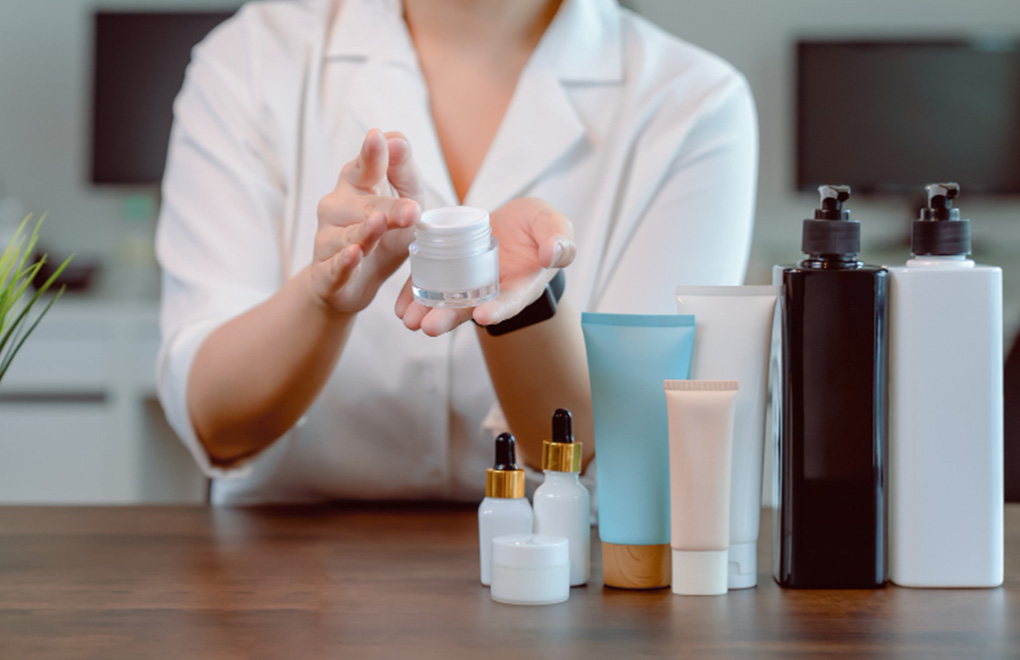
How to Choose FDA-Compliant Hair Care Manufacturers: What Brands Should Look for Before Production
How Do You Choose an FDA-Compliant Hair Care Manufacturer?
To choose an FDA-compliant hair care manufacturer, brands should evaluate the manufacturer's Good Manufacturing Practices (GMP), MoCRA...

Hair Care Product Testing Requirements Explained: Safety, Stability, Microbial, and Compliance Testing
What Testing Is Required for Hair Care Products?
Hair care product testing typically includes safety assessment, stability testing, microbial testing, preservative effectiveness testing, packaging compatibility testing,...
How to Import Hair Care Products into the USA: FDA, Customs, Labeling, and Compliance Explained
To import hair care products into the United States, brands must ensure compliance with FDA cosmetic regulations, MoCRA requirements, proper ingredient labeling, customs documentation, tariff...
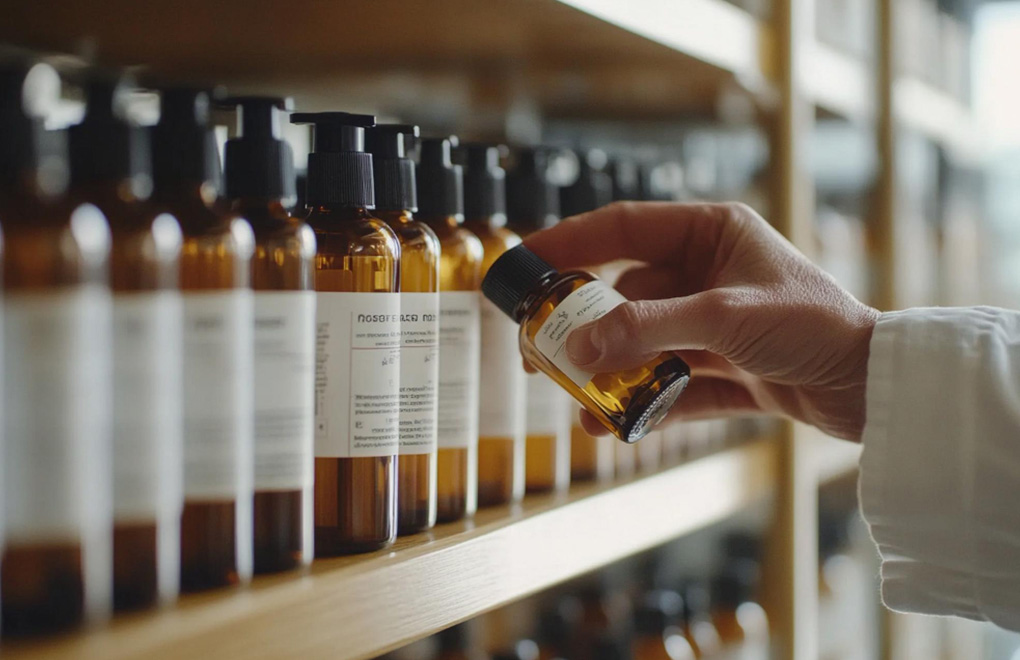
FDA Regulations for Hair Care Products: Compliance, Labeling, and Manufacturing Requirements Explained
Hair care products sold in the United States must comply with FDA cosmetic regulations, including ingredient safety requirements, proper labeling, facility registration under MoCRA (Modernization...
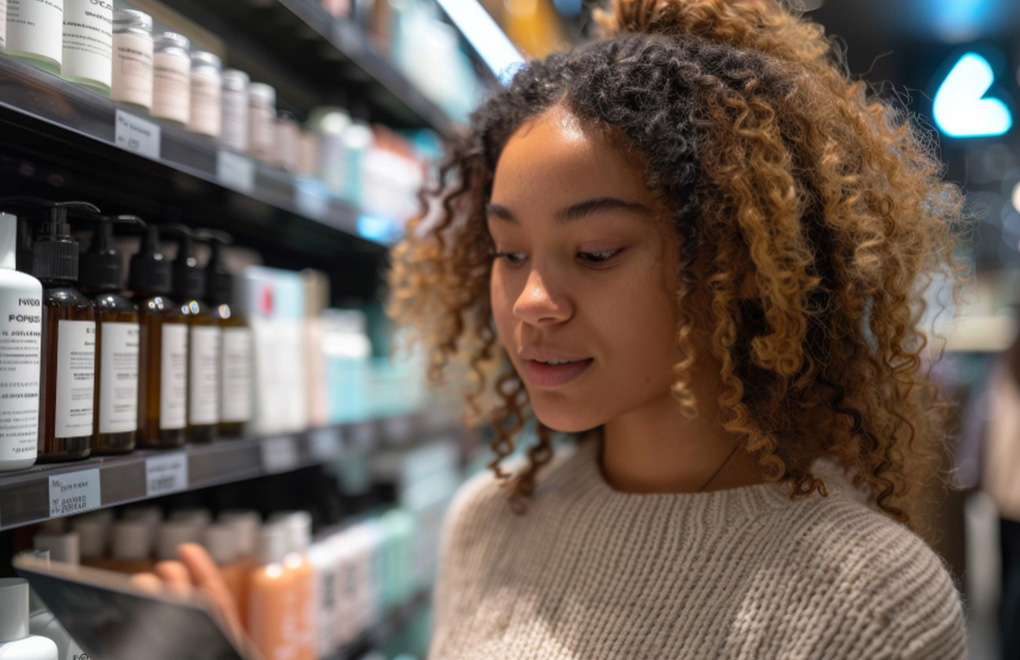
How to Increase Customer Lifetime Value for Hair Care Brands: Proven Strategies for Long-Term Growth
Hair care brands can increase customer lifetime value (LTV) by improving customer retention, building product ecosystems, offering subscriptions, personalizing customer experiences, creating loyalty programs, and...
DTC vs Amazon for Hair Care Brands: Which Sales Channel Is Right for Your Brand?
Should a hair care brand sell on Amazon or through its own DTC website?
Amazon is ideal for fast customer acquisition, product validation, and immediate access...