
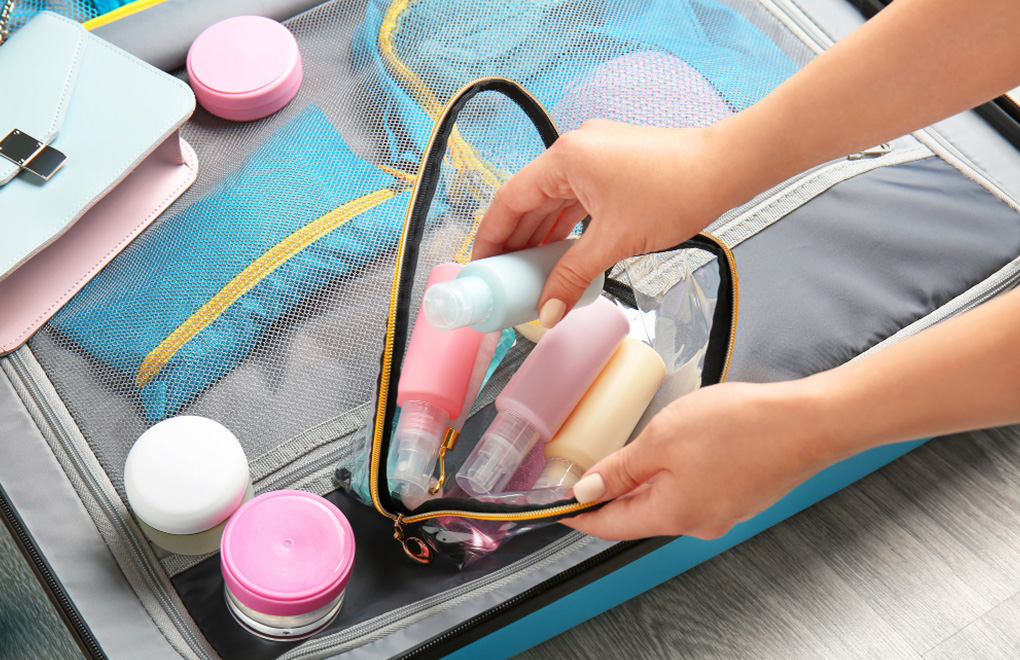
Travel-Size Hair Care Products: Packaging and Development Opportunities for Brands
Travel-size hair care products have become an attractive product development opportunity for brands targeting travelers, hotels, salons, retailers, and consumers who prefer convenient personal care formats. Smaller packaging allows customers to carry their favorite hair care products while maintaining familiar cleansing and conditioning routines.
From mini shampoo and conditioner bottles to travel-size hair masks, hair oils, and leave-in sprays, brands can develop compact product collections for different customer groups and distribution channels.
Developing travel-size hair care products requires more than reducing the size of a standard bottle. Brands need to consider product capacity, formula performance, packaging compatibility, dispensing convenience, transportation, and manufacturing costs. HODM supports these projects through custom hair care packaging solutions and custom formula development.
This guide explores travel-size hair care product opportunities, popular product categories, packaging formats, formulation considerations, customization options, MOQ, and OEM/ODM manufacturing requirements for private label brands.
1. Why Travel-Size Hair Care Products Are an Opportunity for Brands
Travel-size hair care products serve customers who want convenient, portable, and easy-to-use personal care products. They can also help brands introduce new formulas, create promotional collections, and develop additional product formats.
Travel and Tourism Market
Travelers often prefer compact shampoo, conditioner, and treatment products that fit conveniently into luggage or travel bags. This creates opportunities for brands targeting travel retailers, hotels, and personal care stores.
Hotel and Hospitality Products
Hotels, resorts, and hospitality suppliers may require compact hair care products for guest amenities, welcome kits, or selected retail offerings. These projects can involve coordinated shampoo, conditioner, and body care packaging.
Retail and Ecommerce Opportunities
Mini hair care products can serve as trial sizes, promotional products, gift sets, and introductory formats for ecommerce brands.
Salon and Professional Hair Care
Salons can offer travel-size versions of selected professional products to customers who want to maintain their hair care routines between appointments.
Product Sampling and Brand Introduction
Smaller formats can also help brands introduce new formulas without requiring customers to purchase a full-size product immediately. They may be used in promotional kits, product discovery sets, and launch campaigns.
2. Types of Travel-Size Hair Care Products to Develop
A travel-size collection can include several product categories. Brands should select formats according to their target customers, product functions, and packaging requirements.
Travel-Size Shampoo
Mini shampoo bottles are among the most recognizable travel hair care formats. They can be developed with different cleansing systems, fragrances, and formula positions, including moisturizing, clarifying, color protection, and sulfate-free options.
Travel-Size Conditioner
Mini conditioners complement travel-size shampoos and help customers maintain their regular conditioning routines. Formula viscosity and dispensing convenience are important when selecting small bottle openings and closures.
Mini Hair Masks
Compact hair mask jars and tubes can provide intensive conditioning in a smaller format. They are suitable for treatment-focused collections and premium travel kits.
Travel Hair Oils and Serums
Small hair oil and serum bottles offer convenient application and can be positioned as finishing products for smoothness, shine, and conditioning.
Travel-Size Leave-In Sprays
Mini leave-in sprays are convenient for detangling, heat protection, and lightweight conditioning. Their packaging should provide consistent spray distribution and secure closure performance.
Travel-Size Styling Products
Brands can also consider mini curl creams, styling creams, gels, and other products designed for customers who want to maintain their styling routines while traveling.
| Product Category | Common Format | Development Focus |
|---|---|---|
| Shampoo | Mini Bottle | Cleansing and dispensing |
| Conditioner | Mini Bottle or Tube | Conditioning and viscosity |
| Hair Mask | Mini Jar or Tube | Texture and product access |
| Hair Oil | Small Pump or Dropper Bottle | Controlled application |
| Leave-In Spray | Mini Spray Bottle | Spray performance |
| Styling Cream | Mini Tube or Jar | Texture and portability |
3. Travel-Size Hair Care Product Examples for Private Label Brands
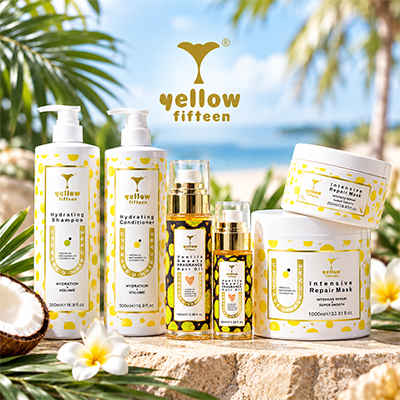
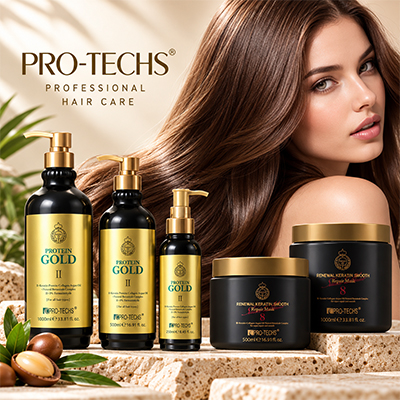
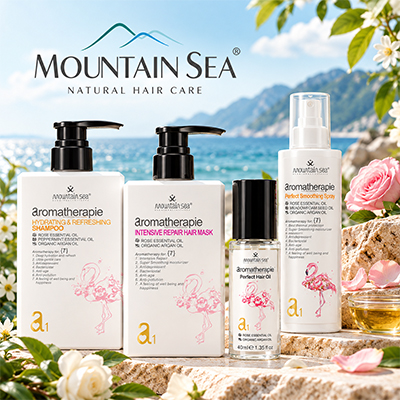
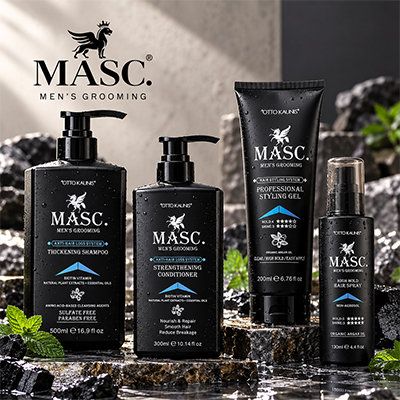
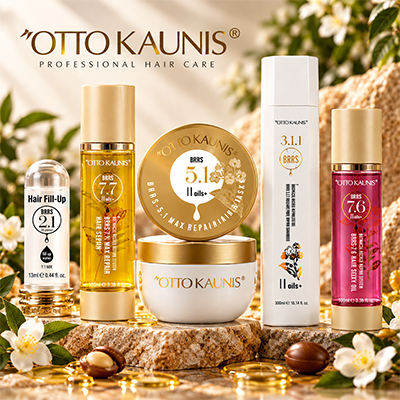
A coordinated travel-size collection can include different products with matching packaging styles and product positioning. The following examples illustrate four practical directions for private label development.

Mini Shampoo
A compact cleansing product for travel kits, hotel amenities, and personal care collections.
Development Focus: Gentle Cleansing, Formula Stability, Convenient Dispensing.
Discuss Packaging Options →
Mini Conditioner
A complementary travel-size conditioner designed for convenient conditioning and hair manageability.
Development Focus: Softness, Detangling, Suitable Viscosity.
Discuss Packaging Options →
Mini Hair Mask
A compact treatment format for customers seeking additional conditioning during travel.
Development Focus: Intensive Conditioning, Texture, Easy Application.
Discuss Packaging Options →
Travel Hair Oil and Serum
A compact finishing product for smoothness, shine, and convenient hair care application.
Development Focus: Lightweight Feel, Controlled Application, Leak Resistance.
Discuss Packaging Options →These product concepts can be developed individually or combined into a coordinated travel hair care kit. Brands should select the product formats according to customer needs, packaging availability, and commercial requirements.
4. Choosing the Right Sizes for Travel-Size Hair Care Products
Product capacity is an important decision when developing travel-size hair care products. The ideal size depends on usage frequency, trip duration, product category, target market, and applicable transportation requirements.
Small Trial and Promotional Sizes
Very small containers can be suitable for sample kits, promotional products, and product discovery programs. These formats help customers evaluate a formula before purchasing a larger size.
Short-Trip Sizes
Compact shampoo and conditioner bottles can be developed for weekend travel, short trips, and personal care kits.
Extended-Trip Sizes
Larger travel formats may suit longer trips or customers who prefer carrying their regular hair care products rather than purchasing products at their destination.
Example Travel-Size Capacity Planning
The following capacities are illustrative development options, not universal travel regulations or guaranteed packaging availability.
| Product | Example Capacity | Potential Application |
|---|---|---|
| Mini Shampoo | 30–100 ml | Travel and Trial Kits |
| Mini Conditioner | 30–100 ml | Travel and Trial Kits |
| Mini Hair Mask | 30–100 g | Travel Treatment |
| Hair Oil | 10–30 ml | Finishing Care |
| Leave-In Spray | 30–100 ml | Portable Conditioning |
| Styling Cream | 30–75 ml | Travel Styling |
Consider Transportation Regulations
Brands targeting air travelers should review the current liquid, aerosol, and container requirements of the relevant airlines, airports, and destination markets.
Do not assume that every product below a particular capacity is automatically accepted under every transportation arrangement. Requirements can vary by route, baggage type, product classification, and destination.
5. Packaging Options for Travel-Size Hair Care Products
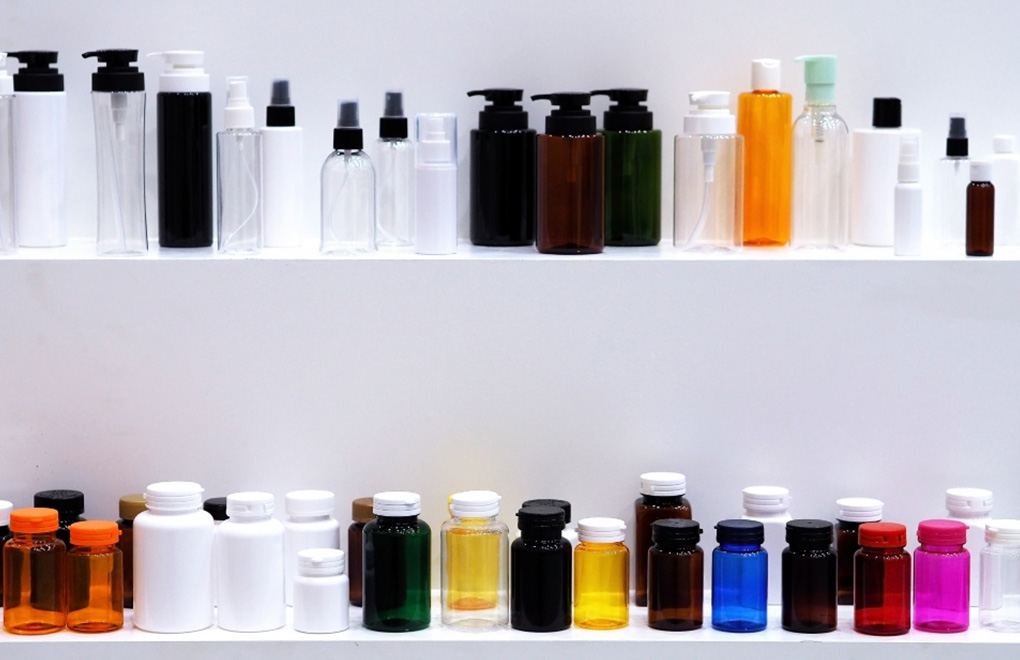
Travel-size packaging should be compact, convenient, secure, and suitable for the formula. Brands need to consider container material, closure design, dispensing performance, and transportation requirements.
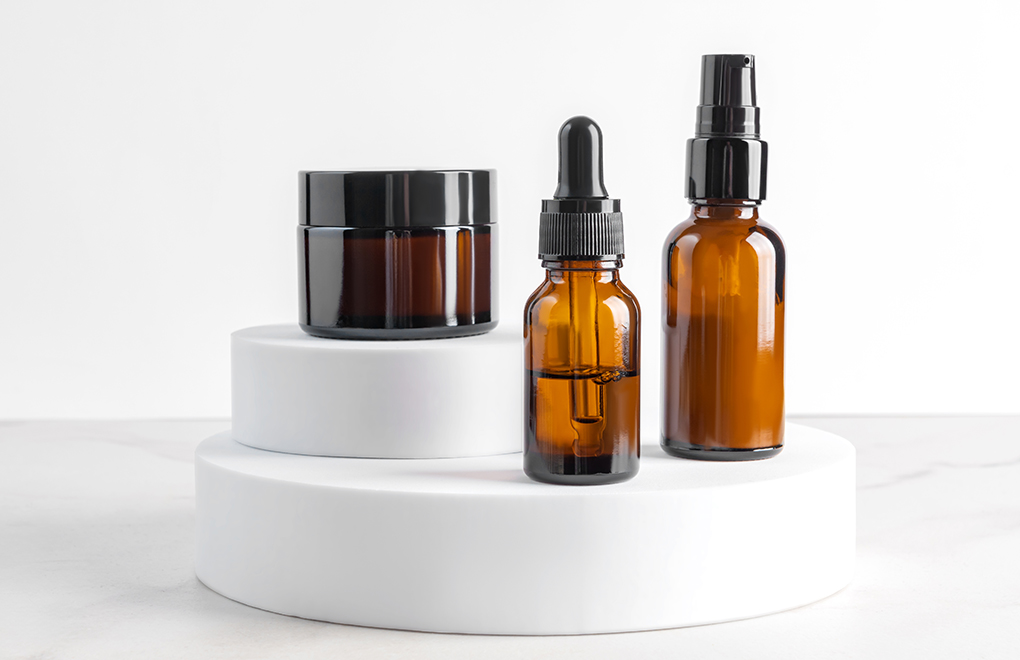
Mini Plastic Bottles
PET, HDPE, and other suitable plastic materials can be considered for mini shampoo and conditioner bottles. The material should be evaluated according to formula compatibility and packaging requirements.
Mini Tubes
Tubes are practical for thicker conditioners, hair masks, and styling creams. Their flexible structure allows controlled dispensing and convenient storage.
Small Jars
Mini jars can be considered for intensive hair masks and selected treatment products. Closure design and sealing performance should be evaluated carefully.
Travel Spray Bottles
Small spray bottles can be used for leave-in conditioners, detangling sprays, and selected styling treatments. The spray mechanism should match the formula viscosity and desired distribution.
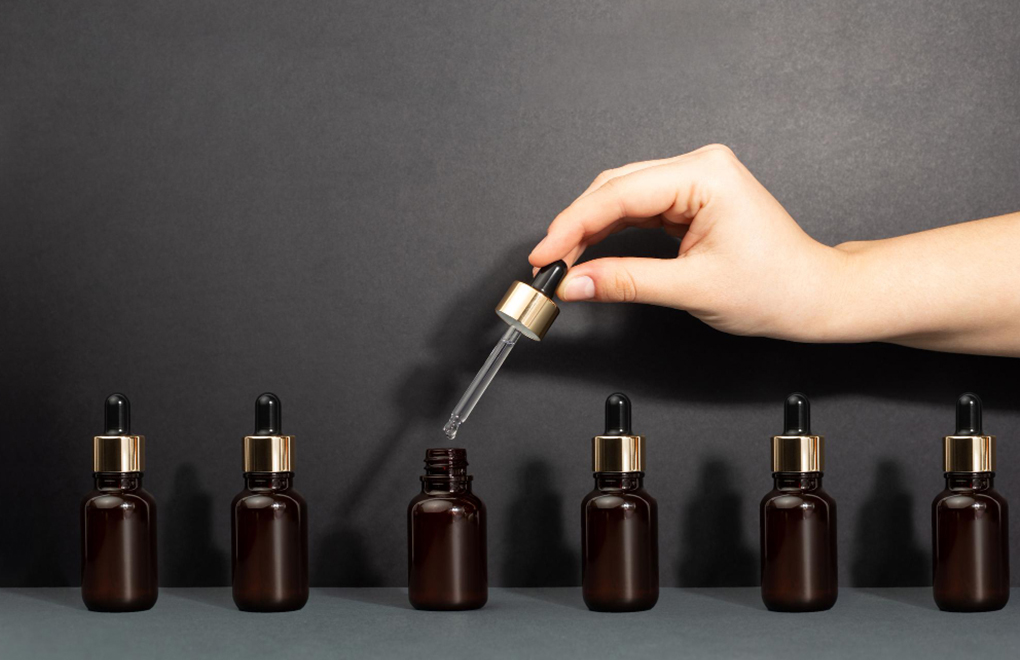
Dropper and Pump Bottles
Compact dropper and pump formats may be suitable for hair oils and serums that require controlled application.
Compare Different Packaging Formats
| Packaging Format | Suitable Products | Key Consideration |
|---|---|---|
| Mini Bottle | Shampoo and Conditioner | Closure and leakage |
| Mini Tube | Conditioner and Hair Mask | Dispensing and sealing |
| Mini Jar | Hair Mask and Treatments | Closure and product access |
| Mini Spray | Leave-In and Styling Sprays | Nozzle performance |
| Dropper Bottle | Hair Oil and Serum | Controlled application |
Explore HODM Custom Packaging Solutions to discuss suitable mini bottles, tubes, jars, closures, and packaging customization.
6. Formulation Considerations for Travel-Size Hair Care Products
Reducing the package size does not mean that the formula should be treated as a completely different product. However, travel-size formats may introduce additional considerations related to dispensing, storage, transportation, and consumer usage.
Maintain Formula Performance
A mini shampoo or conditioner should deliver the intended cleansing or conditioning experience at its selected size. Formula performance should remain consistent with the approved product specifications.
Consider Formula Viscosity
Thick conditioners and hair masks may require wider openings or suitable dispensing systems. Lightweight formulas may work with smaller openings or spray mechanisms.
Evaluate Formula Stability
The finished formula should be assessed under appropriate storage conditions using the intended travel packaging. Changes in temperature and transportation conditions may influence product performance and packaging behavior.
Check Preservative and Microbiological Requirements
Water-based products still require suitable preservation and microbiological quality controls regardless of package size.
Consider Product Usage Frequency
A travel-size product should provide a practical amount for its intended application. Brands should consider typical usage quantities and the expected duration of the travel kit.
Avoid Unnecessary Formula Changes
If an existing formula is suitable for a smaller package, it may not require reformulation. However, packaging compatibility, filling performance, and stability should still be evaluated before commercial approval.
7. Packaging Compatibility and Leakage Prevention
Small packaging formats must remain secure during storage, transportation, and normal use. Leakage can damage other travel items and reduce customer confidence.
Check Bottle and Closure Compatibility
Ensure that the container neck, cap, pump, liner, and other components fit correctly and meet the intended sealing requirements.
Evaluate Pump and Spray Performance
Mini dispensing components should work with the actual formula. Check spray distribution, pump output, repeated operation, and ease of use.
Test for Leakage
Filled packaging should undergo suitable leakage assessments using the intended closures and storage orientations.
Consider Transportation Conditions
Evaluate the package under relevant handling, vibration, temperature, and transportation conditions according to the distribution requirements.
Review Packaging Materials
Confirm that the selected material is suitable for the formula, especially when the product contains oils, fragrance components, or other ingredients that may interact with packaging materials.
For additional technical guidance, read Hair Care Packaging Compatibility: Matching Formulas with Bottles, Pumps, and Jars.
8. Developing Travel-Size Hair Care Kits and Product Sets
Travel-size products can be developed individually or combined into coordinated product sets. Bundled collections create additional opportunities for private label brands and hospitality suppliers.
Basic Travel Hair Care Kit
- Mini shampoo.
- Mini conditioner.
Complete Travel Hair Care Kit
- Mini shampoo.
- Mini conditioner.
- Mini hair mask.
- Travel hair oil or serum.
Salon Travel Maintenance Kit
- Professional shampoo.
- Conditioning treatment.
- Leave-in conditioner.
- Finishing serum.
Hotel and Hospitality Hair Care Set
- Guest shampoo.
- Guest conditioner.
- Optional treatment or styling product.
- Coordinated packaging and labeling.
Gift and Promotional Sets
Brands can also combine selected mini products into gift sets, seasonal collections, promotional kits, and product discovery bundles.
Keep Product Collections Consistent
Coordinated packaging colors, bottle shapes, labels, and fragrance directions can help establish a recognizable collection even when products use different container formats.
9. Target Markets for Travel-Size Hair Care Products
Travel-size hair care products can serve different commercial markets. Each target group may have different requirements for product capacity, packaging, customization, and purchasing quantities.
Travel Retail and Ecommerce Brands
Ecommerce brands can develop mini products for travel kits, product discovery collections, and customers who prefer compact personal care formats.
Hotels and Hospitality Suppliers
Hotels, resorts, and hospitality suppliers may require coordinated hair care products for guest amenities. Packaging and product specifications should reflect the intended hospitality application.
Professional Salons
Salon brands can offer travel-size versions of selected products to support customer maintenance routines between salon visits.
Beauty Distributors and Wholesalers
Distributors may be interested in compact hair care collections for travel retail, specialty stores, gift sets, and selected wholesale accounts.
Influencer and Promotional Brands
Mini products can also be used in promotional collections, launch kits, and brand collaborations.
10. MOQ and Cost Considerations for Travel-Size Hair Care Products
Travel-size products may use less formula per unit, but their total manufacturing cost does not always decrease proportionally with container capacity.
Packaging Component Costs
Small bottles, pumps, caps, labels, and individual cartons can represent a significant portion of the total unit cost.
Customized Packaging Costs
Custom bottle colors, printing, specialized closures, and decorative finishes may require additional investment and minimum purchasing quantities.
Filling and Assembly Costs
Smaller containers may require different filling and handling arrangements. The number of units, filling speed, packaging configuration, and production setup can influence the final cost.
Understand MOQ by Component
Brands should confirm whether MOQ applies separately to the formula, finished product, bottle, cap, label, and secondary packaging.
Calculate the Complete Product Cost
Consider the following cost components:
- Formula and raw materials.
- Mini bottles, tubes, jars, and closures.
- Labels and printing.
- Filling and assembly.
- Individual cartons or travel kit packaging.
- Quality control and applicable testing.
- Transportation and warehousing.
Balance Product Size and Commercial Value
A smaller package should provide a convenient customer experience while maintaining a commercially viable price. Brands should compare packaging costs, formula quantities, and expected retail or wholesale positioning before confirming the final design.
11. Customization Opportunities for Private Label Travel-Size Hair Care Products
Private label brands can customize travel-size hair care collections according to their brand identity, product categories, and target sales channels.
Custom Bottle Shapes and Capacities
Different bottle dimensions and shapes can help create a recognizable travel collection while maintaining convenient storage and dispensing.
Custom Colors and Finishes
Brands may consider coordinated bottle colors, transparent containers, matte finishes, glossy surfaces, and other available decoration options.
Custom Labels and Printing
Labels and printing can communicate product names, brand identity, ingredient information, and usage instructions.
Coordinated Travel Kit Packaging
Individual products can be combined into matching sets with customized cartons, sleeves, or other suitable secondary packaging.
Develop a Consistent Brand Identity
Even with smaller product formats, consistent typography, colors, and packaging details help customers recognize the brand across different product categories.
Explore HODM Custom Packaging Services to discuss available packaging options.
12. How to Develop and Manufacture Travel-Size Hair Care Products
Developing travel-size hair care products requires coordination between formula development, packaging selection, sample evaluation, and commercial production.
Step 1: Define the Product Collection
Select the product categories, target customers, product capacities, and intended sales channels.
Step 2: Confirm Formula Requirements
Decide whether existing formulas can be used or whether customized formulations are required for the project.
Step 3: Select Packaging
Confirm bottle sizes, materials, closures, dispensing systems, labels, and secondary packaging.
Step 4: Evaluate Samples
Test formula performance, packaging compatibility, dispensing, leakage, and overall product presentation.
Step 5: Confirm Product Specifications
Record the approved formula, capacity, packaging components, artwork, and relevant quality requirements.
Step 6: Confirm MOQ and Production Costs
Review quantities and costs for every SKU and packaging component before confirming the commercial order.
Step 7: Complete Commercial Production
Coordinate raw material preparation, filling, packaging, quality inspections, and production documentation.
Step 8: Prepare Products for Shipment
Confirm finished product quantities, cartons, shipping arrangements, and relevant documentation before dispatch.
For more details about evaluating products before production, read Hair Care Product Sample Evaluation: What Brands Should Check Before Approval.
13. Choosing a Travel-Size Hair Care Product Manufacturer
Selecting the right manufacturer is important when developing mini hair care collections. Brands should evaluate both formula capabilities and the manufacturer's ability to coordinate smaller packaging formats.
Review Formula Development Capabilities
Ask about shampoo, conditioner, hair mask, leave-in, and styling formula options suitable for the intended product collection.
Evaluate Packaging Options
Review the available mini bottles, tubes, jars, pumps, caps, spray mechanisms, and customization options.
Check Filling and Packaging Capabilities
Confirm whether the manufacturer can support the required container sizes, filling quantities, and packaging configurations.
Understand MOQ and Production Costs
Request a quotation that identifies formula costs, packaging costs, customization requirements, and minimum quantities for individual SKUs.
Review Quality Management
Ask about formula stability, packaging compatibility, leakage evaluation, incoming material inspection, finished product checks, and batch documentation.
Confirm Project Coordination
A suitable manufacturing partner should help coordinate formula approvals, packaging selection, production planning, and delivery requirements.
Explore HODM OEM/ODM Hair Care Manufacturing to learn more about manufacturing support.
14. Common Mistakes When Developing Travel-Size Hair Care Products
Choosing Packaging Before Confirming the Formula
Packaging should be evaluated according to formula viscosity, material compatibility, and dispensing requirements. Selecting a container based only on appearance can create avoidable problems.
Assuming Smaller Packaging Always Costs Less
Smaller containers may use less formula but can involve additional packaging, filling, and assembly costs. Calculate the total cost per finished unit.
Ignoring Leakage Risks
Travel products are frequently carried in luggage and personal bags. Closures, pumps, seals, and container integrity should be evaluated carefully.
Using Packaging That Is Difficult to Dispense
Small openings and unsuitable pumps can make thicker products difficult to use. Match the dispensing system to the formula.
Developing Too Many SKUs at Launch
Too many product formats and packaging configurations can increase MOQ requirements and inventory complexity. Start with a focused collection.
Ignoring Target Market Requirements
Packaging, labeling, ingredient information, and transportation requirements should be reviewed according to the intended destination market and distribution channel.
Frequently Asked Questions
What are travel-size hair care products?
Travel-size hair care products are compact versions of regular hair care products, including shampoos, conditioners, hair masks, oils, and leave-in treatments. They are designed for portability, travel, trial kits, hospitality, and promotional use.
What size is suitable for travel-size shampoo and conditioner?
Brands may consider capacities such as 30 ml, 50 ml, 75 ml, or 100 ml depending on the intended use. The final size should reflect trip duration, usage quantity, target market, and applicable transportation requirements.
What products should be included in a travel hair care kit?
A basic kit may include shampoo and conditioner. More complete collections can add a hair mask, hair oil, serum, leave-in conditioner, or styling product.
What packaging is suitable for travel-size hair care products?
Mini plastic bottles, tubes, jars, spray bottles, and dropper containers can be considered depending on the formula and application method. Packaging should be evaluated for compatibility, dispensing, and leakage resistance.
Can existing hair care formulas be used in travel-size bottles?
In many cases, existing formulas can be used in smaller packaging. However, brands should confirm filling suitability, packaging compatibility, dispensing performance, and stability in the selected container before production.
Do travel-size hair care products have a separate MOQ?
MOQ depends on the formula, container, packaging supplier, customization method, and manufacturing arrangement. Packaging components may have separate minimum quantities from finished product orders.
Are travel-size hair care products suitable for hotel brands?
Yes. Hotels, resorts, and hospitality suppliers may develop compact shampoo, conditioner, and other hair care products for guest amenities and selected retail offerings. Packaging and product requirements should match the intended hospitality application.
How can brands prevent leakage in travel-size products?
Evaluate the container, cap, pump, liner, and sealing system with the actual formula. Appropriate leakage and transportation assessments should be completed before commercial approval.
Can HODM customize travel-size hair care products?
HODM can discuss mini product formats, formula requirements, packaging customization, and OEM/ODM manufacturing arrangements according to the project. Specific packaging availability, MOQ, and production requirements should be confirmed with the team.
Explore HODM Custom Packaging Services.
Conclusion: Develop Travel-Size Hair Care Products for New Market Opportunities
Travel-size hair care products offer opportunities for private label brands targeting travelers, hotels, salons, retailers, and consumers who prefer compact personal care formats.
Mini shampoos, conditioners, hair masks, hair oils, and leave-in treatments can be developed individually or combined into coordinated travel collections.
Successful product development requires careful decisions about product capacity, formula performance, packaging materials, dispensing systems, leakage prevention, MOQ, and production costs.
By combining suitable formulations with practical packaging and a clear target market, brands can create travel-size hair care collections that support different customer needs and commercial opportunities.
Develop Your Own Travel-Size Hair Care Collection with HODM
HODM Cosmetics supports private label brands, hospitality suppliers, salons, and distributors with custom hair care formulas, mini packaging options, sample evaluation, and OEM/ODM manufacturing.
From mini shampoo and conditioner bottles to travel-size hair masks, oils, and leave-in treatments, our team can discuss suitable product formats and packaging requirements for your collection.
Share your product categories, preferred capacities, target customers, and packaging ideas to explore suitable manufacturing options.
Discuss Your Travel-Size Hair Care Project