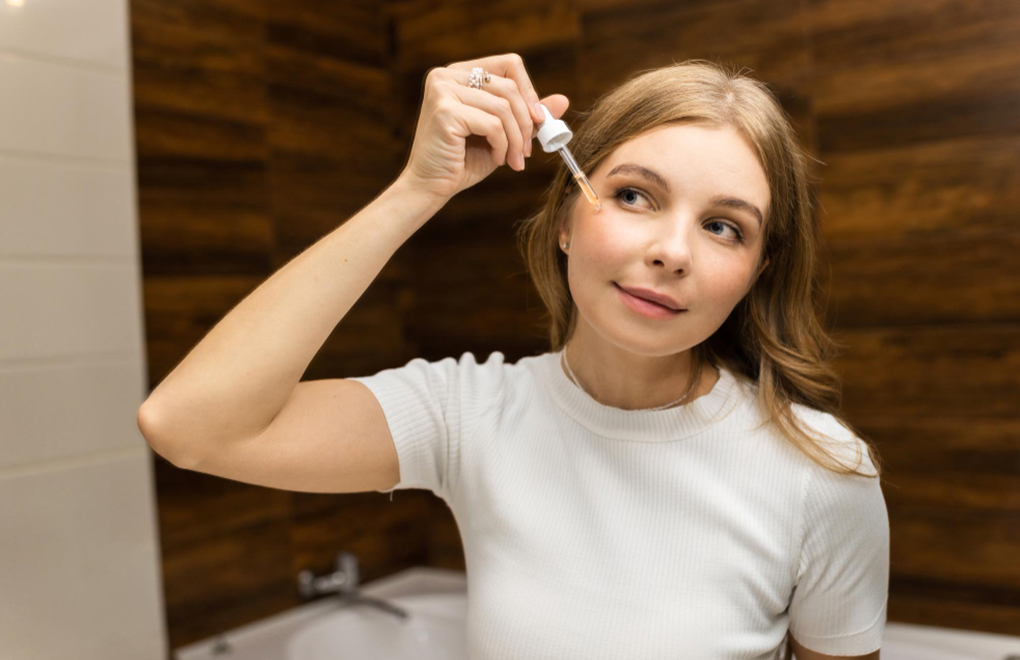
Best Hair Growth Products to Sell: Opportunities for Brands
Hair growth and scalp care have become important product development areas within the hair care industry. Consumers are increasingly interested in products designed for scalp cleansing, conditioning, hair maintenance, and specialized hair care routines. For brands, this creates opportunities to develop targeted product collections beyond traditional shampoo and conditioner offerings.
Hair growth-related products come in several formats, including biotin shampoos, conditioners, scalp serums, botanical hair oils, and leave-in treatments. Each category offers different formulation possibilities, application methods, packaging options, and market positioning opportunities.
Brands planning to enter this category can explore HODM's Hair Growth Products solutions and Hair Growth Serum Manufacturing services to understand available product development directions.
This guide explores the best hair growth products to sell, market opportunities, product categories, ingredient considerations, formulation options, and private label manufacturing strategies for brands developing specialized hair and scalp care collections.
1. Understanding Hair Growth Product Market Opportunities
Hair growth is a broad consumer interest that covers several different hair and scalp care needs. Some customers are concerned about the appearance of thinning hair, while others focus on scalp condition, hair breakage, dryness, or maintaining fuller-looking hair.
These different concerns create opportunities for brands to develop specialized products with clearly defined cosmetic purposes and target audiences.
Key Customer Needs
- Scalp Care: Products focused on scalp cleansing, hydration, and maintaining a comfortable scalp environment.
- Hair Appearance: Products positioned around the appearance of fuller, healthier-looking hair.
- Hair Breakage: Conditioning products designed to improve manageability and reduce grooming-related breakage.
- Dry Scalp: Products developed around hydration and scalp conditioning.
- Daily Hair Maintenance: Convenient products that fit into regular hair and scalp care routines.
Why Product Positioning Matters
A brand targeting consumers interested in scalp hydration may need a different product collection from one focused on hair conditioning and breakage reduction.
Defining the customer and intended cosmetic benefit helps guide formula selection, packaging, product instructions, and marketing communication.
Opportunities for Specialized Product Lines
Instead of developing a single generic hair growth product, brands can consider building coordinated collections around biotin shampoos, conditioners, scalp serums, and botanical oils.
For a broader overview, explore Hair Care Products for Hair Growth: Developing a Complete Product Line.
2. Different Types of Hair Growth Products to Sell
Hair growth-related product lines can include several formats. The best category depends on the target audience, intended cosmetic purpose, formula requirements, and available manufacturing capabilities.
Biotin Shampoos
Biotin shampoos are a recognizable product direction for brands developing specialized hair and scalp care collections. They combine a cleansing base with selected ingredients and can be positioned around scalp cleansing and hair maintenance.
Biotin Conditioners
Conditioners complement shampoo products by supporting softness, manageability, and conditioning. They can help brands develop a coordinated product system rather than selling individual products without a consistent routine.
Hair Growth Serums
Scalp serums are leave-on products designed for direct scalp application. They offer opportunities for different textures, ingredient systems, and targeted application formats.
Hair Growth Oils
Botanical hair oils can be developed for scalp massage, conditioning, and selected pre-wash or finishing routines. Oil blends also provide opportunities for distinctive ingredient positioning.
Scalp Tonics and Leave-In Treatments
Scalp tonics and leave-in treatments offer convenient application formats for specialized scalp care routines. Their formulas can be developed around hydration, conditioning, and other suitable cosmetic purposes.
| Product Category | Primary Product Role | Common Packaging |
|---|---|---|
| Biotin Shampoo | Scalp cleansing and hair maintenance | Pump bottles |
| Biotin Conditioner | Conditioning and manageability | Pump bottles |
| Hair Growth Serum | Targeted leave-on scalp care | Dropper and pump bottles |
| Hair Growth Oil | Botanical conditioning and scalp massage | Dropper bottles |
| Scalp Tonic | Leave-on scalp conditioning | Spray and nozzle bottles |
3. Hair Growth Product Samples for Private Label Brands
HODM offers a range of hair growth and scalp care product samples for brands to evaluate before making manufacturing decisions. From biotin shampoos and conditioners to scalp serums and botanical hair oils, customers can explore different formulas, textures, fragrances, and product characteristics before selecting the right products for their collections.

Hair Growth Biotin Shampoo
A botanical cleansing formula featuring biotin, rosemary, peppermint, and tea tree oil.
Key Ingredients: Biotin, Rosemary Oil, Ginger Extract.

Hair Growth Biotin Conditioner
A lightweight conditioning formula designed for softness and everyday hair maintenance.
Key Ingredients: Biotin, Rosemary Oil, Pumpkin Seed Oil.

Hair Growth Serum
A targeted leave-in serum concept featuring botanical extracts and essential oils.
Key Ingredients: Biotin, Rosemary Oil, Peppermint Oil.

Hair Growth Oil
A botanical oil blend designed for scalp massage and conditioning routines.
Key Ingredients: Castor Oil, Argan Oil, Rosemary Oil.
Interested in these products? Contact HODM to request samples and evaluate suitable formulas for your brand.
4. Hair Growth Serums: A Specialized Product Opportunity
Hair growth serums are a specialized product format for brands interested in targeted scalp care. Their leave-on application allows formulators to explore different textures, ingredient combinations, and dispensing methods.
Types of Scalp Serum Concepts
- Lightweight Scalp Serum: Designed for convenient application and a lightweight sensory experience.
- Hydrating Scalp Serum: Focused on scalp conditioning and moisture-related product characteristics.
- Botanical Scalp Serum: Uses selected botanical ingredients as part of its product positioning.
- Daily Scalp Treatment: Developed for convenient leave-on scalp care routines.
- Premium Scalp Serum: May emphasize refined textures, specialized packaging, and distinctive sensory characteristics.
What Brands Should Consider
Serum formulation requires attention to viscosity, spreadability, application feel, fragrance, residue, packaging compatibility, and preservation.
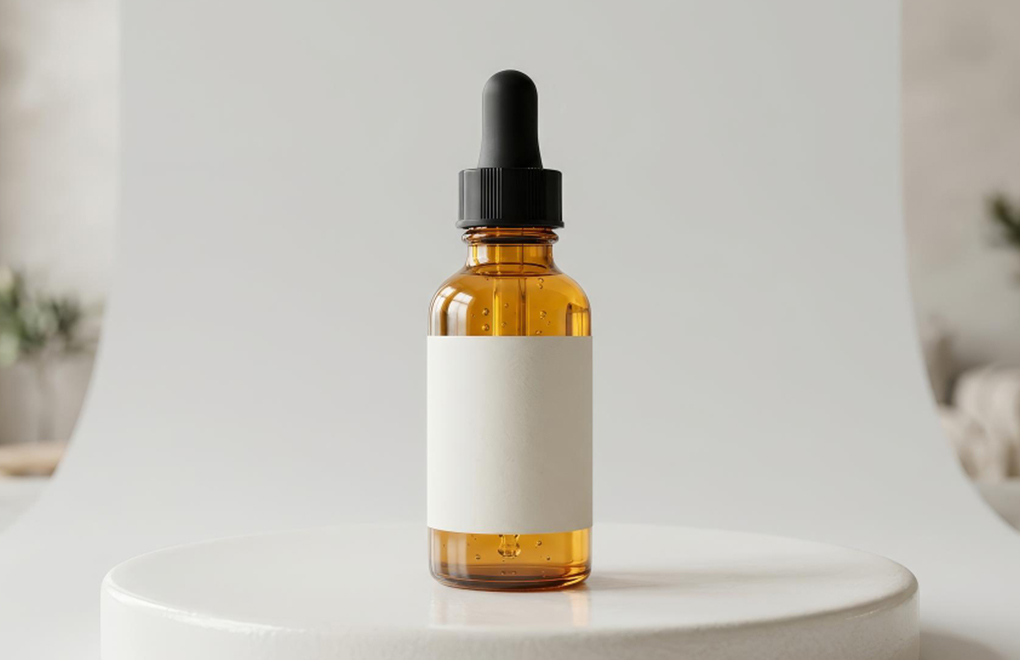
Dropper bottles may suit selected oil-based or viscous serums, while pump bottles and precision applicators may be more convenient for other formulations.
Explore Hair Growth Serum Manufacturing for more detailed development considerations.
You can also read Why Hair Growth Serums Are Becoming a Personal Care Product Line.
5. Biotin Shampoos and Conditioners for Coordinated Hair Care
Shampoo and conditioner are natural complementary products for brands developing a coordinated hair and scalp care collection.
Develop a Matching Shampoo and Conditioner
A matching shampoo and conditioner can provide a consistent product identity across cleansing and conditioning routines. Brands can coordinate fragrance, packaging, product naming, and selected ingredient positioning.
Shampoo Formulation Considerations
The cleansing system should be appropriate for the intended frequency of use and target customer. Surfactants, conditioning polymers, humectants, preservatives, and pH adjustments need to be evaluated as part of the complete formula.
Conditioner Formulation Considerations
Conditioner development may involve emollients, conditioning agents, fatty alcohols, selected oils, and other functional ingredients. The formula should provide a suitable balance of softness, manageability, texture, and rinsability.
For further formulation information, explore:
6. Hair Growth Oils: Botanical and Conditioning Opportunities
Hair oils are another product format worth considering when developing a specialized hair and scalp care collection. Depending on their composition and intended application, these products may be positioned for scalp massage, pre-wash care, conditioning, or finishing routines.
Common Oil-Based Product Directions
- Botanical scalp oils.
- Lightweight hair oils.
- Pre-wash conditioning oils.
- Argan oil-based hair care products.
- Multi-oil conditioning blends.
Ingredients and Formula Design
Depending on the product concept, formulators may consider castor oil, argan oil, jojoba oil, rosemary oil, and other suitable emollients.
These ingredients have different characteristics. Their selection should account for spreading properties, viscosity, oxidation stability, sensory feel, and compatibility with the intended packaging.
Packaging Options
Dropper bottles and precision scalp applicators can support different oil application methods. Brands should consider dispensing control, leakage resistance, and packaging compatibility.
Explore Why Hair Growth Oils Are in High Demand Across Global Beauty Markets.
For additional product development considerations, read Creating a Clean, Vegan, and Sulfate-Free Hair Growth Oil Line.
7. Key Ingredients to Consider in Hair Growth Product Development
Ingredient selection is an important part of developing hair growth and scalp care products. Different product formats require different ingredient systems, and not every ingredient is suitable for every formulation.
Biotin and Vitamins
Biotin, also known as vitamin B7, is a recognizable ingredient in hair care product positioning. Vitamins E and other selected vitamins may also be considered depending on the formula and product concept.
Ingredient inclusion should not be presented as proof that a topical cosmetic product stimulates new hair growth. Claims must be supported by appropriate evidence.
Botanical Ingredients
- Rosemary Oil: Used in selected botanical hair and scalp care formulations.
- Peppermint Oil: Considered in formulas with a refreshing sensory profile.
- Tea Tree Oil: Used in selected scalp-care formulations.
- Ginger Extract: A botanical ingredient considered in selected personal care products.
- Castor Oil: An emollient used in selected oil-based hair care formulas.
- Argan Oil: Used for conditioning and botanical product positioning.
- Pumpkin Seed Oil: An oil ingredient used in selected conditioning formulas.
Conditioning and Moisturizing Ingredients
- Panthenol: A conditioning ingredient used in hair care products.
- Glycerin: A humectant used in water-based formulas.
- Hydrolyzed Proteins: Used in selected products for conditioning and film-forming functions.
- Jojoba Oil: An emollient used in selected oil-based and conditioning formulas.
Ingredient Selection Should Match Product Type
| Ingredient Direction | Potential Product Format | Formulation Consideration |
|---|---|---|
| Biotin | Shampoo and Conditioner | Formula compatibility and stability |
| Botanical Extracts | Scalp Serums and Tonics | Solubility and stability |
| Humectants | Water-Based Scalp Products | Texture and preservation |
| Plant Oils | Hair Oils and Scalp Oils | Oxidation and sensory properties |
| Conditioning Polymers | Shampoos and Conditioners | Compatibility and deposition |
For a more detailed ingredient discussion, read Best Ingredients for Hair Growth Products: What Brands Should Know.
8. How to Build a Complete Hair Growth Product Line
A specialized hair and scalp care brand can develop a coordinated collection rather than launching unrelated products. This helps establish a consistent product identity and gives customers a more organized routine.
Example 1: Biotin Hair Care Collection
- Hair Growth Biotin Shampoo.
- Hair Growth Biotin Conditioner.
- Complementary leave-in conditioning product.
Example 2: Botanical Scalp Care Collection
- Botanical scalp cleanser.
- Hair Growth Serum.
- Hair Growth Oil.
Example 3: Premium Scalp Treatment Collection
- Specialized scalp shampoo.
- Targeted scalp serum.
- Conditioning scalp treatment.
- Complementary home-care product.
Example 4: Daily Hair Maintenance Collection
- Daily cleansing shampoo.
- Matching conditioner.
- Hair oil.
- Leave-in conditioning product.
These are illustrative product systems. Each collection should be developed around a clear customer need, formula compatibility, appropriate product instructions, and realistic manufacturing requirements.
For more information, explore Hair Growth Serums as a Personal Care Product Line.
9. Custom Formulation for Hair Growth and Scalp Care Products
Custom formulation allows brands to develop products according to specific ingredient preferences, textures, application methods, and intended cosmetic positioning.
Prepare a Product Development Brief
- Product category and intended application.
- Target customer and scalp or hair care needs.
- Preferred ingredients and ingredient restrictions.
- Desired texture, viscosity, and fragrance.
- Packaging and dispensing requirements.
- Target product cost and order quantity.
- Intended cosmetic claims and destination markets.
Develop and Evaluate Samples
The R&D team evaluates suitable ingredients and develops samples based on the product brief. Brands can assess texture, application, spreadability, fragrance, residue, and overall sensory experience.
Refine the Formula
Adjustments may be required to improve viscosity, application, fragrance, stability, or other characteristics. Formula changes should be reviewed for compatibility and testing requirements.
Learn more about Custom Hair Growth Products: Ingredients and Actives.
10. Testing, Safety, and Regulatory Considerations
Hair growth-related products require careful attention to product classification, intended use, ingredient safety, and marketing claims.
Formula Stability
Stability assessments help evaluate changes in appearance, odor, color, viscosity, pH, and other relevant characteristics during storage.
Microbiological Quality
Water-based scalp serums, tonics, and shampoos generally require suitable microbiological quality controls and an appropriate preservation system.
Packaging Compatibility
Dropper bottles, pumps, spray bottles, and precision applicators should be assessed with the actual formula. Check dispensing performance, leakage, material compatibility, and product protection.
Understand Cosmetic vs. Drug Claims
This distinction is particularly important for hair growth products.
Cosmetic products may be positioned around cleansing, conditioning, scalp hydration, hair appearance, and reducing grooming-related breakage. Claims to treat hair loss, stimulate new hair growth, or treat medical scalp conditions may cause a product to be regulated as a drug or otherwise require additional regulatory review.
For brands targeting the United States, review applicable FDA requirements and obtain qualified regulatory guidance before finalizing formulas, labeling, and marketing claims.
11. Packaging Options for Hair Growth Products
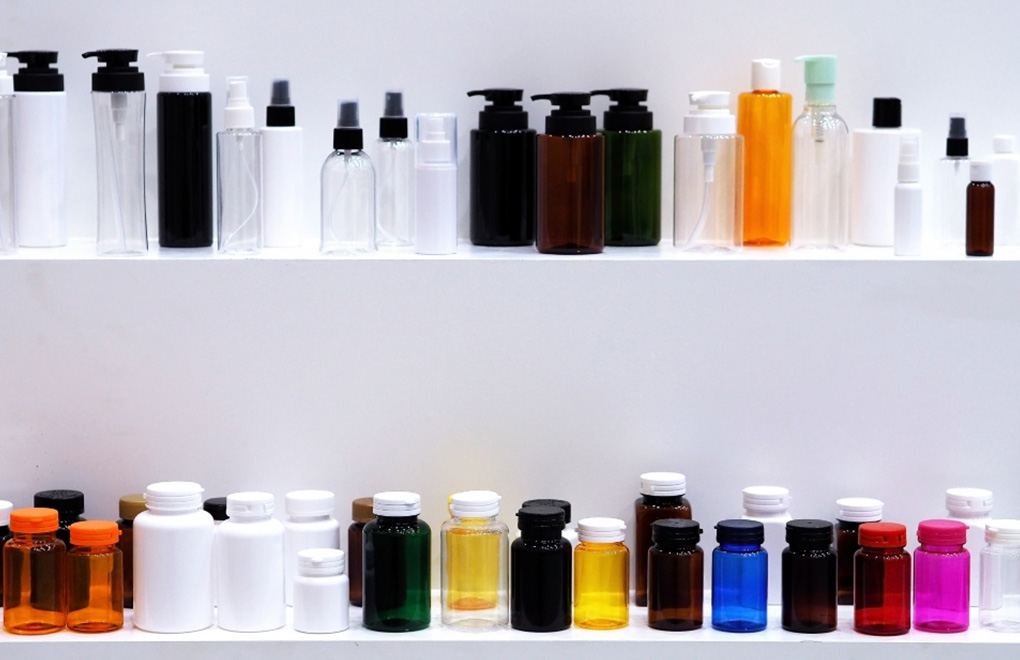
Packaging influences product application, formula protection, visual positioning, and customer convenience. Different product formats require different dispensing solutions.
| Product | Common Packaging | Important Consideration |
|---|---|---|
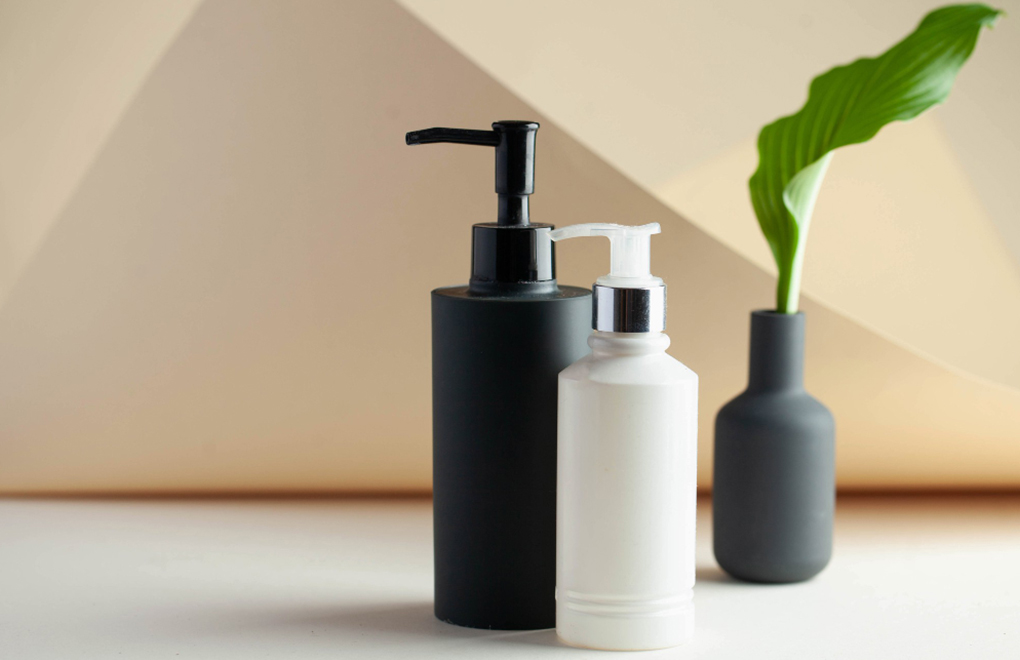
| Biotin Shampoo | Pump bottles | Dispensing and formula compatibility |
| Biotin Conditioner | Pump bottles | Viscosity and dispensing |
| Scalp Serum | Dropper and pump bottles | Precise application |
| Hair Growth Oil | Dropper bottles | Leakage and dispensing |
| Scalp Tonic | Spray and nozzle bottles | Controlled distribution |
Build a Consistent Product Identity
A coordinated collection can use consistent bottle colors, labels, typography, and packaging finishes while differentiating individual products through their names and application formats.
Explore HODM Custom Packaging Options for additional branding and packaging possibilities.
12. Private Label and OEM/ODM Hair Growth Product Manufacturing
Brands developing hair growth and scalp care collections can consider private label manufacturing or custom formulation, depending on their product requirements.
Private Label Hair Growth Products
Private label manufacturing allows brands to select from available formulas and customize permitted branding, packaging, and selected product characteristics.
This approach may suit businesses that want to develop a specialized product line without creating every formula from the beginning.
Custom Hair Growth Product Development
Custom formulation may be more appropriate when a brand has specific requirements for ingredients, texture, application, fragrance, or formula characteristics.
What to Evaluate When Selecting a Manufacturer
- Experience with biotin shampoos, conditioners, scalp serums, and oils.
- R&D capabilities and ingredient compatibility knowledge.
- Formula development and sample evaluation.
- Stability and microbiological testing arrangements.
- Packaging options and component availability.
- MOQ and production capacity.
- Quality control and product documentation.
Explore Hair Growth Serum Manufacturing and OEM Hair Care Manufacturing for additional information.
13. How to Build a Hair Growth Product Brand
Developing a product is only one part of building a successful business. Brands also need a clear customer strategy, competitive positioning, pricing model, and distribution plan.
Step 1: Choose a Specific Customer Segment
Decide whether your brand will focus on scalp care, biotin hair care, botanical oils, premium serums, or everyday hair maintenance.
Step 2: Select a Focused Product Collection
Begin with a small number of complementary products rather than developing an extensive assortment immediately.
Step 3: Research Competitors and Pricing
Compare product formats, ingredient positioning, packaging, retail pricing, customer feedback, and distribution channels.
Step 4: Work with a Suitable Manufacturer
Discuss formula options, samples, MOQ, packaging, testing, and production schedules before committing to a commercial order.
Step 5: Build Your Sales Channels
Consider ecommerce, professional salons, beauty distributors, and selected retail partnerships according to your target market.
Step 6: Monitor Customer Feedback
Track customer reviews, sales performance, product usage feedback, returns, and repeat purchases. Use this information to improve the product collection.
If you are building a new beauty business, read How to Start a Hair Care Brand: Step-by-Step Guide for Beginners.
14. Common Mistakes When Developing Hair Growth Products
Making Unsupported Hair Growth Claims
Claims such as stimulating new hair growth or treating hair loss may trigger additional regulatory requirements. Brands should establish the product's classification and permitted claims before development.
Choosing Ingredients Only for Marketing Appeal
Ingredient popularity does not guarantee formula performance. Each component must be suitable for the product format and compatible with the complete formula.
Developing Too Many Products at Once
A large initial collection can increase formula development, packaging, inventory, and marketing costs. Start with a focused range and expand based on customer demand.
Ignoring Application Experience
Scalp products need appropriate dispensing and application methods. Poor application experience can affect customer satisfaction even when the formula itself is suitable.
Underestimating Testing Requirements
Stability, preservation, packaging compatibility, and product safety should be considered before commercial production.
Choosing a Manufacturer Based Only on Price
Consider formulation expertise, quality systems, testing, communication, and production support rather than comparing manufacturing quotations alone.
Frequently Asked Questions
What are the best hair growth products to sell?
Potential product categories include biotin shampoos, conditioners, scalp serums, hair oils, scalp tonics, and leave-in treatments. The best choice depends on your target audience, intended cosmetic positioning, formula requirements, and market opportunity.
Are hair growth serums a good product category for new brands?
Scalp serums offer opportunities for specialized product positioning, different textures, ingredient systems, and targeted application formats. Brands should carefully define their cosmetic purpose and review applicable product claims and regulatory requirements.
What ingredients are commonly used in hair growth products?
Depending on the formula, brands may consider biotin, botanical extracts, panthenol, glycerin, selected plant oils, conditioning ingredients, and other functional components. Ingredient selection should be based on safety, compatibility, evidence, and intended product use.
What is the difference between scalp serum and hair oil?
Scalp serums are often developed as lightweight leave-on products and may use water-based or other specialized systems. Hair oils are generally oil-based products designed for selected conditioning, scalp massage, or finishing applications.
Can I develop private label hair growth products?
Yes. Depending on available manufacturing capabilities, brands may develop private label biotin shampoos, conditioners, scalp serums, oils, and leave-in products using existing or customized formulas.
Can a manufacturer develop a custom scalp serum?
Custom scalp serum development may involve ingredient selection, texture development, fragrance, preservation, packaging compatibility, sample evaluation, and appropriate testing. Requirements depend on the product brief.
What is the MOQ for hair growth products?
MOQ varies by product format, formula, packaging, customization, and manufacturer. Ask whether separate minimum quantities apply to formulas, bottles, applicators, and other packaging components.
Can hair growth products be sold in the United States?
Hair and scalp care products can be marketed in the United States subject to applicable requirements. Product classification depends on ingredients, intended use, and claims. Products making drug-related claims may be subject to additional FDA requirements.
Conclusion: Build a Specialized Hair Growth Product Line
Hair growth and scalp care offer several product development opportunities for brands looking to expand beyond traditional hair care collections. Biotin shampoos, conditioners, scalp serums, botanical oils, and leave-in treatments can serve different customer needs and application routines.
The most important step is to define a clear product concept, select appropriate ingredients, evaluate formula performance, and understand the regulatory requirements of your target market.
Rather than launching a large assortment immediately, focus on a small collection with a clear cosmetic purpose, suitable packaging, and realistic manufacturing requirements.
With a structured product development strategy and an experienced manufacturing partner, brands can turn specialized scalp and hair care concepts into coordinated product collections.
Develop Your Own Hair Growth and Scalp Care Product Line with HODM
HODM Cosmetics supports brands developing specialized hair and scalp care products through OEM/ODM and private label manufacturing.
From biotin shampoos and conditioners to scalp serums and botanical hair oils, our team can discuss formula options, ingredient requirements, packaging, sampling, and production planning.
Whether you are launching a new scalp care brand or expanding an existing hair care collection, we can help you explore suitable manufacturing options.
Discuss Your Hair Growth Product Project