
Hair Care Products for Hair Growth: How Brands Develop a Complete Product Line
How Do Brands Develop Hair Growth Product Lines?
Brands develop hair growth product lines by identifying target consumers, choosing the right product categories, selecting suitable ingredients, creating complementary products, developing formulas, testing performance and safety, designing packaging, and building a complete marketing strategy. Successful hair growth brands usually combine scalp care, serums, shampoos, conditioners, and treatment products into a system rather than relying on a single product.
For private label brands, salon companies, ecommerce businesses, and beauty entrepreneurs, hair growth products represent one of the highest-interest categories in the global hair care market.
Hair growth products have become one of the most attractive opportunities in the global hair care market.
Consumers are increasingly searching for targeted solutions related to:
- Hair thinning concerns
- Fuller-looking hair
- Scalp health
- Weak hair
- Hair strength
- Preventive hair care routines
For brands, this category offers strong opportunities because consumers are often highly motivated and willing to invest in specialized products.
However, successful hair growth brands rarely rely on one product alone.
The strongest brands create complete systems combining:
- Scalp care
- Hair growth serums
- Strengthening shampoos
- Conditioners
- Treatment products
This guide explains how brands develop, formulate, manufacture, and launch complete hair growth product lines.
Why Hair Growth Products Are a High-Potential Category
Hair growth is one of the most searched and commercially valuable areas in hair care.
Key Market Drivers
Consumers are increasingly focused on:
- Scalp wellness
- Preventive beauty routines
- Aging-related hair concerns
- Hair density appearance
- Personalized solutions
Why Brands Enter This Category
| Advantage | Opportunity |
|---|---|
| Strong consumer demand | Higher purchase intent |
| Treatment positioning | Premium pricing |
| Routine-based usage | Repeat purchases |
| Multiple product formats | Product expansion |
Unlike general hair care products, hair growth products are purchased because consumers have a specific concern they want to address.
Understanding Consumer Needs Behind Hair Growth Products
Before developing products, brands need to understand customer expectations.
Common consumer concerns include:
- Hair appears thinner
- Reduced volume
- Weak-looking strands
- Hair breakage
- Unhealthy scalp condition
- Lack of confidence in hair appearance
Strong Positioning Example
Instead of:
“Hair Growth Shampoo”
Consider:
“Scalp Care System Designed to Support Fuller-Looking Hair”
Problem-focused positioning helps brands differentiate in competitive markets.
Building a Complete Hair Growth Product Line
The strongest opportunity is usually not a single product.
Brands can create complete routines.
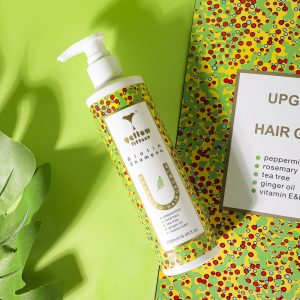
Hair Growth Biotin Shampoo
This hair growth biotin shampoo, enriched with rosemary, peppermint, tea tree, and ginger oils, plus vitamins E and H, promotes growth and volume. Its silicone-free formula cleanses the scalp, removes impurities, and strengthens hair for optimal health.
- Size: 10.14 fl oz / 300 ml
- Key Ingredients: Biotin, Rosemary Oil, Peppermint Oil, Tea Tree Oil, Ginger Extract
- Key Benefits: Hair Growth, Volume Boost, Scalp Care, Strengthening Support, Deep Cleansing
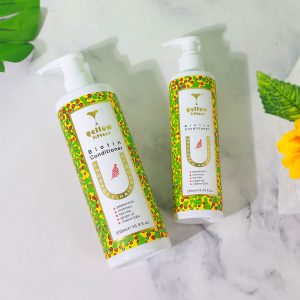
Hair Growth Biotin Conditioner
This biotin conditioner combines rosemary, peppermint, tea tree, and ginger oils with vitamins E and H to stimulate growth, nourish roots, and thicken hair, while its lightweight formula conditions, fortifies, and revitalizes for a healthier appearance.
- Size: 8.45 fl oz / 250 ml | 16.91 fl oz / 500 ml | 33.81 fl oz / 1000 ml
- Key Ingredients: Biotin, Rosemary Oil, Pumpkin Seed Oil, Tea Tree Oil, Zinc Lactate
- Key Benefits: Hair Thickening, Scalp Refresh, Growth Support, Root Nourishment, Strength Support
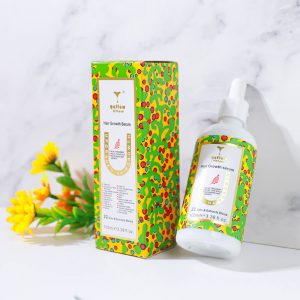
Hair Growth Serum
This hair growth serum, with essential oils, plant extracts, and biotin, refreshes the scalp and reduces hair loss from breakage. Featuring 22 oils and extracts, it promotes denser-looking hair, ideal for normal to thin hair.
- Size: 2.03 fl oz / 60 ml | 3.4 fl oz / 100 ml
- Key Ingredients: Biotin, Rosemary Oil, Peppermint Oil, Tea Tree Oil, Ginger Extract
- Key Benefits: Hair Growth, Scalp Refresh, Breakage Reduction, Root Nourishment, Hair Density
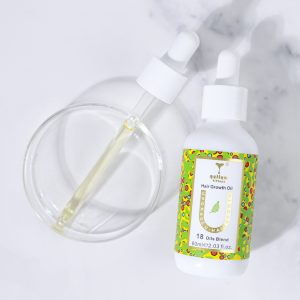
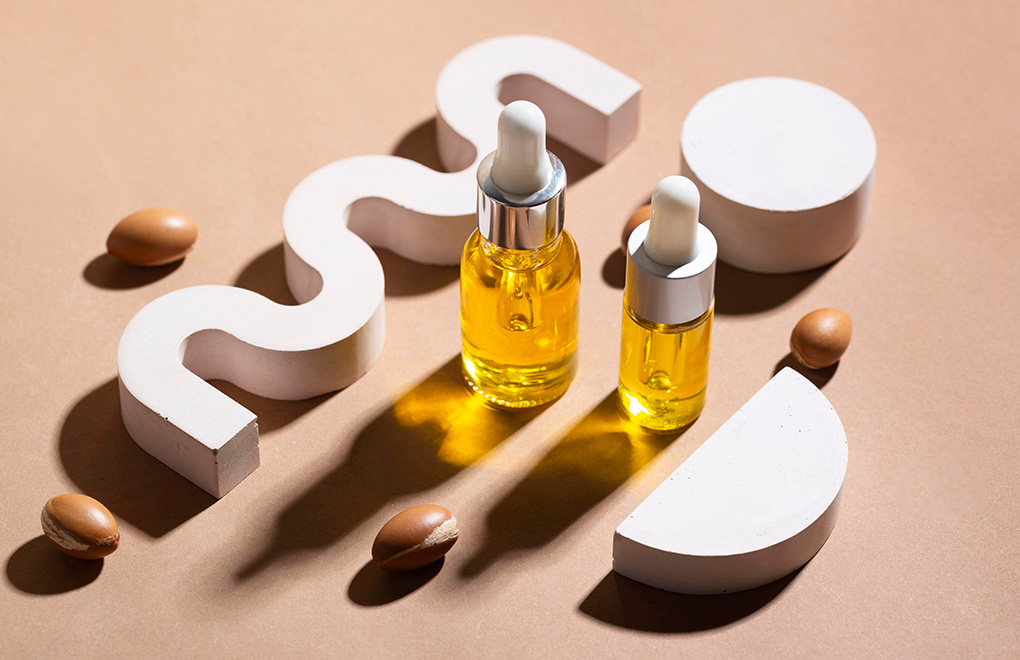
Hair Growth Oil
This hair growth oil supports growth and enhances scalp health with 18 natural plant oils for deep nourishment. Enriching hair roots with essential nutrients reduces breakage and hair loss, and regular use restores strength and shine for healthier, thicker locks.
- Size: 2.03 fl oz / 60 ml | 3.4 fl oz / 100 ml
- Key Ingredients: Castor Oil, Argan Oil, Rosemary Oil, Peppermint Oil, Vitamin E
- Key Benefits: Hair Growth, Scalp Nourishment, Breakage Reduction, Hair Strengthening, Shine Enhancement
Key Ingredients Used in Hair Growth Product Development
Ingredient selection depends on:
- Product type
- Target market
- Formula goals
- Regulatory requirements
Botanical Ingredients
Common examples:
- Rosemary extract
- Ginseng extract
- Green tea extract
- Botanical oils
Used for:
- Natural positioning
- Scalp-care storytelling
Conditioning Ingredients
Support:
- Hair feel
- Smoothness
- Manageability
Protein and Repair Ingredients
Support:
- Strengthening positioning
- Damaged hair care
Scalp-Focused Ingredients
Selected based on:
- Formula objectives
- Consumer expectations
- Market requirements
Hair Growth Product Formulation Process
Developing a complete product line requires structured planning.
Step 1: Define Product Strategy
Brands should decide:
- Target customer
- Main concern
- Product system
- Positioning
- Price level
- Sales channel
Example:
“Premium scalp-focused hair growth system for women aged 30+.”
Step 2: Select Product Formats
Choose which products belong in the line.
Possible formats:
- Shampoo
- Conditioner
- Serum
- Oil
- Mask
- Treatment
The product selection should create a logical routine.
Step 3: Formula Development
Manufacturers evaluate:
- Ingredient selection
- Texture
- Sensory experience
- Stability
- Product performance
Different formats require different approaches.
Example:
Serum:
- Lightweight
- Fast absorption
Mask:
- Rich conditioning feel
Step 4: Sample Testing and Optimization
A typical process includes:
Product concept
↓
Formula development
↓
Sample creation
↓
Brand testing
↓
Adjustments
↓
Final approval
Brands should evaluate:
- Texture
- Fragrance
- Application
- Hair feel
- Consumer experience
Hair Growth Product Testing Requirements
Testing helps ensure product quality and market readiness.
Common Testing
- Stability testing
- Microbial testing
- Safety evaluation
- Packaging compatibility
Why Testing Matters
It supports:
- Product consistency
- Consumer trust
- Market preparation
Packaging Development for Hair Growth Products
Packaging should support both function and premium positioning.
Common Formats
- Dropper bottles
- Pump bottles
- Spray bottles
- Treatment containers
Important Factors
- Precise application
- Product protection
- Brand appearance
- User convenience
Private Label vs Custom Hair Growth Products
Brands can choose different development paths.
Private Label Hair Growth Products
Advantages:
- Faster launch
- Lower investment
- Easier market testing
Best for:
- Startups
- Ecommerce brands
Custom Hair Growth Products
Advantages:
- Unique positioning
- Customized formulas
- Stronger differentiation
Best for:
- Premium brands
- Long-term growth
Cost Factors for Developing Hair Growth Product Lines
Costs depend on:
- Product quantity
- Formula complexity
- Ingredients
- Packaging
- Testing
- MOQ
| Cost Factor | Impact |
|---|---|
| Custom formula | Higher development cost |
| Premium ingredients | Higher material cost |
| Multiple SKUs | Higher investment |
| Custom packaging | Higher cost |
How Brands Should Launch Hair Growth Products
Successful launches require education-based marketing.
Important Strategies
Content Marketing
Educate customers about:
- Scalp care
- Hair routines
- Ingredients
- Product usage
Social Media
Effective content:
- Product demonstrations
- Routine videos
- Ingredient education
Ecommerce
Channels:
- Shopify
- Amazon
- Retail
- Salons
Common Mistakes When Developing Hair Growth Products
Mistake #1: Making Unsupported Claims
Claims must match regulations.
Mistake #2: Developing Only One Product
Complete systems often create stronger customer value.
Mistake #3: Ignoring Consumer Education
Customers need to understand product usage.
Mistake #4: Choosing Manufacturers Only by Price
Quality and consistency determine long-term success.
Why Work with HODM?
HODM helps brands develop complete hair growth product lines.
HODM Services
- Private label hair growth products
- Custom formulas
- OEM manufacturing
- ODM development
- Scalp care solutions
- Packaging development
- Testing support
- Export assistance
We help brands create scalable hair growth systems for global markets.
FAQ
Are hair thinning products a good opportunity for new brands?
Yes. Hair thinning is a high-interest consumer concern, creating opportunities for targeted products such as scalp treatments, serums, shampoos, and strengthening systems.
What hair care products are best for thinning hair brands?
Popular categories include hair growth serums, scalp treatments, strengthening shampoos, conditioners, scalp oils, and repair masks.
Should brands develop hair growth products or scalp care products?
Both categories have opportunities. Many successful brands combine scalp care and hair-support products into complete routines.
Can private label manufacturers make hair thinning products?
Yes. Many manufacturers offer private label and custom development options for scalp care, serums, shampoos, and treatment products.
What ingredients are used in hair thinning products?
Ingredient selection depends on formula goals, product type, market requirements, and regulatory considerations.
How long does it take to develop hair thinning products?
The timeline depends on customization, testing, packaging, and production requirements.
Conclusion
Hair thinning products represent a strong opportunity for brands because consumers are actively searching for targeted hair solutions.
The strongest product opportunities include:
- Hair growth serums
- Scalp treatments
- Strengthening shampoos
- Scalp oils
- Treatment systems
Successful brands combine:
- Consumer insights
- Effective formulations
- Strong positioning
- Reliable manufacturing
to build differentiated hair care product lines.
Develop Hair Thinning Product Lines with HODM
HODM supports brands with:
- Private label hair growth products
- Scalp care solutions
- Custom formulas
- OEM manufacturing
- Packaging development
- Testing support
- Global production
Contact HODM to develop your next targeted hair care product line.