
Custom Shampoo Formulation Guide: How to Develop a Unique Hair Care Line
Developing a custom shampoo formula involves much more than selecting cleansing ingredients and adding a fragrance. Brands need to consider surfactant systems, ingredient compatibility, cleansing performance, conditioning properties, viscosity, stability, and the intended customer experience.
Whether you are creating a sulfate-free shampoo, a moisturizing formula, a clarifying product, or a specialized repair shampoo, the formulation process should begin with a clear product brief and a defined target market.
Working with an experienced private label shampoo manufacturer or an OEM/ODM hair care manufacturing partner can help turn your product concept into a formula ready for evaluation, testing, and commercial production.
This guide explains how custom shampoo formulation works, from selecting surfactants and functional ingredients to developing samples, evaluating performance, choosing packaging, and preparing for manufacturing.
1. Define Your Custom Shampoo Product Concept
Every successful formulation project begins with a clear understanding of what the product needs to achieve. Before selecting ingredients, define the target customer, intended application, product positioning, and desired performance.
Identify Your Target Hair Type
- Dry Hair: Formulas focused on cleansing with suitable conditioning and moisturizing support.
- Damaged Hair: Products developed around conditioning, manageability, and improved hair feel.
- Color-Treated Hair: Cleansing formulas designed for color-care routines.
- Curly and Textured Hair: Products that consider cleansing, conditioning, and manageability requirements.
- Fine Hair: Lightweight formulas designed to avoid an overly heavy finish.
- Oily Scalp: Cleansing products designed around excess oil and scalp cleansing needs.
Define the Product Positioning
Your shampoo may be positioned as a premium botanical product, a professional salon formula, a daily cleansing product, or a specialized treatment-support product.
This decision influences ingredient selection, fragrance, texture, packaging, target price, and marketing communication.
| Product Positioning | Formulation Direction |
|---|---|
| Premium Moisturizing | Conditioning agents and selected moisturizing ingredients |
| Sulfate-Free | Alternative surfactant systems |
| Clarifying | Cleansing-focused surfactant systems |
| Repair-Focused | Conditioning polymers and selected functional ingredients |
| Professional Salon | Formula characteristics suited to specific salon applications |
For a broader understanding of shampoo categories and development opportunities, read our Shampoo Products: Market Trends, Formulation, and Development Guide.
2. Prepare a Shampoo Formulation Product Brief
A product brief helps the manufacturer understand your expectations before formulation begins. The more clearly you define the product requirements, the easier it becomes to evaluate samples and communicate necessary adjustments.
Information to Include in Your Product Brief
- Product name and intended category.
- Target market and customer profile.
- Hair type and intended application.
- Preferred surfactant system or ingredient restrictions.
- Desired cleansing strength and foam characteristics.
- Preferred viscosity and texture.
- Conditioning and sensory expectations.
- Fragrance direction and color preferences.
- Packaging type and product size.
- Target manufacturing cost and order quantity.
Set Realistic Formula Expectations
Some requirements may compete with one another. For example, a highly conditioning formula may feel heavier, while a strongly cleansing formula may require additional conditioning support.
The goal is to develop a balanced formula that meets the most important product requirements rather than attempting to maximize every characteristic simultaneously.
If you need help preparing your project specifications, see What Information Should You Prepare Before Requesting a Hair Care Manufacturing Quote?.
3. Select the Right Surfactant System
Surfactants are the primary cleansing components in most shampoo formulations. They help remove sebum, dirt, and product residue from the hair and scalp.
Selecting the right surfactant system is one of the most important stages of custom shampoo development because it influences cleansing performance, foam, mildness, viscosity, and compatibility with other ingredients.
Anionic Surfactants
Anionic surfactants are widely used in shampoo formulations because of their cleansing and foaming properties.
- Sodium Laureth Sulfate: A commonly used cleansing surfactant.
- Sodium Lauroyl Methyl Isethionate: An anionic surfactant used in selected cleansing systems.
- Sodium Lauroyl Sarcosinate: An anionic cleansing ingredient.
- Sodium Cocoyl Isethionate: Used in selected cleansing formulations.
Amphoteric Surfactants
Amphoteric surfactants are frequently combined with anionic surfactants to adjust cleansing and foam characteristics and improve the overall formulation balance.
- Cocamidopropyl Betaine
- Lauramidopropyl Hydroxysultaine
- Coco-Betaine
Nonionic Surfactants
Nonionic surfactants may be incorporated into selected cleansing systems depending on the formula requirements.
- Decyl Glucoside.
- Coco Glucoside.
- Lauryl Glucoside.
How to Build a Balanced Surfactant System
A formulator evaluates surfactant combinations based on active matter, cleansing performance, foam, mildness, pH, viscosity, and ingredient compatibility.
There is no single surfactant combination suitable for every shampoo. A clarifying formula, for example, may require a different cleansing approach from a moisturizing or sulfate-free shampoo.
For additional technical guidance, explore Sulfate-Free vs. Sulfate-Based Shampoos.
4. Choose Functional Ingredients for Your Shampoo Formula
Once the cleansing system is selected, the next step is determining which functional ingredients will support the product's intended characteristics.
Conditioning Ingredients
- Polyquaternium-10: A conditioning polymer commonly used to improve hair feel and combability.
- Guar Hydroxypropyltrimonium Chloride: A cationic conditioning polymer.
- Dimethicone: A silicone used for conditioning, slip, and smoothness.
- Other Conditioning Polymers: Selected according to the surfactant system and desired performance.
Moisturizing Ingredients
- Glycerin: A humectant used in many water-based personal care formulations.
- Panthenol: A conditioning ingredient used in hair care products.
- Aloe Vera: Used in selected formulas for ingredient positioning and formulation characteristics.
- Hydrolyzed Proteins: Used in selected products for conditioning and film-forming functions.
Botanical Oils and Extracts
- Argan oil.
- Jojoba oil.
- Coconut-derived ingredients.
- Selected botanical extracts.
Botanical ingredients can support a product's positioning and sensory experience, but their inclusion must be evaluated for compatibility, solubility or dispersion, stability, and preservation.
Preservatives and Other Functional Components
Water-based shampoo formulas generally require an appropriate preservation system. The choice depends on pH, formula composition, packaging, ingredient compatibility, and relevant testing.
Other components may include chelating agents, viscosity modifiers, pH adjusters, fragrance, and colorants, depending on the product brief.
Ingredient selection should always be based on the complete formula rather than treating individual ingredients as guaranteed performance solutions.
5. Develop Different Shampoo Formulas for Your Brand
Different product concepts require different formulation priorities. A successful shampoo collection may include several formulas designed around specific customer needs rather than simply changing fragrance or packaging.
Moisturizing Shampoo Formula
A moisturizing shampoo should balance effective cleansing with suitable conditioning and moisture-related formulation characteristics.
Depending on the product brief, formulators may consider selected surfactant combinations, glycerin, panthenol, conditioning polymers, and botanical oils.
Clarifying Shampoo Formula
A clarifying shampoo focuses on removing accumulated styling residue, excess oils, and impurities. The cleansing system should be selected according to the intended frequency of use and customer requirements.
Sulfate-Free Repair Shampoo Formula
A sulfate-free repair shampoo may combine alternative cleansing surfactants with conditioning polymers and selected functional ingredients.
The development process should evaluate cleansing performance, foam, rinsability, conditioning feel, and compatibility between ingredients.
Example HODM Shampoo Products
The following products illustrate three different shampoo development directions. They can serve as references when discussing formula concepts, packaging, and product positioning.

Argan Oil Hydrating Shampoo
An argan oil-inspired shampoo concept for brands developing moisturizing and botanical-positioned collections.
Explore Product →
Gentle Clarifying Shampoo
A cleansing-focused product concept for brands developing clarifying and scalp-care collections.
Explore Product →
Sulfate Free Repair Shampoo
A repair-focused sulfate-free shampoo concept for specialized hair care collections.
Explore Product →These products represent different formulation directions. Their actual ingredient lists and specifications should be reviewed before using them as references for a new development project.
6. Adjust Shampoo Texture, Viscosity, and pH
The sensory characteristics of a shampoo are important to the overall product experience. Even when two formulas provide similar cleansing performance, differences in texture, viscosity, foam, and rinsability can make them feel very different to customers.
Texture and Viscosity
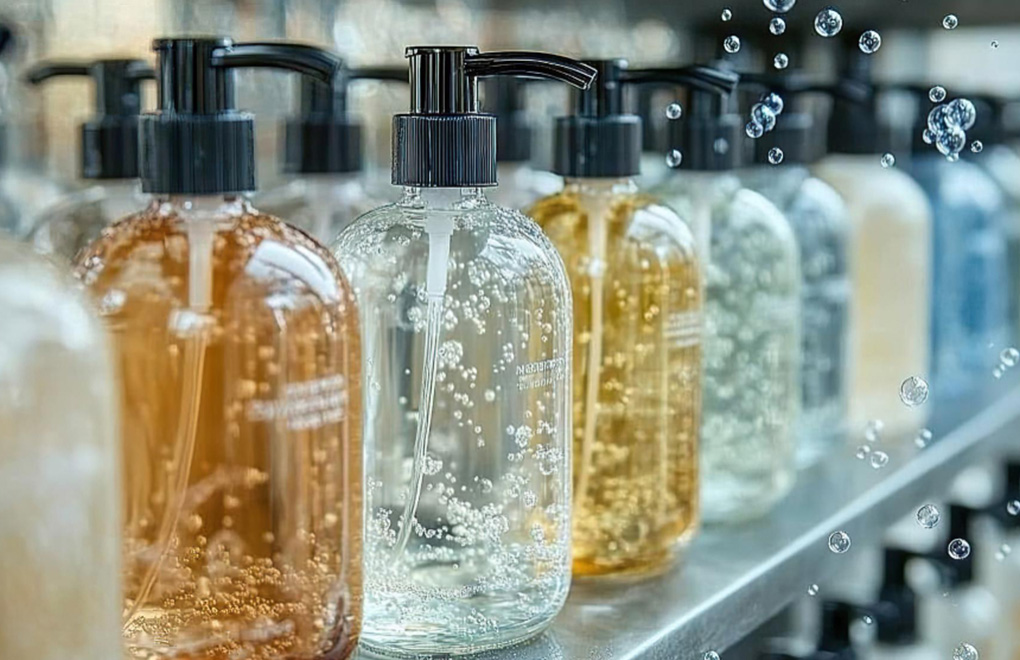
Shampoo can be developed with different thickness levels depending on the intended product and packaging. A thick formula may be suitable for certain premium concepts, while a lighter formula may work better with particular dispensing formats.
Viscosity modifiers and electrolyte adjustments may be used depending on the surfactant system. However, thickening should be evaluated carefully because excessive adjustment can affect stability and performance.
pH Adjustment
pH influences formula stability, preservative performance, ingredient compatibility, and the finished product characteristics.
The appropriate pH range should be established by the formulator according to the complete formula and intended use rather than applying one universal value to every shampoo.
Fragrance and Color
Fragrance and color contribute to the sensory and visual identity of a shampoo. Their compatibility with the formula, stability, and applicable ingredient restrictions should be evaluated during development.
A signature fragrance can help create a consistent identity across a coordinated shampoo and conditioner collection.
Explore Fragrance and Sensory Customization for more information.
7. Shampoo Sample Development and Evaluation
Sample development allows brands to evaluate whether a formula meets the original product brief before commercial manufacturing.
Request Initial Samples
Provide the manufacturer with your product specifications and discuss available formula options. For custom projects, the R&D team may prepare initial samples for review.
Evaluate Key Performance Characteristics
- Cleansing effectiveness and rinsability.
- Foam quantity and foam texture.
- Hair feel after washing.
- Conditioning and combability.
- Viscosity and dispensing experience.
- Fragrance and overall sensory characteristics.
- Appearance and consistency.
Provide Structured Feedback
Instead of simply saying that a sample feels too heavy or too thin, describe the issue and explain what you want to improve.
For example, you may request a lighter after-feel, more suitable foam, a different fragrance intensity, or a specific viscosity adjustment.
Refine and Approve the Formula
The manufacturer may revise the formula according to feedback and technical feasibility. Once the sample meets the agreed requirements, confirm the final specifications and proceed with the appropriate testing and approval process.
8. Shampoo Stability Testing and Quality Control
A shampoo formula must remain suitable throughout its intended shelf life and under expected storage and transport conditions. Testing helps identify potential changes before commercial production.
Stability Testing
Stability assessments may evaluate:
- Color and appearance.
- Fragrance changes.
- Viscosity changes.
- pH variation.
- Phase separation or precipitation.
- Compatibility with packaging materials.
Microbiological Quality
Water-based shampoo formulas require appropriate microbiological controls. Depending on the formula and market, testing may include microbial limits and preservative efficacy assessments.
Packaging Compatibility
The final formula should be assessed with the intended bottle, pump, cap, and other packaging components. Compatibility testing helps identify leakage, dispensing problems, and potential material interactions.
Batch Consistency
During manufacturing, raw material controls, production records, in-process checks, and finished-product inspections help maintain consistent specifications between batches.
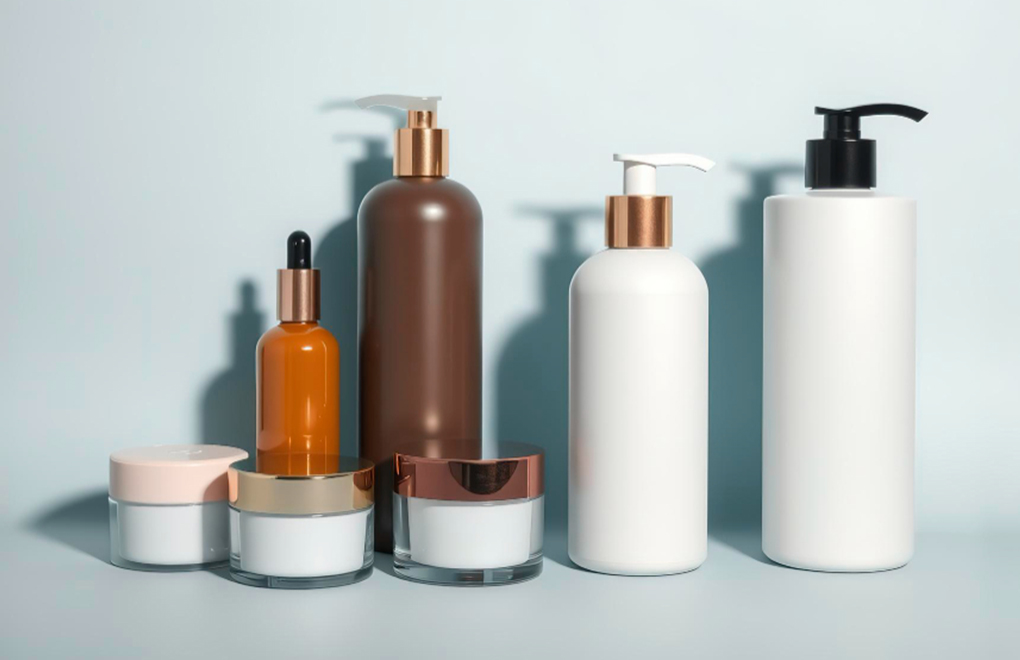
9. Choose Packaging for Your Custom Shampoo
Packaging should be selected according to the formula, brand identity, intended customer, dispensing requirements, and target retail price.
Common Shampoo Packaging Formats
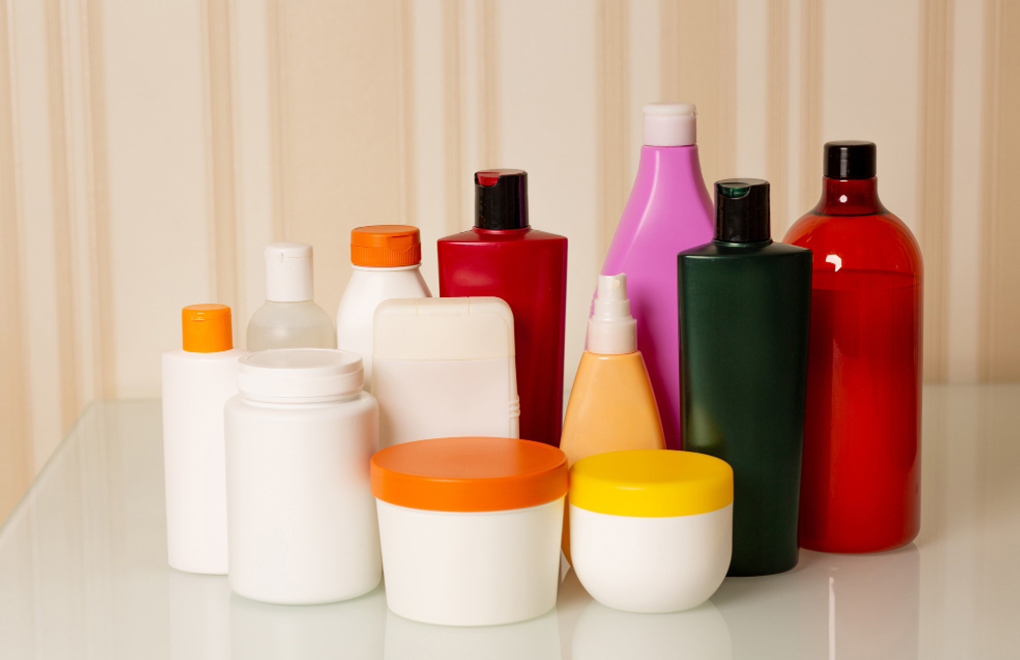
| Packaging Format | Potential Application |
|---|---|
| Pump Bottles | Salon and premium shampoo collections |
| Flip-Cap Bottles | Everyday retail shampoos |
| Disc-Top Bottles | Convenient consumer packaging |
| Professional-Size Containers | Back-bar and professional applications |
| Travel-Size Bottles | Trial products and travel collections |
Customize Your Packaging Design
Customization may include bottle shape, material, color, pump style, labels, printing, surface finishes, and outer cartons.
Before final approval, confirm formula compatibility, packaging availability, component minimums, and lead times.
Learn more about HODM Custom Packaging Options.
10. Private Label Shampoo vs. Custom Shampoo Formulation
Not every shampoo brand needs a completely new formula. Depending on the product concept, an existing formula, a modified formula, or a newly developed formula may be appropriate.
Private Label Shampoo
Private label manufacturing allows brands to select from existing shampoo formulas and customize available branding, packaging, fragrance, and selected product characteristics.
This approach may be suitable when an available formula already meets the brand's requirements.
Custom Shampoo Formulation
Custom formulation involves developing or substantially modifying a formula according to a specific product brief. It may provide greater flexibility over surfactant systems, conditioning characteristics, ingredients, texture, and fragrance.
| Factor | Private Label | Custom Formulation |
|---|---|---|
| Formula | Existing formula | New or modified formula |
| Development | Generally simpler | More involved |
| Customization | Available options vary | Greater formulation flexibility |
| Development Cost | Often lower | May be higher |
| Suitable For | Efficient market entry | Distinctive product requirements |
Consider Semi-Custom Development
Some manufacturers may offer semi-custom options that allow selected formula characteristics to be adjusted without developing an entirely new product.
Compare the development costs, MOQ, formula ownership, testing requirements, and production timelines before selecting an approach.
Explore Private Label Shampoo and OEM Hair Care Manufacturing.
11. From Approved Formula to Commercial Shampoo Manufacturing
Once the formula has been approved, the project moves into manufacturing preparation. This stage involves coordinating raw materials, production specifications, packaging, quality control, and scheduling.
Confirm Final Product Specifications
Confirm the approved formula, ingredient documentation, product appearance, viscosity, pH, fragrance, packaging specifications, and agreed quality requirements.
Prepare Raw Materials and Packaging
Manufacturing preparation includes confirming ingredient availability, packaging components, labels, and other production materials.
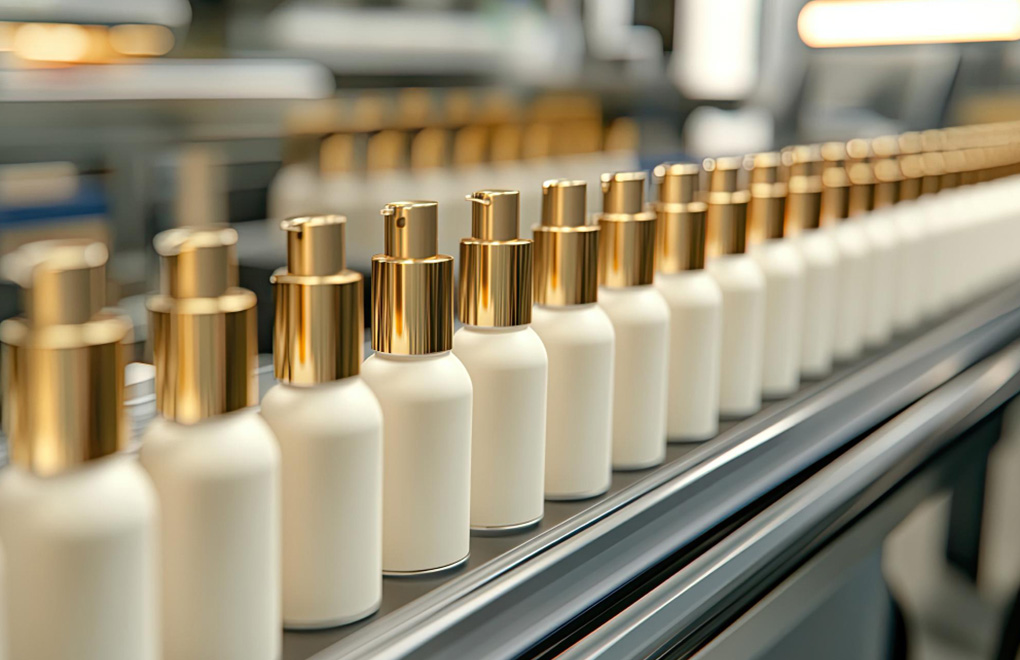
Bulk Production and Filling
Shampoo manufacturing generally involves ingredient preparation, controlled mixing, formula processing, in-process checks, and filling into the approved packaging.
Finished Product Inspection
Finished products are assessed against agreed specifications before shipment. The scope of inspection depends on the product and quality requirements.
Learn more about The Complete Custom Shampoo Manufacturing Process.
12. Shampoo Development Costs, MOQ, and Lead Times
The cost of developing a custom shampoo depends on formula complexity, ingredients, testing, production quantity, packaging, and customization requirements.
Main Cost Components
- Formula development and sample preparation.
- Raw materials and functional ingredients.
- Bulk manufacturing and filling.
- Bottles, pumps, labels, and cartons.
- Testing and quality documentation.
- Shipping and logistics.
Understand Minimum Order Quantity
MOQ means Minimum Order Quantity. Manufacturers may set different minimums for each formula, SKU, fragrance, and packaging component.
A customized bottle may have a separate component minimum from the finished shampoo order. Confirm these details before calculating your total investment.
Plan Production Lead Times
Lead times depend on sample approval, ingredient availability, testing, packaging procurement, and manufacturing schedules.
Request a written project timeline that covers formula development, sample evaluation, packaging approval, testing, production, and delivery.
For more information, read MOQ, Cost & Lead Time for Custom Shampoo Manufacturing.
13. How to Choose the Right Custom Shampoo Manufacturer
The manufacturer you select influences formulation quality, product consistency, production costs, and your ability to expand the shampoo collection.
Evaluate R&D Capabilities
Look for a manufacturer that understands surfactant systems, ingredient compatibility, viscosity adjustment, preservation, sample development, and formula stability.
Review Production Capabilities
Ask about manufacturing equipment, mixing capabilities, production capacity, filling formats, packaging support, and quality control procedures.
Check Quality Systems and Documentation
Review relevant certifications, raw material controls, batch traceability, finished-product testing, and manufacturing documentation.
Compare Quotations and Communication
A clear quotation should explain development costs, MOQ, packaging expenses, testing responsibilities, lead times, and relevant contractual terms.
Continue with How to Choose a Hair Care Manufacturer and Questions to Ask Before Choosing a Hair Care Manufacturer.
14. Common Mistakes in Custom Shampoo Formulation
Choosing Ingredients Based Only on Popularity
Popular ingredients do not automatically improve a formula. Selection should be based on technical suitability, compatibility, safety, and the product's intended function.
Ignoring Surfactant Compatibility
Surfactants must work with the other formula components. Incompatible combinations can affect cleansing, viscosity, stability, and sensory characteristics.
Overloading the Formula
Adding more ingredients does not necessarily create a better shampoo. Excessive complexity may increase formulation challenges and cost without providing meaningful improvements.
Skipping Sample Evaluation
A product should be evaluated against the original brief before final approval. Do not rely on appearance alone.
Ignoring Stability and Packaging Compatibility
A formula must be evaluated under appropriate conditions and with its intended packaging before commercial production.
Making Unsupported Product Claims
Claims should accurately reflect the formula's demonstrated performance and comply with the requirements of the intended market.
Frequently Asked Questions
What is custom shampoo formulation?
Custom shampoo formulation is the process of developing or modifying a shampoo formula according to a brand's specific requirements, including cleansing performance, surfactants, ingredients, texture, fragrance, and intended application.
What ingredients are used in custom shampoo formulations?
Common components include cleansing surfactants, conditioning polymers, moisturizing ingredients, viscosity modifiers, preservatives, fragrance, and pH adjusters. The final ingredient selection depends on the complete formula and intended product.
Can I develop a sulfate-free shampoo formula?
Yes. A sulfate-free shampoo can be developed using suitable alternative surfactant systems. The formulation should be evaluated for cleansing, foam, viscosity, stability, and overall sensory performance.
How long does custom shampoo formulation take?
Timelines vary according to formula complexity, sample revisions, ingredient availability, testing requirements, and packaging selection. Your manufacturer should provide a project-specific development schedule.
Can I customize fragrance, texture, and color?
Customization may be available depending on the formula and manufacturing capabilities. Fragrance, viscosity, color, and other characteristics should be evaluated for compatibility and stability.
What is the difference between private label and custom shampoo?
Private label generally uses an existing formula with available branding and packaging customization. Custom shampoo development involves creating or substantially modifying a formula to meet specific product requirements.
What is the MOQ for custom shampoo manufacturing?
MOQ depends on formula, production quantity, packaging components, customization, and manufacturer requirements. Ask whether minimum quantities apply separately to each SKU and packaging component.
Read our Custom Shampoo MOQ and Cost Guide.
Can a manufacturer help with packaging and filling?
Many OEM/ODM manufacturers provide packaging coordination, filling, labeling, and finished-product manufacturing. Confirm which services are available for your specific project.
How do I start developing my own shampoo formula?
Begin with a product brief describing your target customers, product type, cleansing requirements, preferred ingredients, texture, fragrance, packaging, and target cost. Then discuss formulation options and sample development with a suitable manufacturer.
Conclusion: Turn Your Shampoo Concept into a Market-Ready Formula
Developing a custom shampoo requires a structured approach to product positioning, surfactant selection, functional ingredients, sample evaluation, stability testing, and manufacturing preparation.
The best formula is not necessarily the one with the longest ingredient list or the most complicated formulation. It is the one that meets the target customer's needs while maintaining suitable performance, stability, safety, and commercial feasibility.
By preparing a clear product brief and working with an experienced manufacturer, brands can move from an initial shampoo concept to an approved formula and a coordinated product collection.
Develop Your Own Custom Shampoo Formula with HODM
HODM Cosmetics supports hair care brands with OEM/ODM shampoo formulation, private label manufacturing, product sampling, packaging customization, and commercial production.
Whether you are developing a sulfate-free shampoo, a moisturizing formula, a clarifying product, or a specialized repair collection, our team can discuss your product brief and suitable manufacturing options.
Discuss Your Custom Shampoo Project