
How to Budget for Your First Hair Care Product Line: Manufacturing, Packaging, and Launch Costs Explained
How Much Does It Cost to Launch a Hair Care Product Line?
Launching a hair care product line requires budgeting for manufacturing, formulation, packaging, testing, inventory, branding, and marketing. The total investment depends on whether you choose private label or custom OEM development, the number of products launched, packaging complexity, minimum order quantities (MOQ), and marketing strategy. A lean private label launch usually requires a smaller budget, while a custom hair care line with unique formulas and premium packaging requires a larger investment.
For new beauty brands, creating a realistic budget before production helps prevent cash flow problems, avoid over-ordering, and build a sustainable path toward profitability.
Launching a hair care brand requires much more than creating a formula and placing a production order.
A successful launch budget must consider:
- Product development
- Manufacturing
- Packaging
- Testing
- Inventory
- Branding
- Marketing
- Distribution
Many new founders underestimate these costs and run into problems such as:
- Running out of cash before launch
- Ordering too much inventory
- Choosing the wrong manufacturing model
- Underinvesting in marketing
This guide breaks down the major costs involved in launching a hair care product line.
Why Budget Planning Is Critical for Hair Care Startups
A strong budget helps brands make better decisions before committing resources.
Poor Budget Planning Can Lead To:
| Problem | Impact |
|---|---|
| Too much inventory | Cash flow pressure |
| Low-quality products | Customer dissatisfaction |
| Limited marketing budget | Slow growth |
| Wrong MOQ decisions | Higher financial risk |
Strategic Budgeting Helps You:
- Select the right manufacturer
- Choose realistic product quantities
- Control launch costs
- Plan long-term growth
Main Costs of Launching a Hair Care Product Line
A complete hair care startup budget usually includes:
| Cost Category | Purpose |
|---|---|
| Formula development | Product creation |
| Manufacturing | Production |
| Packaging | Brand presentation |
| Testing | Safety and compliance |
| Inventory | Initial stock |
| Branding | Market positioning |
| Marketing | Customer acquisition |
Manufacturing Costs: The Largest Investment Area
Manufacturing is usually one of the biggest expenses.
Costs depend on:
- Product type
- Formula complexity
- Ingredients
- Production quantity
- Manufacturing model
Private Label Manufacturing Costs
Private label products use existing formulas.
Advantages
- Lower development cost
- Faster launch
- Reduced risk
Typical expenses include:
- Product selection
- Packaging customization
- Label printing
- Production
Best for:
- Startups
- Amazon sellers
- First-time founders
👉 Learn more in Private Label Hair Care: Complete Guide to Building a Profitable Brand
Custom OEM Manufacturing Costs
Custom formulas require more investment.
Costs may include:
- Research and development
- Ingredient sourcing
- Formula revisions
- Laboratory testing
- Stability testing
Best for:
- Premium brands
- DTC companies
- Retail-focused brands
👉 Learn more in OEM Hair Care Manufacturing: Complete Guide to Formulation, Production, and Private Label Brands
Formula Development Costs
Your formula strategy directly affects your budget.
Stock Formula
Lower cost because:
- Formula already exists
- Testing may already be completed
- Development time is shorter
Custom Formula
Higher cost because:
- Formula is developed specifically for your brand
- Multiple samples may be required
- Additional testing is needed
Formula Cost Depends On:
| Factor | Impact |
|---|---|
| Ingredient selection | Higher quality increases cost |
| Active ingredients | More complexity |
| Formula uniqueness | More development work |
| Testing requirements | Additional investment |
👉 Learn more in Stock Formulas vs Custom Formulas: Which Offers Better Value for Hair Care Brands?
Packaging Costs: Bottles, Labels, and Branding
Packaging is not just a container—it is part of your brand experience.
Common Packaging Costs
- Bottles
- Pumps
- Caps
- Jars
- Labels
- Boxes
- Custom printing
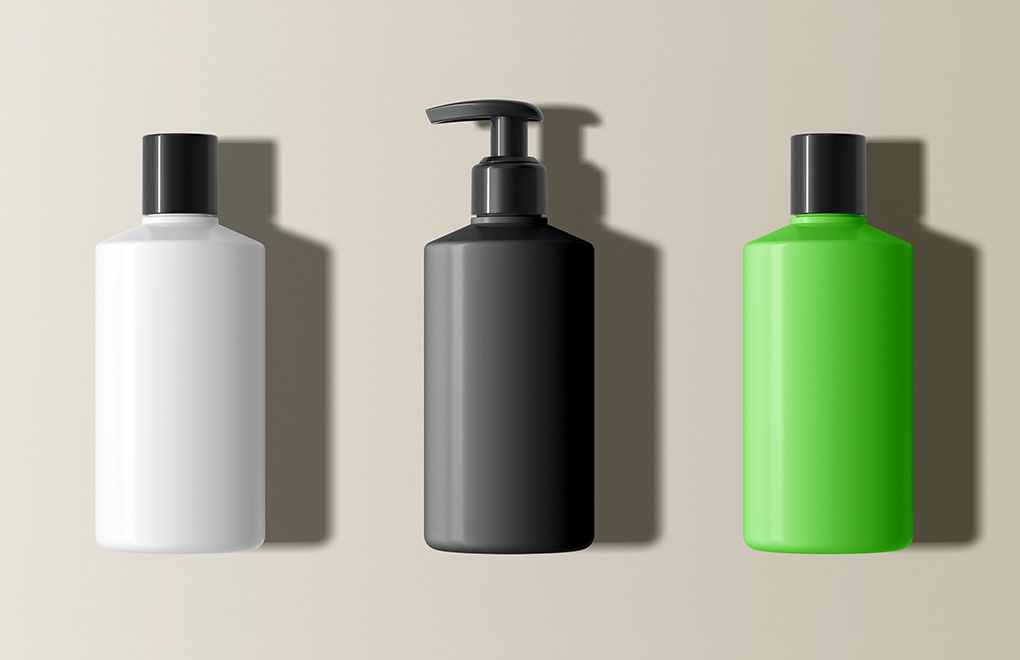
Standard Packaging vs Custom Packaging
Standard Packaging
Advantages:
- Lower cost
- Faster production
- Lower MOQ
Custom Packaging
Advantages:
- Stronger differentiation
- Premium appearance
- Better shelf presence
Challenges:
- Higher minimum orders
- Longer lead times
👉 Learn more in Custom Hair Care Packaging: How to Choose Bottles, Tubes, and Jars for Your Brand
Testing and Compliance Costs
Testing is essential for product safety and market readiness.
Common Testing Expenses
- Stability testing
- Microbial testing
- Preservative effectiveness testing
- Packaging compatibility testing
Compliance Preparation Includes:
- Ingredient review
- Label review
- Claims evaluation
- Regulatory documentation
👉 Learn more in Hair Care Product Testing Requirements Explained: Safety, Stability, Microbial, and Compliance Testing
Inventory and MOQ Costs
Inventory planning can determine whether a startup succeeds or struggles.
Factors Affecting Initial Inventory Cost
- MOQ requirements
- Product quantity
- Packaging orders
- Storage needs
- Sales forecast
Common Startup Mistake
Ordering large quantities before validating demand.
Better Approach
Start with:
- Fewer SKUs
- Focus products
- Controlled inventory
👉 Learn more in How Much Inventory Should a New Hair Care Brand Order? A Complete Guide for Startups
Branding and Design Costs
A successful hair care brand needs more than a product.
Brand investment may include:
- Logo design
- Brand identity
- Product photography
- Website design
- Content creation
Why Branding Matters
Hair care consumers buy:
- Results
- Trust
- Experience
- Brand story
👉 Learn more in Hair Care Brand Positioning Strategy: How to Stand Out in a Competitive Market
Marketing and Launch Costs
A product cannot succeed without customer acquisition.
Common Marketing Expenses
| Channel | Purpose |
|---|---|
| SEO | Long-term traffic |
| Social media | Brand awareness |
| Influencers | Trust building |
| Paid ads | Customer acquisition |
| Email marketing | Retention |
Launch Marketing Should Include:
- Product photography
- Video content
- Social media campaigns
- Influencer outreach
- Website optimization
👉 Learn more in How to Market a Hair Care Brand in the US: Strategies for Private Label Success
Cost Differences by Business Model
Different launch strategies require different budgets.
| Model | Cost Level | Best For |
|---|---|---|
| Private Label | Lower | Startups |
| ODM | Medium | Growing brands |
| OEM | Higher | Premium brands |
Strategic Choice
Lower cost does not always mean better value.
The right choice depends on:
- Brand goals
- Target market
- Growth strategy
👉 Learn more in ODM vs OEM Hair Care: Key Differences, Advantages, and How to Choose the Right Model
Example Budget Planning by Launch Stage
Lean Startup Launch
Focus:
- 1–3 products
- Standard packaging
- Private label formulas
- Small inventory
Goal:
Validate market demand.
Growth Brand Launch
Focus:
- Customization
- Better packaging
- Strong branding
- More marketing investment
Goal:
Build a recognizable brand.
Premium Brand Launch
Focus:
- Custom formulas
- Luxury packaging
- Retail preparation
- Large-scale marketing
Goal:
Long-term market leadership.
How to Reduce Hair Care Launch Costs
Strategy 1: Start With Fewer Products
Avoid launching too many SKUs.
Strategy 2: Use Existing Packaging
Reduce:
- Development time
- Packaging costs
Strategy 3: Choose the Right Manufacturing Model
Match your investment level with your business stage.
Strategy 4: Validate Before Scaling
Use early customer data before increasing production.
Common Budget Mistakes New Hair Care Brands Make
Mistake #1: Spending Too Much on Packaging
Premium packaging cannot replace product quality.
Mistake #2: Ignoring Marketing Costs
Many founders budget only for production.
Mistake #3: Choosing the Cheapest Manufacturer
Low cost can create:
- Quality issues
- Delays
- Compliance problems
Mistake #4: Producing Too Many Products
More SKUs increase:
- Inventory risk
- Complexity
- Cash requirements
How HODM Helps Brands Control Development Costs
HODM helps brands create efficient product launch strategies.
HODM Services
- Private label solutions
- OEM custom formulation
- Flexible MOQ options
- Packaging development
- Product testing support
- Compliance assistance
- Scalable manufacturing
We help brands balance:
- Quality
- Cost
- Speed
- Long-term growth
FAQ
How much does it cost to launch a hair care product line?
The cost depends on product type, manufacturing model, packaging, testing, inventory, and marketing strategy. Private label launches generally require less investment than custom OEM product lines.
What is the biggest cost when starting a hair care brand?
Manufacturing, inventory, packaging, and marketing are usually the largest expenses.
Is private label hair care cheaper than OEM?
Yes. Private label reduces development costs because formulas already exist, while OEM requires additional investment in formulation and testing.
How many products should a new hair care brand launch?
Many startups begin with one to three hero products to reduce inventory risk and validate customer demand.
Should I invest more in formula or packaging?
Formula quality should always come first because product performance drives repeat purchases and customer loyalty.
How can I lower my first product launch budget?
Start with fewer products, choose suitable MOQ, use standard packaging, and select a manufacturing model that matches your current business stage.
Conclusion
Budgeting for your first hair care product line requires careful planning across manufacturing, packaging, testing, inventory, and marketing. Successful brands do not simply minimize costs—they invest strategically in the areas that create customer value and long-term growth.
A realistic budget helps new brands launch confidently, avoid unnecessary risks, and build a scalable hair care business.
Launch Your Hair Care Product Line with HODM
HODM supports brands with:
- OEM manufacturing
- Private label products
- Custom formulation development
- Packaging solutions
- Testing support
- Compliance guidance
- Scalable production
Contact HODM to build a cost-effective and market-ready hair care product line.