
How to Develop a Hair Serum Product Line: From Formula to Market Launch (2026 Guide)
How do you develop a successful hair serum product line?
To develop a successful hair serum product line, brands must identify a target market, choose the right active ingredients, create a stable formulation, design attractive packaging, comply with regulations, and launch with a clear marketing strategy. The most successful hair serums solve specific consumer concerns such as hair growth, scalp health, frizz control, shine enhancement, or damage repair.
As one of the fastest-growing categories in beauty, hair serums offer strong profit margins, premium positioning opportunities, and high repeat purchase potential.
Why Hair Serums Are One of the Fastest-Growing Hair Care Categories
Hair serums have evolved far beyond simple shine products.
Today’s consumers expect targeted solutions for:
- Hair growth
- Scalp health
- Frizz reduction
- Heat protection
- Hair repair
- Hydration and shine
Why Hair Serums Sell So Well
| Advantage | Benefit |
|---|---|
| High perceived value | Premium pricing |
| Small package size | Lower shipping costs |
| Visible results | Strong customer satisfaction |
| Daily usage | High repeat purchases |
👉 Hair serums are one of the most profitable categories for DTC and private label brands.
👉 Learn market opportunities in Top-Selling Hair Care Products in 2026
Step 1: Choose Your Hair Serum Positioning
Before developing a formula, define your market position.
Popular Hair Serum Categories
| Category | Target Consumer |
|---|---|
| Hair Growth Serum | Thinning hair concerns |
| Scalp Serum | Scalp wellness enthusiasts |
| Anti-Frizz Serum | Dry and damaged hair |
| Repair Serum | Chemically treated hair |
| Shine Serum | Everyday beauty consumers |
| Curl Definition Serum | Curly hair market |
👉 The strongest brands focus on solving one primary problem.
Step 2: Identify Your Target Audience
Different audiences require different formulations and marketing strategies.
Common Target Markets
| Audience | Key Need |
|---|---|
| Women experiencing hair thinning | Growth support |
| Curly hair consumers | Moisture & definition |
| Salon customers | Professional performance |
| Clean beauty buyers | Ingredient transparency |
👉 Successful serum brands build products around specific customer needs.
👉 Learn targeting strategy in Hair Care Brand Positioning Strategy
Step 3: Select the Right Active Ingredients
Ingredients are often the biggest purchase driver.
Trending Hair Serum Ingredients
| Ingredient | Benefit |
|---|---|
| Rosemary Oil | Hair growth support |
| Peptides | Follicle support |
| Niacinamide | Scalp barrier health |
| Biotin | Hair strengthening |
| Caffeine | Scalp stimulation |
| Argan Oil | Hydration and shine |
| Keratin | Repair support |
👉 Ingredient-led marketing performs extremely well on Google, TikTok, and Amazon.
👉 Learn ingredient strategy in Best Ingredients for Hair Growth Products
Step 4: Decide Between Water-Based and Oil-Based Formulas
The formula structure impacts performance and positioning.
Formula Comparison
| Type | Benefits |
|---|---|
| Water-Based Serum | Lightweight, scalp-friendly |
| Oil-Based Serum | Nourishing, shine-enhancing |
| Hybrid Formula | Balanced performance |
Water-Based Serums Are Best For
- Hair growth
- Scalp care
- Daily use
Oil-Based Serums Are Best For
- Frizz control
- Shine enhancement
- Dry hair repair
👉 Formula selection should match consumer expectations.
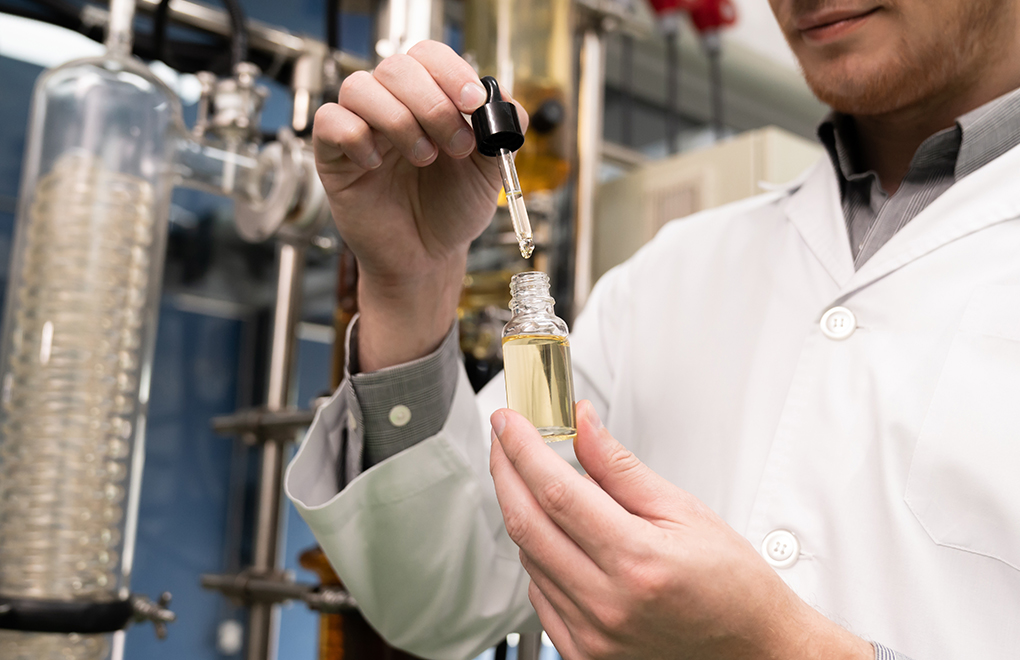
Step 5: Create a Stable and Scalable Formula
A beautiful formula must also be manufacturable.
Formula Development Priorities
| Priority | Importance |
|---|---|
| Stability | Product shelf life |
| Compatibility | Packaging performance |
| Safety | Consumer confidence |
| Scalability | Commercial production |
👉 Many startup brands underestimate the importance of stability testing.
👉 Learn formulation strategy in Custom Hair Care Formulation: How to Develop Unique Products for Your Brand
Step 6: Choose Packaging That Supports Premium Positioning
Hair serum packaging strongly influences perceived value.
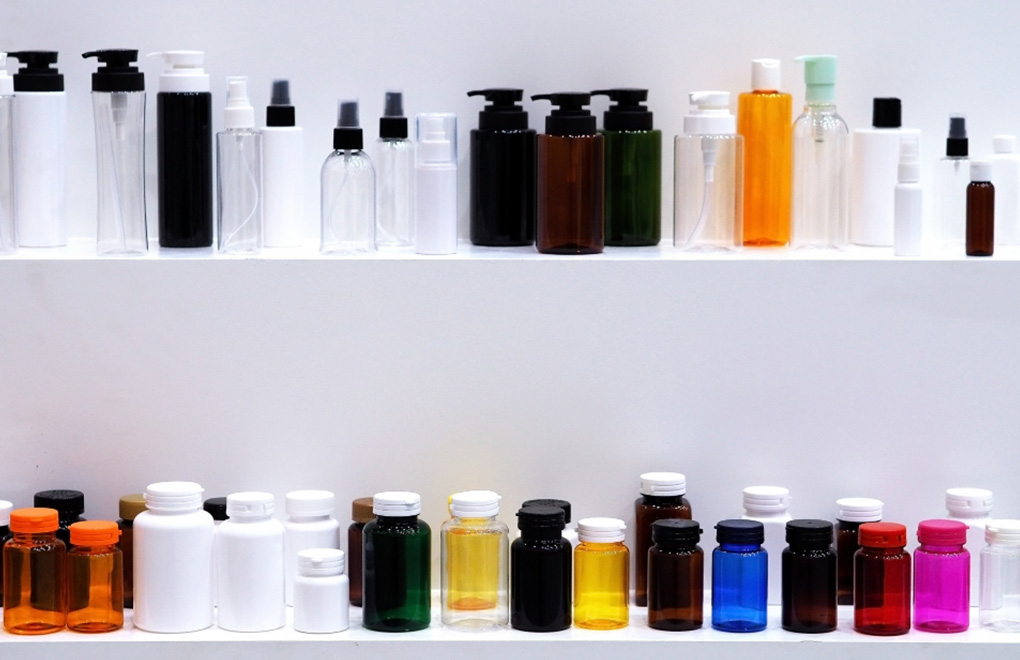
Popular Packaging Formats
| Format | Best For |
|---|---|
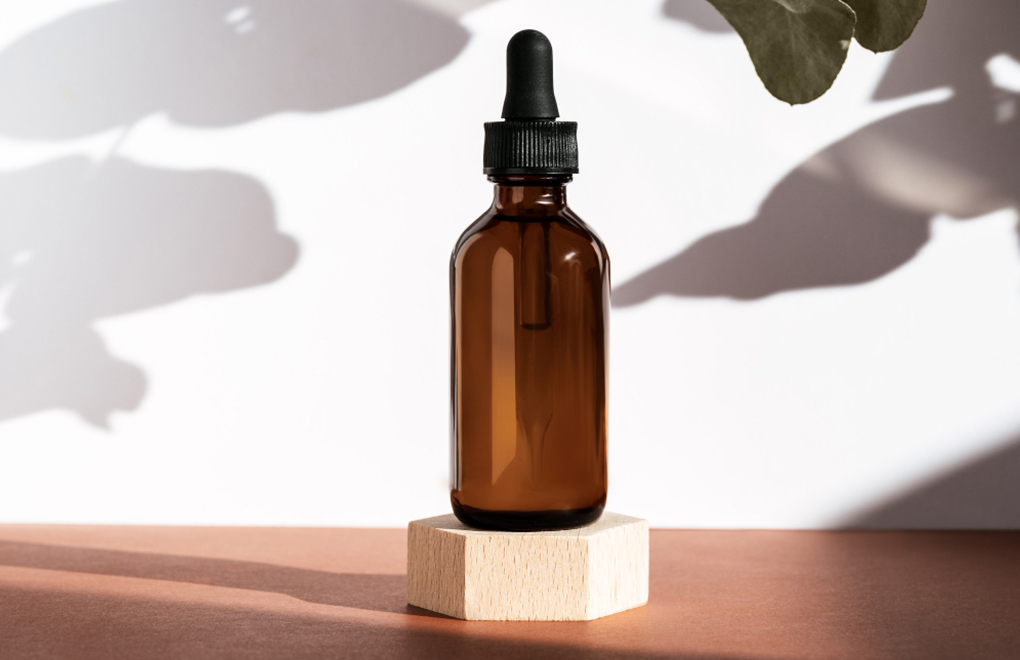
| Dropper Bottles | Hair growth serums |
| Pump Bottles | Daily use products |
| Airless Pumps | Premium formulations |
| Glass Bottles | Luxury positioning |
Packaging Trends for 2026
- Frosted glass
- Minimalist labels
- Sustainable materials
- Premium metallic accents
👉 Premium packaging can significantly improve conversion rates.
👉 Learn packaging strategy in Hair Care Packaging Design Trends
👉 Learn sustainability trends in Sustainable Hair Care Packaging
Step 7: Decide Between OEM, ODM, or Private Label
The manufacturing model affects speed, cost, and customization.
Comparison
| Model | Best For |
|---|---|
| Private Label | Fastest launch |
| ODM | Moderate customization |
| OEM | Fully custom products |
👉 Brands seeking differentiation often choose OEM development.
👉 Learn manufacturing options in OEM vs ODM in Hair Care: Key Differences and Which Model Is Best for Your Brand
Step 8: Prepare for Regulatory Compliance
Hair serums must meet local cosmetic regulations.
Common Requirements
- Ingredient labeling
- INCI compliance
- Product safety testing
- Packaging claims review
👉 Compliance helps avoid costly launch delays.
👉 Learn compliance requirements in Hair Care Label Requirements in the USA
Step 9: Build a Go-to-Market Strategy
Great products still need effective marketing.
Best Channels for Hair Serums
| Channel | Why It Works |
|---|---|
| TikTok | Visual transformations |
| Amazon | High purchase intent |
| DTC Website | Brand ownership |
| Influencer Marketing | Social proof |
👉 Hair serums are highly visual products that perform exceptionally well in short-form video content.
👉 Learn social growth strategy in TikTok Marketing for Hair Care Brands
👉 Learn creator strategy in Influencer Marketing for Hair Care Products
Step 10: Build a Product Line Instead of One SKU
Long-term growth usually comes from systems, not single products.
Example Hair Serum Product Line
| Product | Purpose |
|---|---|
| Hair Growth Serum | Growth support |
| Scalp Serum | Wellness positioning |
| Repair Serum | Damage recovery |
| Shine Serum | Cosmetic enhancement |
👉 Product ecosystems increase customer lifetime value.
👉 Learn retention strategy in Email Marketing for Hair Care Brands
Common Hair Serum Development Mistakes
| Mistake | Impact |
|---|---|
| Copying competitors | Weak differentiation |
| Too many claims | Regulatory risk |
| Poor packaging | Lower perceived value |
| Generic ingredients | Weak marketing story |
👉 The most successful serum brands combine science, branding, and storytelling.
Why Hair Serums Are Ideal for Private Label Brands
Key Advantages
| Benefit | Impact |
|---|---|
| Premium pricing | Higher margins |
| Small packaging | Lower logistics costs |
| Strong repeat purchase rates | Better LTV |
| Social media appeal | Easier customer acquisition |
👉 Hair serums are often among the most profitable SKUs in a beauty brand portfolio.
Why Work with HODM
HODM helps brands develop high-performance hair serum products from concept to commercialization.
Capabilities
| Capability | Benefit |
|---|---|
| Custom serum formulations | Strong differentiation |
| Hair growth expertise | Market relevance |
| Premium packaging support | Better positioning |
| Flexible MOQ | Easier launches |
👉 HODM supports startups, salon brands, Amazon sellers, and DTC beauty companies.
FAQ
What ingredients should be included in a hair serum?
Popular hair serum ingredients include rosemary oil, peptides, niacinamide, caffeine, biotin, argan oil, and keratin. The ideal ingredient selection depends on the product’s positioning and target audience.
Are hair serums profitable for private label brands?
Yes. Hair serums typically offer high perceived value, premium pricing potential, strong repeat purchase rates, and relatively low packaging and shipping costs, making them attractive for private label businesses.
Should I choose OEM or private label for a hair serum?
Private label is best for speed and lower startup costs, while OEM is better for brands seeking custom formulations, stronger differentiation, and long-term brand value.
What packaging works best for hair serums?
Dropper bottles and airless pumps are among the most popular options because they support premium positioning and controlled product application.
How long does it take to develop a custom hair serum?
Development timelines vary depending on formulation complexity, testing requirements, packaging development, and regulatory review. Custom OEM projects generally take longer than private label launches.
👉 If you want custom formulation strategies, read
Custom Hair Care Formulation: How to Develop Unique Products for Your Brand
👉 If you want to understand manufacturing options, explore
OEM vs ODM in Hair Care: Key Differences and Which Model Is Best for Your Brand
👉 If you want to launch a complete DTC brand, see
How to Build a DTC Hair Care Brand
Conclusion
Hair serums represent one of the strongest opportunities in the hair care industry. With growing demand for hair growth, scalp wellness, and targeted treatment products, brands that combine effective formulations, premium packaging, and strategic marketing can build highly profitable product lines and long-term customer loyalty.
Launch Your Hair Serum Product Line with HODM
HODM offers:
- Custom hair serum formulation development
- Hair growth and scalp care expertise
- Premium packaging solutions
- Flexible MOQ and scalable production
Contact us today to develop your next best-selling hair serum product line.