
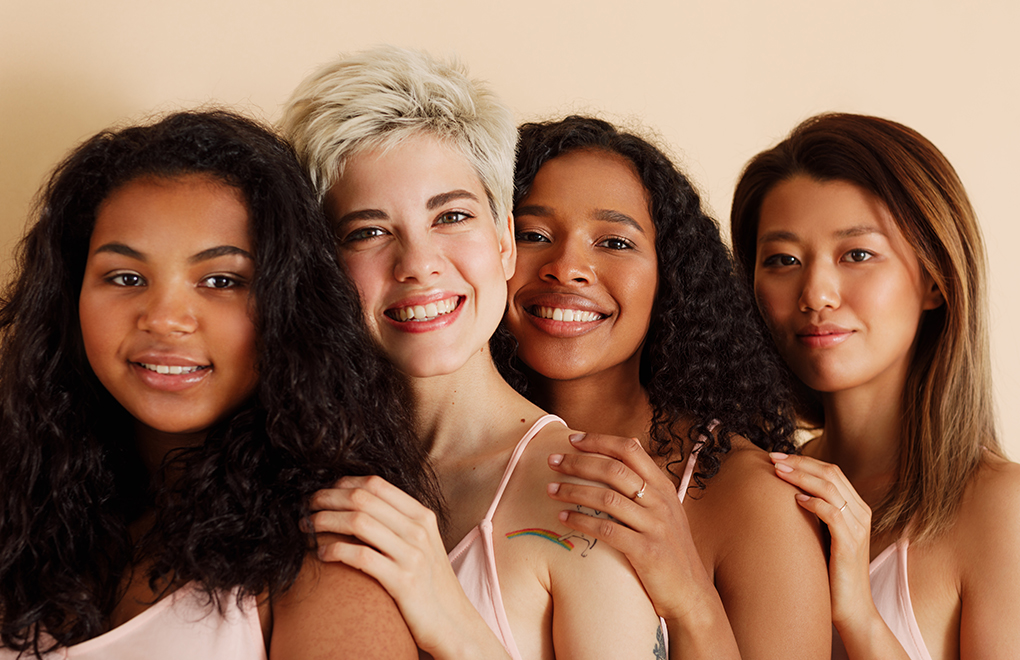
How Custom Shampoo Is Formulated for Different Hair Types
Not all hair is the same—and neither should shampoo formulas be. One of the biggest advantages of custom shampoo formulation is the ability to tailor ingredients, cleansing systems, and active levels to meet the needs of different hair types and scalp conditions. This is why custom shampoos consistently outperform generic, mass-market formulas.
In this guide, we explain how custom shampoo is formulated for different hair types, breaking down the science behind surfactants, conditioning agents, actives, and pH balance. Whether you’re developing a shampoo for dry hair, oily scalp, curly texture, or damaged strands, understanding these formulation principles is key to building high-performance products.
1. Why Hair Type Matters in Shampoo Formulation
Hair type affects:
- Sebum production
- Moisture retention
- Cuticle structure
- Sensitivity to cleansing agents
A shampoo that works for oily hair may strip dry hair, while a rich moisturizing shampoo may weigh down fine hair. Custom shampoo formulation solves this by adjusting the formula structure, not just adding trendy ingredients.
2. Core Elements of Custom Shampoo Formulation
Every custom shampoo is built around four key components:
- Cleansing System (Surfactants)
- Conditioning & Moisturizing Agents
- Active Ingredients
- pH & Scalp Compatibility
These elements are adjusted based on hair type and scalp needs.
3. Custom Shampoo for Dry & Dehydrated Hair
Formulation Focus:
- Gentle cleansing
- Maximum moisture retention
- Cuticle smoothing
Typical Ingredients:
- Mild, sulfate-free surfactants
- Glycerin, panthenol, hyaluronic acid
- Shea butter, argan oil, avocado oil
- Aloe vera for scalp comfort
Key Benefit:
Prevents moisture loss while restoring softness and shine.
4. Custom Shampoo for Oily Hair & Oily Scalp
Formulation Focus:
- Effective oil control
- Scalp balance without over-drying
Typical Ingredients:
- Lightweight surfactants with good sebum removal
- Zinc PCA or niacinamide
- Tea tree, green tea, or rosemary extract
- Minimal heavy oils or silicones
Key Benefit:
Controls excess oil while maintaining scalp health.
5. Custom Shampoo for Curly & Textured Hair
Formulation Focus:
- Moisture retention
- Curl definition
- Reduced frizz
Typical Ingredients:
- Ultra-mild cleansing agents
- Conditioning polymers
- Natural oils and butters
- Protein-moisture balance actives
Key Benefit:
Enhances curl pattern without stripping natural oils.
6. Custom Shampoo for Fine & Thin Hair
Formulation Focus:
- Lightweight cleansing
- Volume without buildup
Typical Ingredients:
- Low-residue surfactants
- Volumizing polymers
- Biotin, caffeine, peptides
- Minimal oils and conditioners
Key Benefit:
Creates lift and fullness without weighing hair down.
7. Custom Shampoo for Damaged & Chemically Treated Hair
Formulation Focus:
- Repair and strengthening
- Cuticle protection
Typical Ingredients:
- Bond-building actives
- Hydrolyzed proteins (keratin, silk, wheat)
- Ceramides and amino acids
- pH-balanced systems for color protection
Key Benefit:
Reduces breakage and improves hair resilience.
8. Custom Shampoo for Sensitive Scalp
Formulation Focus:
- Low irritation
- Scalp soothing and barrier repair
Typical Ingredients:
- Ultra-gentle surfactants
- Panthenol, allantoin, bisabolol
- Oat extract or calendula
- Fragrance-minimized or allergen-free systems
Key Benefit:
Maintains scalp comfort while cleansing effectively.
9. pH Balance: A Critical Customization Factor
Custom shampoos are typically formulated at pH 4.5–5.5, but this can be fine-tuned depending on:
- Scalp sensitivity
- Hair damage level
- Color-treated hair needs
Proper pH:
- Protects the cuticle
- Reduces frizz
- Supports scalp microbiome health
10. Why Custom Shampoo Delivers Better Results
Compared to generic formulas, custom shampoos:
- Address real hair and scalp needs
- Improve long-term hair condition
- Reduce irritation and imbalance
- Support premium and clean beauty positioning
This is why brands targeting US & EU markets increasingly choose custom shampoo formulation over mass-market solutions.
Conclusion
Understanding how custom shampoo is formulated for different hair types allows brands to create products that truly perform. By adjusting surfactants, conditioning systems, actives, and pH, custom shampoos deliver targeted results that generic shampoos simply can’t match.
Final CTA (B2B Conversion)
Ready to Develop a Custom Shampoo for Your Target Hair Type?
We offer:
✔ Custom shampoo formulation for all hair types
✔ Sulfate-free & clean beauty options
✔ Private label and fully custom solutions
✔ Low MOQ and scalable manufacturing
✔ US & EU compliance support
👉 Contact us today to create a custom shampoo formula tailored to your market.