
How to Plan Your First Hair Care Production Order Without Overstocking
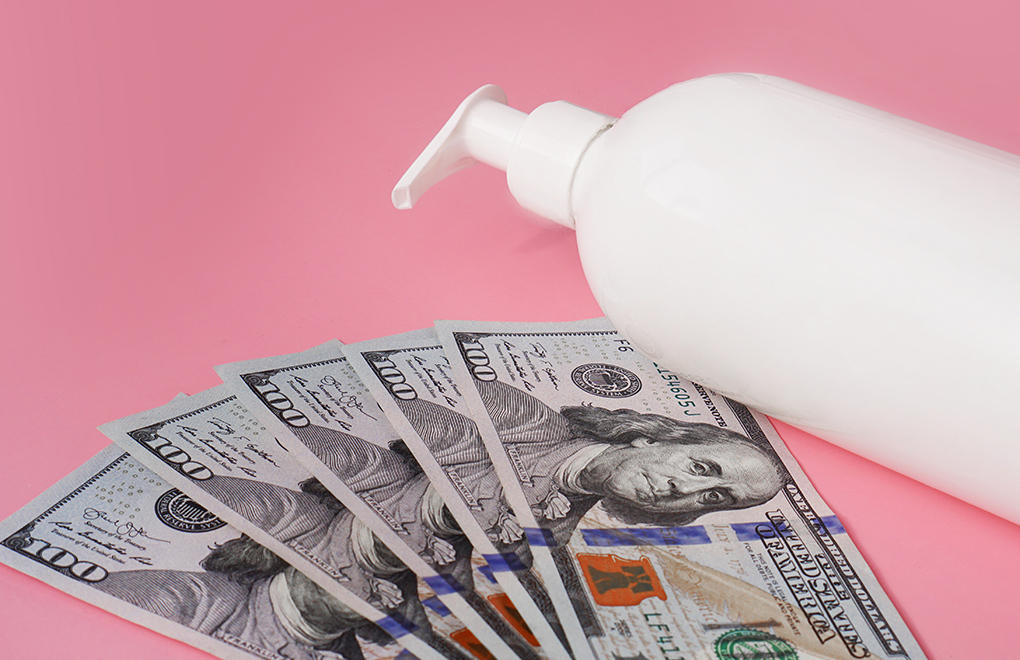
Planning your first hair care production order is an important step when launching a private label brand. Ordering too many products can tie up cash in unsold inventory, while ordering too few may lead to stock shortages, delayed replenishment, and missed sales opportunities.
For new hair care businesses, the challenge is finding the right balance between product selection, minimum order quantities, expected demand, production lead times, and available inventory budgets.
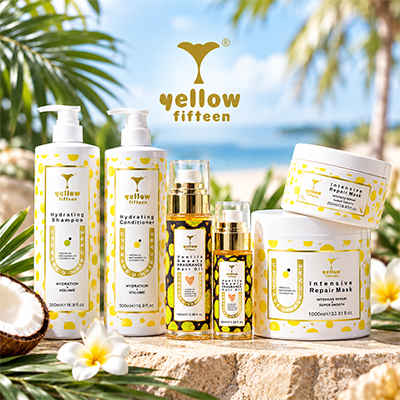
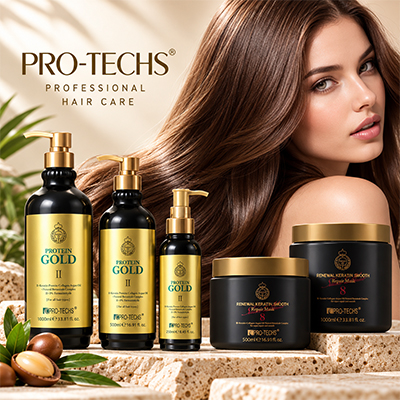
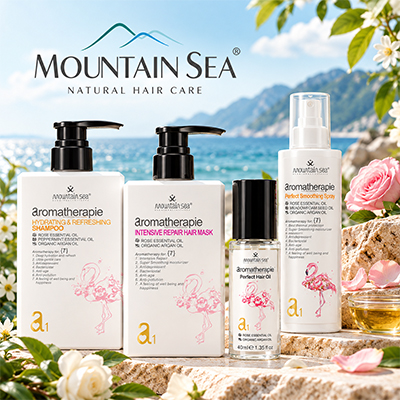
Whether you are launching shampoos, conditioners, hair masks, hair oils, or styling products, a structured production plan can help you manage your initial investment and avoid unnecessary stock accumulation. HODM provides OEM/ODM hair care manufacturing and hair care product sample options to support brands during product development and production preparation.
This guide explains how to plan your first hair care production order, estimate initial demand, select the right SKUs, evaluate MOQ, calculate inventory requirements, and establish a replenishment strategy without overstocking.
1. Why Your First Hair Care Production Order Matters
Your first production order determines how much inventory you invest in before your brand has established a reliable sales history.
Unlike established brands with historical sales data, new businesses often need to make their first purchasing decisions using market research, customer feedback, competitor analysis, and realistic sales estimates.
The Risks of Ordering Too Much
- Cash Flow Pressure: Excess inventory ties up money that could be used for marketing, operations, and future product development.
- Storage Costs: Larger inventories require additional warehouse space and stock management.
- Slow-Moving Products: Some SKUs may sell more slowly than expected.
- Product Changes: Packaging, formulas, or branding may need adjustments after receiving customer feedback.
- Inventory Risk: Products may approach their expiration dates or become commercially outdated before they sell.
The Risks of Ordering Too Little
- Products may sell out before the next shipment arrives.
- Repeated small orders may increase logistics expenses.
- Production schedules may not match customer demand.
- Retailers and distributors may lose confidence if products are frequently unavailable.
The goal is not to place the smallest possible order. It is to purchase enough inventory to support your expected sales while maintaining sufficient cash flow for the next stage of the business.
2. Research Market Demand Before Placing Your First Order
Before contacting a manufacturer about production quantities, brands should establish a realistic understanding of their target market and potential product demand.
Identify Your Target Customers
Determine who will purchase your products. Your target customers may include everyday hair care consumers, salon professionals, customers with specific hair concerns, or beauty retailers.
Different customer groups may have different purchasing habits, preferred product sizes, price expectations, and reorder frequencies.
Research Competing Products
Review similar products in your target market. Pay attention to:
- Product categories and popular SKUs.
- Retail prices and promotional discounts.
- Product sizes and packaging formats.
- Customer reviews and recurring complaints.
- Brand positioning and product collections.
- Distribution channels and sales strategies.
Validate Demand Before Manufacturing
Market research alone cannot guarantee future sales. Brands should also use customer interviews, sample feedback, pre-launch interest, distributor discussions, and other available demand signals.
Estimate Your Initial Monthly Sales
Create a conservative sales estimate for each product rather than assuming every SKU will sell at the same rate.
For example, a new shampoo may attract more initial interest than a specialized hair mask. Your first production order should reflect these differences.
3. Choose the Right Products for Your First Production Order
One of the most effective ways to reduce initial inventory risk is to launch with a focused product collection rather than manufacturing too many SKUs at once.
Start with Core Hair Care Products
A new brand may consider starting with a small collection of complementary products, such as:
- Shampoo: The foundation of a daily cleansing collection.
- Conditioner: A complementary product for softness and manageability.
- Hair Mask: A treatment-oriented product for specialized hair care routines.
- Hair Oil: A finishing and conditioning product.
Prioritize Products with Clear Market Demand
Consider which products solve the most important customer problems and which are easiest to communicate and market.
A focused collection can also simplify photography, product descriptions, advertising, inventory management, and launch planning.
Separate Core Products from Future Products
Not every product needs to be manufactured during the initial launch. Some categories can be introduced after the first sales data becomes available.
| Product Category | Initial Planning Role | Priority Consideration |
|---|---|---|
| Shampoo | Core product | Target customer demand |
| Conditioner | Complementary product | Shampoo pairing |
| Hair Mask | Treatment product | Target audience and price |
| Hair Oil | Finishing care | Product positioning |
| Styling Products | Expansion opportunity | Additional market demand |
4. Understand MOQ Before Calculating Your Order Quantity
Minimum Order Quantity (MOQ) is the minimum quantity a manufacturer or packaging supplier requires for a particular order or production arrangement.
For private label hair care manufacturing, MOQ may apply separately to different products, formulas, packaging components, or customization requirements.
What Can Affect Hair Care MOQ?
- Product category and formula complexity.
- Raw material purchasing requirements.
- Manufacturing batch size.
- Bottle, jar, and tube availability.
- Customized packaging and printing.
- Production line and filling requirements.
Ask Whether MOQ Applies Per SKU
If you plan to launch shampoo, conditioner, and hair mask products, do not assume that the combined order quantity can automatically be distributed across all three products.
Ask the manufacturer whether MOQ applies to each formula, fragrance, packaging configuration, or finished product SKU.
Distinguish Product MOQ from Packaging MOQ
A manufacturer may have one MOQ for finished products, while customized bottles, pumps, labels, and cartons have separate minimum purchasing quantities.
This distinction is important because ordering more packaging than your initial production requirement may create additional inventory and storage costs.
Request Different Order Quantity Quotations
Ask for quotations at several possible quantities. Comparing unit prices at different order levels helps you understand whether a larger order provides meaningful savings.
5. Forecast Your Initial Production Quantity
Your first production quantity should be based on expected sales, launch timing, replenishment lead time, and the amount of inventory you can financially support.
Step 1: Estimate Monthly Sales by SKU
Estimate the number of units you reasonably expect to sell each month for every product.
Step 2: Determine Your Initial Inventory Coverage
Decide how many months of inventory you want to hold initially. New brands may choose a shorter coverage period to limit their exposure, provided it is compatible with MOQ and production lead times.
Step 3: Include the Replenishment Lead Time
Consider the time required to reorder, manufacture, complete quality checks, and transport the next shipment.
Step 4: Add a Suitable Safety Buffer
A safety buffer can help protect against unexpected demand or delivery delays. Its size should reflect sales uncertainty, supplier reliability, and available cash.
Step 5: Check MOQ and Available Budget
Compare the calculated quantity with the manufacturer's MOQ and your available inventory budget. If the MOQ is too high, consider alternative packaging, fewer SKUs, or another suitable production arrangement.
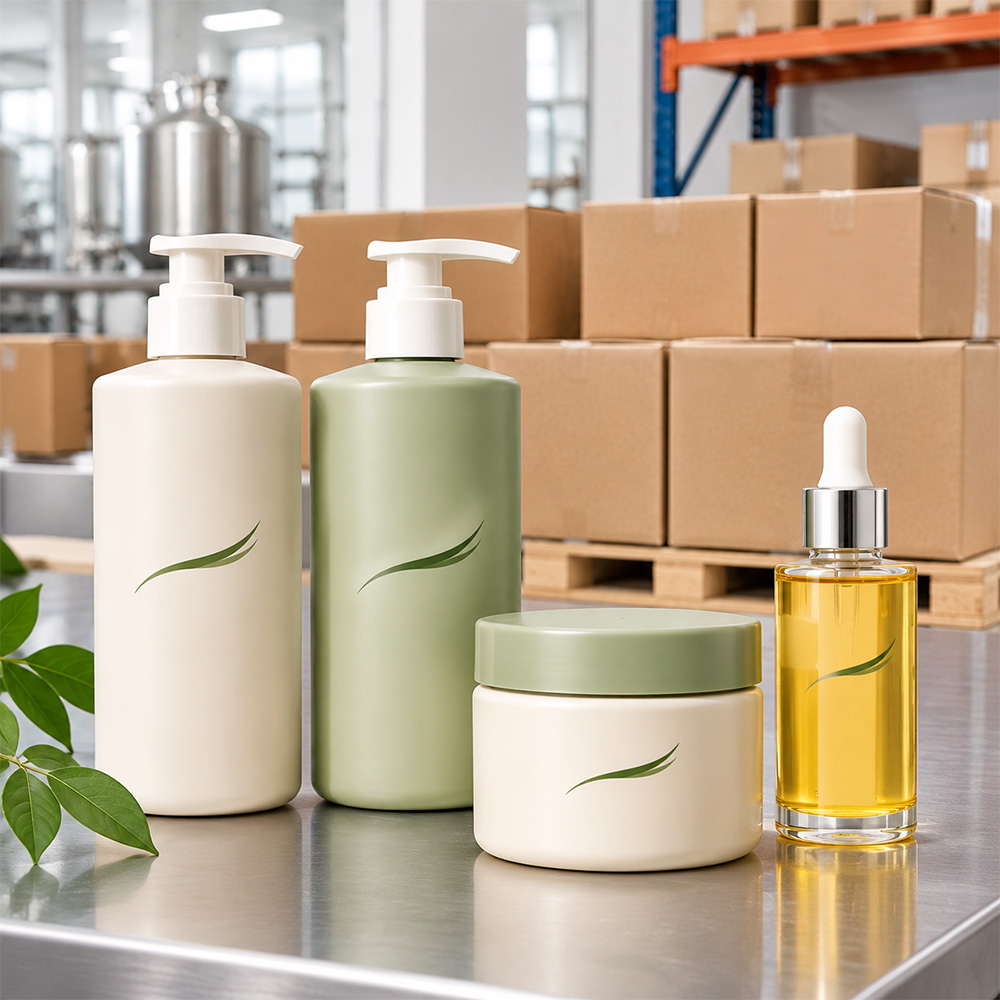
Plan product quantities, packaging, and inventory according to expected demand and production requirements.
6. First Hair Care Production Order: A Practical Example
Consider a new private label brand preparing to launch three products: shampoo, conditioner, and hair mask.
The brand has completed initial market research, selected its core products, and estimated monthly sales based on its launch plan.
Example Monthly Sales Forecast
| Product | Estimated Monthly Sales | Planned Initial Coverage |
|---|---|---|
| Shampoo | 300 Units | 3 Months |
| Conditioner | 200 Units | 3 Months |
| Hair Mask | 100 Units | 3 Months |
Calculate the Initial Demand
Initial Demand = Estimated Monthly Sales × Planned Inventory Coverage
| Product | Monthly Sales | 3-Month Demand |
|---|---|---|
| Shampoo | 300 | 900 Units |
| Conditioner | 200 | 600 Units |
| Hair Mask | 100 | 300 Units |
| Total | 600 | 1,800 Units |
Compare the Demand with MOQ
Assume the manufacturer confirms a hypothetical MOQ of 1,000 units per product.
| Product | Estimated Demand | Example MOQ | Required Order |
|---|---|---|---|
| Shampoo | 900 | 1,000 | 1,000 |
| Conditioner | 600 | 1,000 | 1,000 |
| Hair Mask | 300 | 1,000 | 1,000 |
| Total | 1,800 | - | 3,000 |
The MOQ increases the initial order from the estimated 1,800 units to 3,000 units. The brand therefore needs to evaluate whether the additional inventory is financially and commercially reasonable.
Calculate the Inventory Exposure
After the planned three-month sales period, the estimated remaining inventory would be:
| Product | Initial Order | 3-Month Demand | Estimated Remaining |
|---|---|---|---|
| Shampoo | 1,000 | 900 | 100 |
| Conditioner | 1,000 | 600 | 400 |
| Hair Mask | 1,000 | 300 | 700 |
The hair mask creates the largest inventory exposure because its forecast demand is lower than the MOQ. This may indicate that the brand should reconsider its initial product assortment or negotiate different packaging and production arrangements.
The example shows why MOQ should be evaluated against SKU-level demand rather than only the total order quantity.
7. Calculate Your Initial Inventory Budget
Your production order should fit within the amount of working capital available for inventory. Avoid spending the entire launch budget on manufacturing while leaving insufficient money for marketing, fulfillment, and replenishment.
Calculate the Initial Product Investment
Initial Inventory Investment = Order Quantity × Landed Cost per Unit
Example: Three-Product Launch Budget
Assume the following illustrative landed costs:
| Product | Order Quantity | Landed Cost | Total Investment |
|---|---|---|---|
| Shampoo | 1,000 | $5.00 | $5,000 |
| Conditioner | 1,000 | $5.50 | $5,500 |
| Hair Mask | 1,000 | $6.00 | $6,000 |
| Total | 3,000 | - | $16,500 |
The initial inventory investment is $16,500 under these assumptions. This figure should be compared with the available inventory budget before confirming the order.
Keep Additional Working Capital
Do not allocate all available funds to the initial production order. Maintain a separate budget for:
- Marketing and advertising.
- Website and ecommerce operations.
- Warehousing and fulfillment.
- Shipping and customer service.
- Future production and replenishment.
- Unexpected operational expenses.
Include Inventory Holding Costs
Larger orders may create additional storage, handling, insurance, and inventory management expenses. These costs should be considered when comparing different MOQ options.
8. Understand Production Lead Time Before Ordering
Production lead time is the period between placing an order and receiving the finished products at the intended destination. For imported private label hair care products, the complete timeline may involve several stages.
Formula and Sample Approval
If the formula is still under development, additional time may be needed for sample preparation, evaluation, revisions, and final approval.
Packaging Procurement
Standard packaging and customized packaging may have different sourcing timelines. Custom colors, printing, special components, and molds may require additional preparation.
Commercial Production
Once the formula and packaging are confirmed, the manufacturer can coordinate raw materials, production scheduling, filling, packaging, and quality inspections.
Shipping and Customs
International transportation, customs clearance, and domestic delivery should be included when estimating the time before inventory becomes available for sale.
Create a Realistic Production Timeline
Ask your manufacturer to provide a project-specific schedule covering:
- Formula and sample approval.
- Packaging confirmation and procurement.
- Raw material preparation.
- Production and filling.
- Quality inspection and release.
- Shipping and delivery.
Do not assume that the factory production time represents the entire order-to-inventory timeline.
9. Calculate Your Reorder Point and Safety Stock
A good production plan does not end after the first order. Brands should establish a replenishment strategy to reduce the risk of stockouts while avoiding excessive inventory.
What Is a Reorder Point?
The reorder point is the inventory level at which a brand should initiate a replenishment order.
Basic Reorder Point Formula
Reorder Point = Average Daily Sales × Replenishment Lead Time + Safety Stock
Example Calculation
Assume a brand sells 10 shampoo bottles per day. The complete replenishment lead time is 30 days, and the brand maintains 100 units of safety stock.
Reorder Point = (10 × 30) + 100 = 400 Units
When available inventory reaches approximately 400 units, the brand should review and initiate the next order according to its purchasing schedule.
What Is Safety Stock?
Safety stock is additional inventory maintained to help absorb unexpected demand or supply delays.
The appropriate amount depends on sales variability, supplier reliability, lead time, product shelf life, and the financial cost of holding inventory.
Do Not Treat Safety Stock as Excess Inventory
Safety stock should be calculated intentionally. Too little may increase stockout risk, while too much can tie up working capital.
10. Monitor Inventory by SKU Instead of Looking Only at Total Stock
A brand may have plenty of inventory overall but still run out of its most popular shampoo while slower-selling products remain in storage.
This is why inventory planning should be managed separately for every SKU.
Track Key Inventory Metrics
- Available Stock: Units currently available for sale.
- Reserved Stock: Units allocated to confirmed orders.
- Incoming Inventory: Products already ordered but not yet received.
- Average Daily Sales: Average units sold per day.
- Days of Inventory: Estimated number of days current stock can support.
- Reorder Point: Inventory level that triggers replenishment review.
Example Inventory Monitoring Table
| SKU | Available Stock | Daily Sales | Days of Stock |
|---|---|---|---|
| Repair Shampoo | 600 | 10 | 60 Days |
| Repair Conditioner | 450 | 6 | 75 Days |
| Hair Mask | 700 | 3 | 233 Days |
In this example, the shampoo has the shortest inventory coverage and may need replenishment earlier than the hair mask.
Review Inventory Regularly
Update inventory records when sales occur, orders are received, stock is reserved, or products are damaged or removed from sale.
11. Practical Ways to Avoid Overstocking Your First Hair Care Order
New brands can reduce inventory risk by controlling the number of initial SKUs, validating customer demand, and planning replenishment before placing the first order.
Start with a Focused Product Collection
Launch a smaller number of complementary products instead of developing every possible hair care category at once.
Use Standard Packaging Where Appropriate
Standard bottles and closures may offer more flexibility than fully customized packaging in some projects. Discuss available options with your manufacturer before committing to custom components.
Validate Products Before Bulk Production
Evaluate samples, collect feedback, and confirm formula and packaging requirements before placing a commercial production order.
Prioritize High-Demand SKUs
Allocate inventory according to expected sales rather than dividing the total quantity equally across every product.
Negotiate Production Arrangements
Discuss whether production can be scheduled in stages, whether standard packaging can be used, and whether the manufacturer can support different quantities for different SKUs.
Do not assume split deliveries or smaller production batches are automatically available. Confirm the arrangements, MOQ, costs, and storage responsibilities with the manufacturer.
Monitor Sell-Through Before Reordering
Use actual sales data to adjust the next production order. Avoid repeating the original forecast without considering real customer demand.
12. What to Confirm with Your Hair Care Manufacturer Before Ordering
Clear communication with your manufacturer helps prevent misunderstandings about production quantities, packaging, costs, and delivery arrangements.
Product and Formula Requirements
- Final product categories and SKUs.
- Approved formula versions.
- Product sizes and specifications.
- Ingredient and fragrance requirements.
- Sample approval status.
Packaging Requirements
- Bottle, jar, or tube specifications.
- Packaging material and color.
- Pumps, caps, and other components.
- Label and carton artwork.
- Packaging MOQ and procurement timeline.
Commercial and Production Details
- MOQ per SKU and packaging component.
- Unit price at different order quantities.
- Payment terms and production deposit.
- Production lead time.
- Quality inspection arrangements.
- Shipping terms and delivery estimates.
- Reorder arrangements and future production capacity.
Confirm the Final Production Specifications
Make sure the manufacturer and brand agree on the approved formula, product specifications, packaging, order quantities, and quality requirements before production begins.
For more information, read What Should Be Included in a Hair Care Product Specification Sheet?
13. First Hair Care Production Order Checklist
Before confirming your first order, review the following items to ensure that the product, quantity, budget, and manufacturing arrangements are ready.
| Planning Item | What to Confirm |
|---|---|
| Market Research | Target customers and market demand reviewed |
| Product Selection | Initial SKUs and product priorities confirmed |
| Sample Approval | Formula and product characteristics approved |
| Product Specifications | Formula and product requirements documented |
| Packaging | Container and artwork approved |
| MOQ | Minimum quantities confirmed for each SKU |
| Demand Forecast | Initial monthly sales estimates prepared |
| Order Quantity | Inventory coverage and MOQ evaluated |
| Inventory Budget | Product investment and working capital planned |
| Production Timeline | Production and delivery schedule confirmed |
| Quality Requirements | Testing and inspection arrangements confirmed |
| Replenishment Plan | Reorder point and safety stock established |
Frequently Asked Questions
How much should I order for my first hair care production run?
Your initial order should be based on expected sales, SKU-level demand, MOQ, replenishment lead time, inventory budget, and product shelf life. New brands should avoid choosing quantities based only on the lowest available unit price.
What is a typical MOQ for private label hair care products?
MOQ varies according to the product category, formula, manufacturing batch requirements, packaging, customization, and supplier arrangements. Ask whether the minimum quantity applies per SKU, formula, or packaging component.
Should I launch all my hair care products at once?
Not necessarily. A focused collection of complementary products can help new brands control inventory, simplify marketing, and validate customer demand before expanding into additional categories.
How many months of inventory should a new hair care brand hold?
There is no universal inventory coverage period. It depends on demand uncertainty, production lead time, MOQ, cash flow, storage capacity, and product shelf life. Brands should use conservative sales estimates and adjust inventory as real sales data becomes available.
How can I reduce MOQ for my first hair care order?
Discuss standard packaging options, fewer SKUs, available formulas, different production quantities, and possible staged production arrangements with the manufacturer. The feasibility depends on the manufacturer's equipment, materials, and production requirements.
Should I order more packaging than the finished product quantity?
Additional packaging may be required depending on supplier MOQ, filling losses, quality inspection, and future production plans. However, excess packaging can create additional storage and inventory costs. Confirm the actual requirement with your manufacturer.
When should I place my next production order?
Use a reorder point based on average sales during the replenishment lead time plus an appropriate safety stock. Review incoming inventory and confirmed orders when making the purchasing decision.
Can HODM help new brands plan their first production order?
HODM can discuss product categories, formula requirements, packaging options, MOQ, production quantities, and manufacturing arrangements according to your project. Final order recommendations depend on the specific products and confirmed commercial requirements.
Explore HODM OEM/ODM Hair Care Manufacturing.
Should I approve samples before placing a bulk production order?
Yes. Brands should evaluate and approve the relevant formula and packaging samples before commercial production, while ensuring that applicable testing, documentation, and quality requirements are also addressed.
Read Hair Care Product Sample Evaluation: What Brands Should Check Before Approval.
Conclusion: Plan Your First Production Order with Confidence
Planning your first hair care production order requires a balance between expected demand, product selection, MOQ, inventory investment, and replenishment lead time.
New brands should start with a focused product collection, validate customer interest, calculate initial demand by SKU, and compare expected quantities with the manufacturer's actual production requirements.
Inventory planning should also include a realistic budget, suitable safety stock, and a clear reorder point. These steps help reduce the risk of overstocking while maintaining enough inventory to support customer demand.
By combining careful demand forecasting with clear communication and an experienced manufacturing partner, brands can approach their first production order with greater financial control and a stronger foundation for future growth.
Plan Your First Hair Care Production Order with HODM
HODM Cosmetics supports new and established hair care brands with formula development, sample evaluation, packaging customization, and OEM/ODM manufacturing.
Whether you are planning your first shampoo, conditioner, hair mask, hair oil, or a complete product collection, our team can discuss MOQ, packaging requirements, production quantities, and manufacturing arrangements.
Share your product ideas, target quantities, and packaging preferences to explore suitable production options for your brand.
Discuss Your First Production Order