
Hair Repair Products Manufacturer for Custom Solutions
Damaged hair care requires the right balance of conditioning, strength, and moisture. HODM helps brands create customized repair shampoos, conditioners, hair masks, treatments, and serums with tailored ingredients, textures, and product benefits to suit different hair care needs.

Professional
Formulas

Natural
Organic

Competitive
Pricing
 13 Years Cosmetics Manufacturer
 7000 Formulas
 600 Private Label Collaborations
 92 Cooperate Countries
13 Years Cosmetics Manufacturer
7000 Formulas
600 Private Label Collaborations
92 Cooperate Countries


Hair Repair Products Manufacturer Solutions
Hair repair products are designed to address different needs associated with dryness, breakage, chemical processing, and loss of smoothness. HODM supports customized formulations for repair shampoos, conditioning treatments, intensive masks, and leave-in serums, with tailored ingredient systems and product textures to suit your brand’s target customers.
A cohesive repair collection requires more than individual products—it needs a consistent approach to conditioning, application, and overall hair feel. Our team helps brands refine product concepts, evaluate samples, coordinate packaging, and prepare for commercial manufacturing, making it easier to build a differentiated hair repair range for professional or retail markets.
Hair Repair Products Manufacturing Process

Product Consultation
We identify your target hair concerns, desired repair benefits, ingredient preferences, and product positioning to define your development goals.

Repair Formula Development
Our R&D team develops customized formulas with suitable conditioning ingredients, proteins, and moisturizing agents based on your product requirements.

Repair Performance Testing
We evaluate samples for softness, smoothness, detangling, manageability, hair feel, and overall conditioning performance before final approval.

Packaging Preparation
We select suitable bottles, jars, tubes, or pumps based on formula viscosity, application method, product capacity, and packaging requirements.
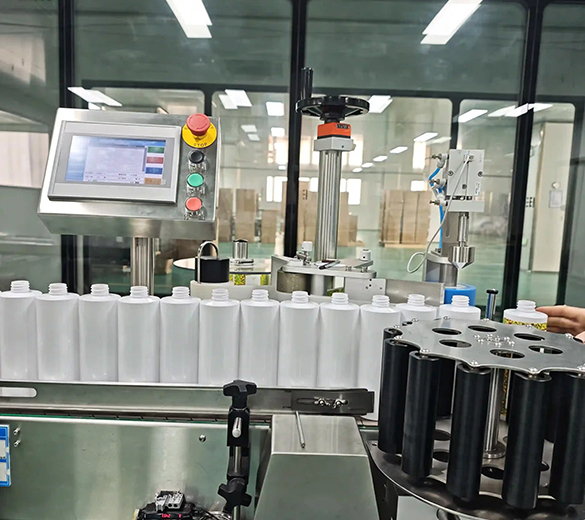
Factory Production
Approved formulas move into controlled manufacturing and filling according to defined formulation, packaging, and production specifications.

Quality Inspection
Each batch is inspected for appearance, consistency, fragrance, viscosity, filling accuracy, and finished product quality before shipment.
MOQ & Lead Time
Flexible Orders, Fast Production
We offer flexible order quantities and efficient production timelines to support brands at every stage of development and help bring your finished products to market faster and more smoothly.
Hair Care Products


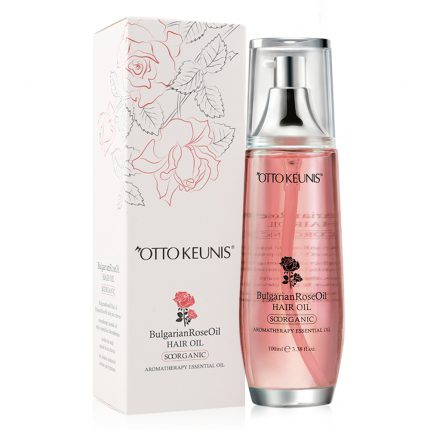


Jojoba Oil Golden
$4.16

Organic Coconut Oil
$4.12


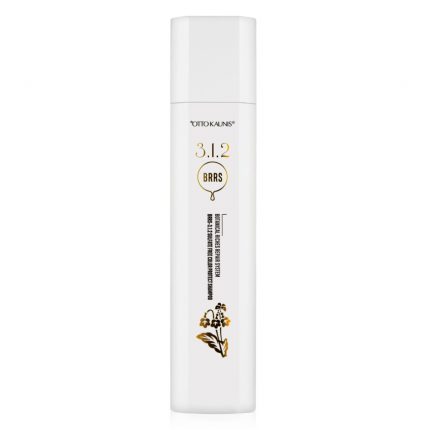
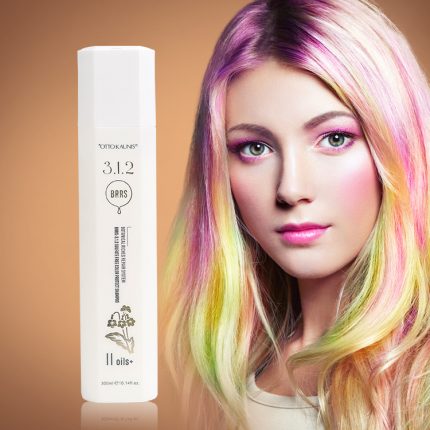


Max Repair Shampoo
$2.49

Biotin Shampoo
Price range: $1.52 through $4.17

Hair Repair Shampoo
Price range: $1.27 through $3.16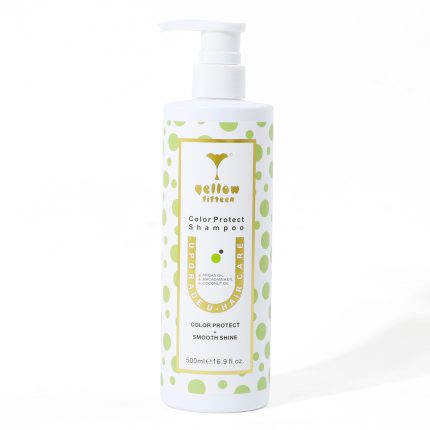
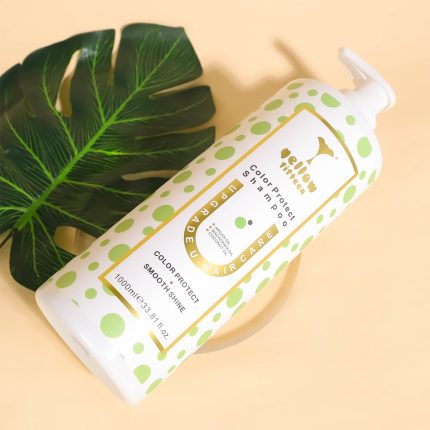
Color Protect Shampoo
Price range: $1.22 through $2.94

Hair Hydrating Shampoo
Price range: $1.12 through $2.55

Hydrating Shampoo
Price range: $1.22 through $2.38

Moroccan Argan Oil Shampoo
Price range: $2.39 through $3.95

Max Repair Conditioner
$3.07


Biotin Conditioner
Price range: $1.59 through $4.42Hair Repair Products Manufacturer FAQ
Which hair repair products are suitable for a complete product range?
A repair collection can include shampoos, conditioners, intensive masks, leave-in treatments, serums, and other targeted products. The ideal combination depends on your customers’ hair concerns, product positioning, and intended care routine.
What is the difference between a moisturizing product and a damage-repair product?
Moisturizing products primarily focus on hydration, softness, and manageability, while damage-focused products may target breakage, roughness, weakened hair, or the effects of chemical processing. Some formulas can combine both objectives, depending on their ingredients and performance requirements.
Can a repair product be developed specifically for chemically treated hair?
Yes. Products can be designed for hair affected by coloring, bleaching, perming, or other chemical services. Formula development may prioritize conditioning, reduced friction, softness, and improved manageability while considering the needs of the intended hair type.
How should a brand decide between protein-based and moisture-focused repair formulas?
The choice depends on the target hair condition, desired sensory experience, ingredient preferences, and product concept. Protein-containing ingredients may support particular conditioning objectives, while moisturizing systems focus on softness and hydration. The final balance should be evaluated through formulation and testing.
What product characteristics matter most when targeting breakage-prone hair?
Important considerations include conditioning performance, detangling, combability, flexibility, and reduced friction during handling. The formula should be developed around realistic product benefits and evaluated for how it performs within the intended hair care routine.
Can repair products be formulated for fine hair without creating a heavy finish?
Yes. Lightweight conditioning systems, suitable emollients, and carefully balanced ingredient levels can help achieve softness and manageability without excessive residue. Texture and after-feel should be assessed during sample evaluation.
How can a brand create a distinctive repair product beyond using common ingredients?
Differentiation can come from the overall formulation approach, ingredient combinations, texture, fragrance, application experience, product format, and target hair concern. A clear product concept helps determine which features are worth developing and testing.
What evidence is needed to support hair repair claims?
Claims should reflect the finished product’s actual performance and available supporting evidence. Depending on the claim, brands may consider appropriate instrumental testing, controlled product-use evaluations, or other substantiation methods before making specific marketing statements.
Can an existing repair product be improved without changing its entire concept?
Yes. Refinement may focus on one or two characteristics, such as detangling, texture, fragrance, rinse feel, conditioning performance, or packaging. Clearly identifying the issue helps guide targeted adjustments rather than unnecessary reformulation.
How can HODM support the development of a repair range for different price points?
A brand can define different product tiers according to its target customers, ingredient preferences, packaging choices, and desired product experience. HODM can help evaluate formulation and packaging options for individual products while maintaining a coherent positioning across the collection.


Your Logo. Your Label. Your Brand.

Custom Formula Development
Develop high-performance hair care formulations tailored to your target market, ingredient preferences, and requirements.

Logo & Brand Identity Design
Create a distinctive logo and cohesive visual identity that reflects your brand positioning and strengthens market recognition.

Personalized Labeling
Customize labels with tailored layouts, premium finishes, and design elements to enhance shelf impact and consumer appeal.
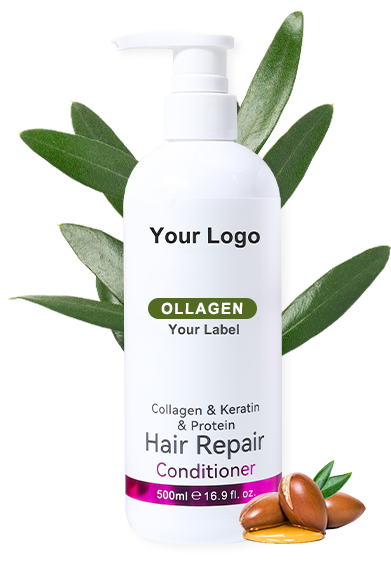

Private Label Hair Care Production
Launch your branded line including shampoos, conditioners, treatments, oils, and styling products with manufacturing support.
Custom Packaging Solutions
Select from a wide range of bottles, pumps, and outer packaging options aligned with your quality standards and brand aesthetic.

Brand Development Support
Receive strategic guidance on product structure, market positioning, and scalable growth to ensure long-term brand success.


Why Choose HODM as Your Hair Care Manufacturer
With over 13 years of expertise in private label hair care manufacturing, HODM provides advanced OEM/ODM solutions for premium brands worldwide, specializing in high-performance products from concept to large-scale production.
-
 Professional in Formula
Backed by over a decade of R&D and 7,000 proven formulations, we develop professional hair care products using advanced hair science and innovative ingredients. -
 Natural Organic & Cruelty-Free
Our formulations prioritize carefully selected ingredients that balance efficacy, safety, and market trends, including natural, organic, and cruelty-free options. -
 Competitive Pricing
Equipped with modern production facilities and strict quality control systems, we ensure consistent product quality, flexible MOQs, and competitive pricing structures. -
 Full-Service Manufacturing
From custom formulation and fragrance selection to bottle design, labeling, and full-scale production, we provide integrated manufacturing support under one roof.
Who Do We Help
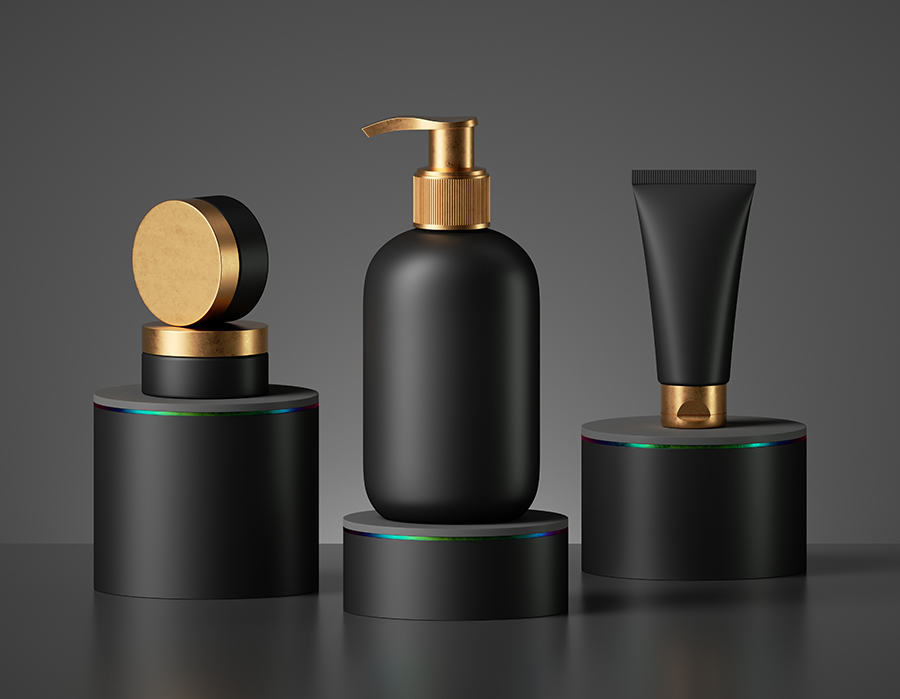
Established Hair Care Brands
Brands seeking to expand their product range with innovative formulas, custom packaging, and reliable large-scale manufacturing to strengthen their global market presence.
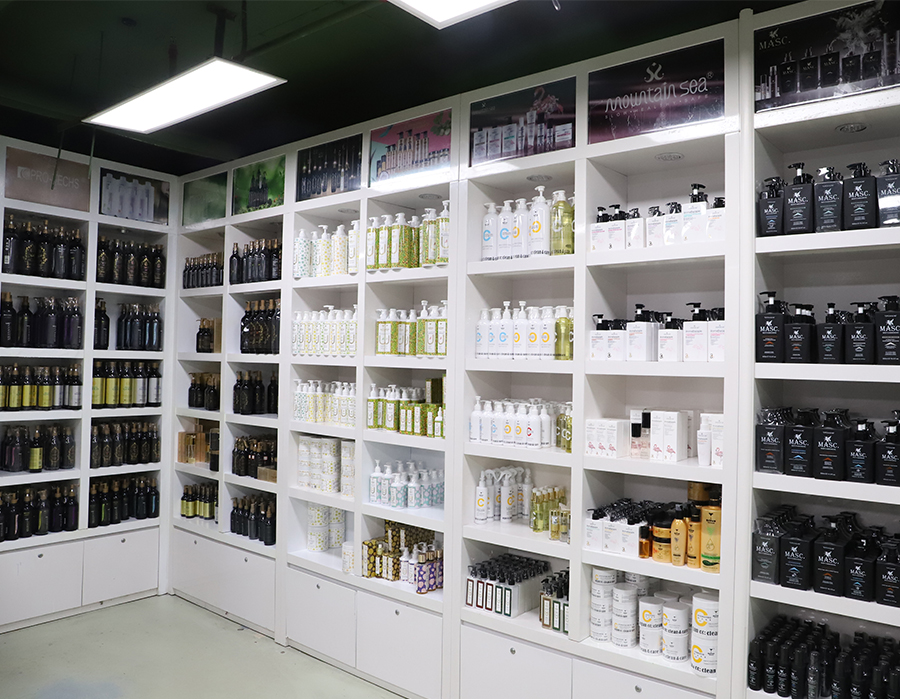
Distributors & Wholesalers
Global distributors seeking high-quality, competitively priced hair care products with flexible customization options to meet diverse regional market demands.

Beauty & Hair Care Startups
Entrepreneurs who want to launch their own private label hair care line with low MOQs, professional formulations, and full OEM/ODM support for efficient market entry.
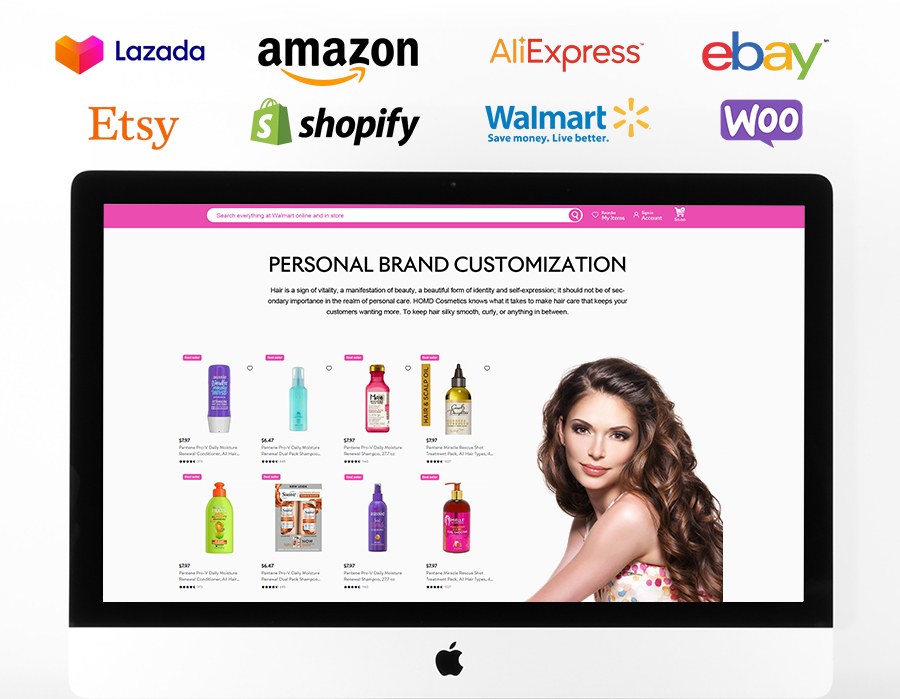
E-commerce Sellers
Online sellers looking for ready-to-market, private label hair care products with customized logos and packaging to increase online visibility and boost sales performance.