
Best Professional Hair Care Manufacturers for Salon Brands
Professional hair care manufacturing requires more than attractive packaging and a basic shampoo formula. Salon brands need products that deliver a consistent experience during professional services, perform across different hair types, and create opportunities for repeat retail purchases.
From color-safe shampoos and intensive masks to smoothing treatments, styling products, and professional backbar systems, the right manufacturer should understand both salon performance and commercial brand development.
For salon owners, distributors, professional stylists, and emerging beauty brands, choosing a manufacturing partner can influence product quality, pricing, inventory, and long-term growth.
This guide compares 10 professional hair care manufacturers worth evaluating for salon brands, along with the capabilities, product categories, and commercial considerations that matter most.
What Are the Best Professional Hair Care Manufacturers for Salon Brands?
The best professional hair care manufacturers for salon brands are companies that support salon-grade formulation, OEM/ODM or private label manufacturing, quality control, packaging, and scalable production. Manufacturers worth evaluating include KOBO Haircare, Saehan Cosmetics, Shay Labs, ALFA Manufacturing Group, Dora Kozmetik, BODA Haircare, Colornow, KBL Cosmetics, MANA Products, and Bright Innovation Labs. The right choice depends on whether a salon brand needs everyday care, professional treatments, hair color, styling products, or a complete backbar-to-retail system.
Quick Comparison: 10 Professional Hair Care Manufacturers
| Manufacturer | Location | Best For | Main Strength |
|---|---|---|---|
| KOBO Haircare | China | Complete professional salon lines | Salon-focused OEM/ODM |
| Saehan Cosmetics | South Korea | Hair color, perms & salon care | Professional chemical products |
| Shay Labs | USA | Custom salon formulations | Formula development & transfer |
| ALFA Manufacturing Group | USA | Salon-tested retail products | In-house salon testing |
| Dora Kozmetik | Turkey | Salon treatments & backbar formats | Large-format production |
| BODA Haircare | China | Emerging salon brands | Flexible OEM/private label |
| Colornow | China | Professional styling & salon systems | Broad hairdressing R&D |
| KBL Cosmetics | USA | Premium professional hair care | Contract manufacturing |
| MANA Products | USA | Prestige salon-retail products | Premium product development |
| Bright Innovation Labs | USA | Hair color & lightening systems | Specialized technical manufacturing |
This is a category-based shortlist, not a ranking based on independent laboratory tests or audited manufacturing performance. Specific capabilities and commercial terms should be confirmed directly.
How We Selected These Professional Hair Care Manufacturers
A professional salon manufacturer should be evaluated differently from a general consumer beauty supplier.
The most important considerations include:
-
Professional performance: Products should suit salon applications and repeated professional use.
-
Hair care expertise: Experience with shampoos, conditioners, masks, styling, treatments, or technical hair products.
-
R&D capabilities: Ability to develop or adapt formulas around specific performance goals.
-
Backbar and retail formats: Ability to support salon-use sizes alongside retail packaging.
-
Consistency: Quality controls that help maintain batch-to-batch performance.
-
Customization: Options for formulas, fragrance, packaging, and brand identity.
-
Commercial scalability: Production quantities that match salon distribution and future growth.
Different manufacturers will be better suited to different categories. A factory specializing in bleach powders, for example, should not automatically be considered the best choice for a botanical leave-in conditioner.
1. KOBO Haircare – Best for Complete Professional Salon Hair Care Lines
Location: China Best for: Professional hair care brands developing coordinated salon treatment, styling, and retail collections.
Website: kobohaircare.com
KOBO focuses specifically on professional hair care development and manufacturing.
Its product capabilities cover shampoos, conditioners, masks, scalp care, repair treatments, hair color, perms, styling products, and technical salon systems.
The company offers several development routes, including mature-formula OEM/private label, custom-brief ODM, and broader brand and product development. Its website states professional hair care experience dating to 2002 and an established formula library.
Why Salon Brands May Choose KOBO
One advantage is the ability to develop a connected product portfolio rather than unrelated individual products.
For example, a professional repair collection could include:
Repair Shampoo → Repair Conditioner → Intensive Mask → Leave-In Treatment → Finishing Serum
This structure supports both in-salon services and home-maintenance retail products.
Best suited for: Professional salon brands, international distributors, established beauty companies, and brands building multiple coordinated product categories.
Things to consider: Confirm the current MOQ for each formula and packaging format, particularly when developing both professional-size and retail-size products.
2. Saehan Cosmetics – Best for Professional Hair Color and Salon Chemical Products
Location: South Korea Best for: Hair color brands, salon treatment businesses, professional styling products, and technical hair care.
Website: sae-han.com
Saehan Cosmetics is a Korean OEM/ODM manufacturer with a long history in professional hair products.
Its capabilities include hair color, perm and straightening systems, shampoos, treatments, and styling products.
The company states that it has operated since 1956 and maintains an affiliated research institute supporting professional formulation development.
Why Salon Brands May Choose Saehan
Professional chemical products require specialized formulation expertise.
Hair color and perm products differ substantially from ordinary cosmetic conditioners in their chemistry, safety considerations, application procedures, and regulatory requirements.
Saehan may therefore be particularly relevant to brands developing a technical salon range.
Best suited for: Professional hair color brands, distributors, salon chains, and companies expanding into chemical salon services.
Things to consider: Confirm which technical formats are available for your market and what documentation, testing, and training materials can be provided.
3. Shay Labs – Best for Custom U.S. Salon Hair Care Formulations
Location: Illinois, USA Best for: Salon brands needing custom formulation, formula transfer, or U.S.-based contract manufacturing.
Website: shaylabs.com
Shay Labs develops and manufactures shampoos, conditioners, masks, oils, serums, leave-ins, scalp products, and styling formulas.
Its manufacturing model supports brands starting with a new product concept, transferring an existing formula, or scaling a production-ready product.
The company currently describes an ISO 22716-certified manufacturing environment, with eligible pilot projects starting around 500 units and standard production generally starting at higher volumes.
Why Salon Brands May Choose Shay Labs
A salon owner may already know what a product needs to accomplish but lack a commercial formula.
For example, a stylist may want a lightweight smoothing cream that:
-
Reduces visible frizz
-
Provides styling control
-
Avoids excessive residue
-
Works across multiple hair textures
-
Performs consistently in professional applications
A custom development partner can translate those requirements into a technical brief and prototype.
Best suited for: Independent salon brands, professional stylists, established brands transferring formulas, and U.S.-focused companies.
Things to consider: Clarify whether the project qualifies for pilot production or requires standard manufacturing quantities.
4. ALFA Manufacturing Group – Best for Salon-Tested Professional Products
Location: Miami, Florida, USA Best for: Salon brands that value professional stylist feedback during product development.
Website: alfamfg.com
ALFA Manufacturing Group produces hair care, skincare, and body care products through private label, custom formulation, and contract manufacturing.
Its hair care categories include shampoos, conditioners, masks, styling products, treatments, and serums.
A distinctive feature is its reported on-site salon testing process, where professional stylists and clients evaluate formulas and provide feedback that informs development. The company currently advertises manufacturing minimums starting around 2,500 units.
Why Salon Brands May Choose ALFA
Professional testing can help evaluate practical characteristics that are difficult to judge from a laboratory sample alone.
These include:
-
Wet combing
-
Slip and detangling
-
Styling performance
-
Fragrance during application
-
Rinse feel
-
Final appearance
-
Compatibility with salon workflows
Best suited for: Salon chains, professional retail brands, stylists developing signature collections, and premium hair care startups.
Things to consider: Ask how professional-use testing is documented and which performance claims have supporting evidence.
5. Dora Kozmetik – Best for Salon Treatments and Backbar Product Formats
Location: Istanbul, Turkey Best for: Salon brands needing treatment products, professional sizes, and coordinated retail ranges.
Website: dorakozmetik.com
Dora Kozmetik manufactures hair care products through private label, OEM/ODM, and contract manufacturing.
Its portfolio includes shampoos, conditioners, masks, keratin treatments, protein-focused products, moisturizing treatments, and styling products.
The company describes packaging options ranging from smaller retail products to larger professional salon formats, including 1-liter products and salon treatment tubs.
Why Salon Brands May Choose Dora Kozmetik
Backbar packaging is important for professional salon economics.
A salon may use a 1-liter shampoo during services while selling a smaller matching bottle to clients.
That creates two commercial applications for the same product system:
Professional Backbar Use → Client Experience → Retail Recommendation → Repeat Purchase
Best suited for: Salon distributors, professional treatment brands, European and Middle Eastern buyers, and companies developing salon-and-retail collections.
Things to consider: Confirm available professional sizes, filling minimums, packaging compatibility, and export-market compliance.
6. BODA Haircare – Best for Emerging Salon Brands and Flexible OEM/ODM
Location: China Best for: Smaller salon brands, independent stylists, distributors, and businesses beginning a branded professional collection.
Website: bodahaircare.com
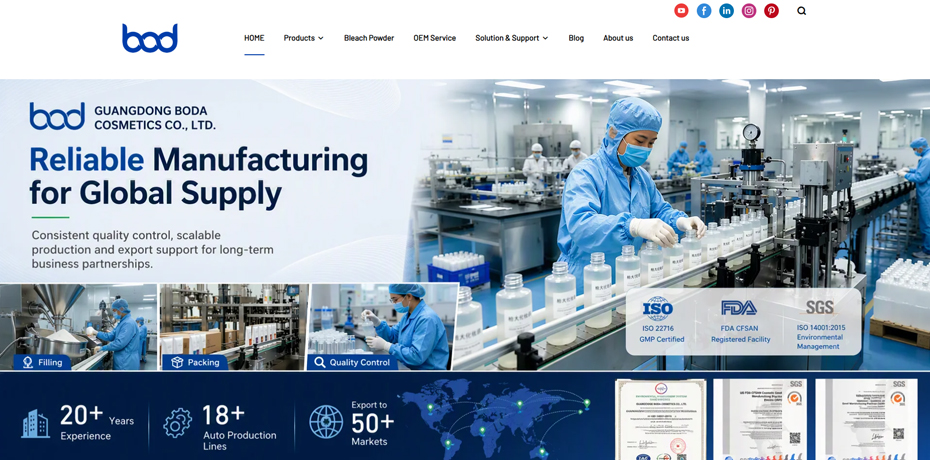
BODA Haircare offers private label, OEM, ODM, and contract manufacturing for salon brands and commercial hair care businesses.
Its service model supports ready-made formulas, customer-supplied specifications, custom product development, and formula transfer.
BODA currently publishes indicative minimums starting around 500 pieces for certain private label projects and 1,000 pieces for custom formulation, depending on product and packaging.
Why Salon Brands May Choose BODA
Smaller salon brands often need a manageable starting point.
Rather than launching eight products, they may begin with:
Professional Shampoo + Conditioner + Hair Mask
After establishing repeat orders, the range can expand into styling or treatment products.
Best suited for: Independent salons, new salon brands, smaller distributors, and businesses testing a professional retail concept.
Things to consider: Verify whether the minimum quantity applies to an existing formula or fully customized development.
7. Colornow – Best for Professional Hairdressing and Styling Product Systems
Location: Guangzhou, China Best for: Salon brands developing broad professional hair care, styling, and treatment collections.
Website: colornow.net
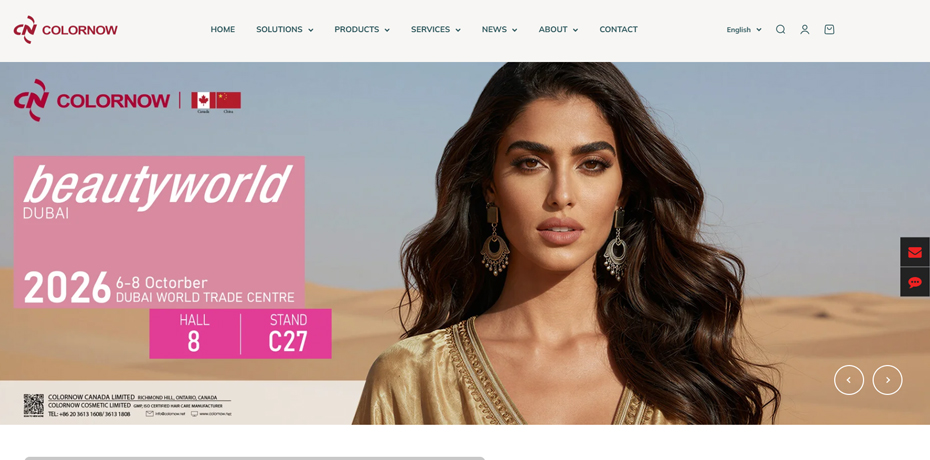
Colornow is a professional hair care and cosmetics OEM/ODM manufacturer with a broad product-development program.
Its current website describes capabilities covering scalp care, color protection, salon treatments, at-home collections, and professional hairdressing formulations.
The company also emphasizes dedicated research activities in hairdressing formulas and scalp-related ingredients.
Why Salon Brands May Choose Colornow
Professional hair care brands frequently need a broader portfolio than shampoos and conditioners.
They may require products that work together across:
-
Cleansing
-
Conditioning
-
Treatments
-
Styling
-
Color maintenance
-
Home care
Colornow’s broad hairdressing orientation makes it a potential partner for this type of range development.
Best suited for: Professional hair care distributors, salon product brands, international beauty businesses, and companies expanding product categories.
Things to consider: Confirm current product-specific capabilities and production terms rather than relying solely on headline capacity figures.
8. OriginItalia – Best for Premium Italian Salon Hair Care
Location: Italy Best for: Premium salon brands, European distributors, and companies developing sophisticated treatment and styling products.
Website: originitalia.it
OriginItalia develops custom professional and consumer hair care products, covering formulation through commercial production.
Its portfolio includes shampoos, conditioners, masks, serums, scalp treatments, heat protectants, styling products, and products for colored or chemically treated hair. The company emphasizes professional performance, sensory characteristics, and brand-specific formulation.

Why Salon Brands May Choose OriginItalia
For premium salons, performance alone may not be sufficient. Fragrance, texture, packaging, and the overall service experience can also contribute to brand differentiation.
OriginItalia’s development approach may suit brands seeking a cohesive premium collection with coordinated product benefits and sensory profiles.
Best suited for: Premium salon brands, European distributors, professional hair care companies, and luxury-positioned treatment brands.
Things to consider: Confirm whether the proposed formulas, development minimums, and packaging options fit the target price point.
9. KBL Cosmetics – Best for U.S. Professional Hair Care Contract Manufacturing
Location: USA Best for: Professional beauty brands seeking U.S.-based contract manufacturing and product development.
Website: kblcosmetics.com
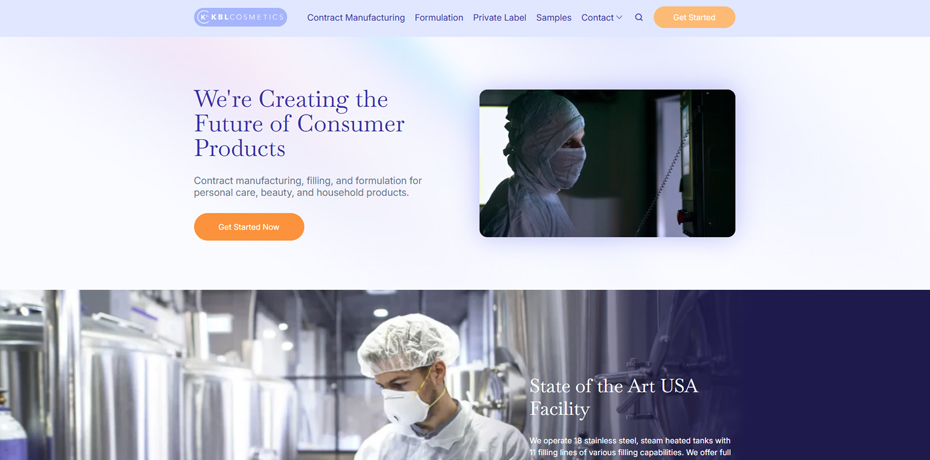
KBL Cosmetics is a U.S.-based cosmetics contract manufacturer serving beauty and personal-care brands.
It is a potential supplier for companies seeking formulation and commercial production support across hair and other personal-care categories.
Why Salon Brands May Consider KBL
A domestic manufacturing partner may be attractive to salon brands that prioritize U.S. production, communication, and distribution logistics.
However, brands should establish whether the manufacturer can support their exact professional hair care format rather than assuming that general cosmetics manufacturing experience covers every salon product.
Best suited for: Established U.S. beauty brands and professional hair care companies considering domestic manufacturing.
Things to consider: Its current salon-specific capabilities, MOQ, and technical product range should be verified before shortlisting it for specialized hair color or chemical-treatment projects.
10. MANA Products – Best for Prestige Salon-Retail Beauty Development
Location: USA Best for: Premium beauty brands exploring sophisticated hair care and adjacent prestige cosmetic products.
Website: primematterlabs.com
MANA Products is a contract manufacturer and product-development company serving prestige beauty brands.
For salon businesses seeking to expand into premium retail, a manufacturer with broader beauty-development expertise may offer advantages in product positioning, texture development, and packaging presentation.
Why Salon Brands May Consider MANA
A salon brand may eventually move beyond products used behind the chair into premium retail and ecommerce.
That creates a need for formulas that combine:
Professional Performance + Consumer Experience + Premium Presentation
MANA is worth investigating for such projects, particularly where the brand strategy extends beyond conventional salon care.
Best suited for: Prestige beauty brands, premium salon-retail concepts, and established companies exploring broader beauty categories.
Things to consider: Confirm current hair-care-specific manufacturing availability and whether the project fits its development model.

What Products Should a Professional Salon Brand Launch First?
A salon brand does not need to launch ten products immediately.
For many businesses, a focused collection is easier to introduce, explain, and sell.
| Product | Professional Purpose | Retail Opportunity |
|---|---|---|
| Professional Shampoo | Cleansing during services | Frequent replenishment |
| Professional Conditioner | Detangling and conditioning | Routine repeat purchase |
| Intensive Hair Mask | Treatment service | Premium add-on |
| Leave-In Treatment | Post-service protection and manageability | Daily home care |
| Styling Product | Finishing and styling | Client maintenance |
A practical starter line might be:
Professional Shampoo → Conditioner → Hair Mask → Leave-In Treatment
Once demand is established, the brand can add styling, scalp care, or color-maintenance products.
Internal Link: Best Hair Care Products to Launch for New Brands: High-Potential Categories for 2027
Professional Backbar Products vs Retail Hair Care Products
One of the most important differences between a salon brand and a consumer-only brand is the dual-product opportunity.
| Factor | Backbar Products | Retail Products |
|---|---|---|
| Primary User | Professional stylist | Salon client |
| Typical Size | Larger professional formats | Smaller consumer formats |
| Purchase Driver | Service performance and cost per use | Results, convenience, brand |
| Packaging | Functional and economical | Retail presentation |
| Sales Model | Salon supply | Client retail and ecommerce |
| Repeat Purchase | Salon replenishment | Customer replenishment |
A coordinated product system allows salons to use a product during a service and recommend its matching home-care version.
For example, a color salon could offer:
Professional Color-Safe Shampoo (1 L) → Professional Conditioner (1 L) → Retail Shampoo (300 mL) → Retail Conditioner (300 mL)
The actual sizes should be chosen based on packaging availability and salon economics.
Private Label vs Custom Formula for Salon Brands
| Factor | Private Label | Custom Formula |
|---|---|---|
| Formula | Existing | Developed or substantially modified |
| Launch Speed | Usually faster | Usually slower |
| Initial Investment | Generally lower | Generally higher |
| Differentiation | Packaging and positioning | Formula and positioning |
| Sampling | Often simpler | More development rounds |
| Formula Ownership | Usually manufacturer-controlled | Contract-dependent |
| Best For | Independent salons and first launches | Established brands seeking differentiation |
For an independent salon, private label can be an efficient way to validate demand.
For a larger salon chain or distributor, custom development may create stronger product differentiation.
Internal Link: Custom Formula vs Private Label Hair Care: Which Should You Choose?
How to Evaluate a Professional Hair Care Manufacturer
Before selecting a supplier, ask whether it can support the specific needs of professional salon products.
Professional Product Experience
Does the manufacturer understand the difference between a retail shampoo and a technical salon treatment?
Formula Performance
Can the company provide samples suitable for stylist evaluation?
Backbar Packaging
Can it offer professional-size bottles, pumps, treatment jars, or other appropriate formats?
Testing
What stability, microbial, packaging compatibility, safety, and performance evaluations are available?
Consistency
How are batch specifications and quality checks controlled?
MOQ
What are the minimum quantities for each formula, size, and packaging type?
Regulatory Requirements
Can the manufacturer support the intended sales markets and product classification?
Reordering
Can it support predictable repeat orders as the salon brand expands?
Internal Link: How to Evaluate a Hair Care Manufacturer Before Signing a Contract
How Much Does Professional Salon Hair Care Manufacturing Cost?
The cost of a salon product line depends on more than the formula.
| Cost Category | Main Considerations |
|---|---|
| Formula | Stock formula vs custom development |
| Ingredients | Performance requirements and sourcing |
| Testing | Stability, safety, compatibility |
| Packaging | Professional and retail sizes |
| Decoration | Labels, printing, cartons |
| Manufacturing | Batch size, filling and assembly |
| Freight | Weight, destination and shipping method |
| Inventory | Number of SKUs and reorder frequency |
Salon brands should also consider cost per professional service.
For example, a larger backbar shampoo may have a different cost-per-use structure from its retail equivalent.
Comparing only the price per bottle can lead to poor purchasing decisions.
Internal Link: Custom Hair Care Product Cost Breakdown: Formula, Packaging, and Manufacturing Explained
Common Mistakes Salon Brands Make When Choosing Manufacturers
Choosing based only on MOQ
A low minimum order does not guarantee suitable professional performance.
Launching too many products
Too many SKUs can tie up capital before the salon understands which products clients actually repurchase.
Ignoring professional feedback
Stylists should evaluate how formulas perform during real services.
Using retail packaging for every application
Professional backbar products may need larger sizes and different dispensing systems.
Overlooking technical product regulations
Hair color, bleaching, smoothing, and certain scalp treatments may have requirements beyond those of standard cosmetic conditioners.
Failing to plan repeat orders
Professional salons need consistent availability. Stockouts can disrupt both services and retail sales.
FAQ
What is a professional hair care manufacturer?
A professional hair care manufacturer develops or produces products for salons, stylists, distributors, and professional hair care brands. Products may include shampoos, conditioners, masks, styling products, color systems, and technical treatments.
What are the best professional hair care manufacturers for salon brands?
Manufacturers worth evaluating include KOBO Haircare, Saehan Cosmetics, Shay Labs, ALFA Manufacturing Group, Dora Kozmetik, BODA Haircare, Colornow, OriginItalia, KBL Cosmetics, and MANA Products. The right choice depends on product category, target market, customization, quantity, and technical requirements.
Can a salon create its own shampoo brand?
Yes. Salons can work with private label or OEM/ODM manufacturers to develop branded shampoos, conditioners, masks, styling products, and complementary home-care products.
What is the difference between salon-quality and regular hair care?
Salon-quality products are generally positioned for professional performance or use, but the term does not guarantee superior results. Formula performance should be evaluated through appropriate testing and practical salon feedback.
What is the MOQ for private label salon hair care?
MOQ varies by supplier, formula, packaging, and customization. Some private label programs support smaller starting quantities, while custom formulations and technical salon products may require larger production runs.
Should a salon start with private label or custom formulation?
Private label is often more practical for a first launch because it can reduce development time and complexity. Custom formulation may be appropriate when a brand has established demand and needs a distinctive product.
Can a manufacturer produce both salon backbar and retail products?
Many manufacturers can support both formats, although minimums and packaging availability may differ. Brands should confirm whether matching formulas can be filled in professional and retail sizes.
How do I choose a professional hair care manufacturer?
Evaluate product specialization, formula quality, testing, packaging, MOQ, compliance support, communication, manufacturing consistency, and the ability to support future growth.
Conclusion: Choosing the Right Professional Hair Care Manufacturing Partner
Professional salon brands need more than attractive packaging.
They need products that perform consistently, fit professional workflows, and encourage clients to continue their routines at home.
The strongest manufacturing partner should support:
Professional Performance → Formula Development → Testing → Backbar Packaging → Retail Products → Consistent Production → Scalable Distribution
Independent salons may prioritize manageable MOQs and ready-to-brand products. Established salon chains may need custom formulas and predictable production. Hair color and technical treatment brands should prioritize specialized manufacturing experience.
The best choice is the manufacturer whose capabilities match the salon brand’s actual product strategy.
Build Your Professional Hair Care Brand
Developing a professional hair care line starts with a clear understanding of your clients, salon services, and retail opportunities.
Before requesting a quote, prepare your intended product categories, formula requirements, packaging sizes, target market, estimated quantities, and launch timeline.
For brands exploring OEM/ODM and private label development, HODM offers professional hair care manufacturing support across shampoos, conditioners, masks, oils, serums, treatments, and styling products.
Explore professional hair care manufacturing options or request samples to begin evaluating your product concept.