

Private Label vs. Custom Formula: Which Is Better for New Hair Care Brands?
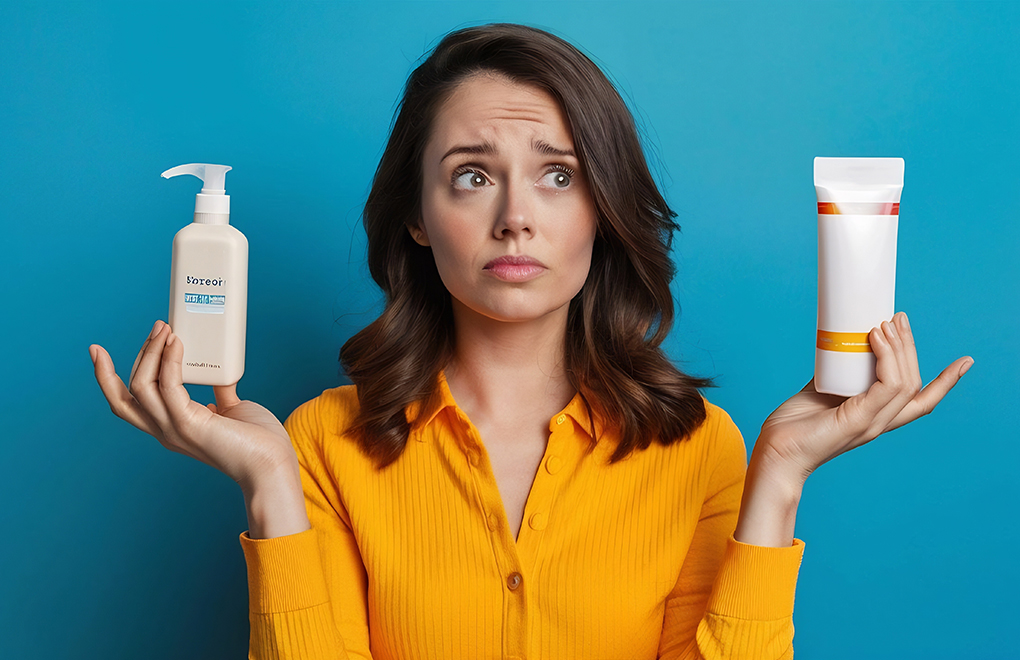
For new beauty entrepreneurs, choosing between private label vs custom formula is one of the most important decisions when launching a hair care brand. Both options offer unique advantages—but the right choice depends on your budget, timeline, branding goals, and long-term vision. Making the wrong decision early can limit differentiation, scalability, or profit margins later.
As competition in the hair care market intensifies in the U.S. and Europe, new brands must balance speed-to-market with brand uniqueness. Understanding the real differences between private label and custom formula manufacturing will help you build a stronger, more competitive brand from day one.
1. What Is Private Label Hair Care?
Private label hair care refers to ready-made formulas developed by manufacturers that brands can sell under their own label.
How private label works:
- Manufacturer already owns the formula
- You customize branding, packaging, fragrance (limited)
- Faster launch timeline
- Lower development cost
Typical private label products:
- Shampoo & conditioner
- Hair masks
- Leave-in conditioners
- Styling creams & gels
- Basic scalp treatments
2. What Is a Custom Formula Hair Care Product?
A custom formula is developed specifically for your brand, based on your performance goals, ingredient philosophy, and target customers.
How custom formula works:
- Formula created from scratch or heavily modified
- Full control over ingredients & actives
- Unique performance and claims
- Longer development timeline
- Higher upfront investment
Custom formulas are ideal for brands seeking long-term differentiation.
3. Side-by-Side Comparison: Private Label vs Custom Formula
| Feature | Private Label | Custom Formula |
|---|---|---|
| Time to Market | Very fast (2–6 weeks) | Slower (8–16+ weeks) |
| Development Cost | Low | Medium to high |
| MOQ | Very low | Usually higher |
| Formula Ownership | Manufacturer-owned | Brand-owned |
| Differentiation | Limited | High |
| Custom Ingredients | Minimal | Full control |
| Scalability | Moderate | Excellent |
| Premium Positioning | Medium | Strong |
4. Pros & Cons of Private Label for New Brands
Pros:
✔ Fast launch
✔ Lower startup cost
✔ Ideal for testing markets
✔ Beginner-friendly
✔ Low risk
Cons:
✖ Similar formulas used by multiple brands
✖ Limited ingredient storytelling
✖ Harder to build premium positioning
✖ Less long-term brand defensibility
Private label is best for entry-level brands or test launches.
5. Pros & Cons of Custom Formula for New Brands
Pros:
✔ Strong brand differentiation
✔ Unique performance claims
✔ Better premium positioning
✔ Full ingredient transparency
✔ Long-term scalability
Cons:
✖ Higher upfront cost
✖ Longer development cycle
✖ Requires clearer brand vision
Custom formulas are best for brands planning long-term growth and premium markets.
6. Cost Breakdown: What New Brands Should Expect
Private Label (Approximate):
- Formula development: $0
- MOQ: 500–1,000 units
- Per-unit cost: Low
- Total startup: Lower barrier
Custom Formula (Approximate):
- R&D fees: $1,000–$5,000+
- MOQ: 1,000–3,000 units
- Per-unit cost: Medium
- Total startup: Higher, but higher margins later
7. Which Option Is Better for Your Brand Stage?
Choose Private Label If:
- You want to launch quickly
- You have limited budget
- You are testing product-market fit
- You plan to upgrade later
Choose Custom Formula If:
- You want to build a premium brand
- Ingredient storytelling matters
- You want long-term differentiation
- You plan to scale internationally
8. Hybrid Strategy: The Smart Choice for Many New Brands
Many successful brands start with a hybrid approach:
- Launch with private label core products
- Customize fragrance, packaging, and claims
- Validate market demand
- Transition best-sellers into custom formulas
This approach minimizes risk while building brand strength.
9. Impact on Branding & Marketing
Private Label Marketing Focus:
- Packaging design
- Lifestyle branding
- Influencer partnerships
- Price competitiveness
Custom Formula Marketing Focus:
- Ingredient science
- Performance results
- Before/after transformations
- Clinical testing & actives
Your manufacturing choice shapes your entire marketing strategy.
10. Choosing the Right Manufacturing Partner
Whether private label or custom formula, choose a partner that offers:
- U.S. & EU regulatory compliance
- Clean beauty standards
- Scalable production
- Custom packaging sourcing
- Transparent communication
- Low MOQ options
A good partner allows you to upgrade from private label to custom smoothly.
⭐ Conclusion
When it comes to private label vs custom formula, there is no one-size-fits-all answer. Private label is ideal for speed and testing, while custom formulas unlock long-term brand power and premium positioning. The best choice depends on your vision, budget, and growth plan.
Smart brands plan beyond launch—and choose a path that allows them to evolve.
👉 CTA
Not sure whether private label or custom formula is right for your hair care brand?
We help new brands:
✔ Launch fast with private label options
✔ Develop custom formulas when ready
✔ Scale into premium U.S. & EU markets
✔ Access low MOQ and luxury packaging
✔ Build shampoo, conditioner, scalp, curl & repair systems
Contact us today to get expert guidance for your brand launch.