
MOQ, Lead Time, and Cost: What to Expect When Creating Custom Hair Products
For new and growing beauty brands, understanding MOQ, lead time, and cost is essential when creating custom hair products. These three factors directly affect your launch timeline, budget planning, and overall business strategy. Without clear expectations, brands often underestimate production complexity and face delays or unexpected costs.
In the U.S. and European markets, hair care manufacturers typically offer both private label and custom formula options—each with different MOQ requirements, production lead times, and pricing structures. This guide breaks down what brands should realistically expect when developing custom shampoos, conditioners, masks, serums, and styling products.
1. What Does MOQ Mean in Custom Hair Care Manufacturing?
MOQ (Minimum Order Quantity) refers to the minimum number of units required per product per order.
Manufacturers set MOQs to cover:
- Raw material sourcing
- Production setup costs
- Quality testing
- Packaging procurement
2. Typical MOQ Ranges for Custom Hair Products
Private Label Hair Products
- MOQ: 300–1,000 units
- Best for market testing
- Limited formula customization
Semi-Custom / Modified Formulas
- MOQ: 500–1,500 units
- Adjusted actives, fragrance, claims
Fully Custom Formulas
- MOQ: 1,000–3,000+ units
- Brand-owned formula
- Full ingredient control
💡 Premium packaging (glass, airless pumps) may increase MOQ.
3. Lead Time: How Long Does Custom Hair Care Take?
Lead time is the total time from concept approval to finished products ready for shipment.
4. Typical Lead Time Breakdown
Private Label Products
- Formula confirmation: 3–5 days
- Packaging & label prep: 7–14 days
- Production & filling: 10–15 days
- Total: 3–5 weeks
Custom Formula Products
- Formula development & samples: 2–4 weeks
- Testing & revisions: 1–2 weeks
- Packaging sourcing: 2–3 weeks
- Production & QC: 2–3 weeks
- Total: 8–12 weeks (sometimes longer)
Regulatory documents (EU CPSR, labeling review) may add time.
5. What Affects Lead Time the Most?
Key factors include:
- Formula complexity
- Number of revisions
- Ingredient availability
- Packaging customization
- Regulatory requirements
- Order volume
Brands that prepare clear briefs move faster.
6. Cost Structure: What Are You Really Paying For?
Custom hair product costs are more than just “price per bottle.”
Cost components include:
- Raw materials & actives
- R&D / formulation fees
- Packaging (bottle, pump, label)
- Filling & labor
- Quality testing
- Compliance documentation
- Shipping & logistics
7. Estimated Cost Ranges (Industry Averages)
Private Label Products
- Unit cost: $1.20–$3.50
- Lower upfront investment
- Lower differentiation
Custom Formula Products
- Unit cost: $2.80–$8.00+
- R&D fees: $500–$5,000 (one-time)
- Higher margins long-term
Premium actives, fragrances, and packaging increase cost.
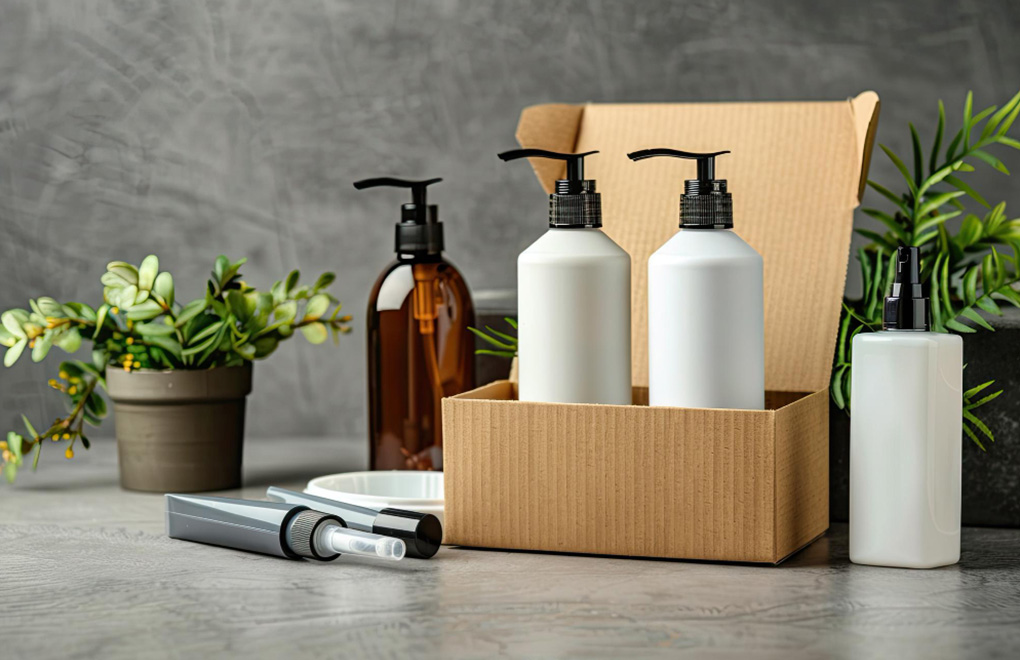
8. How Packaging Impacts MOQ, Lead Time & Cost
Packaging choices heavily influence all three factors.
Standard packaging:
✔ Lower MOQ
✔ Faster lead time
✔ Lower cost
Custom or luxury packaging:
✖ Higher MOQ
✖ Longer sourcing time
✖ Higher per-unit cost
Brands targeting premium markets should plan packaging early.
9. How New Brands Can Control Costs
Smart strategies include:
- Starting with fewer SKUs
- Using hybrid private label + custom approach
- Selecting standard packaging for first launch
- Scaling MOQs gradually
- Bundling products into systems
Planning reduces cash flow pressure.
10. Private Label vs Custom: Cost & Timeline Summary
| Factor | Private Label | Custom Formula |
|---|---|---|
| MOQ | Low | Medium–High |
| Lead Time | Short | Longer |
| Upfront Cost | Low | Higher |
| Differentiation | Limited | Strong |
| Scalability | Medium | High |
Many brands start private label and transition to custom later.
11. Common Mistakes Brands Should Avoid
- Underestimating lead time
- Ignoring compliance timelines
- Over-customizing too early
- Ordering too many SKUs at launch
- Choosing suppliers based on price only
Education saves money.
12. Choosing the Right Manufacturing Partner
A reliable partner will:
- Explain MOQ transparently
- Provide realistic timelines
- Offer cost breakdowns
- Suggest cost-saving options
- Support long-term growth
Transparency builds trust.
⭐ Conclusion
When creating custom hair products, understanding MOQ, lead time, and cost upfront helps brands launch smarter and scale faster. While custom formulas require more planning and investment, they unlock stronger brand differentiation and long-term value—especially in U.S. and European premium markets.
Success starts with realistic expectations and the right manufacturing partner.
👉 CTA
Planning to create custom hair products but unsure about MOQ, lead time, or cost?
We help brands:
✔ Start with low MOQ options
✔ Balance cost and performance
✔ Develop private label or fully custom formulas
✔ Meet U.S. & EU compliance standards
✔ Scale smoothly into premium markets
Contact us today for a clear production plan and quote.