

How U.S. & EU Brands Select Custom Hair Product Manufacturers
Choosing the right custom hair product manufacturers is one of the most critical decisions for U.S. and European beauty brands. The manufacturer you select directly impacts product quality, regulatory compliance, brand reputation, and long-term scalability. As competition increases and consumers demand cleaner, more personalized hair care, brands are becoming far more selective about their manufacturing partners.
In 2026, successful U.S. & EU brands look beyond price alone. They evaluate formulation expertise, ingredient transparency, compliance standards, sustainability practices, and the ability to support both private label and fully custom development. Understanding how top brands choose their manufacturing partners can help new and growing hair care brands avoid costly mistakes and build a strong foundation from the start.
1. Regulatory Compliance Is Non-Negotiable
U.S. and EU brands operate under strict regulations.
Key compliance requirements include:
- FDA cosmetic compliance (U.S.)
- EU Cosmetic Regulation (EC) No 1223/2009
- CPSR (Cosmetic Product Safety Report)
- INCI-compliant ingredient lists
- IFRA fragrance standards
- Proper labeling & claims support
Brands will not work with manufacturers who cannot demonstrate full regulatory readiness.
2. Strong R&D and Formulation Capabilities
Top brands prioritize manufacturers with in-house R&D laboratories.
What brands look for:
- Custom shampoo & conditioner formulation
- Scalp care & hair growth expertise
- Curl care & textured hair experience
- Clean beauty & sulfate-free systems
- Silicone-free or hybrid oil systems
- Clinical-grade actives
Manufacturers must offer more than stock formulas—they must solve real hair concerns.
3. Ability to Offer Both Private Label & Custom Formula
U.S. & EU brands prefer flexible partners.
Ideal manufacturers provide:
- Ready-to-launch private label formulas
- Fully customized formulations
- Hybrid development options
- Easy transition from private label to custom
This flexibility allows brands to scale without changing suppliers.
4. Clean Beauty & Ingredient Transparency
Ingredient-conscious consumers dominate Western markets.
Brands expect manufacturers to:
- Use clean, traceable ingredients
- Avoid controversial chemicals
- Offer vegan & cruelty-free options
- Support sulfate-free, paraben-free claims
- Provide ingredient sourcing documentation
Transparency builds brand trust and reduces compliance risks.
5. Low MOQ With Scalable Production
Especially for new brands, MOQ matters.
Preferred manufacturing setup:
- Low MOQ for market testing
- Scalable production capacity
- Stable supply chain
- Consistent batch quality
Manufacturers who only support large MOQs often lose startup and indie brand clients.
6. Quality Control & Certifications
Certifications signal professionalism and reliability.
Commonly requested certifications:
- ISO 22716 (Cosmetic GMP)
- GMPC
- ISO 9001
- ECOCERT-compatible ingredient handling
- Vegan & cruelty-free compliance
Brands also look for:
✔ Stability testing
✔ Microbial testing
✔ Batch traceability
7. Packaging & Design Support
Manufacturers that support packaging add significant value.
U.S. & EU brands prefer partners who offer:
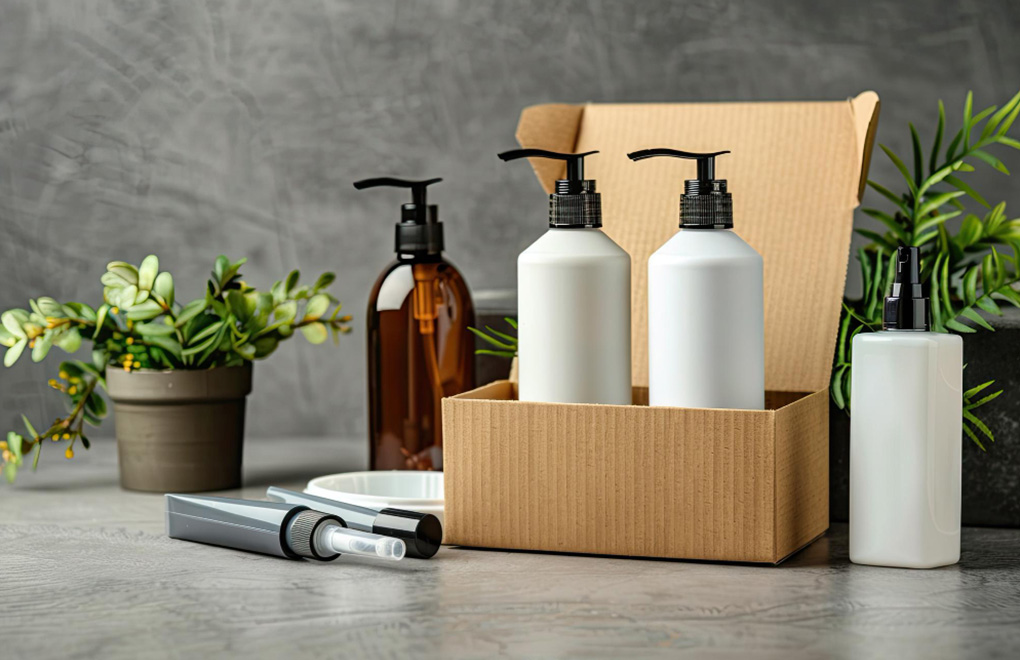
- Sustainable packaging options
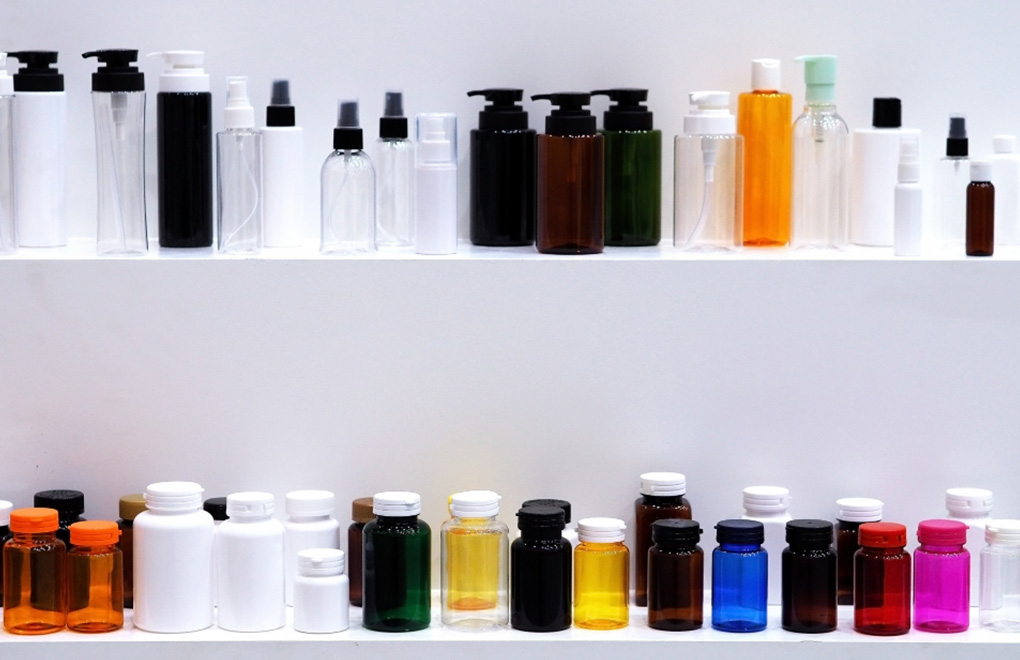
- Premium bottles & airless systems
- Custom molds (for larger brands)
- Label printing guidance
- Packaging compliance checks
Packaging must meet both aesthetic and regulatory standards.
8. Sustainability & Ethical Manufacturing
Sustainability is no longer optional.
Brands evaluate:
- Eco-friendly ingredient sourcing
- Recyclable packaging options
- Waste reduction practices
- Ethical labor standards
- Carbon footprint initiatives
Sustainable manufacturing strengthens brand positioning in premium markets.
9. Clear Communication & Project Management
Western brands value transparency and efficiency.
Manufacturers must offer:
- Fluent English communication
- Clear timelines & milestones
- Dedicated project managers
- Fast response times
- Detailed documentation
Poor communication is one of the top reasons brands switch manufacturers.
10. Long-Term Partnership Mindset
U.S. & EU brands don’t want suppliers—they want partners.
They choose manufacturers who:
- Support brand growth stages
- Offer innovation updates
- Suggest trend-driven formulations
- Help optimize costs over time
- Understand brand positioning
A manufacturer who grows with the brand becomes a strategic asset.
⭐ Common Mistakes Brands Avoid
- Choosing the cheapest supplier
- Ignoring regulatory compliance
- Overlooking scalability
- Using generic, outdated formulas
- Poor documentation & testing support
Experienced brands prioritize long-term success over short-term savings.
⭐ Conclusion
Selecting the right custom hair product manufacturers is a strategic decision that directly affects brand credibility, product performance, and scalability. U.S. & EU brands look for partners who combine regulatory expertise, advanced formulation capabilities, clean beauty standards, flexible MOQs, and long-term support.
The right manufacturer doesn’t just produce products—they help build brands.
👉 CTA
Looking for a reliable custom hair product manufacturer for the U.S. or European market?
We support brands with:
✔ Private label & fully custom formulas
✔ Clean, high-performance ingredients
✔ GMP & regulatory compliance
✔ Low MOQ with scalable production
✔ Sustainable packaging options
✔ Full OEM / ODM support
Contact us today to discuss your hair care project.