
From One-Size-Fits-All to Personalized: The Rise of Custom Hair Masks
For decades, hair masks followed a familiar formula:
one product, one promise, for everyone.
But today’s consumers expect more.
Different hair textures, lifestyles, climates, and values have made generic formulas feel outdated. In response, indie brands and professional salons are rapidly shifting toward custom and personalized hair masks—designed with intention, specificity, and brand identity in mind.
At HODM Cosmetics, we’ve seen this transition accelerate dramatically heading into 2026.
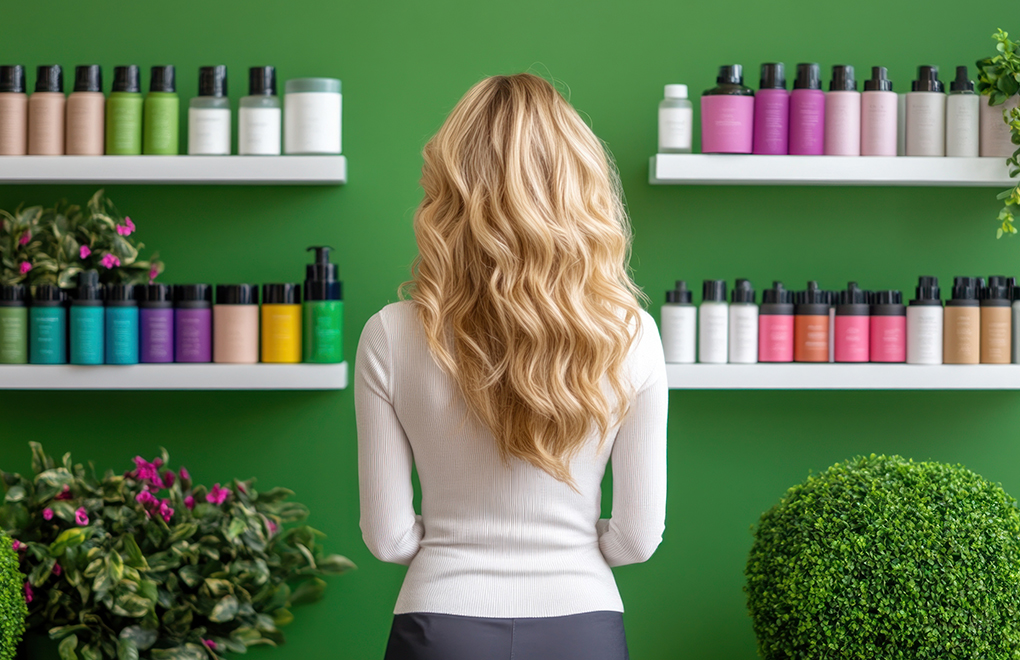
Why One-Size-Fits-All No Longer Works
Traditional mass-market hair masks face three major limitations:
1. Diverse Hair Needs Can’t Be Solved with One Formula
Curly, coily, bleached, color-treated, fine, thick—each hair type responds differently to ingredients, textures, and actives.
A single “repair mask” often ends up being:
- Too heavy for fine hair
- Not nourishing enough for damaged hair
- Ineffective for textured hair
2. Consumers Are More Ingredient-Literate
Modern shoppers read labels. They understand:
- Protein vs moisture balance
- Silicone-free vs performance silicones
- Clean beauty vs clinical actives
Generic formulas feel uninspired—and untrustworthy.
3. Brand Differentiation Is Harder Than Ever
When dozens of brands sell nearly identical hair masks, price becomes the only differentiator. That’s a race most indie brands don’t want to run.
The Rise of Personalized & Custom Hair Masks
Personalization doesn’t always mean mixing formulas per individual customer. In private label manufacturing, it usually means:
- Targeted formulations for specific hair concerns
- Brand-specific ingredient stories
- Customized textures, scents, and performance claims
This approach allows brands to move from “everyone can use this” to
“this was made specifically for you.”
What “Custom Hair Mask” Really Means in 2026
A modern custom hair mask can be personalized across multiple layers:
Formula Customization
- Moisture-focused vs protein-repair
- Curl-enhancing vs smoothing
- Scalp-care masks vs length-repair masks
Ingredient Storytelling
Brands increasingly request:
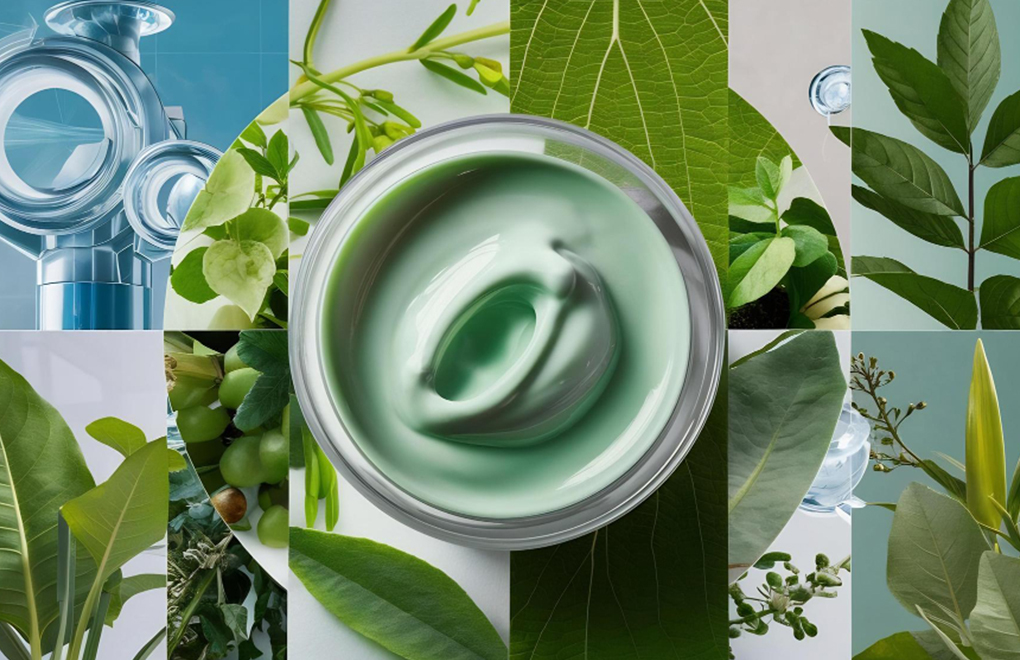
- Botanical-focused formulas
- Essential-oil-driven aromatherapy masks
- Vegan, silicone-free, or sulfate-free claims
- Performance actives backed by lab data
Texture & Sensory Experience
Texture is now a branding tool:
- Rich butter masks
- Lightweight cream-gels
- Melting balm textures
Market Positioning
The same base idea can be positioned as:
- Professional salon treatment
- Clean indie DTC hero product
- Premium spa-inspired ritual
Why Indie Brands Are Leading This Shift
Indie and emerging brands are driving the personalization trend faster than legacy players because they are:
- More agile in product development
- Closer to niche customer communities
- Less dependent on mass retail constraints
Custom hair masks allow indie brands to:
- Launch fewer SKUs with stronger storytelling
- Build emotional connection through personalization
- Command higher price points with clear value
How Manufacturers Enable Personalized Hair Masks
Behind every successful custom hair mask is a manufacturer that can support flexibility without chaos.
At HODM Cosmetics, personalization typically includes:
- Adjustable active levels
- Modular base formulas
- Scalable MOQs for growing brands
- Stability and performance testing aligned with claims
This makes personalization commercially viable—not just a marketing idea.
Custom Hair Masks as a Long-Term Brand Asset
Unlike trend-driven products, custom hair masks often become:
- Bestsellers
- Brand signature products
- Entry points into broader hair care lines
Once a brand owns a formula narrative, it’s difficult for competitors to copy—especially when the formulation, texture, and performance are tightly aligned.
Final Thoughts: Personalization Is the New Standard
The future of hair care isn’t about offering more products.
It’s about offering more relevant products.
As consumers move away from generic solutions, brands that invest in custom hair masks gain:
- Stronger differentiation
- Better customer loyalty
- Higher perceived value
In 2026 and beyond, personalization isn’t a premium feature—it’s the baseline.