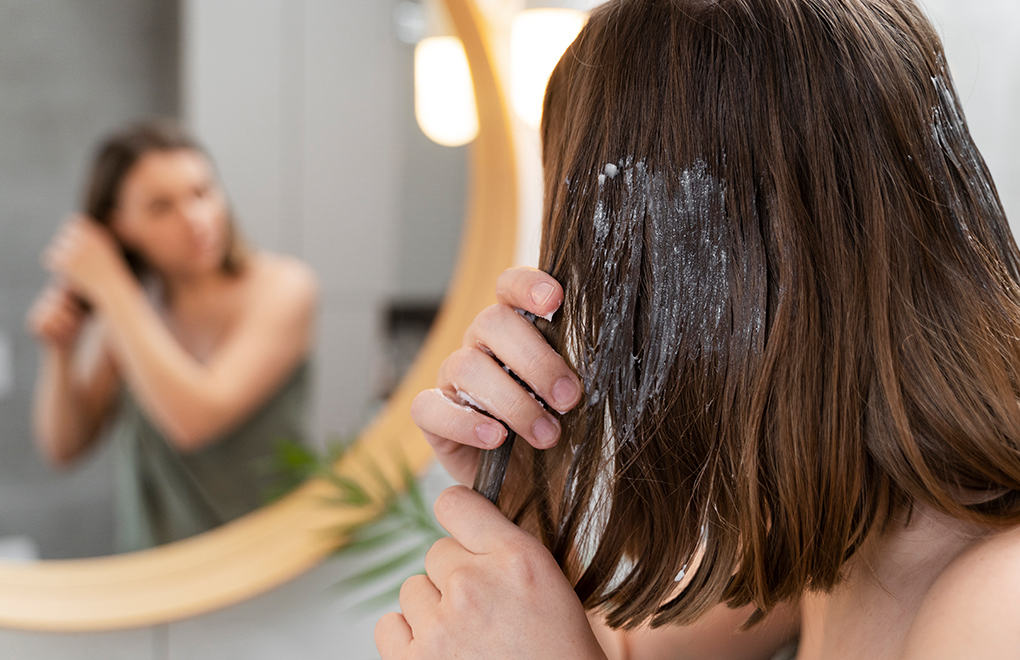

How to Formulate a Custom Hair Mask for Dry, Damaged, or Curly Hair
For independent brands, salon brands, and Amazon or Shopify sellers, hair masks are often the most performance-driven product in a hair care line.
Unlike shampoos or conditioners, hair masks are expected to:
- Deliver visible results quickly
- Solve specific hair problems
- Justify a premium price point
From an OEM/ODM manufacturing perspective, formulation strategy directly impacts brand success, customer reviews, and long-term scalability.
In 2026, brands that rely on generic formulas struggle to compete.
Brands that invest in custom hair mask formulation gain control over performance, positioning, and differentiation.
Step 1: Define the Primary Hair Type Before Formulation
One of the most common mistakes we see from B-end buyers is trying to create one formula for all hair types.
Professional formulation always starts by defining the primary target hair concern:
- Dry hair
- Damaged hair
- Curly or textured hair
Each category requires a different balance of moisture, strength, and texture control.
Core Formulation Differences at a Glance
| Hair Type | Primary Need | Main Risk | Customization Priority |
|---|---|---|---|
| Dry Hair | Moisture retention | Heavy, greasy feel | Rich hydration with clean rinse |
| Damaged Hair | Repair & strength | Protein overload, stiffness | Controlled repair system |
| Curly Hair | Hydration + elasticity | Curl collapse, frizz | Lightweight moisture & definition |
This is why custom formulation consistently outperforms generic hair mask bases.
Step 2: How to Formulate a Hair Mask for Dry Hair
Dry hair lacks moisture and lipid balance, often caused by environmental exposure or improper care.
Formulation Objectives
- Restore moisture levels
- Improve softness and slip
- Enhance manageability
Typical Ingredient Strategy
- Natural oils and butters (shea butter, argan oil, avocado oil)
- Moisture-binding agents
- Emollients that smooth the cuticle
Texture Direction
- Creamy, rich but rinse-clean
- No heavy residue after use
Brand Positioning Benefits
- Strong retail appeal
- Ideal for weekly treatment positioning
- Works well for clean beauty and nourishing claims
Customization allows brands to control richness without sacrificing user experience.
Step 3: How to Formulate a Hair Mask for Damaged Hair
Damaged hair requires a technical, performance-driven formulation approach.
Damage is typically caused by:
- Chemical processing
- Coloring and bleaching
- Heat styling
Formulation Objectives
- Strengthen weakened hair fibers
- Improve elasticity
- Reduce breakage
Typical Ingredient Strategy
- Proteins and amino acids
- Ceramides or bond-supporting actives
- Controlled acidic pH for cuticle alignment
Texture Direction
- Medium-weight, structured cream
- Fast performance under salon conditions
Brand Positioning Benefits
- Strong professional credibility
- Ideal for salon treatment menus
- High perceived value
⚠️ Protein balance is critical — customization allows manufacturers to fine-tune levels to avoid stiffness.
Step 4: How to Formulate a Hair Mask for Curly Hair
Curly and textured hair behaves very differently from straight hair.
Formulation Objectives
- Long-lasting hydration
- Curl elasticity and definition
- Frizz control without weight
Typical Ingredient Strategy
- Lightweight conditioning agents
- Film-forming systems for curl shape
- Anti-frizz components compatible with curl patterns
Texture Direction
- Cream or gel-cream
- Easy slip, high spreadability
Brand Positioning Benefits
- High brand loyalty
- Strong repeat-purchase behavior
- Excellent niche differentiation
Curly hair masks often become signature SKUs for indie and DTC brands.
Detailed Formulation Comparison Table
| Aspect | Dry Hair Mask | Damaged Hair Mask | Curly Hair Mask |
|---|---|---|---|
| Main Function | Deep hydration | Repair & strengthening | Hydration + curl definition |
| Texture | Rich cream | Structured cream | Cream or gel-cream |
| Protein Level | Low | Medium to high (controlled) | Low to medium |
| Oil Content | Medium to high | Medium | Medium (lightweight) |
| Rinse Feel | Soft, smooth | Clean, fortified | Defined, flexible |
| Ideal Channel | Retail / DTC | Salon / Professional | DTC / Niche retail |
| Customization Need | Texture balance | Repair precision | Curl behavior control |
Step 5: pH, Texture & Sensory Experience
Beyond ingredients, manufacturers customize:
- pH range based on hair condition
- Viscosity and spreadability
- Rinse-off behavior
For Amazon and Shopify sellers, sensory experience directly affects reviews and ratings.
For salon brands, rinse efficiency and immediate results are critical.
These variables cannot be optimized using generic formulas.
Step 6: Clean Beauty Positioning Without Performance Loss
Most B-end buyers now request:
- Sulfate-free systems
- Paraben-free formulations
- Vegan and cruelty-free options
Customization allows brands to:
- Define clean positioning clearly
- Maintain conditioning and repair performance
- Meet regional compliance standards
The goal is functional clean beauty, not ingredient removal at the expense of results.
Step 7: Aligning Formulation with Sales Channels
| Channel | Key Requirement | Formulation Focus |
|---|---|---|
| Salon Brands | Immediate results | Performance & efficiency |
| Amazon Sellers | Reviews & repeat sales | Consistency & broad compatibility |
| Shopify / DTC | Brand differentiation | Signature formula & story |
Custom formulation ensures one product performs correctly in its intended channel.
Manufacturer Insight: Why Custom Formulation Outperforms Generic Bases
From an OEM/ODM perspective, custom hair masks offer brands:
- Performance control
- Stronger differentiation
- Better long-term scalability
Generic bases may reduce initial cost, but they limit brand growth and positioning as competition increases.
Final Thoughts
Hair masks are no longer optional add-ons — they are core strategic products.
Brands that invest in custom hair mask formulation for dry, damaged, or curly hair gain a clear competitive advantage across salon, retail, and DTC markets.
🔗 CTA
Planning to develop a custom hair mask for your brand?
We support OEM/ODM formulation tailored to hair type, channel, and market positioning.