
How to Choose a Custom Shampoo Manufacturer (US & Asia Comparison)
Choosing the right custom shampoo manufacturer is one of the most critical decisions a hair care brand can make. It affects product quality, regulatory compliance, speed to market, pricing, and long-term scalability.
In 2026, brands launching custom shampoos face an increasingly global manufacturing landscape. Two popular choices are:
- United States–based manufacturers
- Asia (mainly East Asia / Southeast Asia) manufacturers
Each option offers distinct advantages and trade-offs. This guide compares them side-by-side to help brands make informed decisions.
1. Key Factors Brands Should Evaluate
Before comparing regions, brands should establish their manufacturing criteria:
✔ Quality & Performance
✔ Compliance & Safety Documentation
✔ Cost & Price Stability
✔ Minimum Order Quantity (MOQ)
✔ Lead Time to Market
✔ Ingredient & Packaging Flexibility
✔ Clean Beauty & Certification Support
✔ Communication & Project Management
A consistent evaluation framework ensures apples-to-apples comparison.
2. Custom Shampoo Manufacturing in the United States
Advantages
✔ Strong Regulatory Compliance
- Familiar with FDA Cosmetic Regulations
- Easy documentation for US retail channels
- Trusted safety standards
✔ Faster Prototyping & Sample Turnaround
- Short shipping distances
- Rapid lab-to-sample cycles
✔ Better Communication & Project Transparency
- English-language project management
- Easier travel for in-person audits
✔ Premium & Salon-Grade Performance Options
- Established expertise in professional and salon-level formulas
Limitations
✖ Higher unit cost
✖ Higher MOQs for fully custom formulations
✖ Packaging options may be limited or more expensive
✖ Longer lead time on complex formulas
Best For
- Brands targeting US retail or salon distribution
- Premium / luxury positioning
- Short prototype cycles
3. Custom Shampoo Manufacturing in Asia
(This includes China, South Korea, Japan, and increasingly Southeast Asia such as Vietnam/Thailand)
Advantages
✔ Cost Efficiency
- Lower per-unit manufacturing cost
- More competitive raw material sourcing
✔ Broad Range of OEM/ODM Services
- Private label + fully custom development
- Flexible surfactant systems (sulfate-free, silicone-free, botanical blends)
- Clean train formulation options
✔ Lower MOQ Options
- Many factories offer low MOQs for startups (1,000–3,000 units)
- Easy scaling to larger volumes
✔ Packaging Variety
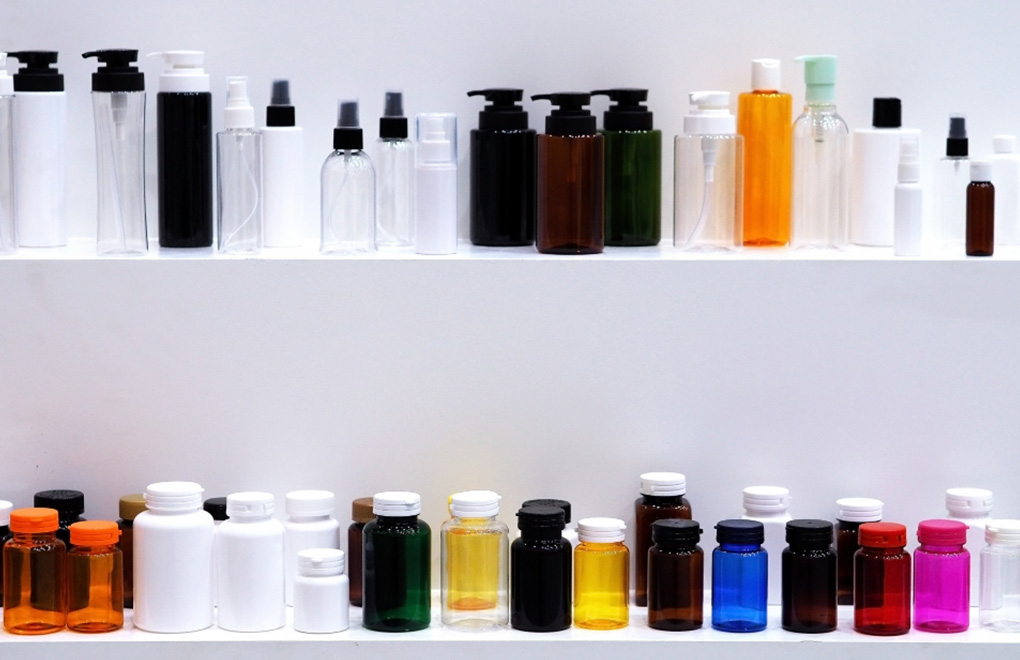
- Wide range of bottles, pumps, tubes, finishes
- Sustainable & premium packaging availability
✔ Fast Expansion into Global Markets
- Many manufacturers are experienced with US + EU regulatory exports
Limitations
✖ Communication barriers (time zones, language)
✖ Longer freight lead times (sea shipping)
✖ Tight documentation requirements for compliance
✖ Some factories may lack strict ISO / GMP certifications
Best For
- Indie brands with limited budgets
- Brands seeking low MOQ + flexible customization
- Batch size scaling from small to large
4. Side-by-Side Comparison: US vs Asia
| Evaluation Factor | US Manufacturers | Asia Manufacturers |
|---|---|---|
| Regulatory Familiarity (US) | Strong | Moderate (but improving) |
| Regulatory Familiarity (EU) | Moderate | Strong (many compliant exports) |
| Cost per Unit | High | Low–Medium |
| MOQ | Higher | Lower |
| Lead Time (Sampling) | Short | Medium–Long |
| Lead Time (Production) | Short | Medium |
| Packaging Options | Good | Very Broad |
| Clean/Green Ingredients | Good | Excellent & Flexible |
| Communication | Best (English) | Moderate (improves with dedicated PMs) |
| Scalability | Good | Excellent |
5. Quality & Compliance Expectations
Regulatory Compliance
- US: FDA, CPSR-equivalents, label INCI requirements
- EU: CPNP, COSMOS/ECOCERT (if needed), Safety Reports
- Asia exports: Many factories routinely support US + EU compliance docs
A good manufacturer will provide:
✔ COA (Certificate of Analysis)
✔ MSDS / SDS
✔ Stability & microbiological test results
✔ Ingredient traceability
6. Manufacturing Capabilities & Innovation
In the US:
- Focus on salon-grade performance
- Regional material sourcing
- Established R&D labs for peptide & scalp tech
In Asia:
- Deep expertise in sulfate-free, clean, botanical systems
- Fast trend adoption (ferments, peptides, microbiome support)
- High-volume capability + small-batch support
Both regions now produce high-performance formulas—difference lies mainly in cost and service model.
7. Cost Considerations
Typical Cost Influencers:
- Formulation complexity
- Clean beauty claims (organic, vegan, botanical)
- Packaging choice
- MOQ
- Testing & regulatory support
Asia generally delivers lower unit cost and flexible MOQs.
US often charges a premium but reduces logistics headaches for domestic brands.
8. Lead Time Expectations
| Stage | US Manufacturers | Asia Manufacturers |
|---|---|---|
| Concept Approval | 3–7 days | 3–7 days |
| Formula Development | 2–6 weeks | 2–6 weeks |
| Sampling & Adjustments | 1–3 weeks | 1–4 weeks |
| Testing & Packaging | 2–6 weeks | 2–6 weeks |
| Production Run | 2–4 weeks | 3–6 weeks |
| Total Estimated Lead Time | 8–16 weeks | 10–18 weeks |
Asia timelines can be slightly longer due to freight schedules, but lower unit costs often justify the wait.
9. Choosing the Right Partner: Questions to Ask
When evaluating manufacturers, ask:
Formulation & Quality
- Does your R&D team support fully custom formulas?
- Can you optimize for scalp health, curly/textured hair, color protection?
- Do you provide COA, SDS, stability testing?
Compliance
- Can you support US FDA & EU CPNP documentation?
- Are your ingredients traceable and compliant with clean beauty listings?
MOQ & Packaging
- What is your lowest MOQ?
- Do you offer premium and sustainable packaging?
- Can labels be customized without high tooling fees?
Production & Logistics
- What is the typical lead time?
- How do you handle freight and customs?
- What quality control checkpoints do you provide?
Communication
- Will I have a dedicated project manager?
- What is your SLA for replies?
- Can we have bilingual communication if needed?
10. Making Your Final Decision
Choose a US Manufacturer If:
- Fast turnaround and local compliance are top priorities
- You need frequent sampling & iteration
- Premium / boutique / salon positioning
- Strong domestic distribution focus
Choose an Asia Manufacturer If:
- Cost optimization is a priority
- You need flexible MOQs
- You want broad packaging options
- You plan global distribution (US + EU + APAC)
Conclusion: Balancing Cost, Flexibility & Quality
There is no one-size-fits-all answer. Both US and Asia custom shampoo manufacturers can deliver high-quality, compliant, performance-driven products.
The best choice depends on your:
✔ Budget and pricing strategy
✔ Time-to-market priorities
✔ Brand positioning
✔ Target markets
✔ Packaging & customization needs
Smart brands evaluate not only cost, but communication, compliance support, and long-term partnership potential.
CTA (B2B Conversion)
Looking for the right custom shampoo manufacturing partner?
We support brands with:
✔ Fully custom formulation or private label options
✔ US & EU regulatory compliance support
✔ Low MOQ and scalable manufacturing
✔ Quality testing & documentation
✔ Broad packaging choices (eco-friendly options available)
👉 Contact us today to compare custom shampoo manufacturing solutions.