
The Complete Custom Hair Care Manufacturing Process Explained
Creating a custom hair care product involves more than mixing shampoo and conditioner ingredients. For brands targeting premium U.S. and EU markets, understanding the complete custom hair care manufacturing process is essential to deliver high-quality, differentiated products that meet customer expectations.
From concept and formula development to quality testing and packaging, the custom hair care process ensures every product is safe, effective, and aligned with brand positioning. This guide walks you through each step of manufacturing so your brand can launch confidently with products that stand out.
1. Concept & Brand Strategy
Key Steps:
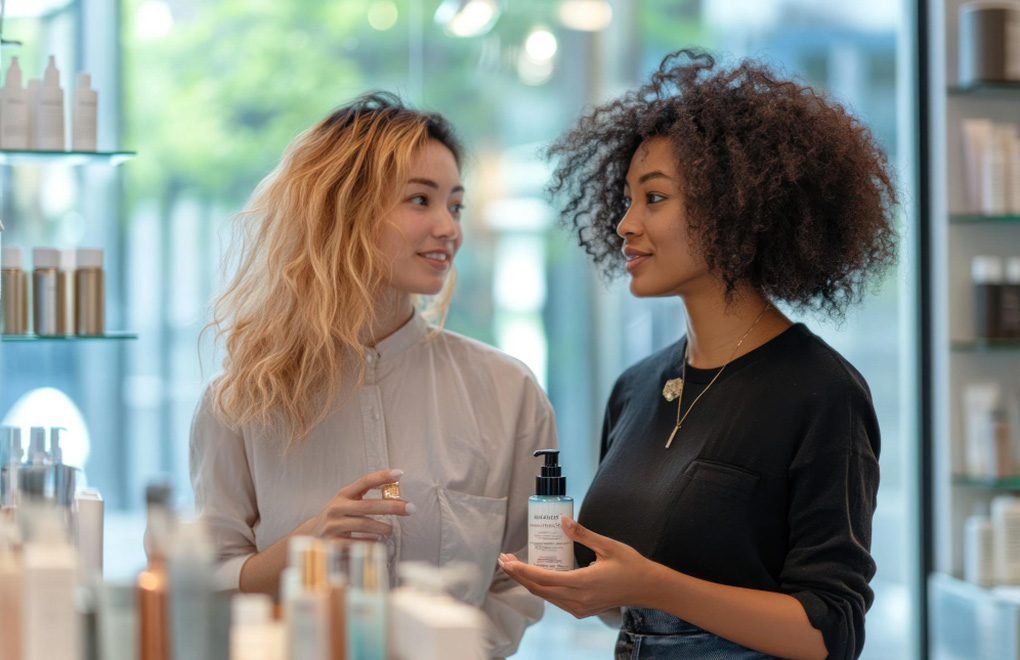
- Define target audience (dry, curly, damaged, color-treated, etc.)
- Identify key hair concerns (hair growth, hydration, repair, scalp health)
- Determine brand positioning (luxury, clean beauty, salon-grade)
- Decide product types & regimen (shampoo, conditioner, mask, serum, styling)
Tip: Brands that clearly define their hair type and concern focus see faster market adoption.
2. Formula Development
Private Label vs Custom Formula
- Private Label: Use pre-developed formulas, add brand-specific fragrance or packaging. Fast launch, lower MOQ.
- Custom Formula: Fully developed from scratch or heavily modified base. Full control over ingredients, texture, and performance. Higher differentiation, premium positioning.
Development Steps:
- Select base ingredients (surfactants, moisturizers, conditioners)
- Add active ingredients (botanical extracts, proteins, peptides, vitamins)
- Optimize texture, scent, and viscosity
- Test for stability, pH balance, and safety
2026 Trend: Clean, vegan, and scalp-friendly formulations dominate.
3. Prototype & Sampling
Steps:
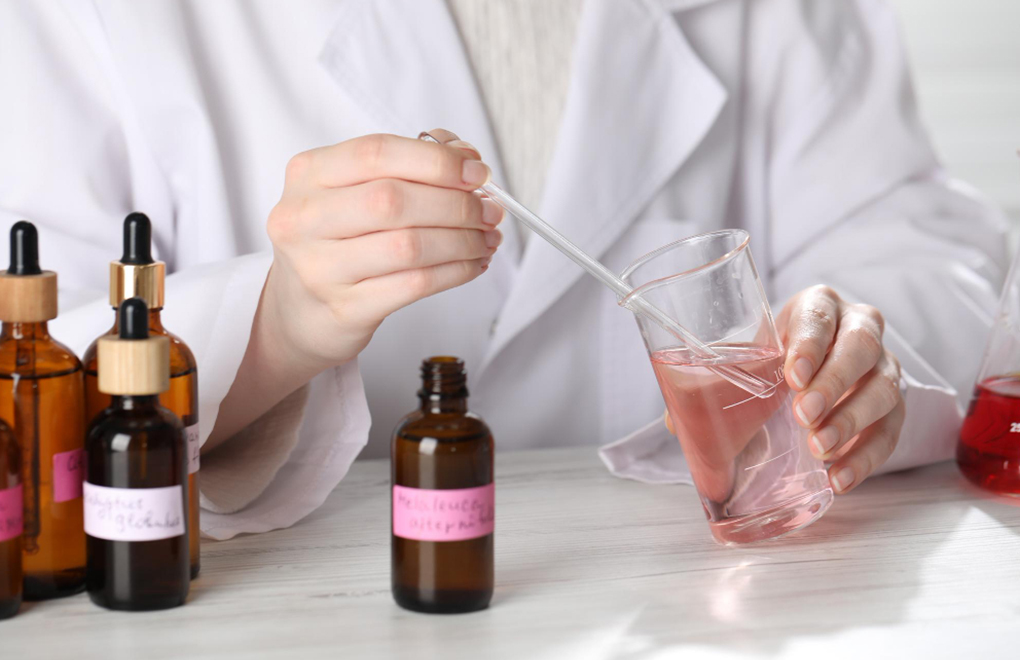
- Small batch prototype creation
- Sensory evaluation: texture, foam, fragrance, color
- Performance testing on target hair types
- Iterative adjustments with brand feedback
Tip: Sampling is crucial to ensure the product matches marketing claims.
4. Ingredient Sourcing & Quality Assurance
Key Points:
- Use GMP-certified suppliers
- Ensure all raw materials have COA (Certificate of Analysis)
- Prioritize clean beauty and sustainable ingredients
- Verify compliance with FDA, EU, or local regulations
Why it matters: Raw material quality directly affects hair performance and consumer trust.
5. Pilot Production
- Scale up to small pilot batch
- Check mixing, homogenization, and heating parameters
- Perform microbial testing and shelf-life simulations
- Confirm color, fragrance, and texture stability
Goal: Make sure production can be scaled without losing quality.
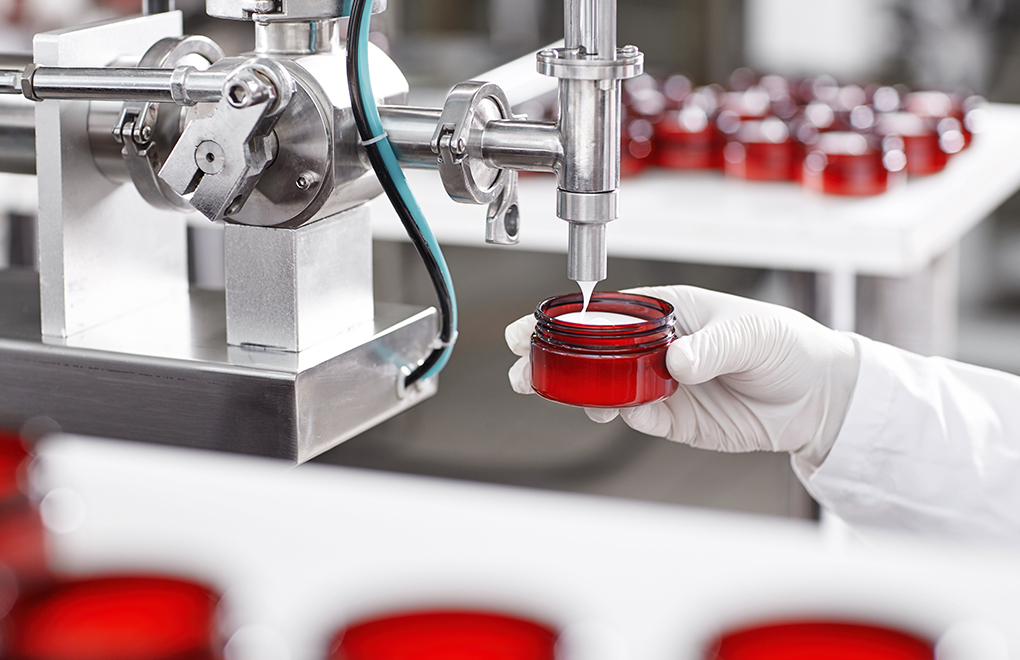
6. Full-Scale Production
- Adjust formula to full production volume
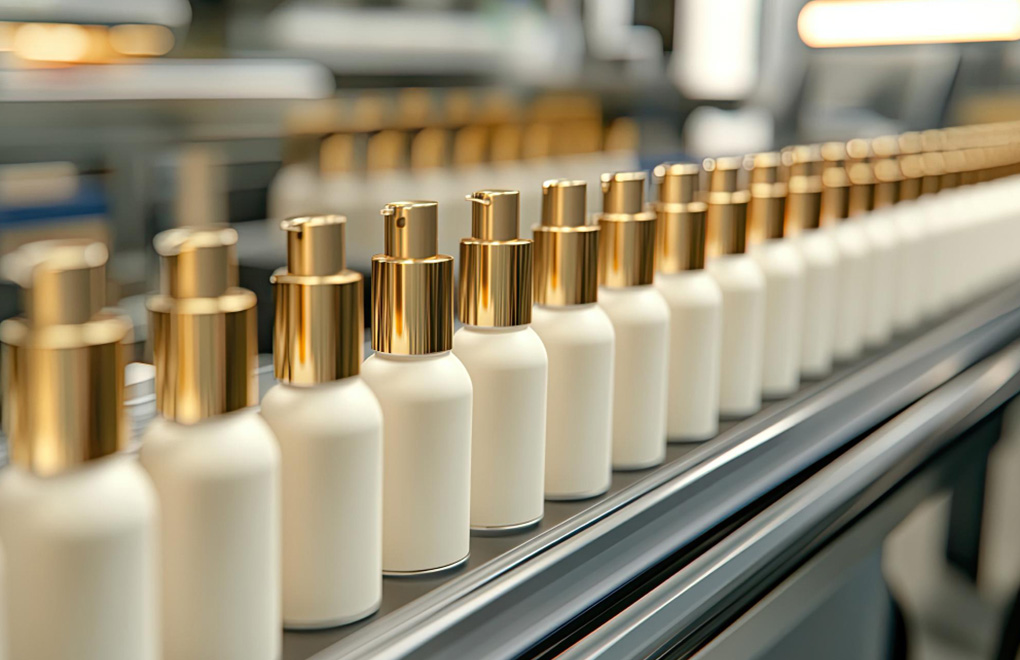
- Use industrial mixing tanks, emulsifiers, and fillers
- Continuous quality control checks on pH, viscosity, microbial load, fragrance consistency
- Track batch numbers for traceability
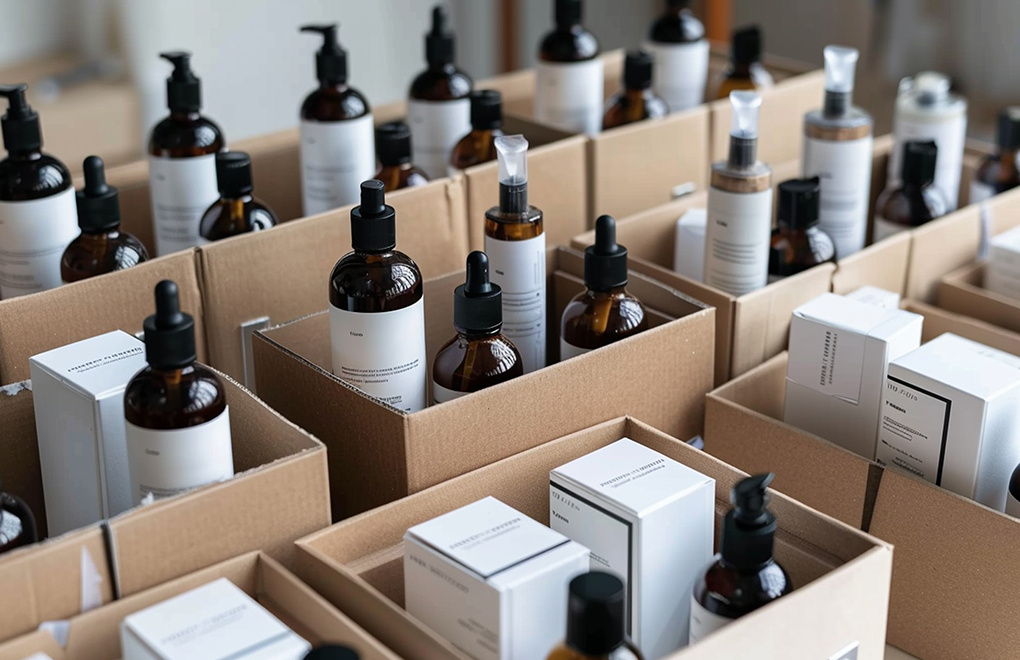
7. Packaging & Labeling
- Select bottle type, cap style, and pumps
- Custom label design aligned with brand identity
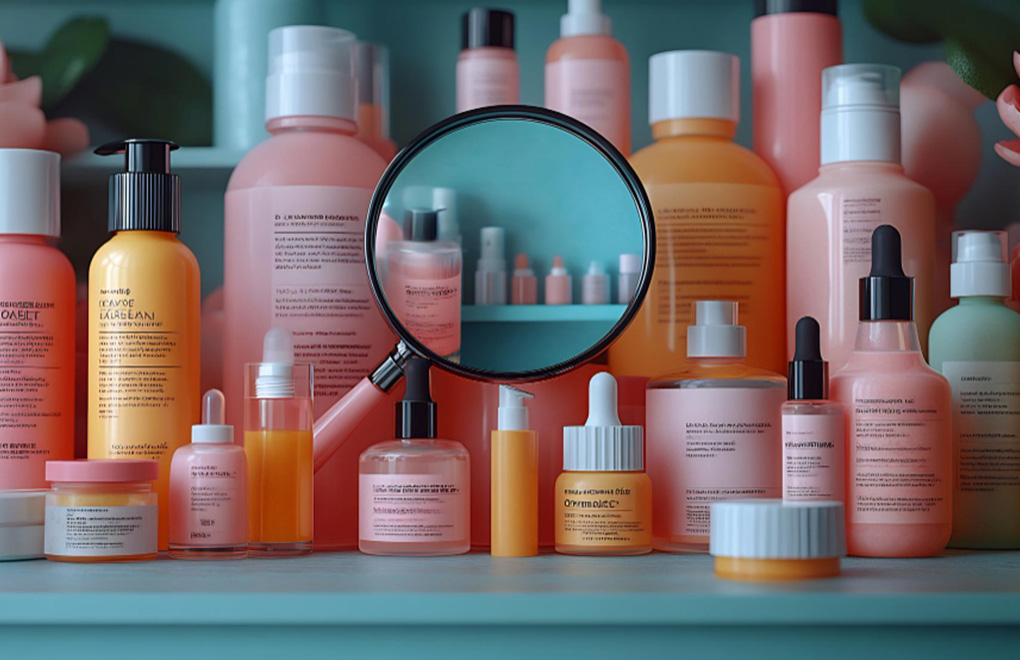
- Ensure regulatory compliance (INCI listing, claims, warnings)
- Include tamper-proof seals and sustainability options
Trend 2026: Minimalist and recyclable packaging is preferred in US & EU.
8. Final QA & Stability Testing
- Conduct accelerated aging for shelf-life prediction
- Stress test under heat, cold, and light
- Microbial safety testing
- Confirm active ingredient efficacy
Only batches passing all QA are approved for shipment.
9. Logistics & Distribution
- Coordinate warehouse, fulfillment, and shipping
- Export compliance for US, EU, and global markets
- Batch tracking for recalls or product updates
Efficient logistics ensures brands can scale quickly.
10. Post-Launch Optimization
- Collect customer feedback
- Monitor market trends and competitor formulations
- Update formulas or add new SKU variants
- Optimize regimen systems (shampoo + mask + serum combinations)
Tip: Successful brands continually iterate and refresh formulas to maintain premium positioning.
Conclusion
Understanding the complete custom hair care manufacturing process empowers brands to create products that are safe, effective, and aligned with their vision. From concept to full-scale production, every step—formulation, sampling, QA, and packaging—matters for building trust and brand authority in competitive markets.
CTA (B2B-Oriented)
Ready to Manufacture Your Own Custom Hair Care Products?
We provide full-service solutions:
✔ Custom formulas for shampoos, conditioners, masks, serums, and styling products
✔ Private label and OEM options with low MOQ
✔ Clean beauty compliance for US & EU markets
✔ Scalable production and packaging support
Contact us today to start your hair care brand with confidence.