
Custom Sulfate-Free Shampoo Formulation Guide for 2026
As the clean beauty movement accelerates into 2026, demand for custom sulfate-free shampoos continues to rise across the U.S., Europe, and global premium hair care markets. Consumers are becoming more ingredient-conscious, preferring gentle, safe, and eco-friendly cleansing systems that avoid sulfates but still deliver salon-quality results.
For brands planning to create or expand a sulfate-free product line, understanding modern surfactant systems, conditioning agents, natural actives, and sensory enhancers is essential. This guide breaks down everything needed to formulate a high-performance sulfate-free shampoo that aligns with 2026 clean beauty expectations.
1. Why Sulfate-Free Shampoo Is the New Standard
Sulfates like SLS (Sodium Lauryl Sulfate) and SLES (Sodium Laureth Sulfate) are highly effective cleansers—but they can be harsh for certain hair types.
Today’s customers want shampoos that are:
- Gentle and non-irritating
- Color-safe
- Curly-hair friendly
- Sensitive scalp–safe
- Moisturizing and non-stripping
- Clean beauty–approved
This shift makes sulfate-free formulas essential for modern brands.
2. The Core of Any Sulfate-Free Shampoo: Surfactant Systems
Sulfate-free doesn’t mean weak. With the right surfactant blend, brands can achieve rich foam, deep cleansing, and a luxurious feel.
Top Sulfate-Free Surfactants for 2026
✔ SCI (Sodium Cocoyl Isethionate)
- Gentle, creamy foam
- Excellent for premium formulations
✔ Coco-Glucoside / Decyl Glucoside
- ECOCERT-approved
- Great for natural and organic lines
✔ Sodium Lauroyl Methyl Isethionate (SLMI)
- Very mild, great for sensitive scalp
✔ Sodium Cocoyl Glutamate & Disodium Cocoyl Glutamate
- Amino-acid based, ultra-gentle
✔ Cocamidopropyl Betaine
- Improves foam and reduces irritation
- Commonly used as a secondary surfactant
Ideal Surfactant Blends for Performance
A typical 2026 sulfate-free system includes:
- Primary surfactant: SCI, SLMI, Decyl Glucoside
- Secondary surfactant: Cocamidopropyl Betaine
- Foam booster: Sodium Cocoyl Glutamate
- Conditioning agent: Polyquaternium, Guar Hydroxypropyltrimonium Chloride
3. Key Conditioning Agents for a Balanced Formula
To avoid dryness or tangling, sulfate-free shampoos often include conditioning components.
Best Conditioning Additives
- Polyquaternium-7 / -10
- Guar Hydroxypropyltrimonium Chloride
- Cationic emulsions
- Silicone alternatives (for silicone-free claims)
- Natural oils in solubilized form: argan, coconut, avocado
These keep the hair soft and manageable without weighing it down.
4. Active Ingredients to Boost Performance
2026 consumers expect more than just cleansing—they want treatment benefits.
Popular Actives in Sulfate-Free Shampoos
✔ Scalp Care Actives
- Tea tree oil
- Piroctone Olamine
- Salicylic acid
- Mint or peppermint oil
- Prebiotics & postbiotics
✔ Hydration Boosters
- Panthenol (Vitamin B5)
- Aloe vera
- Glycerin
- Hyaluronic acid
✔ Hair Strengthening & Repair
- Hydrolyzed keratin
- Rice protein
- Silk amino acids
- Ceramides
- Bond-building actives
✔ Hair Growth Actives
- Caffeine
- Niacinamide
- Rosemary extract
A well-designed custom formula uses specific actives based on the target customer (curly hair, sensitive scalp, oily scalp, color-treated hair, etc.).
5. Botanical Extracts Trending in 2026
Nature-powered formulas continue to dominate.
Top Botanicals for Sulfate-Free Products
- Chamomile extract
- Ginger extract
- Ginseng extract
- Green tea (EGCG)
- Citrus fruit extracts
- Lavender, rosemary, peppermint essential oils
These increase consumer trust and provide marketing-friendly claims.
6. Optimal pH Range for Sulfate-Free Shampoo
Maintaining the correct pH ensures:
- A gentle cleansing experience
- Scalp barrier protection
- Cuticle smoothness
Ideal pH: 4.8 – 5.5
Most brands target 5.0–5.3 for a balanced finish.
7. Texture, Viscosity & Sensory Experience
2026 sulfate-free shampoos should feel luxurious. Brands can customize:
- Thickness (gel, creamy, lightweight)
- Transparency (clear or opaque)
- Foam quality (dense, silky, bubbly)
- Rinseability
Polymers, gums, and natural thickening agents help adjust viscosity.
8. Fragrance Customization: A Key Brand Differentiator
Clean, signature fragrances are essential.
Top choices include:
- Mint + citrus
- Lavender + chamomile
- Bergamot + rosemary
- Vanilla + coconut
- Perfume-grade floral blends
- Essential-oil–only blends (for natural lines)
Brands can also choose:
- Hypoallergenic fragrance
- Fragrance-free
- Essential oil–only
- Gender-neutral scents
9. Packaging Options for 2026 Launches
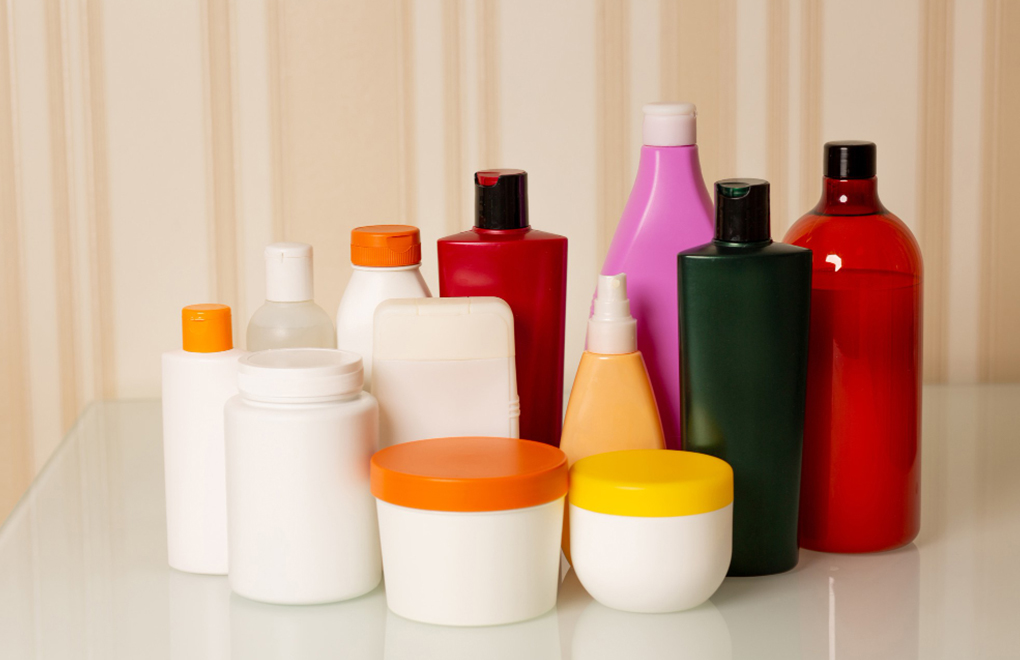
Trending packaging styles:
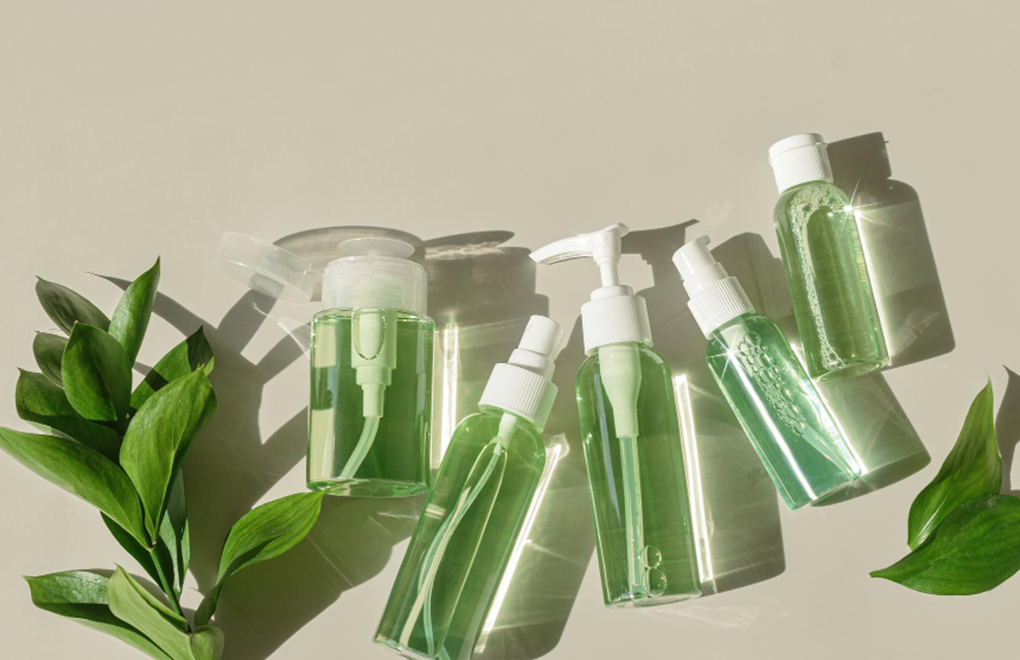
- PCR (post-consumer recycled) bottles
- Matte bottles with minimalist labels
- Refill pouches
- Amber PET bottles for natural lines
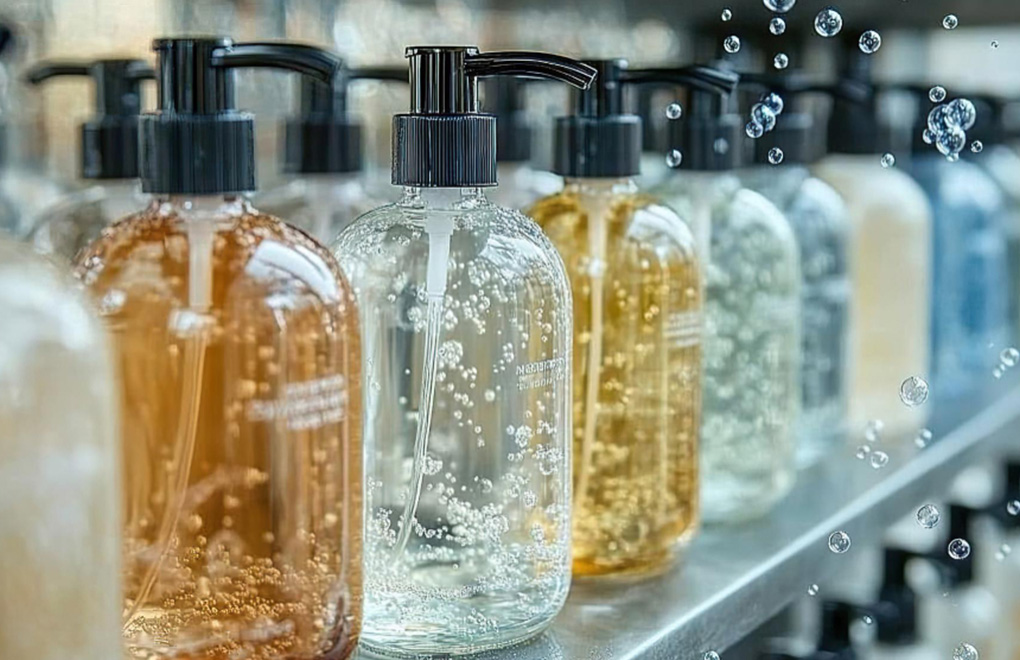
- Pump-top or flip-top bottles
Sustainable packaging strongly appeals to U.S. & EU customers.
10. How Brands Can Develop Custom Sulfate-Free Shampoo (OEM/ODM Process)
Step-by-Step Process
- Define product goals (hydration, repair, scalp care, growth).
- Choose surfactant base system.
- Select actives & botanicals.
- Customize fragrance and texture.
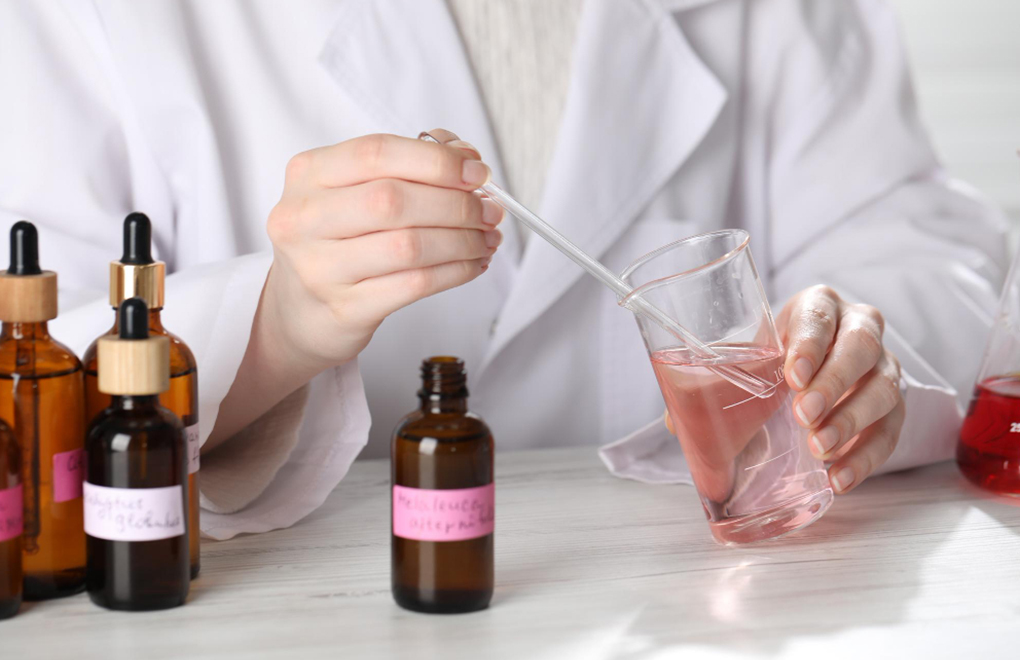
- Create samples for testing.
- Adjust viscosity, foam, scent, and performance.
- Stability & microbial testing.
- Choose packaging materials.
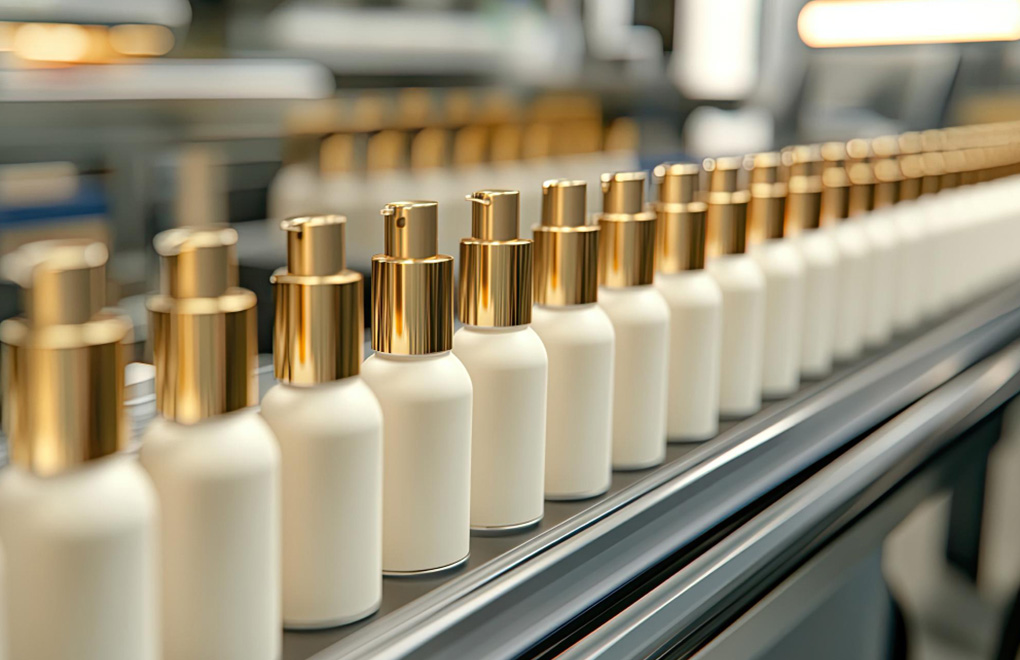
- Begin mass production.
- Prepare labeling & market claims (U.S., EU-compliant).
OEM partners streamline the process, ensuring consistency and scalability.
⭐ Conclusion
A modern custom sulfate-free shampoo must be gentle yet effective, rich yet lightweight, and clean yet powerful. By choosing the right surfactants, hydrating agents, botanicals, and treatment actives, brands can create a premium product that meets 2026 clean beauty standards and delivers a superior user experience.
👉 CTA
Want to develop a custom sulfate-free shampoo for your brand?
We provide:
✔ OEM/ODM formulation development
✔ Sulfate-free, silicone-free, natural & organic options
✔ Custom fragrance, surfactant system & viscosity
✔ Low MOQ for global brands
✔ Packaging + full private label support
Contact us to start creating your custom sulfate-free shampoo for 2026.