
2026 Custom Hair Care Trends: What Buyers Expect from Next-Gen Formulas
As we move into 2026, the global beauty industry is undergoing one of the fastest transformations in decades. From ingredient innovation to AI-powered personalization, 2026 custom hair care trends are shaped by a demand for cleaner, more targeted, and more effective solutions. Buyers—especially from the U.S. and Europe—are moving away from generic formulas and shifting toward next-gen formulas designed for specific hair needs, lifestyles, and scalp conditions.
This shift means brands can no longer rely on basic sulfate-free or “natural” claims. Instead, they must offer custom hair care products supported by scientific actives, sustainable packaging, transparent ingredient lists, and sensorial experiences. Understanding these trends is essential for any brand looking to launch or upgrade its product line in 2026.
1. Personalization Becomes the New Standard
Personalization is no longer optional—it is the new baseline. Buyers want custom hair care formulas tailored to hair type, porosity level, scalp condition, climate, and personal lifestyle.
What brands demand in 2026:
- Different systems for straight, wavy, curly (2A–4C), and coily hair
- Moisture vs. protein balance for damage prevention
- Climate-sensitive formulas (dry climate, humid regions, polluted cities)
- Scalp-focused personal routines
- Lightweight vs. rich textures depending on region and hair texture
Brands that offer modular or customizable boosters (growth booster, shine booster, moisture booster) will stand out in 2026.
2. Science-Backed Actives Lead the Market
Buyers want next-gen formulas with real performance—not marketing fluff.
Trending high-performance actives:
- Peptides → strengthening, thickening
- Niacinamide → scalp balance
- Caffeine, AnaGain™, Redensyl® → hair growth support
- Bond-repair molecules → rebuild damaged cuticles
- Ceramides → sealing and smoothing
- Hemisqualane → silicone-free softness
- Postbiotics → microbiome-friendly scalp care
2026 is the year of clinically aligned claims, which gives private label brands a competitive edge.
3. Clean Beauty 3.0: Transparency and Safety First
Consumers demand much more than “paraben-free.” Clean beauty in 2026 emphasizes:
- Microbiome-safe formulas
- IFRA-certified fragrances
- EU and U.S. compliant ingredient lists
- Silicone alternatives
- High-tolerance formulas for sensitive scalps
- Clearly documented safety testing
Brands launching in Europe must prioritize REACH and Annex III compliance.
4. Scalp Care Becomes the Fastest-Growing Hair Category
The scalp-care movement is officially mainstream.
In-demand custom scalp products:
- AHA/BHA exfoliating scalp scrubs
- Peptide scalp serums
- Leave-on scalp mists for hydration
- Anti-dandruff formulas (pyrithione-free)
- Microbiome-balancing serums
“Skinification of the scalp” continues dominating searches across the U.S. and EU.
5. Curl, Coil & Kink Care Remains a Top Priority
The textured hair category keeps growing—and buyers want formulas that work.
2026 curl-care demands:
- Humidity-resistant curl creams
- Natural gels with no crunch
- Coconut-free formulas for sensitive users
- Moisture + protein balancing systems
- Lightweight options for fine curls
PEG-free, wax-free, and buildup-free are now essential claims.
6. Sustainability Drives Purchasing Decisions
Sustainability is no longer a niche—it is a requirement, especially in Europe.
Buyer preferences include:
- PCR bottles
- Bio-based tubes
- Refillable packaging
- Solid or concentrated formulas
- Low-energy or carbon-neutral production
- Minimalist labels and eco inks
Brands that merge sustainability with luxury will dominate 2026.
7. AI-Powered Diagnostics & Data-Based Formulation
Tech is reshaping custom hair care.
Brands use AI for:
- Virtual hair and scalp analysis
- Personalized product recommendations
- Data-driven ingredient selection
- Climate-based product suggestions
OEM/ODM manufacturers offering AI support gain a strong competitive advantage.
8. Full-System Development Outperforms Single Products
Buyers prefer launching complete hair systems rather than one-off products.
High-demand full-system kits:
- Hair growth system (shampoo + conditioner + serum)
- Damage-repair system
- Curl-care system
- Scalp therapy system
- Hydration + bond repair duo
Systems improve LTV and are easier to market.
9. Sensory Wellness: Premium Texture & Gentle Fragrance
Products must feel luxurious.
2026 sensory trends include:
- Light, hypoallergenic fragrances
- Essential oil blends for aromatherapy
- Rich yet non-greasy textures
- Salon-grade feel with clean ingredients
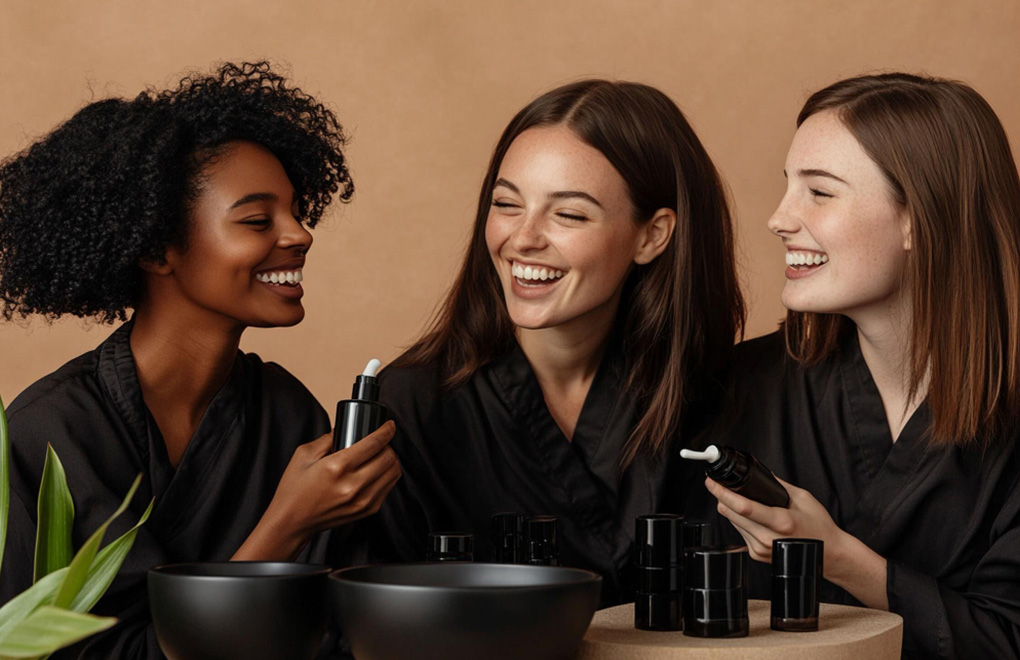
“Minimalist spa luxury” is the new direction for premium lines.
10. Global Compliance & Market-Ready Documentation
Buyers want manufacturers who provide:
- COA, CPSR, MSDS
- FDA label guidance
- EU compliance support
- IFRA fragrance documentation
- Cosmetic PIF files
This makes exporting easier and reduces liability for brands.
Conclusion
The 2026 custom hair care trends highlight a clear shift toward science-backed, personalized, and clean solutions. Buyers want manufacturers capable of delivering:
- Next-gen formulas with high-performance actives
- Scalp-first product systems
- Sustainable packaging
- Evidence-based claims
- Full-system collections
- Compliance-ready documentation
Brands that adopt these innovations early will dominate the 2026 marketplace.
CTA
Looking to build next-gen custom hair care products for 2026?
We develop premium custom hair care, including shampoos, conditioners, masks, serums, scalp systems, styling products, and full hair care regimens.
✔ OEM/ODM custom formulation
✔ Private Label services
✔ Low MOQ
✔ EU & U.S. compliant formulas
✔ Custom packaging & fragrance options
Contact us to create your 2026 hair care line today.