Botanical Oils vs. Synthetic Oils: What Works Better for Custom Products?
When developing custom hair care products, one of the most common formulation questions brands face is botanical oils vs synthetic oils—which truly performs better? As clean beauty and high-performance formulations continue to dominate the U.S. and European markets, the choice of oils directly impacts product performance, stability, sensory feel, and brand positioning.
In 2026, consumers expect both visible results and ingredient transparency. While botanical oils are often associated with natural, sustainable beauty, synthetic oils are known for consistency, lightweight feel, and enhanced stability. Understanding the strengths and limitations of both is essential for brands creating custom shampoos, conditioners, masks, serums, and styling products.
1. What Are Botanical Oils?
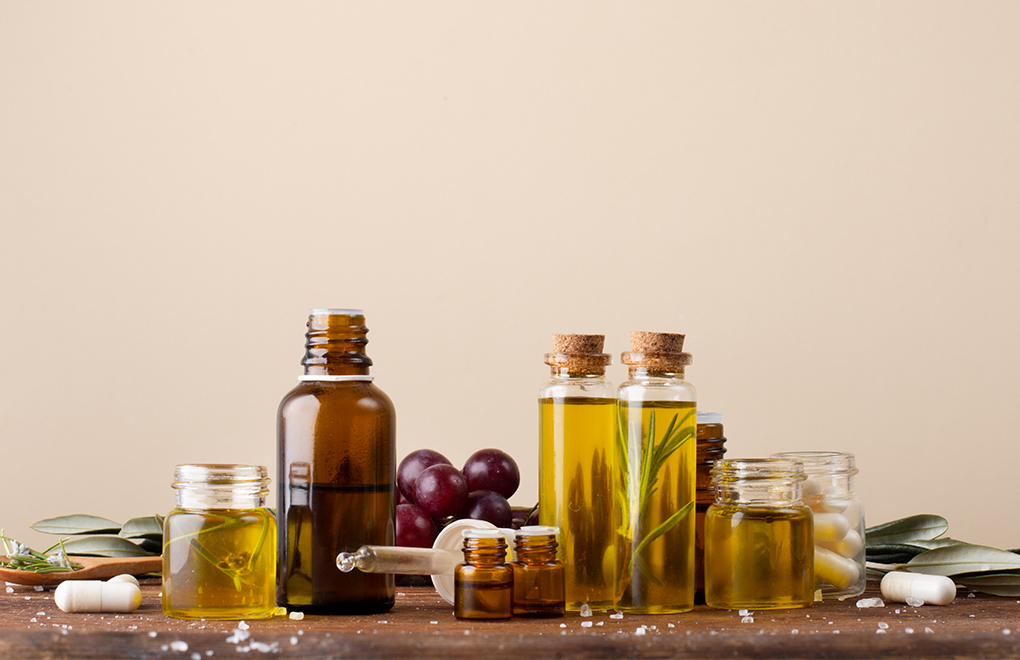
Botanical oils are naturally derived oils extracted from plants, seeds, nuts, or fruits.
Common botanical oils in hair care:
- Argan oil
- Coconut oil
- Jojoba oil
- Olive oil
- Avocado oil
- Castor oil
- Marula oil
- Baobab oil
Key benefits of botanical oils:
✔ Rich in fatty acids & antioxidants
✔ Nourish and soften hair
✔ Improve elasticity and shine
✔ Strong natural & clean beauty appeal
✔ Ideal for dry, damaged, or curly hair
Botanical oils are often linked to wellness, tradition, and sustainability.
2. What Are Synthetic Oils?
Synthetic oils are lab-created or modified ingredients designed to mimic or improve the performance of natural oils.
Common synthetic oils:
- Silicones (dimethicone, amodimethicone)
- Hydrogenated polyisobutene
- Isohexadecane
- Ester oils (e.g., C12-15 alkyl benzoate)
Key benefits of synthetic oils:
✔ Lightweight, non-greasy feel
✔ High stability & long shelf life
✔ Superior frizz control & slip
✔ Heat protection benefits
✔ Cost consistency
Synthetic oils are widely used in salon-grade and luxury products.
3. Performance Comparison: Botanical vs Synthetic Oils
| Performance Factor | Botanical Oils | Synthetic Oils |
|---|---|---|
| Moisture delivery | High | Moderate |
| Slip & detangling | Moderate | Excellent |
| Frizz control | Moderate | Excellent |
| Heat protection | Low–Moderate | High |
| Shine | Natural | High-gloss |
| Stability | Lower | Very high |
| Sensory feel | Rich | Lightweight |
| Shelf life | Shorter | Longer |
4. Clean Beauty & Consumer Perception
Botanical Oils:
✔ Highly favored by clean beauty consumers
✔ Perceived as healthier & safer
✔ Strong sustainability narrative
✖ Can vary in quality by harvest
✖ Risk of oxidation
Synthetic Oils:
✔ Viewed as more “chemical” by consumers
✔ Not always clean-beauty compliant
✔ Often misunderstood as harmful
✔ Can be silicone-free & biodegradable
Brand education is key when using synthetic oils.
5. Cost & Scalability Considerations
Botanical oils:
- Higher price volatility
- Crop-dependent supply
- Sustainability certifications add cost
Synthetic oils:
- Stable pricing
- Reliable global supply
- Easier for mass production
For scaling brands, consistency often matters more than perception.
6. Which Hair Types Benefit Most From Each?
Botanical oils work best for:
- Dry & damaged hair
- Curly & coily hair
- Natural hair care lines
- Repair masks & deep conditioners
Synthetic oils work best for:
- Fine or straight hair
- Styling serums & sprays
- Heat protection products
- Anti-frizz & shine products
7. The Best Solution: Hybrid Oil Systems
Most premium brands do not choose one or the other—they use hybrid oil systems.
Hybrid oil systems combine:
- Botanical oils for nourishment
- Synthetic or ester oils for slip & performance
Why hybrids work best:
✔ Balanced performance
✔ Clean beauty positioning
✔ Lightweight texture
✔ Long-term stability
Luxury brands rely heavily on hybrid systems.
8. What Works Best for Custom Hair Care Products?
The answer depends on your brand positioning:
Natural / Organic Brands:
→ Botanical oil–dominant formulas
Luxury / Salon Brands:
→ Hybrid systems
Performance-Driven Styling Products:
→ Synthetic or ester-based systems
Sensitive Scalp Lines:
→ Lightweight esters + minimal botanicals
9. Formulation Tips for Custom Brands
- Always stabilize botanical oils with antioxidants
- Avoid overloading formulas with heavy oils
- Use esters as silicone alternatives
- Educate customers on ingredient benefits
- Match oil systems to hair texture & climate
Smart formulation equals better reviews and repeat purchases.
10. Partner With a Skilled Custom Manufacturer
Choosing the right oil system requires lab expertise.
Look for manufacturers offering:
- Clean & hybrid formulation experience
- Global regulatory compliance
- Stability testing
- Custom fragrance compatibility
- Scalable production options
A good partner ensures performance without compromising brand values.
⭐ Conclusion
In the debate of botanical oils vs synthetic oils, there is no universal winner. Botanical oils excel in nourishment and clean beauty appeal, while synthetic oils deliver unmatched performance and stability. The best custom hair care products combine both—creating high-performing, luxurious, and market-ready formulas.
The future belongs to balanced, science-backed beauty.
👉 CTA
Not sure whether to use botanical oils, synthetic oils, or a hybrid system for your custom hair care products?
We help brands:
✔ Develop clean & high-performance formulas
✔ Balance natural ingredients with luxury performance
✔ Customize oils for different hair types
✔ Build premium shampoos, conditioners, masks & serums
✔ Scale into U.S. & EU markets
Contact us today to start formulating your custom hair care line.