
The Ultimate Guide to Custom Shampoo Manufacturing 2026
In 2026, the hair care industry has moved far beyond one-size-fits-all solutions. Consumers expect personalization, clean ingredients, performance, and transparency—and brands are responding by shifting from generic private label products to fully customized shampoo manufacturing.
For emerging and established brands alike, custom shampoo is no longer a luxury—it’s a strategic necessity.
This ultimate guide walks you through everything you need to know about custom shampoo manufacturing, from formulation and ingredients to cost, MOQs, timelines, and choosing the right OEM/ODM partner.
1. What Is Custom Shampoo Manufacturing?
Custom shampoo manufacturing is the process of developing a brand-specific shampoo formula tailored to defined hair types, scalp conditions, performance goals, and market positioning.
Unlike standard private label products, custom shampoo allows brands to control:
- Formula composition
- Active ingredients and performance claims
- Texture, scent, and pH
- Packaging and branding
- Market positioning (premium vs mass-market)
2. Custom Shampoo vs Private Label Shampoo
| Aspect | Custom Shampoo | Private Label Shampoo |
|---|---|---|
| Formula | Developed from scratch or customized base | Pre-made formula |
| Differentiation | High | Low |
| MOQ | Medium | Low |
| Cost | Higher upfront | Lower upfront |
| Brand Control | Full | Limited |
| Long-Term Value | Strong | Moderate |
Best for:
- Brands seeking long-term differentiation
- Premium, clean beauty, or performance-driven lines
3. The Complete Custom Shampoo Manufacturing Process
Step 1: Brand & Market Analysis
- Target hair type (dry, curly, damaged, color-treated, etc.)
- Market positioning (premium or mass-market)
- Region (US, EU, Middle East, Asia)
- Compliance requirements
🔗 Internal link: Custom Shampoo Trends to Watch in 2026
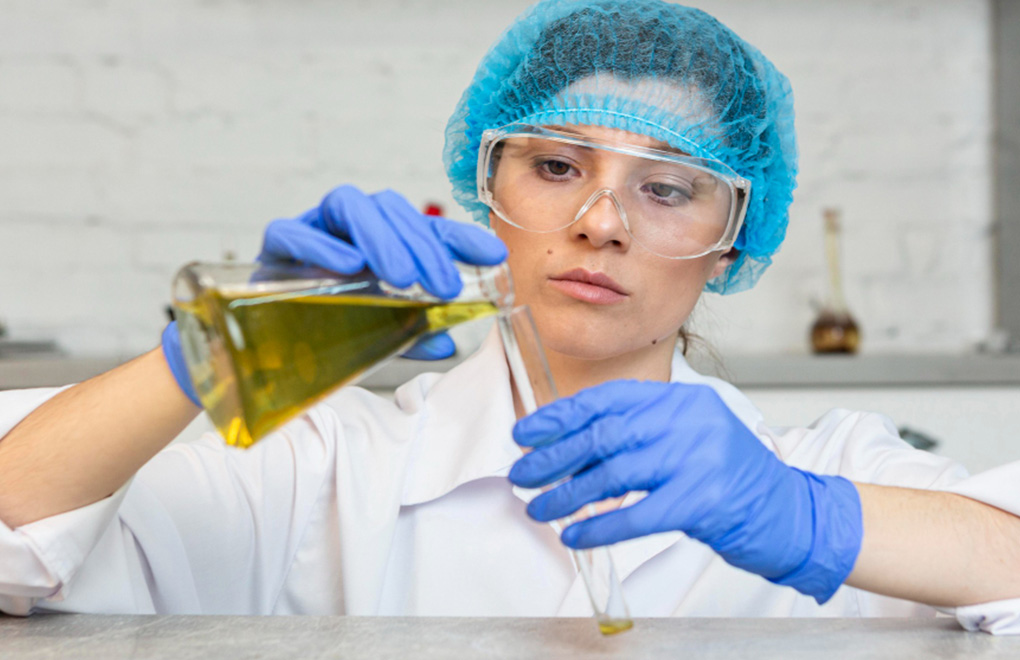
Step 2: Formula Development
Formulators design the shampoo based on:
- Surfactant system (sulfate-free, amino acid, etc.)
- Conditioning agents
- Actives (botanicals, peptides, scalp actives)
- pH balance (typically 4.5–5.5)
🔗 Internal link: pH Balance in Custom Shampoo: Why It Matters
Step 3: Sampling & Testing
- Lab samples (multiple iterations)
- Texture, scent, and performance testing
- Stability and safety testing
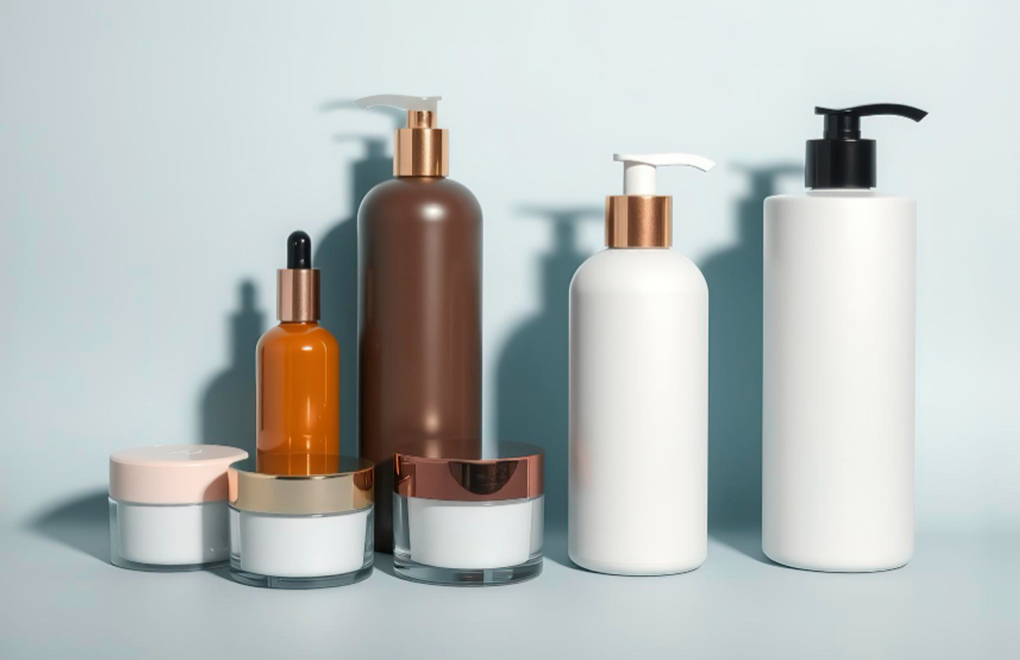
Step 4: Packaging & Branding
- Bottle type and material
- Label design and compliance text
- Sustainability considerations
Step 5: Mass Production
- Raw material sourcing
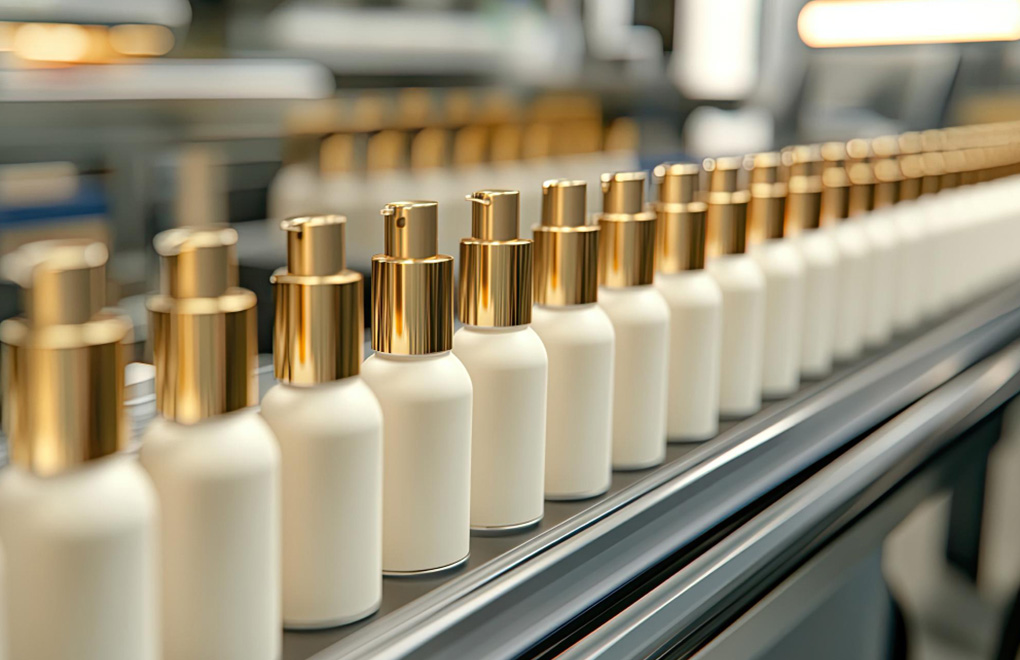
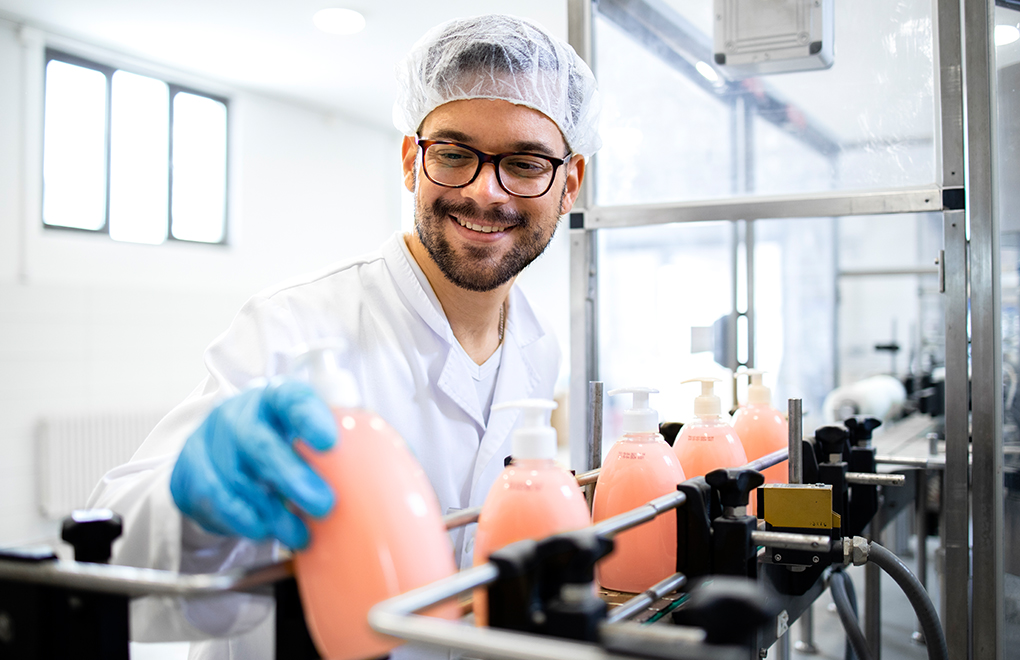
- Batch production
- Filling and packaging
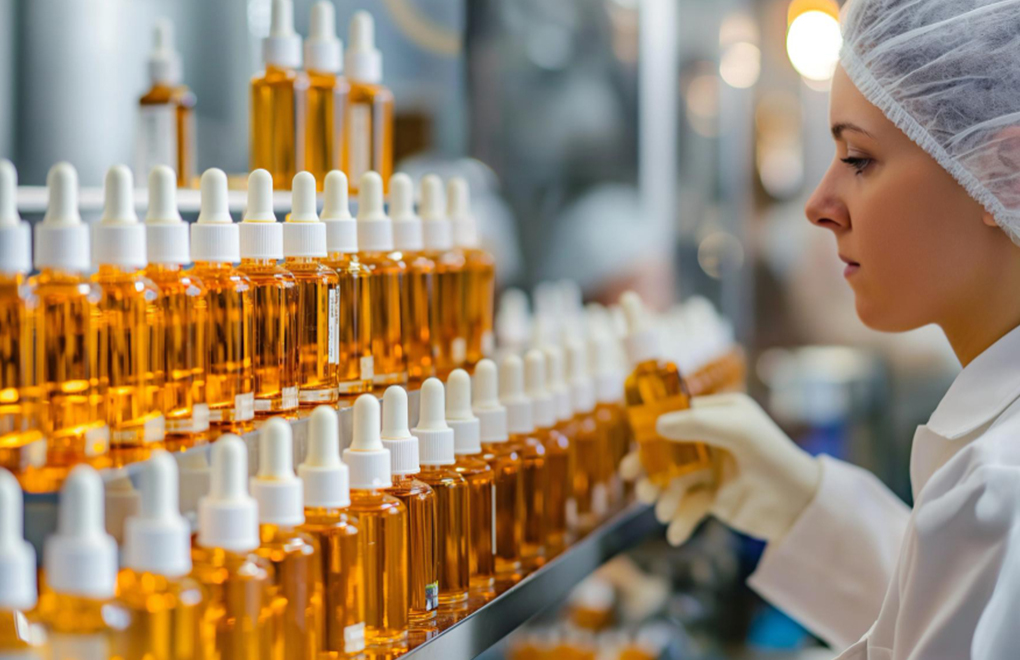
- Quality control
Step 6: Delivery & Launch Support
- Shipping and logistics
- Documentation
- Marketing and claim support
4. Key Ingredients in Custom Shampoo (2026)
Surfactants
- Sodium cocoyl isethionate
- Sodium lauroyl sarcosinate
- Coco-glucoside
Conditioning Agents
- Polyquaterniums
- Natural oils (argan, jojoba, camellia)
- Plant-based esters
Actives & Add-Ons
- Niacinamide (scalp health)
- Caffeine (hair growth support)
- Proteins & amino acids
- Botanical extracts
🔗 Internal link: Custom Shampoo for Hair Growth: Ingredients & Results
5. Custom Shampoo for Different Hair Types
- Dry & damaged hair → moisture + repair systems
- Curly & textured hair → hydration + frizz control
- Color-treated hair → pH control + color protection
- Scalp & dandruff care → gentle surfactants + actives
🔗 Internal links:
6. Clean Beauty & Sustainability in 2026
Modern custom shampoo manufacturing emphasizes:
- Sulfate-free, silicone-free systems
- Vegan and cruelty-free formulas
- Sustainable sourcing
- Recyclable or refillable packaging
Clean beauty is no longer a trend—it’s the baseline expectation.
7. MOQ, Cost & Lead Time Explained
Typical MOQ
- Custom shampoo: 1,000–5,000 units
- Private label: 500–1,000 units
Cost Factors
- Formula complexity
- Ingredient quality
- Packaging choice
- Order volume
Lead Time
- Formula development: 2–4 weeks
- Sampling & approval: 2–3 weeks
- Production: 4–6 weeks
🔗 Internal link: MOQ, Cost & Lead Time for Custom Shampoo Manufacturing
8. Choosing the Right Custom Shampoo Manufacturer
What to Look For
- OEM/ODM experience
- Strong R&D team
- Regulatory knowledge (US & EU)
- Flexible MOQ
- Transparent communication
US vs Asia Manufacturers
- US: Faster communication, higher cost
- Asia: Strong R&D, cost efficiency, scalability
🔗 Internal link: How to Choose a Custom Shampoo Manufacturer (US & Asia Comparison)
9. Premium vs Mass-Market Custom Shampoo
Custom shampoo supports both strategies, but formulas, packaging, and cost structures differ.
🔗 Internal link: Premium vs Mass-Market Custom Shampoo: Positioning Strategies
10. AI & Data: The Future of Custom Shampoo Manufacturing
In 2026, leading manufacturers integrate:
- AI-driven formula optimization
- Consumer data feedback loops
- Modular personalization systems
🔗 Internal link: How AI & Data Are Shaping the Future of Custom Shampoo
Conclusion: Build Smarter, Not Generic
Custom shampoo manufacturing empowers brands to:
- Stand out in crowded markets
- Deliver real performance
- Build loyal customer bases
- Scale sustainably
In 2026, customization is not optional—it’s the foundation of successful hair care brands.
CTA: Start Your Custom Shampoo Project
Looking to develop a custom shampoo line?
We offer:
✔ OEM & ODM custom shampoo manufacturing
✔ Clean beauty & performance-driven formulas
✔ Flexible MOQ & scalable production
✔ US & EU regulatory compliance
✔ Full branding & packaging support
👉 Contact us today to start your custom shampoo manufacturing journey.