
How to Create Custom Shampoos and Conditioners for Your Brand
The demand for custom shampoos and conditioners is skyrocketing as brands look for ways to differentiate themselves in a crowded hair care market. Consumers want products tailored to their hair type, scalp needs, lifestyle, and values—and they’re willing to pay more for formulas that feel personal, natural, and effective.
Whether you’re an emerging beauty startup or an established brand expanding your product line, creating custom hair care products has never been more accessible. With the right OEM/ODM partner, your brand can develop professional-quality shampoos and conditioners with unique ingredients, signature scents, and premium packaging that match your brand identity.
1. Define Your Brand’s Positioning & Target Market
Before diving into formulation, clarify what your brand stands for:
- Natural or organic ingredients
- Clean beauty & sulfate-free formulas
- Salon-grade performance
- Scalp health solutions
- Curl care or textured-hair focus
- Gender-neutral or fragrance-free hair care
- Premium luxury or budget-friendly essentials
A clear positioning helps guide your formula, packaging, fragrance, pricing, and marketing strategy.
2. Choose Your Product Goals & Benefits
Every custom shampoo and conditioner should be built around specific hair goals. Common categories include:
- Hydration & Moisture
- Damage Repair / Strengthening
- Scalp Care (anti-itch, dandruff, sensitive scalp)
- Hair Growth & Anti-Thinning
- Volume & Fullness
- Curl / Wave / Coil Definition
- Color Protection
- Anti-Frizz & Shine Boosting
Your OEM formulation team will tailor active ingredients to match each goal.
3. Select Your Key Ingredients
Creating custom shampoos and conditioners begins with choosing high-performing ingredients. Some popular actives include:
For Shampoos
- Sulfate-free surfactants (Coco-Glucoside, Sodium Cocoyl Isethionate)
- Plant extracts (tea tree, rosemary, aloe, chamomile)
- Scalp actives (salicylic acid, pyrithione zinc, Piroctone Olamine)
- Niacinamide, peptides, caffeine for growth
- Essential oils for fragrance and scalp purification
For Conditioners
- Butters (shea, mango, murumuru)
- Oils (argan, jojoba, coconut, avocado)
- Proteins (keratin, rice protein, silk amino acids)
- Ceramides & bond-building ingredients
- Silicone or silicone-free smoothers
Your brand can choose fully customized or semi-custom formulations depending on your budget and launch timeline.
4. Decide on Your Formula Texture & Sensory Experience
This defines how your product feels to the customer:
- Lightweight or rich?
- Creamy or gel-based conditioner?
- Thick, luxurious shampoo or refreshing low-viscosity cleanser?
- Cooling scalp sensation?
- Fast-rinse or deep-conditioning effect?
Texture and sensory experience greatly influence repeat purchases.
5. Create a Signature Fragrance
Fragrance is one of the strongest brand identifiers. Options include:
- Essential oil blends (mint, lavender, eucalyptus, rose, bergamot)
- Clean beauty fragrance oils
- Fruity, floral, herbal, musk, or spa-inspired scents
- Fully custom perfume created by a fragrance house
- Unscented options for sensitive users
A unique scent can instantly set your product apart.
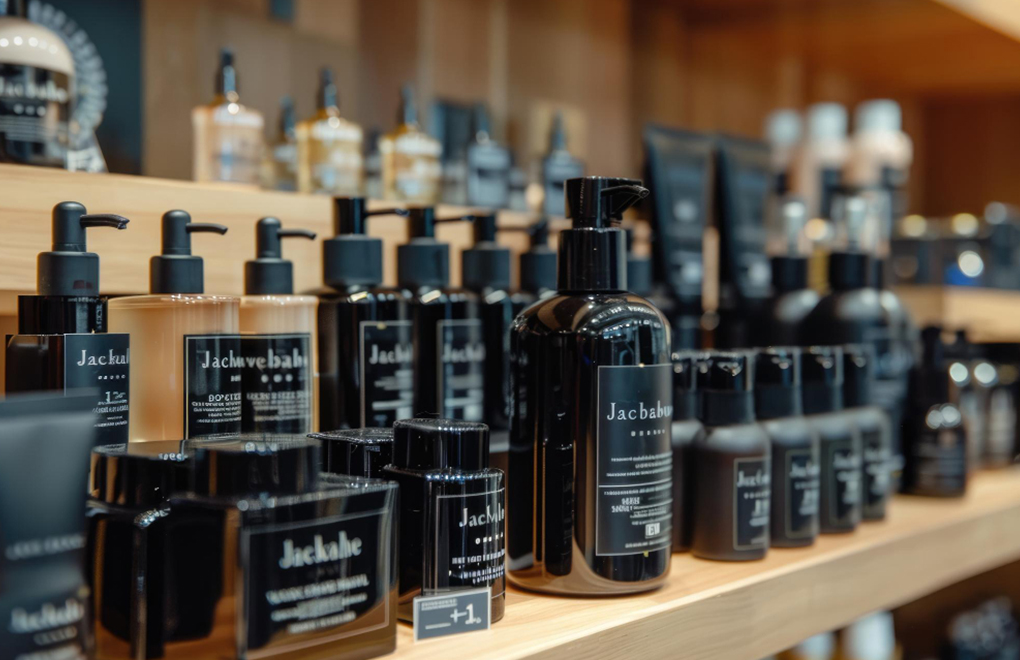
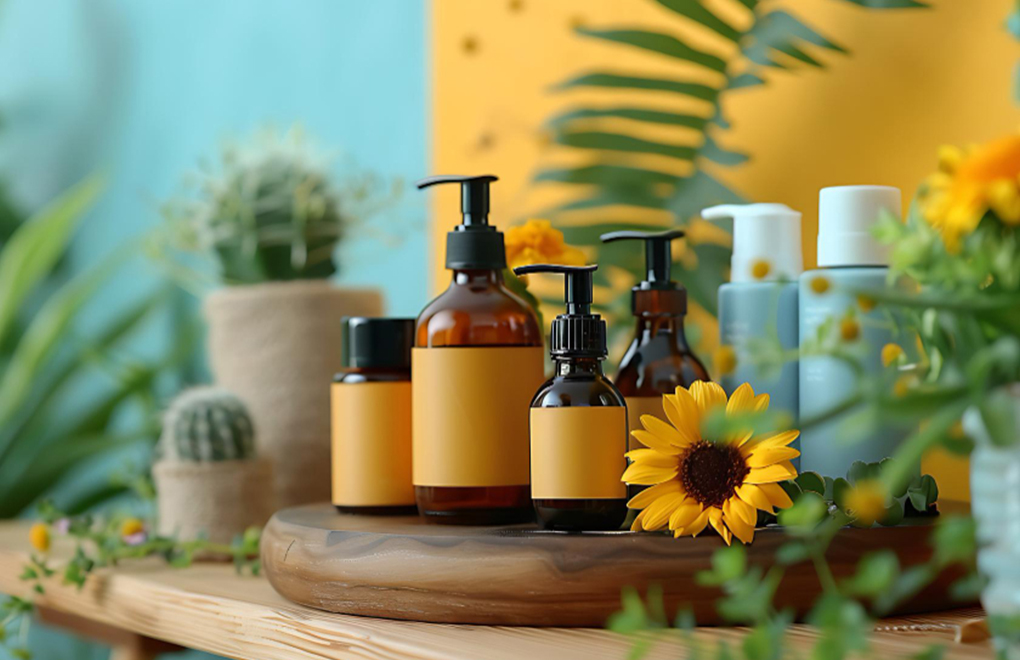
6. Choose Your Packaging & Branding Style
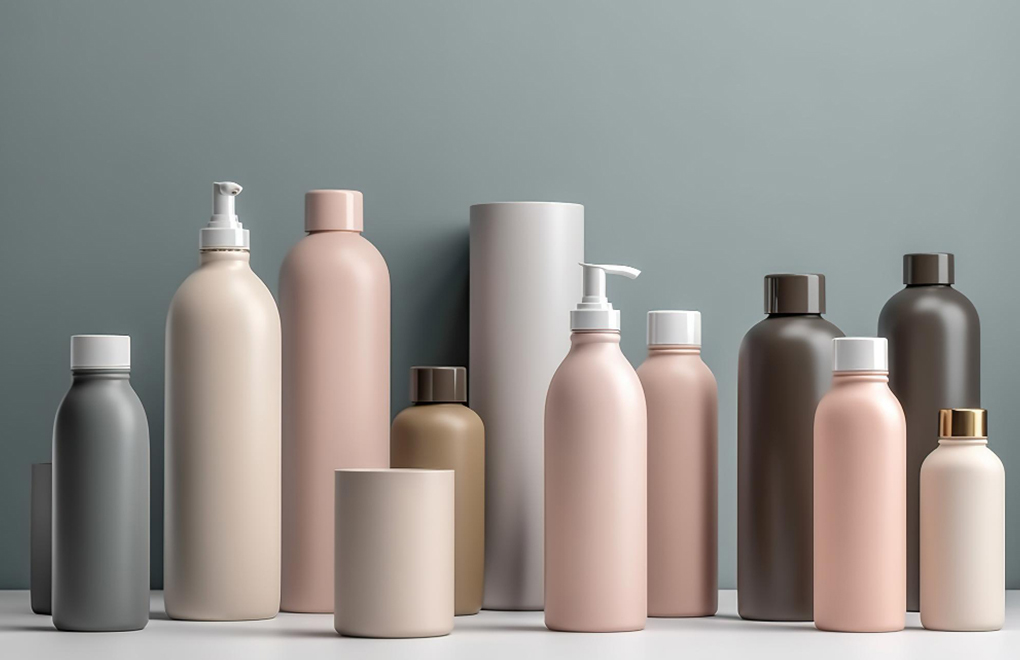
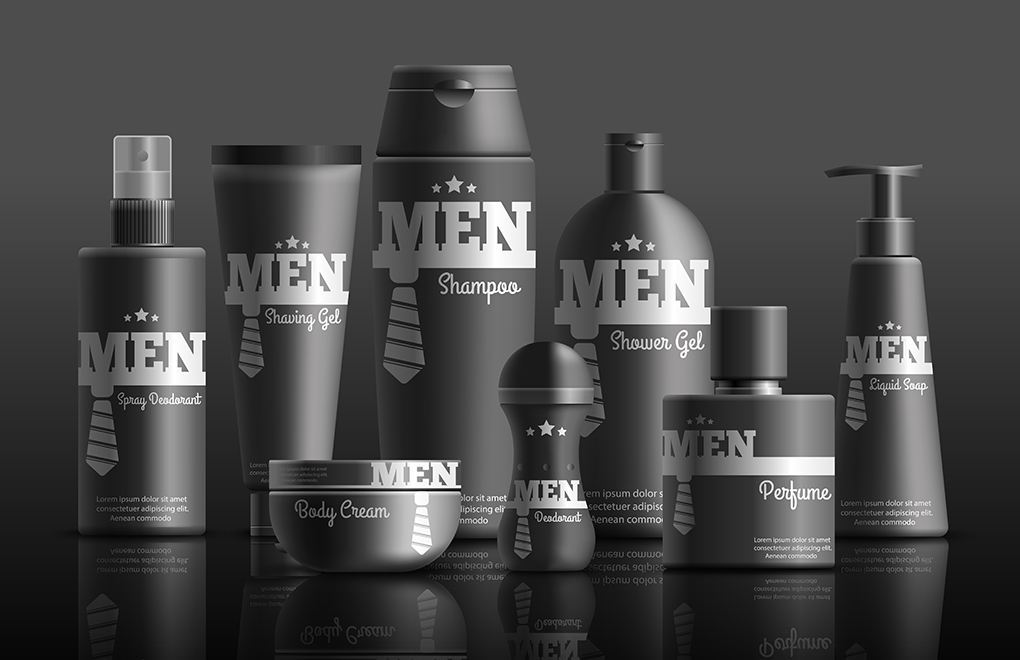
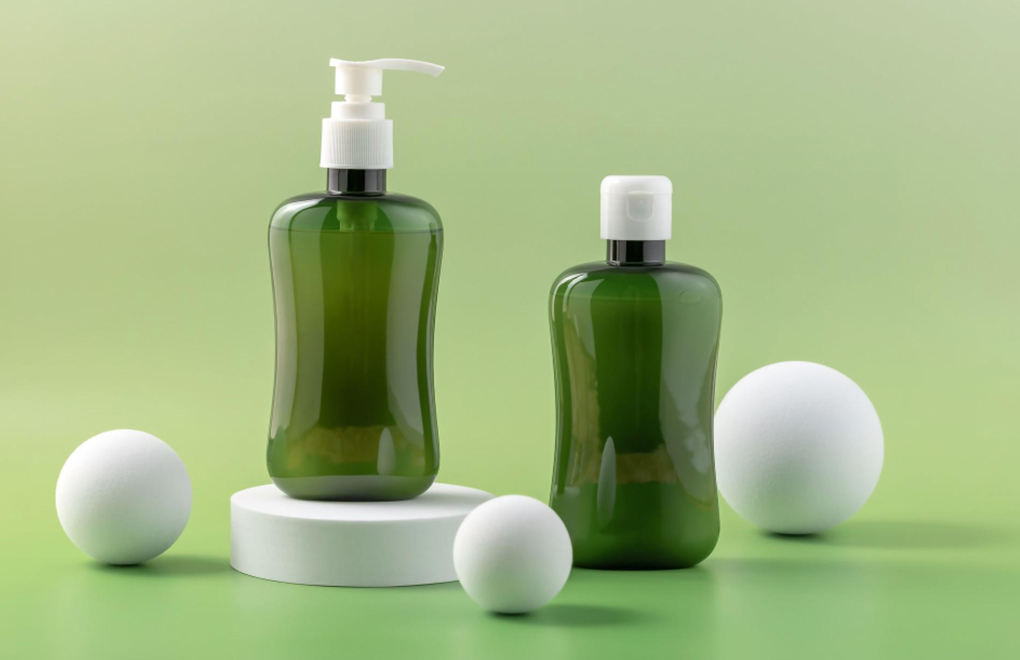
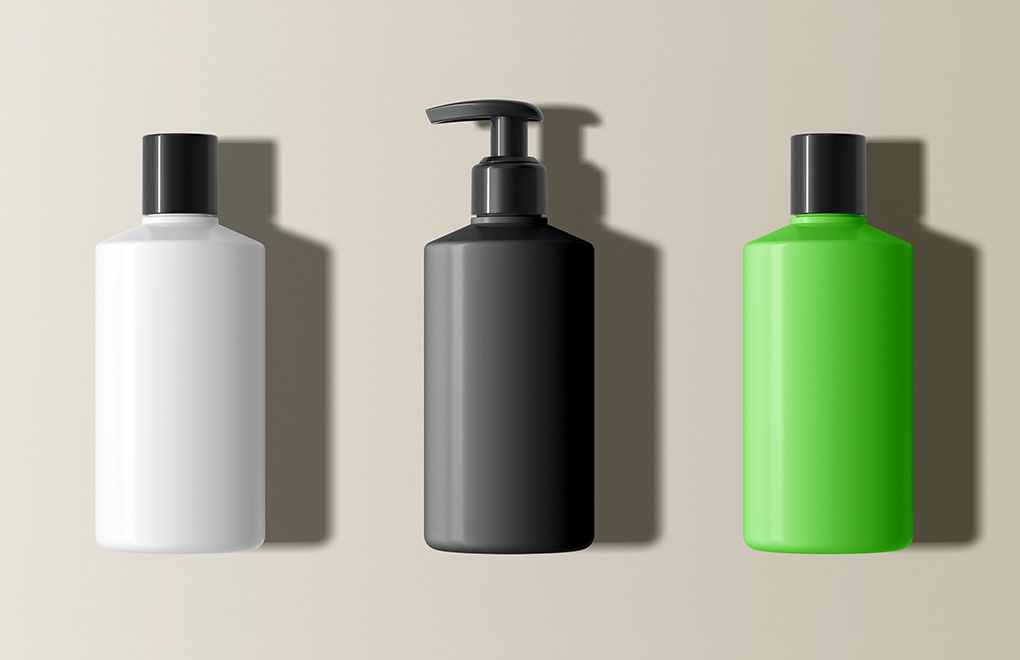
Private label brands can choose from:
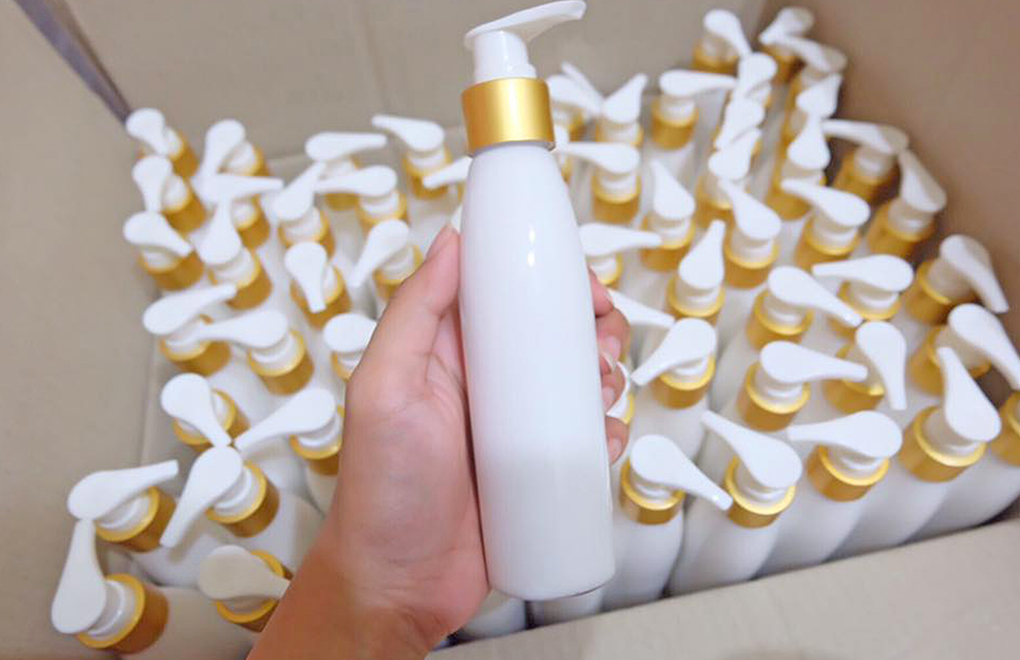
- Bottles (PET, PCR, HDPE, glass)
- Tubes or pumps
- Minimalist, luxury, eco-friendly, or glossy styles
- Full-color printing or label application
- Custom shapes and molds (for larger runs)
Packaging should match your brand personality and retail price point.
7. Work With a Professional OEM/ODM Manufacturer
A qualified manufacturer handles:
- Formula development
- Stability & safety testing
- Raw ingredient sourcing
- Batch production
- Filling, labeling & packaging
- Compliance for U.S., EU, GCC, AU markets
A good OEM partner also advises you on ingredients, trends, certification options, and regulatory requirements (e.g., EU CPNP, U.S. FDA standards for OTC dandruff products).
8. Conduct Testing Before Launch
Your custom shampoo and conditioner should pass:
- Stability testing
- Microbial testing
- pH balance verification
- Compatibility testing with packaging
- Sensory and consumer experience testing
This step ensures your products are safe, premium, and ready for global markets.
9. Prepare Marketing Claims & Product Descriptions
Marketing content must match your formula benefits. Examples:
- “Sulfate-free hydrating shampoo for dry hair”
- “Bond-repair conditioner with ceramides and peptides”
- “Refreshing scalp-care shampoo with tea tree & mint”
- “Curl-defining conditioner for waves, curls & coils”
Good claims increase conversions—especially for Amazon, Shopify, and Google Shopping.
10. Launch Your Custom Hair Care Line
Once production is complete, you’re ready to launch across:
- E-commerce (Shopify, WooCommerce, Amazon)
- Salon retail
- TikTok & Instagram shops
- Wholesale / B2B distribution
- Subscription programs
- Influencer collaboration lines
Your brand now owns a fully unique hair care product line designed for your customers.
⭐ Conclusion
Creating custom shampoos and conditioners for your brand is one of the most effective ways to stand out in the beauty market. With personalized ingredients, clean formulations, premium packaging, and strategic branding, you can build products that deliver real performance—and real customer loyalty.
👉 CTA
Want to develop custom shampoos and conditioners for your brand?
We offer:
✔ Custom formulas (hydration, repair, curl, scalp, growth, volume, color-safe)
✔ Private Label & OEM/ODM manufacturing
✔ Custom scent, texture, and ingredient development
✔ Packaging design + brand identity support
✔ Low MOQ for U.S. & EU beauty brands
Contact us today to start building your custom hair care line.